
The BMW 7 Series is BMW’s flagship luxury sedan. It combines comfort, performance, advanced technology, and premium design. BMW has produced the 7 Series through several generations since 1977. Each generation introduced new engines, features, and design changes.
The 7 Series has changed a lot over the years. Older models focused on classic luxury and smooth driving. Newer models add powerful engines, modern technology, and electrified powertrains. This evolution makes the 7 Series an interesting part of BMW’s history.
In this guide, we will explore the major BMW 7 Series generations. We will look at their designs, engines, features, and performance. We will also highlight the key changes that separate each generation.
BMW 7 Series Engine
The BMW 7 Series engine has changed with each generation. BMW has used inline-six, V8, and V12 engines in different models. These engines offered smooth power and strong performance. BMW also introduced diesel and hybrid options in several generations.
Older 7 Series models focused on large engines and comfortable power delivery. Later models added turbocharging to improve performance and fuel efficiency. BMW also used advanced systems such as direct fuel injection and variable valve timing. These updates helped the 7 Series deliver stronger performance with better efficiency.
Modern 7 Series models offer petrol, diesel, plug-in hybrid, and fully electric powertrains, depending on the market. The latest engines focus on power, refinement, and lower emissions. Electric versions use powerful motors and large batteries instead of traditional engines. This wide range gives the 7 Series a different driving character across its generations.
BMW 7 Series E23
The BMW 7 Series E23 was the first generation of the 7 Series. BMW introduced it in 1977. It replaced the E3 sedan and became BMW’s flagship luxury car. The E23 featured a classic design, a spacious cabin, and smooth inline-six engines.
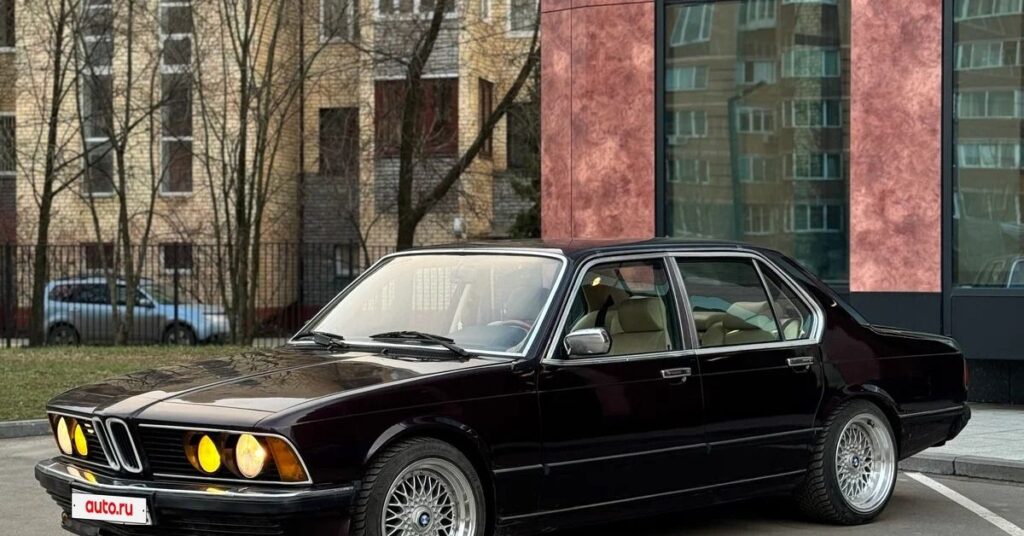
BMW offered several engine options during the E23’s production run. Most models used naturally aspirated or turbocharged inline-six engines. The 745i became the top performance model in several markets. It used a turbocharged engine and delivered stronger acceleration than the standard versions.
The E23 also introduced several features that improved comfort and driving. BMW offered automatic climate control, cruise control, and advanced electronic systems for its time. The E23 remained in production until 1986. It also created the foundation for future BMW 7 Series generations.
BMW 7 Series E32
The BMW 7 Series E32 was the second generation of the 7 Series. BMW introduced it in 1986. It brought a cleaner design and a more refined cabin. The E32 also offered better comfort and stronger technology than the previous E23.
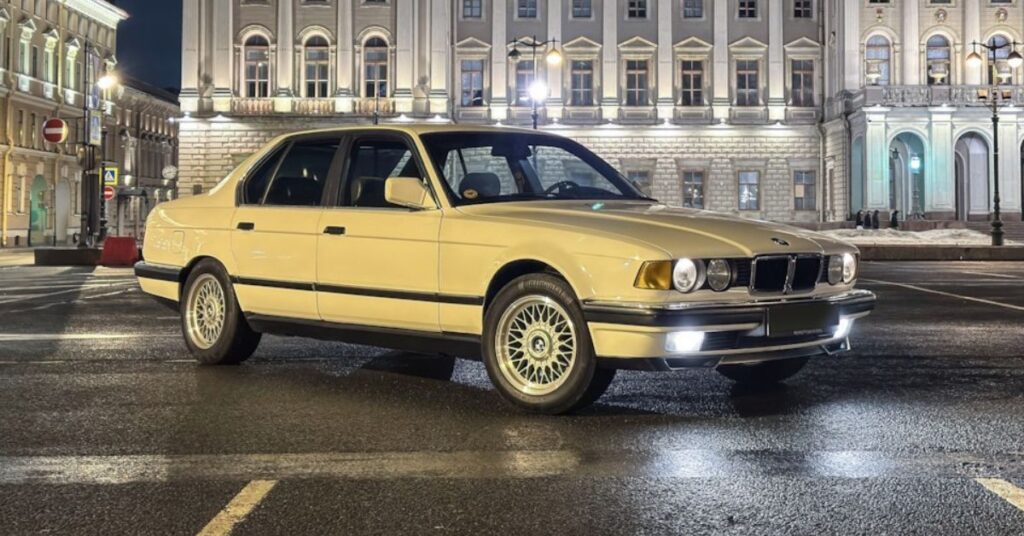
BMW offered several inline-six and V8 engines in the E32. Later, BMW added a powerful V12 engine to the range. The 750i and 750iL used the V12 engine. These models delivered smooth and strong performance. Buyers could also choose between standard and long-wheelbase versions.
The E32 added many modern features for its time. Some models offered electronic suspension control, traction control, and advanced climate systems. The long-wheelbase versions provided extra rear-seat space. BMW produced the E32 from 1986 to 1994, making it an important step in the 7 Series history.
BMW 7 Series E38
The BMW 7 Series E38 was the third generation of the 7 Series. BMW introduced it in 1994. It featured a balanced design and a more modern cabin. The E38 also improved comfort, handling, and overall refinement.
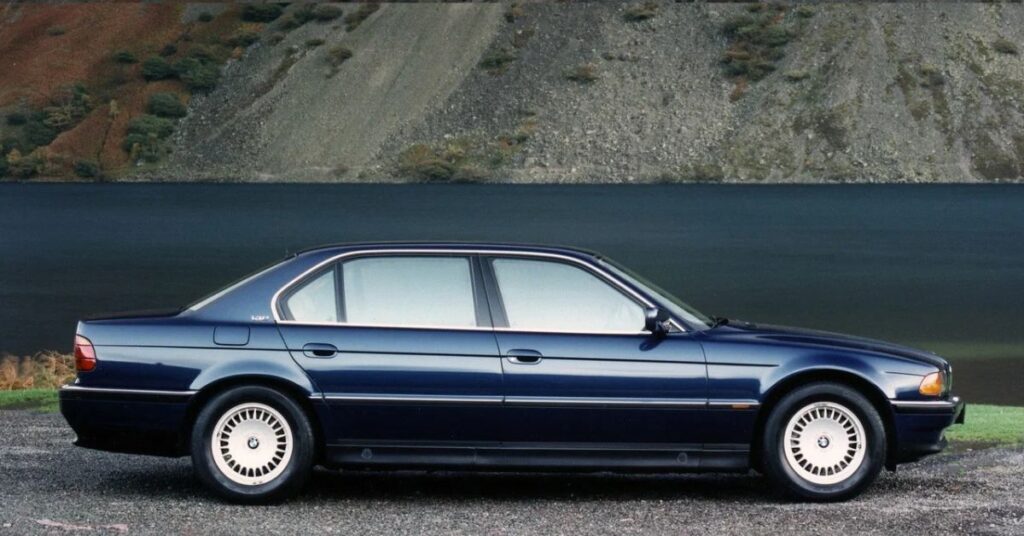
BMW offered several inline-six, V8, and V12 engines. The 750i and 750iL used a 5.4-liter V12 engine. BMW also offered diesel engines in some markets. The E38 delivered smooth power and strong highway performance. Buyers could choose standard or long-wheelbase versions.
The E38 added many useful features for its time. These included navigation, xenon headlights, parking sensors, and advanced safety systems. The 740i and 750i models became popular choices. BMW produced the E38 from 1994 to 2001, and it remains an important generation in 7 Series history.
BMW 7 Series E65/E66
The BMW 7 Series E65/E66 was the fourth generation of the 7 Series. BMW introduced it in 2001. The E65 used the standard wheelbase, while the E66 offered a longer wheelbase. This generation brought a bold new design and a more modern cabin.
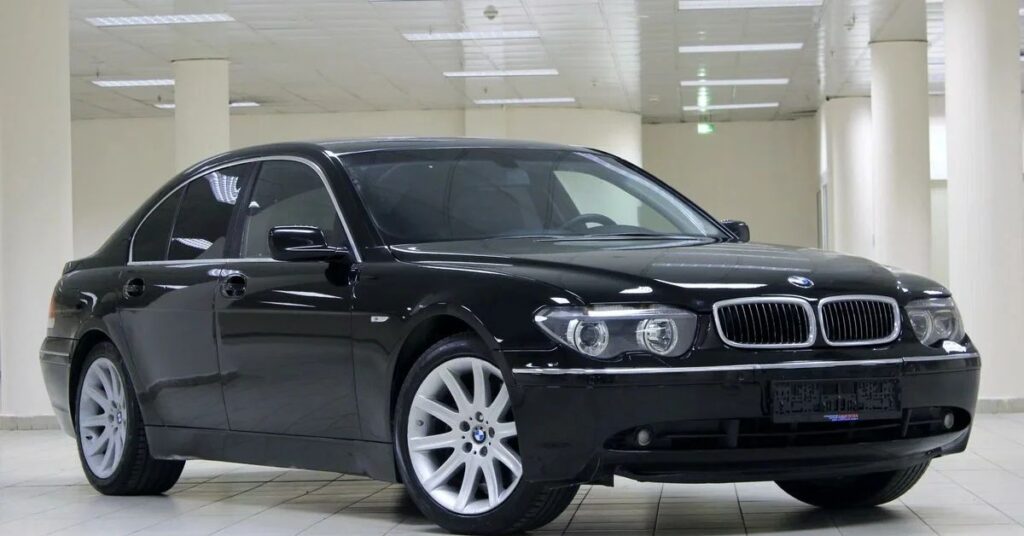
BMW offered inline-six, V8, and V12 engines in different markets. The 745i used a 4.4-liter V8 engine, while the 760i used a 6.0-liter V12 engine. BMW also offered diesel engines in some markets. These engines provided smooth power and strong highway performance.
The E65/E66 introduced several new technologies to the 7 Series. The iDrive control system became a major feature. BMW also offered adaptive headlights, active suspension, and advanced comfort features. Production continued until 2008, when the F01/F02 generation replaced it.
BMW 7 Series F01/F02/F04
The BMW 7 Series F01/F02/F04 represents the fifth generation of the 7 Series. BMW introduced it in 2008. The F01 used the standard wheelbase, while the F02 offered a longer wheelbase. The F04 was the ActiveHybrid 7 and combined a petrol engine with an electric motor.
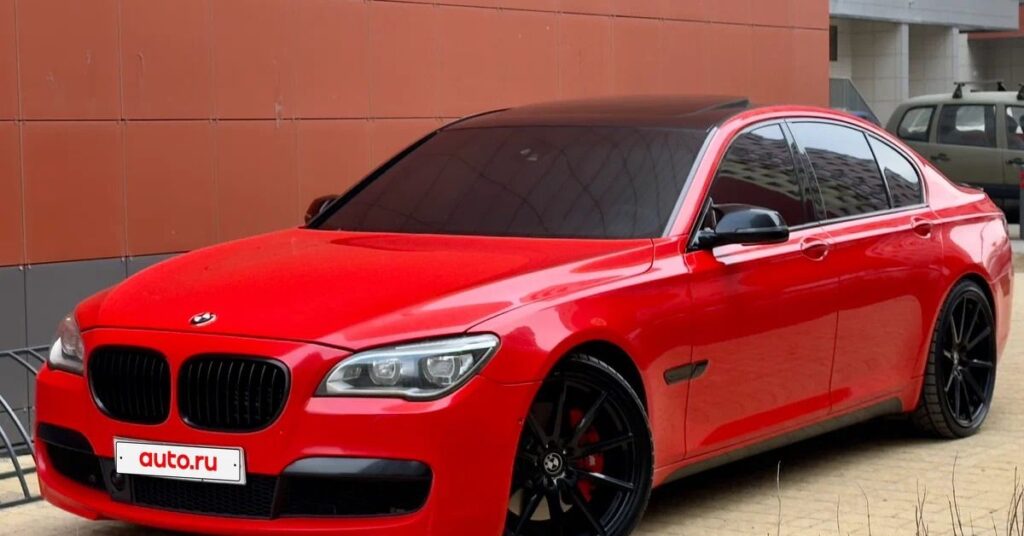
BMW offered several engines across this generation. Options included turbocharged six-cylinder, V8, and V12 engines. The 760i used a 6.0-liter twin-turbo V12. The ActiveHybrid 7 used a turbocharged petrol engine with electric assistance. These powertrains focused on smooth power and comfortable driving.
The F01/F02/F04 also brought more advanced technology. BMW improved the iDrive system and added features such as adaptive suspension and night vision. The cabin offered high-quality materials and spacious rear seats. BMW produced this generation until 2015, before the G11/G12 replaced it.
BMW 7 Series G11/G12
The BMW 7 Series G11/G12 represents the sixth generation of the 7 Series. BMW introduced it in 2015. The G11 used the standard wheelbase, while the G12 offered a longer wheelbase. This generation featured a modern design, a lighter body, and a more advanced cabin.
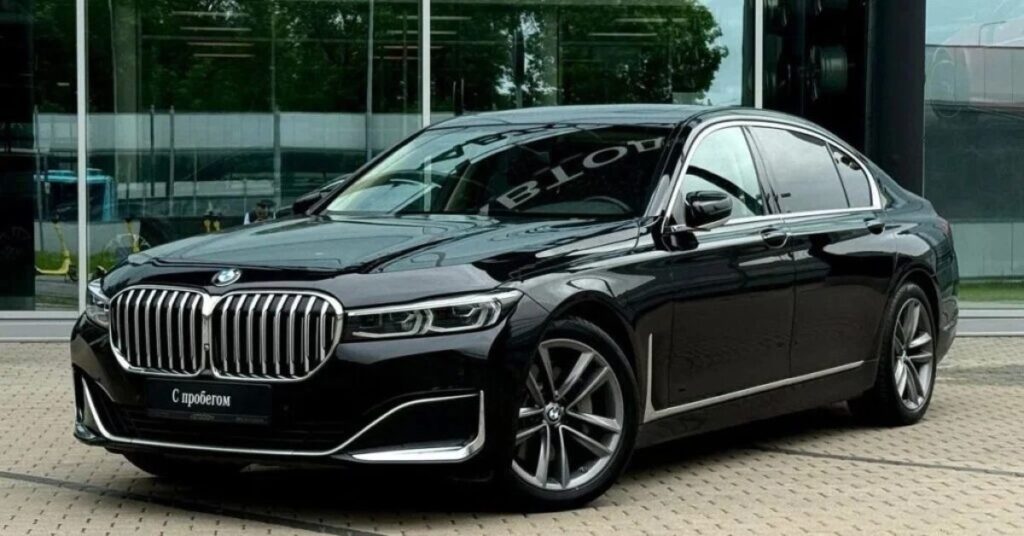
BMW offered several petrol and diesel engines in this generation. Options included turbocharged six-cylinder and V8 engines. BMW also offered the 750i with a twin-turbo V8. The 740e plug-in hybrid combined a petrol engine with an electric motor. These powertrains delivered strong performance with improved efficiency.
The G11/G12 introduced many new technologies to the 7 Series. BMW offered gesture control, advanced driver assistance, and a large infotainment system. The cabin also featured premium materials and comfortable rear seats. BMW produced this generation until 2022, before the G70 replaced it.
BMW 7 Series G70
The BMW 7 Series G70 is the seventh generation of the 7 Series. BMW introduced it in 2022. It features a large exterior design and a spacious luxury cabin. The G70 also offers advanced technology and several powertrain choices.
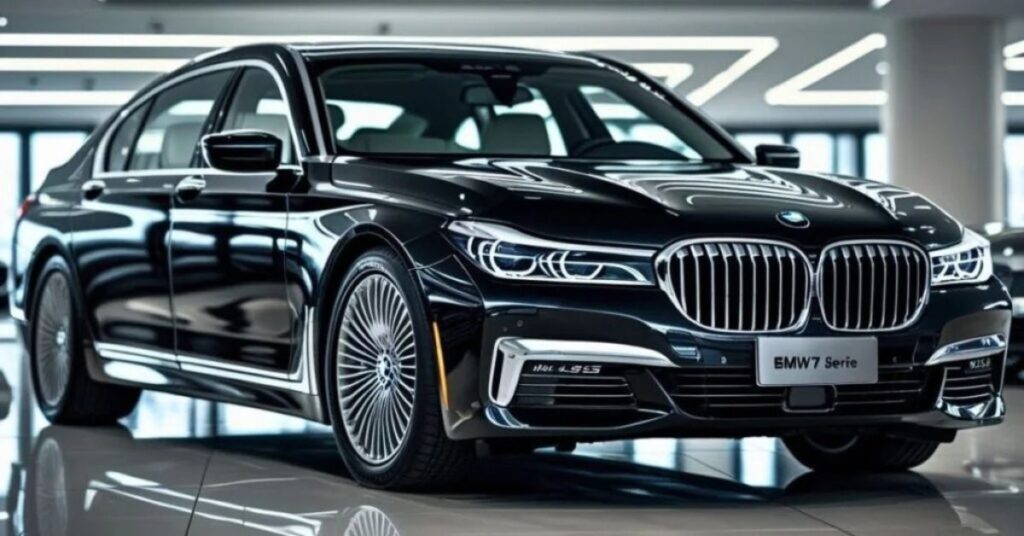
BMW offers petrol, diesel, and plug-in hybrid versions in different markets. The range also includes the fully electric BMW i7. Petrol models use turbocharged engines with mild-hybrid technology. The i7 uses electric motors and a high-capacity battery for quiet and smooth performance.
The G70 adds many modern features to the 7 Series. The cabin can include a large curved display and a rear entertainment screen. BMW also offers advanced driver-assistance systems and premium comfort features. The G70 combines luxury, technology, and strong performance in one flagship sedan.
Conclusion
The BMW 7 Series has changed greatly across its generations. The E23 started the model line with classic styling and smooth engines. Later generations added stronger engines, better comfort, and new technology. Each generation brought something different to BMW’s flagship sedan.
Today, the G70 continues this long history with modern luxury and advanced features. BMW also offers the electric i7 for drivers who want electric performance. From the E23 to the G70, the 7 Series shows how BMW has developed its luxury sedan over the years.
FAQs
1. How many BMW 7 Series generations are there?
BMW has produced seven main 7 Series generations, from the E23 to the current G70.
2. What was the first BMW 7 Series generation?
The E23 was the first 7 Series generation. BMW introduced it in 1977.
3. Which BMW 7 Series generation introduced the iDrive system?
The E65/E66 introduced BMW’s iDrive control system in the early 2000s.
4. Does the BMW 7 Series have an electric version?
Yes. The current G70 generation includes the fully electric BMW i7.
5. Which engines does the BMW 7 Series use?
The 7 Series has used inline-six, V8, and V12 engines, along with diesel, hybrid, and electric powertrains.
Related Posts
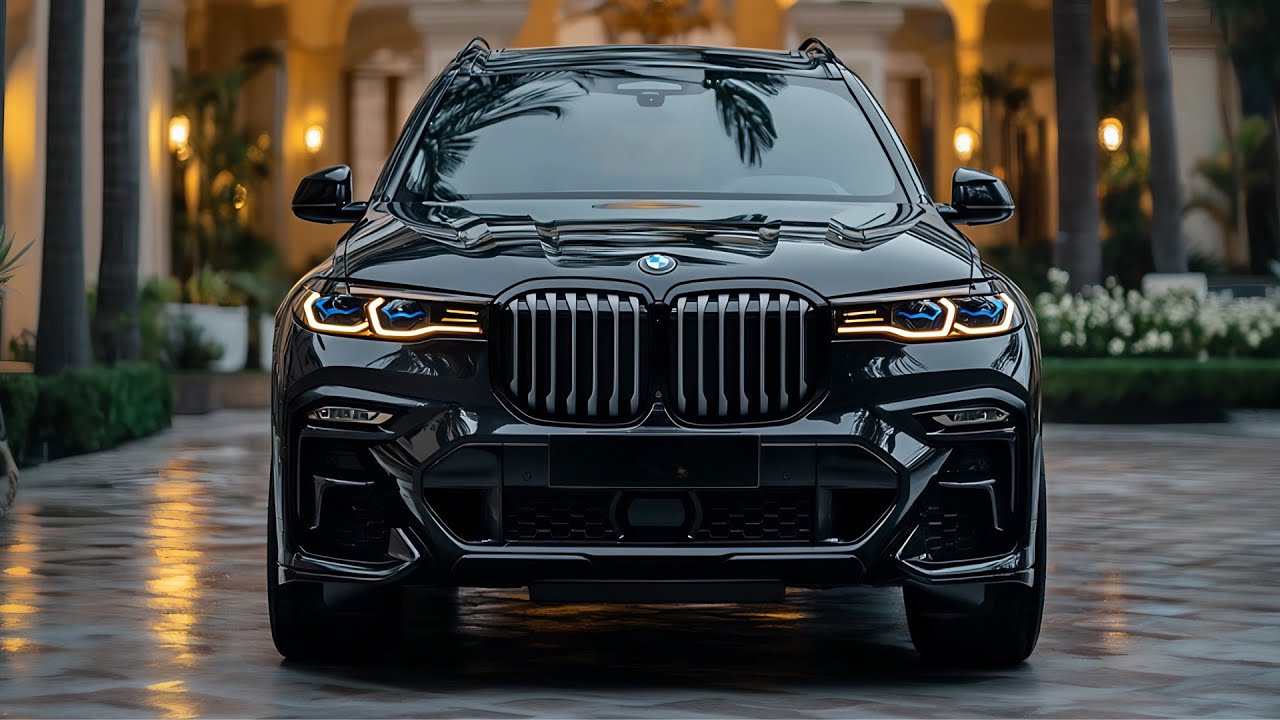
BMW X7 Buying Guide: Price, Trim Levels, and Expert Tips
The BMW X7 is a full-size luxury SUV that offers…
BMW M3 Review: Performance, Features, and Driving Experience
The BMW M3 is a high-performance sports sedan made by…
BMW M8 Buying Guide: Specs, Price & Performance
The BMW M8 is a high-performance luxury sports car. It…