
A BMW car battery is an important part of your vehicle’s electrical system. It provides the power needed to start the engine and run electrical features. These include lights, locks, screens, and safety systems. BMW uses different battery types, such as standard lead-acid and AGM batteries, depending on the model and its equipment.
A weak or failing battery can cause several problems. Your BMW may struggle to start, display warning messages, or lose some electrical functions. Replacing the battery at the right time can help you avoid unexpected trouble. Choosing the wrong battery, however, may affect performance and reliability.
This guide explains the main types of BMW car batteries and their costs. It also covers battery life, common warning signs, replacement steps, and maintenance tips. You will learn why some BMW models need battery registration after replacement. This information will help you choose the right battery and manage your maintenance costs.
BMW Battery Sizes
BMW car battery sizes vary by model, engine, and electrical equipment. A BMW 3 Series with a four-cylinder petrol engine may use a different battery from a 5 Series diesel or an X5. Battery capacity is measured in amp-hours (Ah), while cold-cranking amps (CCA) indicate how well the battery can start an engine in cold conditions. Both values matter when choosing a replacement.
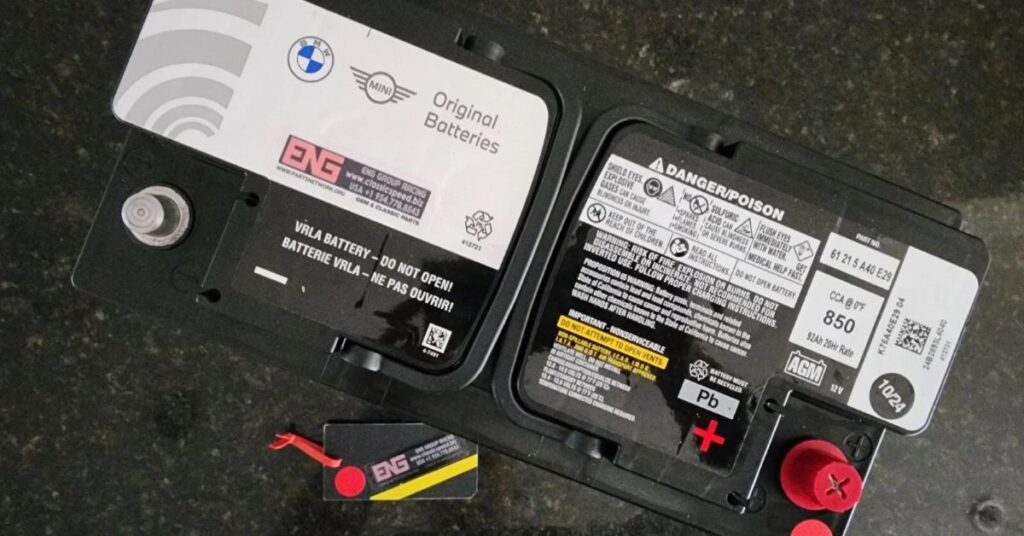
BMW batteries commonly range from around 60 Ah to 105 Ah in many petrol and diesel models. Some vehicles use AGM batteries, which handle frequent engine starts and higher electrical loads better than conventional flooded batteries. The correct size also depends on the battery’s physical dimensions, terminal layout, and required technology. A battery that fits in the tray may still be unsuitable for the car’s electrical system.
For example, BMW parts catalogues list 92 Ah and 105 Ah AGM batteries for certain 5 Series models, including the G30 530d xDrive. These figures are model-specific, not universal sizes for every BMW. Before buying a battery, check your vehicle’s VIN, original battery label, or owner’s manual. If you change the battery’s capacity or type, the car may also need coding. Many BMW models with an Intelligent Battery Sensor require battery registration after replacement.
Signs of a Weak Battery
A weak BMW car battery often shows warning signs before it fails. The engine may crank slowly when you press the start button. You might hear repeated clicking instead of the engine starting. Dashboard lights may also flicker during startup. In some BMW models, a battery warning message may appear on the instrument cluster or iDrive screen. These symptoms can indicate low battery power, especially after the car sits unused for several days.
Electrical problems can also point to a failing battery. The central locking system may respond slowly, and interior lights may appear dim. Some BMW models may display a message about increased battery discharge while parked. This can happen when the battery can’t hold a charge or when an electrical component keeps drawing power after the car is switched off. However, an alternator fault, a parasitic drain, or a poor electrical connection can cause similar symptoms.
Your BMW may also start normally one day and fail to start the next. Short trips, cold weather, and long periods without driving can reduce battery charge. If these problems keep returning, have the battery tested for voltage and starting capacity. A workshop can also check the charging system and stored fault codes. Testing helps identify whether the battery needs replacement or another electrical issue requires attention.
BMW Battery Life
A BMW car battery usually lasts around three to five years under normal driving conditions. However, its lifespan depends on the battery type, climate, driving habits, and electrical load. BMW models with start-stop technology and higher power demands often use AGM batteries. They can handle repeated charging cycles, but they still wear out over time. A battery used in a daily-driven BMW may last longer than one fitted to a car that sits unused for weeks.
Driving habits have a major effect on battery life. Frequent short trips may not give the alternator enough time to replace the power used during starting. This can gradually lower the battery’s charge. Hot weather can also speed up internal battery deterioration, while cold weather makes it harder to start the engine. BMW models with comfort access, electronic control units, and other systems may continue using small amounts of power while parked. A weak battery can struggle to support these demands.
You can extend BMW battery life with regular testing and proper charging. Check the battery’s condition before winter or a long trip. If your BMW stays parked for several weeks, use a suitable battery maintainer when recommended. Avoid leaving lights or accessories switched on when the engine is off. Watch for slow starting or repeated battery-discharge warnings. If the battery is more than three years old and shows these symptoms, have it tested before replacing it.
BMW Battery Replacement Cost
The cost of replacing a BMW car battery depends on the model, battery type, and labour charges. A standard lead-acid battery usually costs less than an AGM battery. Many modern BMW models need AGM batteries because they support start-stop systems and higher electrical demands. Battery prices also vary with capacity, brand, and warranty. A battery for a BMW 3 Series may cost less than one for a large X5 or a 7 Series with more electrical equipment.
In the United States, a replacement battery may cost around $150 to $400 for the part. Premium AGM batteries and some high-capacity options can cost more. Labour and battery registration may add to the final bill. Some BMW models require the new battery to be registered through diagnostic software. If the replacement battery has a different capacity or type, coding may also be necessary. These steps help the vehicle’s charging system manage the new battery correctly.
Before buying a battery, check the exact specification for your BMW’s model year and engine. For example, a BMW 330i may use a different battery specification from a 530d or X5. Compare the battery’s Ah rating, CCA, dimensions, and technology with the original unit. Also check the warranty and installation charges. Choosing the correct battery can prevent compatibility problems and unnecessary expenses.
Choosing the Right Battery
Start by checking your vehicle’s exact specifications to choose the right BMW car battery.
The correct battery depends on the model, engine, production year, and electrical equipment. Check the original battery label or use your BMW’s VIN to find the recommended option. Pay attention to the battery capacity in amp-hours (Ah), cold-cranking amps (CCA), and physical dimensions. A battery that fits the tray may still have the wrong capacity or terminal layout.
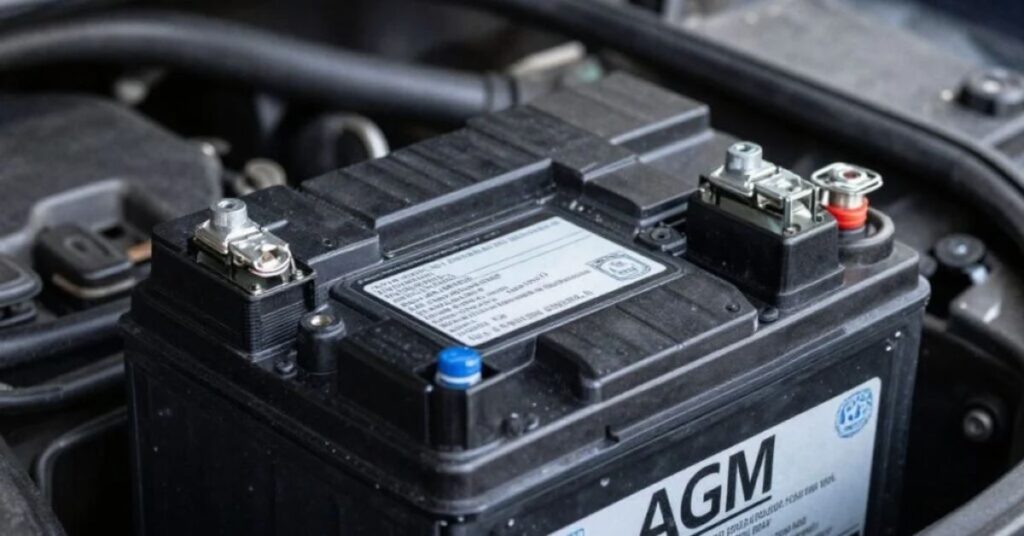
Battery technology also matters. Many modern BMW models use an AGM (Absorbent Glass Mat) battery to support start-stop systems and high electrical demands. Older or simpler models may use a conventional lead-acid battery. If your BMW originally came with an AGM battery, do not replace it with a standard battery without confirming compatibility. The replacement should meet BMW’s specifications for battery type and performance.
Before purchasing, compare reputable brands, warranty terms, and installation costs. Avoid choosing a battery based on price alone. Some BMW vehicles also require battery registration after installation. If you change the battery’s capacity or technology, coding may be necessary. Ask a qualified technician to confirm the correct specification and complete any required electronic setup. This helps your BMW’s charging system work properly with the new battery.
BMW Battery Replacement Steps
Start by parking your BMW on a flat surface and switching off the engine. Remove the key or keep the key fob away from the vehicle. Turn off all electrical accessories and wait for the car’s systems to shut down. Locate the battery, which is often in the boot beneath the floor panel in many BMW saloons and SUVs. Some models place it in the engine bay. Check your owner’s manual before removing any covers. Wear protective gloves and safety glasses during the process.
Use the correct tools to disconnect the battery terminals. Always disconnect the negative terminal first, followed by the positive terminal. This reduces the risk of an accidental short circuit. Remove the battery hold-down bracket and carefully lift out the old battery. Install the replacement in the same position and secure it firmly. Connect the positive terminal first, then connect the negative terminal. Make sure both connections are tight and the cables are correctly positioned.
After installation, check that the battery is secure and that the vehicle starts normally. Many modern BMW models require battery registration using a compatible diagnostic tool. This tells the vehicle that a new battery has been installed and helps its charging system manage battery ageing data correctly. If you install a battery with a different capacity or technology, coding may also be required. If you are unsure about the process, ask a BMW specialist to complete the replacement and electronic setup safely.
BMW Battery Types
BMW uses different battery types depending on the model, engine, and electrical system. The two main types are conventional lead-acid and AGM batteries. Many older BMW models use standard lead-acid batteries, while many newer models use AGM batteries to support start-stop technology and higher electrical demands. Some newer vehicles also use lithium-ion batteries for specific applications, especially in hybrid and electric models. The correct choice depends on the vehicle’s original specification, not just its age or size.
Each battery type has different strengths, costs, and charging requirements. A conventional lead-acid battery is often more affordable, but it may not suit a BMW designed for AGM technology. AGM batteries handle repeated charge and discharge cycles more effectively and are commonly fitted to vehicles with greater electrical demands. Lithium-ion batteries serve different purposes and should only be used when specified by the manufacturer. Check your BMW’s VIN, original battery label, or parts catalogue before buying a replacement.
| BMW Battery Type | Main Features | Common Applications | Key Advantage |
| Standard Lead-Acid | Uses liquid electrolyte and lead plates | Older BMW models and selected basic configurations | Usually lower purchase cost |
| AGM Battery | Absorbs electrolyte into glass-fibre mats | Many modern BMW 3 Series, 5 Series, and X models | Handles frequent charging cycles and high electrical loads |
| EFB Battery | Enhanced flooded design for improved cycling | Vehicles specifically designed for EFB batteries | Better cycle life than basic flooded batteries |
| 12V Lithium-Ion | Lightweight battery technology | Only selected vehicles or applications where specified | Lower weight and different charging characteristics |
| High-Voltage Lithium-Ion | Large battery pack that powers electric motors | BMW i3, i4, i5, i7, and plug-in hybrid models | Stores energy for electric driving |
Important: These applications are general examples, not a definitive fitment list. BMW battery specifications vary by model year, engine, market, and equipment. A high-voltage battery in an electric BMW is different from its 12V auxiliary battery. Never substitute one battery type for another without checking manufacturer requirements.
AGM vs. Lead-Acid Batteries
AGM and conventional lead-acid batteries are both used in BMW vehicles, but they work differently. A standard lead-acid battery contains liquid electrolyte and usually costs less. An AGM battery holds its electrolyte in glass-fibre mats. This design helps it handle repeated charging cycles and greater electrical demands. Many modern BMW models use AGM batteries to support start-stop systems and power features such as electronic controls and comfort access. However, AGM is not automatically the right choice for every BMW. Always follow the original battery specification.
The main difference is durability under demanding conditions, charging behaviour, and price. AGM batteries generally cost more, but they can perform better in vehicles with high electrical loads. Conventional batteries can work well in BMW models designed for them. Consider these points before choosing a replacement:
- Price: Conventional lead-acid batteries are usually cheaper than AGM batteries.
- Cycle life: AGM batteries generally tolerate repeated charging and discharging better.
- Electrical demand: AGM suits many BMWs with start-stop technology and extensive electronics.
- Maintenance: Both types are commonly sold as maintenance-free batteries.
- Compatibility: Match the battery type, capacity, and specifications recommended for your BMW.
- Registration: Many modern BMWs require battery registration after replacement. Changes in battery type or capacity may also require coding.
Tip: If your BMW originally uses an AGM battery, do not switch to a conventional lead-acid battery without confirming that the vehicle supports the change.
BMW Battery Replacement Steps
Start by parking your BMW on a flat surface and switching off the engine. Remove the key and turn off all electrical accessories. Wait for the vehicle’s electronic systems to shut down. In many BMW 3 Series and 5 Series models, the battery sits in the boot beneath the floor panel. Some models place it under the bonnet. Check your owner’s manual to find its exact location. Wear protective gloves and safety glasses before handling the battery.
Next, disconnect the negative terminal first, followed by the positive terminal. This helps reduce the risk of an electrical short circuit. Remove the battery holder and carefully lift out the old unit. Install a replacement with the correct capacity, dimensions, and battery technology. Secure it firmly in place. Connect the positive terminal first and then the negative terminal. Make sure both connections are tight. Never force a battery into a space that does not fit properly.
After installation, start your BMW and check for warning messages. Some vehicles may need the clock or other settings checked after battery replacement. Many modern BMW models also require battery registration through a diagnostic tool. Registration updates the vehicle’s battery management system. If you change the battery capacity or switch between AGM and conventional lead-acid technology, coding may also be necessary. If you are unsure about these steps, ask a qualified BMW technician to complete the replacement safely.
BMW Battery Registration
BMW battery registration is an electronic process that tells the car’s computer that a new battery has been installed. Many modern BMW models use an Intelligent Battery Sensor (IBS) to monitor battery condition, charge, and temperature. The charging system uses this information to manage battery performance. When you replace an old battery, registration helps the system update its battery ageing data. Without registration, the vehicle may continue using charging settings based on the previous battery.
The process usually requires a compatible BMW diagnostic tool or professional scanning software. A technician connects the tool to the vehicle’s diagnostic port and selects the battery registration function. The system then records the replacement. Registration is often required when replacing a battery with another of the same type and capacity. If you change the battery’s capacity or switch between AGM and conventional lead-acid technology, additional coding may be necessary. Requirements vary by BMW model and production year.
Skipping required registration can affect charging management and may contribute to battery wear. However, registration alone will not fix a faulty alternator, damaged wiring, or excessive power drain. Before replacing your BMW battery, check the vehicle’s exact requirements using its VIN or service information. A BMW specialist can confirm whether registration or coding is needed. Completing the correct procedure helps the charging system work with the new battery and reduces the risk of avoidable electrical problems.
Common Battery Problems
BMW car batteries can develop problems as they age or lose their charge. One common issue is slow engine starting. You may hear clicking sounds when pressing the start button, or the engine may fail to turn over. Some BMW models may also display a battery discharge warning on the dashboard or iDrive screen. These symptoms often appear after the car sits unused for several days. A weak battery is one possible cause, but a starter motor or charging system fault can produce similar signs.
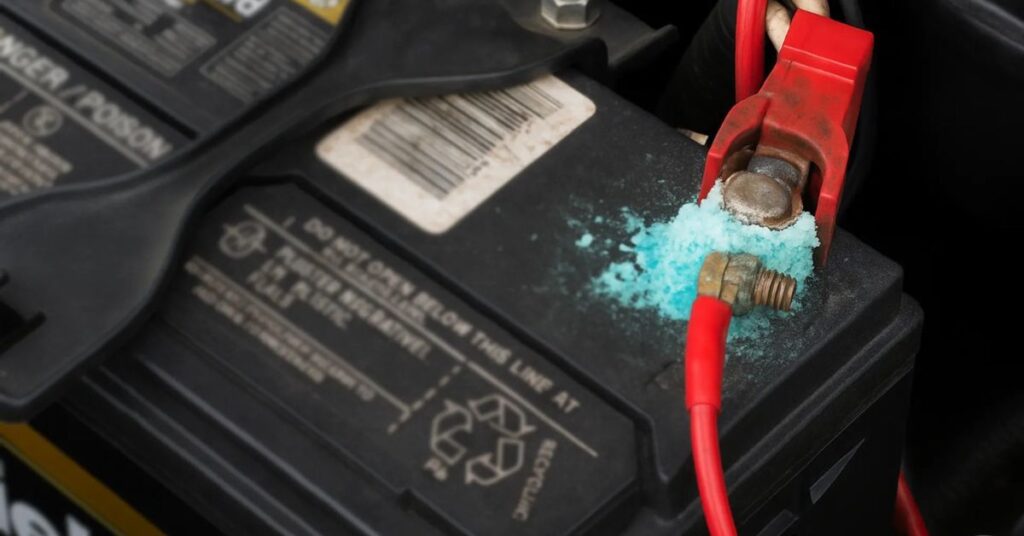
Another common problem is battery drain while the car is parked. BMW vehicles contain electronic modules that remain active for a short time after the engine stops. If a module fails to enter sleep mode, it may consume too much power. Frequent short trips can also leave the battery undercharged. In addition, loose terminals, corroded connections, and a faulty alternator can prevent proper charging. Hot weather may speed up battery ageing, while cold weather makes starting more difficult.
You can reduce these problems by checking the battery regularly and keeping its connections secure. If your BMW repeatedly shows a battery discharge warning, have the battery and charging system tested. A technician can measure battery health, check alternator output, and investigate excessive power consumption. Do not replace the battery immediately without testing it. The actual cause may be a faulty component or an electrical drain. Finding the correct cause can prevent repeat failures and unnecessary repair costs.
BMW Battery Maintenance
Regular BMW battery maintenance can help prevent starting problems and unexpected breakdowns. Check your battery for corrosion, loose connections, or visible damage. Many BMW models keep the battery in the boot, so inspect the area for moisture or signs of leakage. Keep the battery terminals clean and ensure the battery is firmly secured. Never open a sealed battery or add water unless the manufacturer specifically allows it. A damaged battery should be checked by a qualified technician.
Your driving habits also affect battery condition. Frequent short trips may not give the alternator enough time to replace the energy used during starting. If you leave your BMW parked for several weeks, use a compatible smart battery maintainer when appropriate. Connect it through the charging points recommended in your owner’s manual. Avoid leaving lights or accessories switched on when the engine is off. Hot weather can speed up battery ageing, while cold weather can reduce starting performance.
Battery testing is another important part of maintenance. Ask a technician to check battery health, charging voltage, and starting capacity during routine servicing. Modern BMW models may display an increased battery discharge warning when the charge becomes low. Do not ignore repeated warnings, even if the car still starts normally. Check for electrical drains if the battery keeps losing charge. Keeping the battery in good condition can reduce repair costs and improve everyday reliability.
BMW Battery Warranty and Coverage
BMW battery warranty coverage depends on the battery type, vehicle model, and country of purchase. A battery fitted in a new BMW may have coverage under the vehicle’s new-car warranty, subject to its terms and exclusions. A replacement battery purchased from an authorised BMW dealer may have a separate parts warranty. Coverage periods can differ between markets and battery products. Always check your warranty documents instead of assuming every BMW battery has the same protection.
A battery warranty usually covers qualifying manufacturing defects during the stated period. It may not cover normal battery aging, damage from improper installation, or problems caused by leaving the lights on. Deep discharge and incorrect charging can also affect a warranty claim. For high-voltage batteries in BMW electric and plug-in hybrid models, separate warranty terms may apply. These terms can include specific time limits and capacity conditions. They are different from the warranty for a standard 12-volt battery.
Before replacing your BMW battery, ask the dealer or supplier about the warranty period, mileage limits, and claim requirements. Keep the purchase receipt and installation record. If the battery fails early, a technician may need to test it to confirm the cause. For a used BMW, check whether any remaining battery coverage transfers to the new owner. Reading the exact warranty terms can help you avoid unexpected costs and understand which repairs qualify for coverage.
Conclusion
A BMW car battery plays an important role in starting the engine and powering electrical systems. Choosing the correct battery helps maintain reliable performance. Battery type, capacity, and size vary by BMW model. Regular testing can help you spot problems before the battery fails. You should also follow the recommended charging and maintenance steps to extend its life.
Before buying a replacement, check your BMW’s exact battery specifications. Consider the price, warranty, and installation costs. Many modern BMW models also require battery registration after replacement. Do not ignore warning messages or repeated starting problems. With the right battery and proper care, you can reduce unexpected breakdowns and avoid unnecessary repair expenses.
FAQs
1. How long does a BMW car battery last?
A BMW car battery typically lasts three to five years. Heat, short trips, and frequent battery discharge can shorten its lifespan.
2. How much does a BMW car battery cost?
A replacement battery may cost around 150–400 for the part, depending on the model, capacity, and battery type. Installation and registration may cost extra.
3. Does a BMW battery need registration after replacement?
Yes, many modern BMW models require battery registration. Some vehicles also need coding if the battery type or capacity changes.
4. Which battery type does a BMW use?
Many modern BMWs use AGM batteries, while some older models use conventional lead-acid batteries. The correct type depends on the vehicle’s original specifications.
5. What are the signs of a weak BMW battery?
Common signs include slow engine starting, clicking sounds, battery discharge warnings, and electrical problems. A battery test can help confirm the cause.
Related Posts
BMW X6: Complete Buyer’s Guide, Features, Price & Reliability
The BMW X6 is a luxury midsize SUV with a…
BMW i7 Interior: Luxury Features, Tech, and Comfort
The BMW i7 interior is the cabin space of BMW’s…
BMW Alpina XD3: A Powerful Luxury SUV Guide
The BMW Alpina XD3 is a high-performance luxury SUV. It…