
A BMW fuel pump delivers fuel from the tank to the engine. It supplies the correct amount of fuel for smooth engine operation. Most modern BMW models use an electric low-pressure fuel pump. Many petrol engines also use a high-pressure fuel pump to support direct injection.
A failing fuel pump can cause serious driving problems. Your BMW may struggle to start, lose power, or stop suddenly. You might also notice rough idling or poor acceleration. Recognizing these warning signs early can help you avoid expensive repairs and unexpected breakdowns.
This guide explains how a BMW fuel pump works and why it matters for engine performance. It also covers common symptoms, causes of failure, replacement costs, and maintenance tips. You will learn how to identify fuel pump problems and choose the right replacement for your BMW model.
BMW Fuel Pump Function
The BMW fuel pump delivers fuel from the fuel tank to the engine. It helps maintain the correct fuel supply for smooth performance. Without proper fuel delivery, the engine may struggle to start or run efficiently. A working fuel pump also supports consistent power during acceleration.
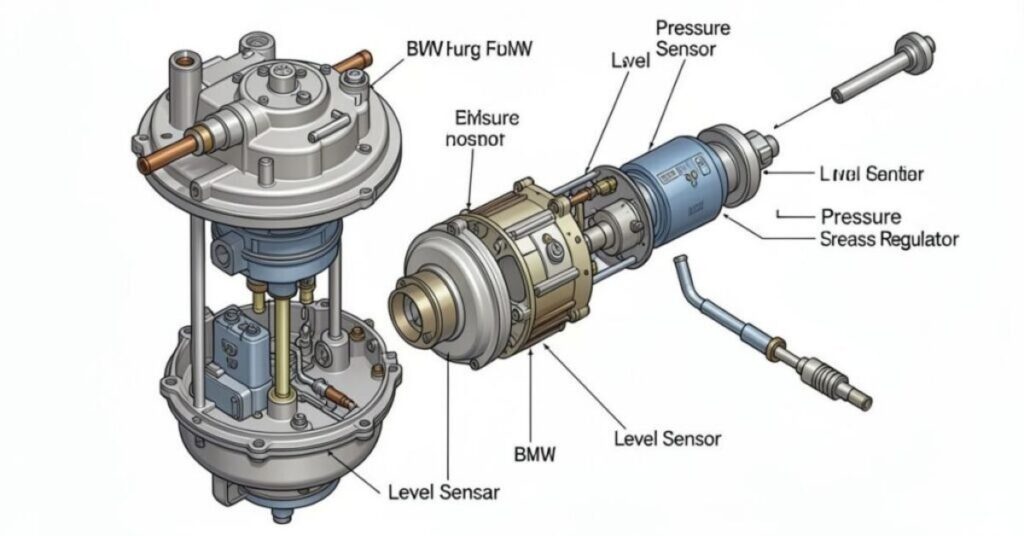
Most modern BMW models use an electric fuel pump to move fuel from the tank. Some petrol engines also use a high-pressure fuel pump for direct injection. The low-pressure pump sends fuel toward the engine, while the high-pressure pump raises fuel pressure to the level required by the injectors. Both systems help the engine receive fuel at the correct pressure.
A healthy BMW fuel pump supports reliable starting and steady engine operation. It also helps the engine respond properly when you press the accelerator. If the pump cannot deliver enough fuel, you may notice hesitation, power loss, or difficulty starting the car. Regular maintenance and early diagnosis can help prevent fuel delivery problems and costly repairs.
BMW Fuel Pump Types
BMW vehicles use different fuel pump types depending on the engine design. The two main types are low-pressure fuel pumps and high-pressure fuel pumps. The low-pressure pump usually sits inside the fuel tank. It sends fuel toward the engine at a steady pressure. Many BMW petrol and diesel models use this system.
A high-pressure fuel pump is common in BMW petrol engines with direct fuel injection. It raises fuel pressure before the injectors spray fuel into the combustion chambers. BMW engines such as the N54, N55, and B58 use high-pressure fuel pumps. However, the pump design and specifications can vary between engine versions. Some diesel engines also use high-pressure pumps to support their common-rail injection systems.
Choosing the correct BMW fuel pump depends on the model, engine, and production year. A low-pressure pump cannot replace a high-pressure pump because each serves a different purpose. Some repairs may require replacing the pump module or related components. Always check the vehicle identification number (VIN) and engine code before buying a replacement. This helps you avoid fitting an incompatible part.
BMW Fuel Pump Location
The BMW fuel pump is usually located inside the fuel tank. This design keeps the pump cool and helps it deliver fuel efficiently. In many BMW models, you can access the pump through a service opening beneath the rear seat or under the rear passenger area. However, the exact location depends on the model and production year.
Some BMW engines also use a high-pressure fuel pump in the engine bay. This pump is typically mounted on the engine and driven mechanically. For example, BMW petrol engines such as the N54 and N55 use an engine-mounted high-pressure fuel pump. Diesel models also have high-pressure pumps to supply fuel to their injection systems.
Before replacing a BMW fuel pump, check your vehicle’s exact configuration. The owner’s manual or a model-specific repair guide can help you locate the correct component. Some models have separate fuel pump units on both sides of the tank. Always follow proper safety procedures when accessing fuel system parts. If you are unsure about the location, ask a qualified BMW technician to inspect the vehicle.
Fuel Pump Failure Symptoms
A failing BMW fuel pump can cause several noticeable problems. One common sign is difficulty starting the engine. The car may crank for several seconds before starting or may not start at all. You might also notice rough idling or unexpected engine stalling. These symptoms can appear when the pump cannot deliver enough fuel to the engine.
Another warning sign is poor acceleration. Your BMW may hesitate when you press the accelerator or lose power at higher speeds. Some drivers also notice engine surging or reduced fuel efficiency. In certain cases, the dashboard may display a check engine light. However, these symptoms can also point to faulty injectors, clogged filters, or other engine problems.
Unusual noises from the fuel tank can also indicate a possible pump issue. A loud whining sound may suggest wear or restricted fuel flow. Do not ignore repeated starting problems or sudden power loss. A mechanic can check fuel pressure, electrical connections, and fault codes to identify the cause. Early diagnosis can help prevent further damage and reduce unexpected repair costs.
Common Fuel Pump Causes
A BMW fuel pump can fail for several reasons. One common cause is running the fuel tank too low too often. Fuel helps cool and lubricate many in-tank electric pumps. Low fuel levels can increase heat around the pump and may shorten its lifespan. Dirt and debris in the fuel tank can also restrict fuel flow and place extra strain on the system.
Electrical problems can also affect fuel pump performance. A weak battery, damaged wiring, a faulty relay, or a poor electrical connection may stop the pump from working correctly. In some BMW models, a failing fuel pump control module can also interrupt fuel delivery. These issues may cause starting problems or sudden engine stalling.
Wear and tear can damage a BMW fuel pump over time. Poor-quality fuel and a clogged fuel filter, when fitted separately, can also contribute to fuel delivery problems. High-pressure fuel pumps may develop faults due to internal wear or other fuel system issues. Regular inspections and prompt repairs can help you identify these problems early and keep your BMW running smoothly.
BMW Fuel Pump Problems
BMW fuel pump problems can affect engine performance and daily driving. Some owners experience long cranking times, rough idling, or sudden engine stalling. A weak pump may struggle to deliver enough fuel during acceleration. These problems can occur in older BMW models and newer vehicles with complex fuel delivery systems. However, similar symptoms can also come from faulty injectors, sensors, or electrical components.
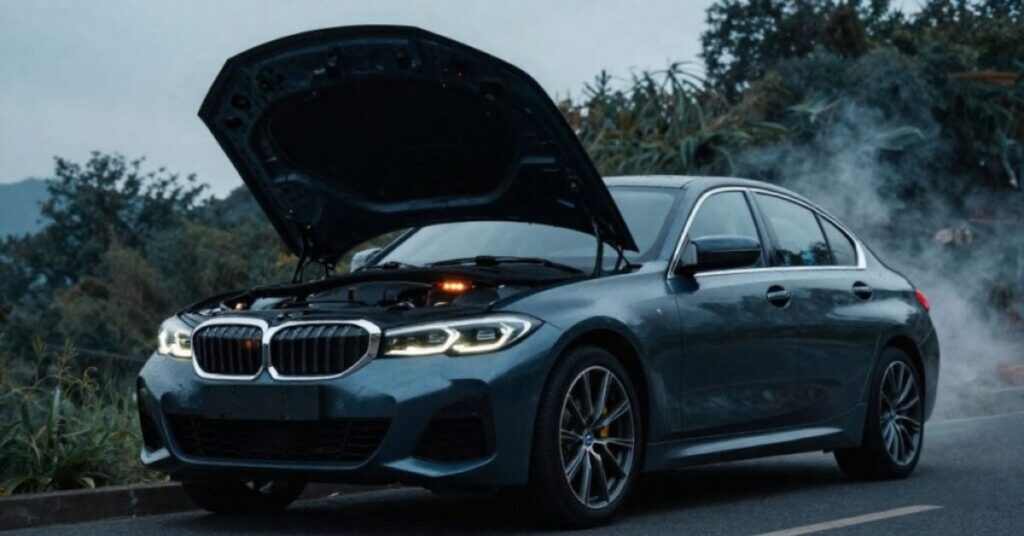
Certain BMW engines have experienced high-pressure fuel pump issues. For example, some early BMW models with the N54 twin-turbo engine became known for high-pressure fuel pump failures. BMW issued service actions and warranty extensions for certain affected vehicles and markets. Owners should check their vehicle identification number (VIN) to confirm whether any applicable service coverage remains available. Not every BMW with an N54 engine will develop this problem.
You should diagnose fuel pump problems before replacing any parts. A mechanic can measure fuel pressure, inspect electrical connections, and scan the engine control unit for fault codes. These tests help identify whether the low-pressure pump, high-pressure pump, or another component has failed. Prompt repairs can restore reliable fuel delivery and reduce the risk of unexpected breakdowns.
BMW Fuel Pump Cost
The cost of a BMW fuel pump depends on the model, engine, and pump type. A low-pressure fuel pump usually costs less than a high-pressure fuel pump. Older BMW models may have more affordable replacement options. Newer models can cost more because they use advanced fuel systems. The price also varies between original BMW parts and aftermarket alternatives.
In general, a low-pressure fuel pump may cost around $150 to $500 for the part alone. A high-pressure fuel pump may cost approximately $300 to $1,000 or more, depending on the engine and supplier. Labor adds to the total bill. Some repairs also require new seals, connectors, or related components. These figures are estimates, not fixed prices, and actual costs can vary by country and vehicle.
Before buying a BMW fuel pump, compare prices from trusted suppliers and repair shops. Ask whether the quote includes parts, labor, and diagnostic testing. Check the part number against your BMW’s VIN to avoid buying an incompatible pump. If you live in Pakistan, import duties, shipping fees, and local availability can affect the final price. A proper diagnosis can also prevent unnecessary replacement costs.
Fuel Pump vs. Fuel Injector
A BMW fuel pump and a fuel injector perform different jobs in the engine. The fuel pump moves petrol or diesel from the tank toward the engine. It also provides the pressure needed for fuel delivery. In direct-injection engines, a high-pressure fuel pump raises the pressure before the fuel reaches the injectors. Without proper fuel pressure, the engine may struggle to start or produce enough power.
A fuel injector sprays a controlled amount of fuel into the engine at the correct time. A faulty injector can cause rough idling, misfires, poor fuel economy, or increased exhaust emissions. A failing fuel pump may cause hard starting, hesitation, or power loss because it cannot supply enough fuel. Both parts affect engine performance, but they require different tests and repairs.
| Feature | BMW Fuel Pump | BMW Fuel Injector |
| Main function | Moves fuel from the tank toward the engine | Sprays fuel into the engine |
| Location | Usually inside the fuel tank for the low-pressure pump | Mounted near the intake ports or combustion chambers, depending on the engine |
| Fuel pressure | Supplies fuel at the pressure required by the system | Uses the available pressure to deliver fuel in a controlled spray |
| Main types | Low-pressure and high-pressure pumps | Port-injection and direct-injection injectors |
| Common problems | Weak fuel delivery, electrical faults, or internal wear | Clogging, leakage, or electrical faults |
| Warning signs | Hard starting, hesitation, stalling, or power loss | Misfires, rough idle, fuel smell, or uneven engine performance |
| Effect on acceleration | May limit power when fuel demand increases | May cause hesitation or misfires during acceleration |
| Diagnostic tests | Fuel-pressure testing, electrical checks, and fault-code scans | Injector testing, electrical checks, and leak or spray-pattern tests |
| Repair options | Repair related wiring or replace the faulty pump or module | Clean when appropriate or replace a faulty injector |
| Replacement cost | Varies by pump type, engine, and model | Varies by injector type, engine, and model |
| Maintenance | Keep adequate fuel in the tank and address fuel-system faults early | Use suitable fuel and follow recommended maintenance procedures |
| Can one replace the other? | No. It supplies fuel to the system | No. It delivers measured fuel into the engine |
Repair vs. Replacement
Repairing a BMW fuel pump can save money when the problem comes from a loose connection, faulty wiring, or a damaged electrical component. A mechanic should inspect the fuel system before replacing the pump. Sometimes, a clogged filter or a faulty fuel pump control module causes similar symptoms. Fixing the actual problem can restore fuel delivery without installing a new pump.
Replacing the BMW fuel pump is usually the better option when the pump has worn out or cannot maintain the required fuel pressure. A damaged internal pump often needs complete replacement. The right choice depends on the fault, repair cost, and availability of parts. Consider these points before making a decision:
- Choose repair when wiring, connectors, or other serviceable components cause the problem.
- Choose replacement when the pump has internal damage or repeatedly fails testing.
- Compare costs by checking parts, labor, and diagnostic charges.
- Use compatible parts that match your BMW’s model, engine, and VIN.
- Request proper testing after the repair to confirm correct fuel pressure and reliable operation.
Choosing the Right Fuel Pump
Choosing the right BMW fuel pump starts with your car’s exact specifications. The model, production year, and engine type all matter. A BMW 320i may use a different pump from a 330i, even within the same generation. You should check your vehicle identification number (VIN) before ordering a replacement. This helps you find a pump that fits your fuel system and meets the required pressure.
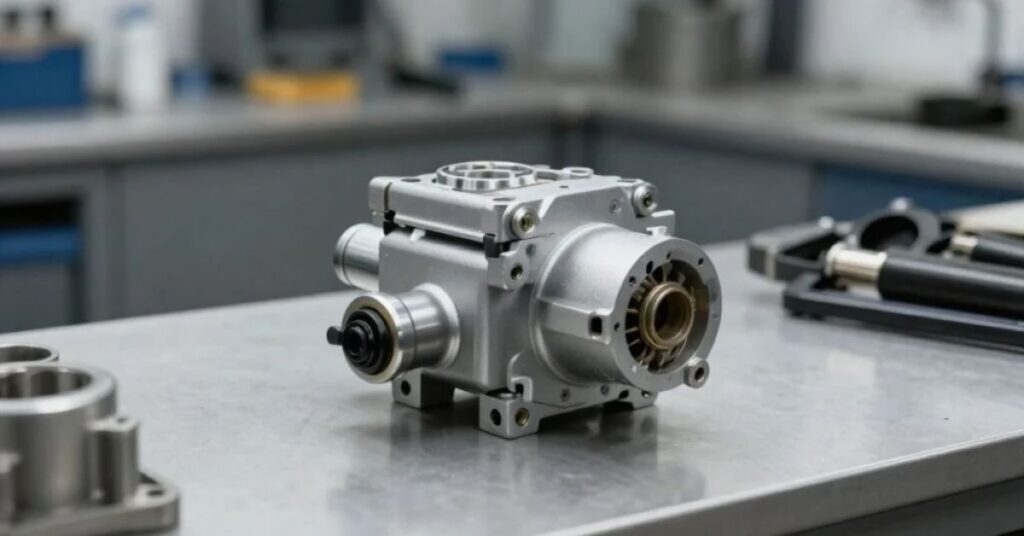
You should also decide between an original BMW part and a quality aftermarket option. Original parts can offer a direct fit, but they may cost more. Trusted aftermarket brands can provide suitable alternatives when they match the original specifications. Check the part number, warranty, and supplier reputation before buying. Avoid cheap pumps with unclear specifications because poor fuel delivery can affect engine performance.
Finally, confirm whether your BMW needs a low-pressure or high-pressure fuel pump. These components perform different jobs and cannot replace each other. Ask a qualified mechanic to diagnose the fault before purchasing any part. Compare the total cost of the pump, labor, and installation. The right choice can help your BMW start reliably and maintain consistent engine performance.
BMW Fuel Pump Replacement
Replacing a BMW fuel pump starts with identifying the exact problem. A mechanic should check fuel pressure, electrical connections, and fault codes before removing any parts. The low-pressure fuel pump is usually inside the fuel tank. Depending on the model, a technician may access it through an opening beneath the rear seat or from another service area. The replacement process varies by BMW model and engine type.
During replacement, the mechanic removes the necessary covers and disconnects the fuel system safely. They then remove the faulty pump and install a compatible replacement. The technician should inspect the seals, connectors, and fuel lines for damage. High-pressure fuel pumps require a different procedure because they connect directly to the engine’s fuel injection system. A qualified BMW technician should handle this work.
After installation, the mechanic checks for fuel leaks and confirms that the pump delivers the correct pressure. They may also scan the vehicle for fault codes and test the engine under suitable conditions. Always use a fuel pump that matches your BMW’s engine and VIN. Proper installation helps restore reliable starting, smooth acceleration, and consistent engine performance.
Fuel Pump Maintenance Tips
Regular care can help your BMW fuel pump work reliably for longer. Keep enough fuel in the tank instead of driving with the warning light on frequently. Fuel helps cool many electric pumps located inside the tank. Also, buy fuel from trusted stations to reduce the risk of contamination. Poor-quality fuel can introduce dirt or water into the fuel system.
Pay attention to changes in engine performance. Hard starting, hesitation, or sudden power loss may indicate a fuel delivery problem. Have a mechanic inspect the pump, wiring, and fuel pressure when these symptoms appear. Replace the fuel filter according to your BMW’s maintenance requirements if your model has a serviceable filter. Do not ignore unusual whining noises from the fuel tank.
Use the correct fuel grade for your BMW and follow the maintenance schedule in your owner’s manual. Avoid replacing the pump without confirming the cause of the problem. A proper diagnosis can prevent unnecessary expenses. If you notice fuel leaks or a strong smell of petrol, stop driving when it is safe and arrange a professional inspection. These simple steps can help maintain reliable fuel delivery and engine performance.
BMW Fuel Pump Testing
Testing a BMW fuel pump helps identify fuel delivery problems before they become serious. A mechanic usually starts by checking the battery, fuses, wiring, and fuel pump connections. These parts can cause similar symptoms when they fail. The mechanic may also scan the vehicle for fault codes. This first step helps narrow down the possible cause without replacing unnecessary parts.
The next step is to measure fuel pressure. A low-pressure fuel pump must deliver fuel within the range specified for that BMW model. If the vehicle uses a high-pressure fuel pump, the mechanic may check its pressure readings through diagnostic equipment. Some BMW models allow live fuel pressure data through a compatible scan tool. Incorrect readings can point to a weak pump, a blocked fuel supply, or another faulty component.
After testing, the mechanic compares the results with the manufacturer’s specifications. They may inspect fuel delivery under different operating conditions to find problems that appear during acceleration. If the pump fails the required tests, replacement may be necessary. However, a faulty sensor, control module, or wiring connection can also affect fuel pressure. Accurate testing helps ensure that your BMW receives the correct repair.
Conclusion
The BMW fuel pump plays an important role in engine performance and reliability. It delivers fuel at the pressure the engine needs to run smoothly. A failing pump can cause hard starting, poor acceleration, and sudden stalling. Regular inspections and early diagnosis can help prevent unexpected breakdowns. Choosing the correct replacement also protects your BMW’s fuel system.
Always pay attention to warning signs and have problems checked by a qualified mechanic. Test the fuel system before replacing any parts. Use quality components that match your BMW’s model and engine. Proper maintenance can reduce repair costs and support reliable performance. With the right care, your BMW can deliver a smoother and more dependable driving experience.
FAQs
1. How long does a BMW fuel pump last?
A BMW fuel pump may last around 100,000 miles or more, depending on driving habits, fuel quality, and maintenance.
2. What are the common signs of a failing BMW fuel pump?
Common signs include hard starting, engine stalling, poor acceleration, hesitation, and loss of power.
3. How much does a BMW fuel pump cost?
A replacement pump may cost $150 to $1,000 or more, depending on the pump type, engine, and model. Labor costs extra.
4. Can I drive my BMW with a faulty fuel pump?
Driving with a faulty pump is risky because the engine may lose power or stall. Arrange a professional inspection as soon as possible.
5. Can I replace a BMW fuel pump myself?
Replacement is possible for experienced DIY mechanics, but fuel systems require careful handling. Professional installation is safer if you lack the proper tools and experience.
Related Posts

BMW X8 Review: Specs, Features, Price, and Performance
BMW X8 is an upcoming luxury SUV expected to sit…

BMW Hybrid Models: Performance, Range, and Features
BMW hybrid models combine a gasoline engine with electric power.…