
BMW is one of the most famous car brands in the world. The name BMW stands for Bayerische Motoren Werke. It is a German company known for luxury cars, sporty performance, and modern technology. BMW produces a wide range of vehicles for different types of drivers.
But what makes BMW so popular around the world? From powerful sports cars to practical SUVs and electric vehicles, the brand offers something for a wide range of people. Its iconic design, driving experience, and long history have helped BMW build a strong reputation.
This guide provides a comprehensive introduction to the BMW brand. You will learn about its history, popular models, technology, performance, and future direction. It will help you understand why BMW remains an important name in the automotive world.
About BMW and Its Global Identity
BMW is a well-known German automobile brand with a strong global presence. The company is famous for building luxury cars, SUVs, motorcycles, and electric vehicles. Its vehicles are sold in many countries around the world. BMW has become a symbol of quality, performance, and premium design.
The brand has a strong identity that focuses on driving pleasure. BMW is often linked with sporty handling, powerful engines, and modern technology. Its famous logo and distinctive kidney grille are recognized by many people. These features help BMW stand out from other car brands.
Today, BMW continues to grow in the global automotive market. The company is investing in electric mobility and new digital technology. It also focuses on sustainability and future transportation. Despite changing trends, BMW continues to maintain its image as a premium and innovative brand.
BMW History
BMW has a long and interesting history that began in Germany in 1916. The company first produced aircraft engines before moving into motorcycles and cars. Over time, BMW became an important name in the automotive industry. Its early engineering work helped build the foundation of the brand.
BMW started producing motorcycles in the 1920s and later entered the car market. The company faced many challenges during different periods of its history. However, BMW continued to develop new vehicles and improve its technology. It gradually became known for sporty and premium cars.
Today, BMW is one of the leading luxury vehicle brands in the world. Its history includes many famous models and important innovations. The company has also moved into electric vehicles and modern mobility solutions. BMW continues to combine its long heritage with new ideas for the future.
Is BMW German
Yes, BMW is a German automobile company. The brand was founded in Germany and has its headquarters in Munich, Bavaria. The name BMW stands for Bayerische Motoren Werke, which means Bavarian Motor Works in English.
BMW has a strong connection to German engineering and automotive history. The company is known for producing luxury cars, motorcycles, SUVs, and electric vehicles. German engineering has played an important role in shaping the quality and performance of BMW vehicles.
Today, BMW operates as a global brand with factories and customers around the world. However, its German roots remain an important part of its identity. It continues to represent a combination of German engineering, innovation, performance, and premium design.
BMW stands for
BMW stands for Bayerische Motoren Werke. In English, this means Bavarian Motor Works. The name reflects the company’s roots in Bavaria, Germany. BMW was founded in 1916 and has grown into a famous global brand.
The BMW name is closely connected with engineering and performance. The company first produced aircraft engines before expanding into motorcycles and cars. Over the years, BMW developed a strong reputation for quality and innovation.
Today, BMW stands for more than just its full name. For many people, it represents luxury, sporty driving, and advanced technology. The brand continues to create modern vehicles while maintaining its strong German heritage.
Who Makes BMW?
BMW vehicles are made by the BMW Group, a German automotive company headquartered in Munich. The company designs and produces BMW cars, SUVs, electric vehicles, and motorcycles. BMW Group is also the parent company of MINI and Rolls-Royce Motor Cars.
BMW does not build every vehicle in one location. The company operates production plants in several countries, including Germany, the United States, China, Mexico, and the United Kingdom. Different BMW models are produced at different factories for global markets.
The BMW brand remains closely connected to German engineering and development. Many important design and engineering decisions come from BMW’s operations in Germany. However, its global production network allows the company to build vehicles closer to customers in major markets around the world.
BMW Logo Meaning
The BMW logo is one of the most recognizable symbols in the car industry. It features a circular design with blue and white sections in the center. These colors are linked to Bavaria, the German region where BMW was founded. The outer black ring carries the letters BMW.
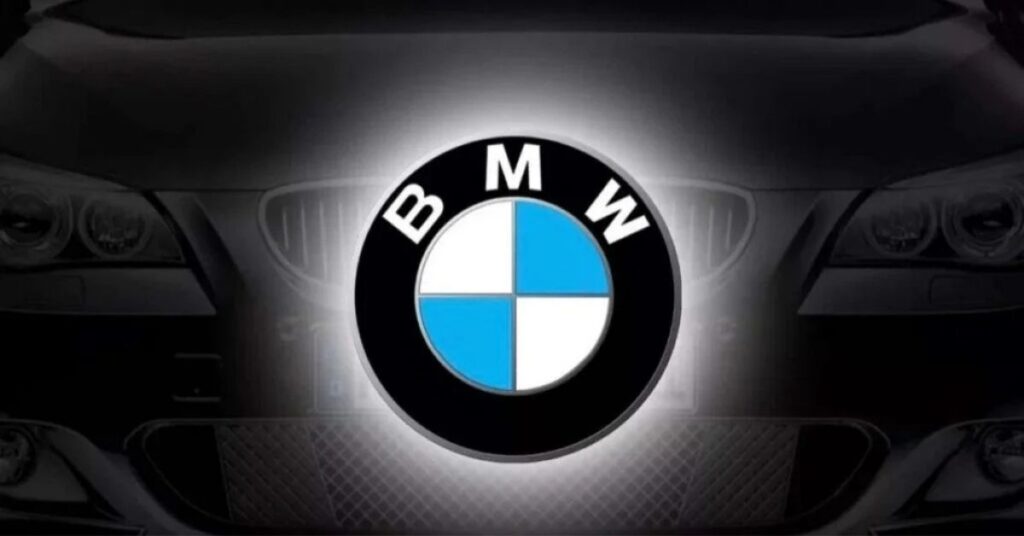
Many people believe the logo represents a spinning airplane propeller. This idea became popular after a BMW advertisement in 1929 showed the logo in front of rotating propeller blades. However, the blue and white design originally came from the colors associated with Bavaria.
The BMW logo also reflects the brand’s long history and identity. Its basic design has remained recognizable for more than a century. Over time, BMW has modernized the logo while keeping its famous circular shape. Today, it represents the brand’s connection to German engineering, heritage, and innovation.
BMW Models Overview
BMW offers a wide range of vehicles for different types of drivers. Its lineup includes sedans, coupes, SUVs, electric cars, and high-performance models. The popular number series includes the 2 Series, 3 Series, 4 Series, 5 Series, and 7 Series. These models vary in size, performance, and luxury features.
BMW also has a strong range of Sports Activity Vehicles, commonly known as SUVs. Models such as the X1, X3, X5, and X7 offer more space and practicality. For performance-focused drivers, BMW M models provide stronger engines, sharper handling, and sportier designs.
Electric mobility is also an important part of the BMW lineup. The i Series includes models such as the i4, i5, i7, and iX. BMW continues to expand its range with hybrid and fully electric options. This gives buyers more choices based on their driving needs and preferences.
BMW Model Series Overview Table
BMW offers several model series designed for different needs. The lineup includes compact cars, luxury sedans, sporty coupes, SUVs, and electric vehicles. Each series has its own size, purpose, and driving character.
The table below gives a broad overview of major BMW model families. It helps readers understand where each model fits in the BMW range.
Table
| BMW Series | Popular Models | Vehicle Type | Main Purpose | Key Characteristics |
| 1 Series | 118i, 120 | Hatchback | Compact daily driving | Small size, practical cabin, efficient engines |
| 2 Series | 2 Series Coupe, Gran Coupe | Coupe / Sedan | Sporty compact driving | Sporty design, agile handling, premium features |
| 3 Series | 320i, 330i, M3 | Sedan / Touring | Executive and daily use | Balanced performance, comfort, and technology |
| 4 Series | Coupe, Convertible, Gran Coupe | Coupe | Stylish performance | Sporty appearance and dynamic driving |
| 5 Series | 520i, 530i, i5 | Sedan / Touring | Business and luxury travel | Spacious interior and advanced technology |
| 7 Series | 740i, 760i, i7 | Luxury Sedan | Premium comfort | High-end luxury, advanced features, large cabin |
| 8 Series | Coupe, Gran Coupe, Convertible | Grand Tourer | Luxury performance | Powerful engines and premium styling |
| X1 | X1 | Compact SUV | Urban family use | Practical size and modern technology |
| X3 | X3 | Mid-size SUV | Everyday versatility | Balanced space, comfort, and performance |
| X5 | X5 | Luxury SUV | Family and long-distance travel | Spacious cabin and powerful engine options |
| X7 | X7 | Large Luxury SUV | Maximum space | Three-row seating and premium comfort |
| XM | XM | Performance SUV | High-performance luxury | M power with bold SUV design |
| i4 | i4 | Electric Gran Coupe | Electric daily driving | Sporty design and zero tailpipe emissions |
| i5 | i5 | Electric Sedan | Premium electric travel | Comfort, technology, and strong performance |
| i7 | i7 | Electric Luxury Sedan | Flagship electric luxury | Advanced comfort and premium technology |
| iX | iX | Electric SUV | Modern electric mobility | Spacious design and advanced electric platform |
| M Models | M2, M3, M4, M5 | Performance Cars | High-performance driving | Powerful engines and track-inspired engineering |
BMW Fastest Car
The title of BMW’s fastest car can depend on how speed is measured. The BMW M8 Competition is among the fastest production BMW models. Its electronically limited top speed is usually 250 km/h, while the optional M Driver’s Package can raise the limit to 305 km/h. Its powerful twin-turbocharged V8 also delivers extremely quick acceleration.

Historically, the BMW M5 CS is another standout high-performance model. It can accelerate from 0 to 100 km/h in around 3 seconds. BMW has also produced special models with higher top-speed capabilities. These cars show the engineering focus of the BMW M division.
Modern electric BMW models are also becoming very fast. The BMW i7 M70 and i5 M60 offer strong instant torque and rapid acceleration. However, the fastest BMW is not always the most powerful model. Top speed, acceleration, electronic limits, and optional performance packages can all change the result.
Largest BMW SUV
The BMW X7 is the largest regular production SUV in the BMW lineup. It is a full-size luxury SUV with three rows of seating. Depending on the configuration, it can carry up to seven passengers. Its large body and spacious cabin make it suitable for families and long-distance travel.
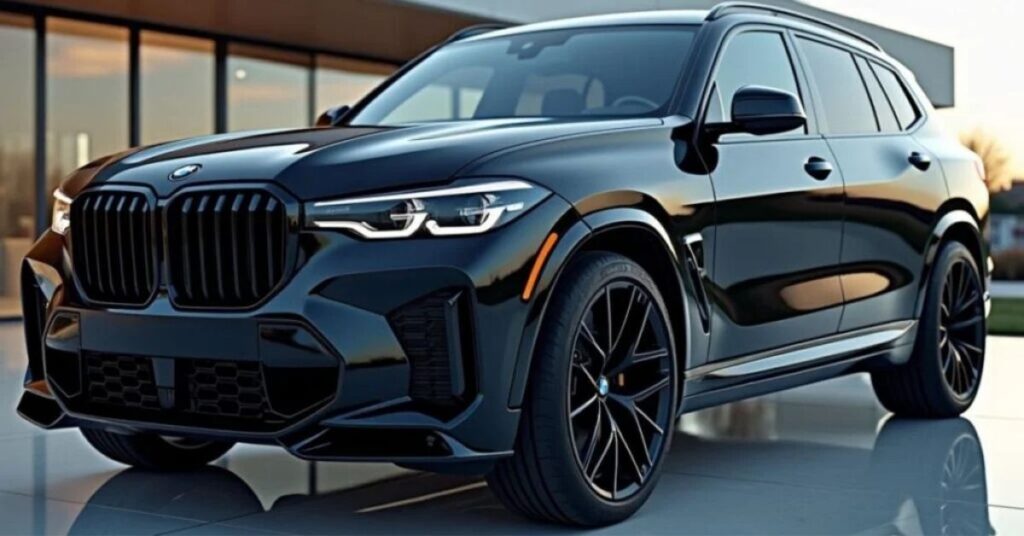
The X7 sits above models such as the X1, X3, and X5 in terms of size and interior space. It offers generous room for passengers, especially in the first and second rows. The vehicle also provides a large cargo area, although space changes when all three rows are in use.
BMW offers the X7 with powerful engine options and advanced luxury features. Higher trims can include strong six-cylinder or V8 engines, premium interior materials, and modern driver-assistance systems. For buyers looking for the biggest combination of BMW luxury, space, and practicality, the X7 is the brand’s flagship three-row SUV.
BMW Standard Warranty
BMW provides a standard warranty to protect buyers against certain manufacturing defects and covered repairs. The exact warranty terms can vary by country and market. In many regions, BMW includes coverage for a specific number of years or a mileage limit. Owners should check their local BMW warranty booklet for the exact details.
The standard warranty generally covers defects in materials and workmanship. Authorized BMW service centers usually complete these repairs using approved parts. However, BMW may not cover normal wear items or damage from accidents, misuse, or poor maintenance.
BMW may also offer separate coverage for batteries, corrosion, and roadside assistance. Electric and plug-in hybrid models can have different battery warranty terms. Warranty coverage is an important part of ownership, especially for a premium vehicle. Reading the official terms helps owners understand what protection they receive.
BMW Most Expensive Car
The BMW 3.0 CSL is among the most expensive modern BMW road cars. This limited-production model was created to celebrate the 50th anniversary of BMW M. Only 50 units were produced, making it extremely rare and exclusive. Its reported price was around €750,000 before taxes, depending on the market.
The car is based on the BMW M4 but features major performance and design changes. It uses a 3.0-liter twin-turbocharged inline-six engine with a manual transmission. BMW also gave it lightweight body panels, special aerodynamics, and a unique racing-inspired appearance.
When discussing the most expensive BMW ever sold, classic and rare models can reach even higher prices at auctions. The BMW 507 Roadster is one famous example, with exceptional cars selling for millions of dollars. This shows that BMW’s highest-value cars are often rare limited editions or historically important classics rather than regular production models.
BMW Engine and Performance
BMW offers different engine types across its vehicle range. These include turbocharged three-cylinder, four-cylinder, six-cylinder, and V8 engines. Many BMW models are known for using inline-six engines, which have become an important part of the brand’s engineering history. The company also produces hybrid and fully electric powertrains.
Performance varies greatly between BMW models. Smaller engines focus on fuel efficiency and daily driving. Larger engines provide stronger acceleration and higher power output. BMW M models take performance further with upgraded engines, cooling systems, suspension parts, and braking technology.
BMW also focuses on how a car feels on the road. Rear-wheel drive and all-wheel-drive xDrive systems are available across many models. Modern vehicles use advanced transmissions and electronic systems to improve power delivery. This combination helps BMW balance performance, handling, comfort, and everyday usability.
BMW Design Philosophy
BMW design focuses on creating cars that look sporty, modern, and recognizable. The company combines clean body lines with strong proportions. Many BMW models use a long hood and a driver-focused shape. This design approach connects modern vehicles with the brand’s older models.
The kidney grille is one of BMW’s most recognizable design features. It has changed in size and shape over the years. Other key elements include the Hofmeister kink near the rear side window and a strong stance on the road. These details help give BMW vehicles a distinct identity.
BMW also designs its interiors around the driver. Controls and displays are placed to support easy access and clear visibility. Modern models now use larger digital screens and fewer physical buttons. The overall philosophy combines traditional BMW character with new technology and changing customer needs.
BMW Technology and Features
BMW uses technology to improve comfort, safety, and the driving experience. Modern models include digital displays, advanced infotainment systems, and connected services. The BMW Curved Display combines driver information and infotainment into one modern screen setup. Many models also support smartphone integration and voice control.
Driver assistance is another important part of BMW technology. Features can include parking assistance, adaptive cruise control, lane guidance, and collision warning systems. The availability of these features depends on the model and market. They are designed to make everyday driving easier and safer.
BMW is also investing heavily in electric and digital technology. Its electric models use advanced battery systems and efficient electric motors. Features such as over-the-air software updates allow some vehicle systems to receive improvements remotely. It continues to combine traditional driving performance with new technology for modern drivers.
BMW Electric and Hybrid Vehicles
BMW has expanded its electric vehicle range under the BMW i brand. Models such as the i4, i5, i7, and iX use fully electric powertrains. They produce instant torque and offer quiet driving. Battery size, range, and performance vary between models.
BMW also offers plug-in hybrid vehicles. These models combine a petrol engine with an electric motor and rechargeable battery. The electric system can handle shorter trips with zero tailpipe emissions while the petrol engine provides extra range for longer journeys. This setup gives drivers more flexibility.
BMW continues to develop its electric and hybrid technology. The company is improving battery efficiency, charging systems, and electric motor performance. Its newer vehicles also use software and connected features to manage energy use more effectively. This shows how BMW is moving from traditional engines toward a more electrified lineup.
BMW Brands and Subsidiaries
BMW Group manages several well-known automotive brands. The main brand is BMW, which covers premium cars, SUVs, electric vehicles, and performance models. The group also owns MINI and Rolls-Royce Motor Cars, giving it a presence across different parts of the luxury vehicle market.
MINI focuses on small cars with a distinctive British-inspired character. Rolls-Royce Motor Cars operates at the ultra-luxury end of the market. BMW Group also has BMW Motorrad, its motorcycle division. Each brand has its own design language and customer focus.
BMW Group’s brands are managed separately but benefit from the group’s global resources and technology. BMW Motorrad develops motorcycles, while the car brands focus on their own vehicle segments. This structure allows BMW Group to serve different customers without giving every brand the same identity.
BMW Manufacturing Plants Worldwide
BMW operates a global production network, with major plants in Germany and other countries. Its German manufacturing locations include Munich, Dingolfing, Regensburg, and Leipzig. These plants build different BMW models and components for markets around the world.
BMW also has important production facilities outside Germany. The Spartanburg plant in South Carolina is a major BMW SUV production site. BMW also operates vehicle plants in China, Mexico, and South Africa. Each location supports production for specific models and regional markets.
This global network helps BMW produce vehicles closer to its customers. It also allows the company to use specialized factories for different vehicle types. For example, Spartanburg has a strong focus on BMW X models. BMW continues to develop its factories as electric vehicles and new production technologies become more important.
BMW Headquarters and Origin
BMW’s headquarters is located in Munich, Bavaria, Germany. The famous BMW Group headquarters building stands near the company’s BMW Museum and BMW Welt. Munich remains an important center for BMW’s management, design, engineering, and corporate activities.
BMW’s roots also go back to Munich. The company traces its official founding to 7 March 1916. Its early history was connected to aircraft-engine production. BMW later moved into motorcycle production and then automobile manufacturing, which shaped the company we know today.
The Munich location remains closely connected to BMW’s identity. The city’s BMW Group plant is also one of the company’s historic production sites. From its Bavarian origin, BMW has developed into a global automotive group while keeping Munich at the heart of its operations.
BMW Competitors in the Market
BMW competes mainly with other premium German automakers. Mercedes-Benz and Audi are its closest rivals in the luxury car market. They compete across sedans, SUVs, electric vehicles, and performance cars. Each brand has its own approach to design, technology, and driving comfort.
BMW also faces competition from brands such as Porsche, Lexus, and Genesis. Porsche has a strong focus on performance and sports cars. Lexus is known for comfort and hybrid technology. Genesis has grown in the premium market with modern designs and luxury features.
The competition is becoming stronger as more brands develop electric vehicles. BMW’s i4, i5, i7, and iX compete with electric models from several luxury manufacturers. BMW therefore needs to keep improving battery technology, software, performance, and interior quality. Its long engineering history remains an important part of its market identity.
Future of BMW
The future of BMW is closely linked to electric mobility and digital technology. BMW is expanding its electric vehicle lineup across different segments. The company is also developing new vehicle platforms and battery technology. These efforts aim to improve range, efficiency, and performance.
Software will also play a bigger role in future BMW vehicles. Connected services, digital controls, and remote software updates are becoming more important. BMW is working to make its vehicles more intelligent and easier to update. This could allow new functions to be added during a vehicle’s ownership.
BMW is also focusing on more efficient manufacturing and lower environmental impact. The company is investing in new production methods and renewable energy at selected facilities. At the same time, BMW plans to keep its focus on driving performance. Its future strategy combines electrification, digital innovation, sustainability, and the driving character associated with the brand.
Conclusion
BMW has grown from its Bavarian roots into a global automotive brand. Its history is closely linked with engineering, performance, and distinctive design. From classic petrol engines to modern electric vehicles, BMW has continued to change with the automotive industry.
Today, BMW is focusing on electric mobility, digital technology, and more efficient production. At the same time, it continues to protect the driving character that made the brand famous. This mix of heritage and new technology will remain important as BMW moves into the future.
FAQs
1. What does BMW stand for?
BMW stands for Bayerische Motoren Werke, which means Bavarian Motor Works in English.
2. Is BMW a German company?
Yes. BMW was founded in Bavaria, Germany, and its headquarters are in Munich.
3. What is BMW best known for?
BMW is best known for premium vehicles, sporty driving, engineering, and distinctive design.
4. What brands does BMW Group own?
BMW Group owns BMW, MINI, and Rolls-Royce Motor Cars. It also operates BMW Motorrad for motorcycles.
5. What is the future of BMW?
BMW is focusing on electric vehicles, digital technology, software, and more efficient production.
Related Posts
BMW i7 Interior: Luxury Features, Tech, and Comfort
The BMW i7 interior is the cabin space of BMW’s…
BMW Z3: Performance, Design, and Comfort
The BMW Z3 is a classic two-seat sports car from…
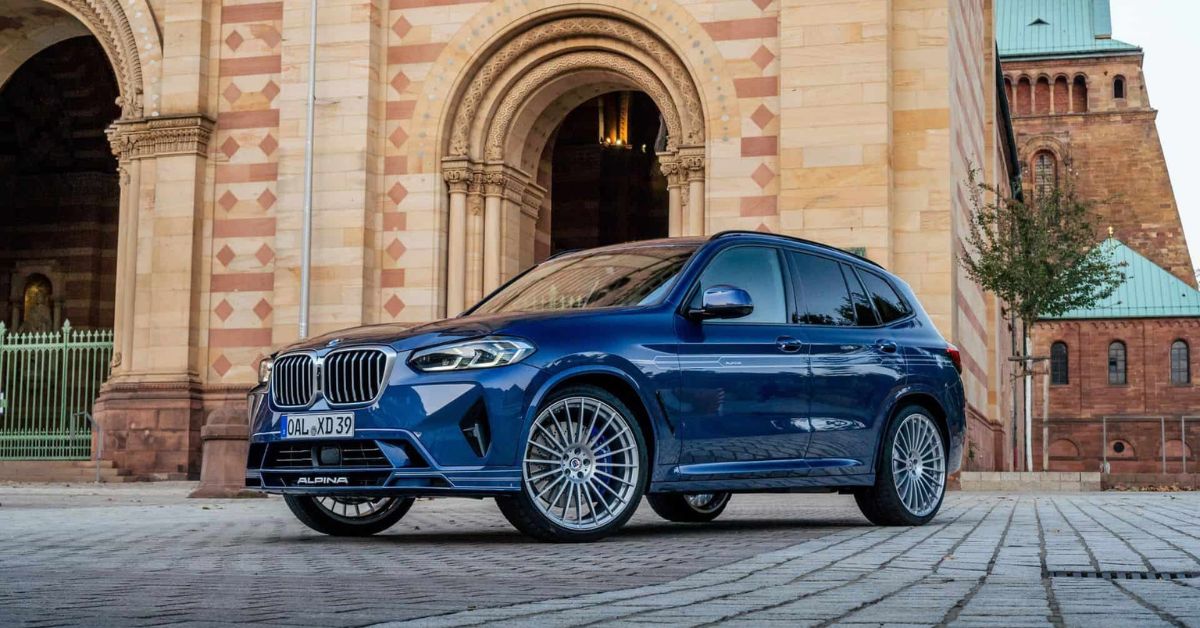
BMW Alpina XD3: A Powerful Luxury SUV Guide
The BMW Alpina XD3 is a high-performance luxury SUV. It…
One Reply to “BMW Introduction: A Complete Guide to the Brand”