
BMW engine oil is an important fluid that keeps the engine running smoothly. It lubricates moving parts and reduces friction. Good engine oil also helps control heat and protect the engine from wear.
Choosing the right oil can make a big difference in your BMW’s performance. The wrong oil may affect engine efficiency and long-term reliability. That is why knowing which engine oil suits your BMW is important.
This guide explains the best BMW engine oil options for smooth performance. It covers oil types, viscosity grades, benefits, and how to choose the right oil. You will also learn why regular oil changes are important for engine care.
BMW Engine Oil Basics
BMW engine oil is an important fluid that keeps the engine working properly. It lubricates the moving parts inside the engine. This helps reduce friction and wear. Good oil also helps control engine heat.
Using the correct oil is important for BMW engines. Different models may need different oil grades and specifications. The right oil supports smooth performance and better fuel efficiency. It can also help protect engine parts over time.
BMW engine oil should be checked regularly. Low or old oil can affect engine performance. Regular oil changes help keep the engine clean and protected. Following the recommended oil schedule can support a longer engine life.
Choosing the Right Oil
Choosing the right engine oil is important for your BMW. Every BMW model may have different oil requirements. You should check the owner’s manual before selecting an oil. The recommended viscosity and specifications should always be considered.
Synthetic oil is often a good choice for modern BMW engines. It offers strong protection at high and low temperatures. Quality oil can reduce friction between engine parts. It may also help maintain smooth and reliable performance.
Always choose an oil that meets the required BMW approval or specification. Using the wrong oil can affect engine efficiency over time. Regular oil changes are also important for proper engine care. The right oil helps keep your BMW engine clean and protected.
Oil Viscosity Grades
Oil viscosity describes how easily engine oil flows at different temperatures. It is usually shown with numbers such as 0W-30 or 5W-30. The first number shows how the oil performs in cold conditions. The second number shows its thickness at normal engine temperatures.
Choosing the correct viscosity is important for BMW engines. Thinner oil can flow faster during a cold start. Thicker oil can provide protection when the engine becomes hot. The right balance helps the engine work smoothly in different driving conditions.
BMW models may require different viscosity grades depending on the engine and climate. Always check the owner’s manual for the recommended grade. Using the correct oil can support better lubrication and engine protection. It can also help maintain smooth performance over time.
BMW Oil Specifications
BMW oil specifications help drivers choose the correct engine oil for their vehicles. These specifications are set to meet the needs of different BMW engines. They focus on engine protection, cleanliness, and performance. Using the correct specification is important for long-term reliability.
Many BMW models require oil with specific manufacturer approvals. Common standards may include BMW Longlife specifications, depending on the engine and model year. These oils are designed to perform well across a range of temperatures and driving conditions. Always check your owner’s manual for the correct requirement.
Using oil that meets the proper BMW specification can help reduce engine wear. It also supports smooth lubrication and better engine cleanliness. The wrong oil may not provide the same level of protection. Choosing an approved oil is a simple step toward better engine care.
Benefits of Quality Oil
Quality engine oil helps protect important parts inside the engine. It creates a protective layer between moving components. This reduces friction and wear. It also helps the engine run more smoothly.
Good oil can handle high temperatures and difficult driving conditions. It helps keep the engine clean by reducing sludge and deposits. High-quality oil may also improve fuel efficiency. This can help maintain consistent engine performance.
Using quality oil can support a longer engine life. It provides reliable lubrication during cold starts and long drives. Regular oil changes also help remove old and dirty oil. Choosing the right quality oil is an important part of BMW maintenance.
BMW Oil Change Intervals
BMW oil change intervals can vary depending on the model and engine type. Driving habits and road conditions can also affect how often the oil should be changed. Some BMW vehicles have a service system that monitors oil condition. This system can help drivers know when service is needed.
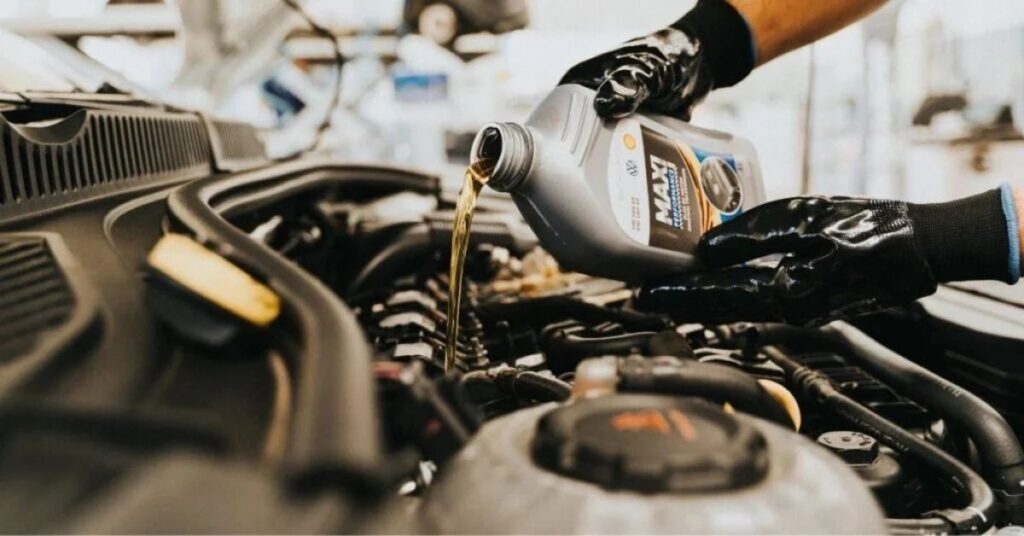
Short trips, heavy traffic, and extreme temperatures may put extra stress on engine oil. In these conditions, the oil may need to be changed sooner. Regular checks can help you understand the condition and level of the oil. Fresh oil helps keep engine parts properly lubricated.
Always follow the oil change schedule recommended for your BMW. Changing the oil and filter on time can help reduce engine wear. It also helps keep the engine clean and running smoothly. Good oil maintenance can support better performance and long-term reliability.
Signs You Need an Oil Change
Your BMW may show several signs when the engine oil needs attention. Dark or dirty oil can be a warning sign. You may also notice louder engine sounds or rough performance. An oil warning light should never be ignored.
Common signs include:
- Oil warning light appears
- Engine sounds louder than usual
- Rough or less smooth performance
- Low oil level
- Dark or dirty-looking oil
- Unusual engine smells
- Oil change reminder appears
If you notice these signs, check the oil level and service schedule. Changing old oil on time helps keep the engine properly lubricated. It can also support smooth performance and protect important engine parts.
BMW Engine Oil Types
BMW engine oil comes in different types and grades. The best choice depends on the BMW model, engine, climate, and driving conditions. Many modern BMW engines use fully synthetic oil because it offers strong protection and performs well at different temperatures. It is important to choose oil that meets the specifications listed in your owner’s manual.
Common oil types include conventional, synthetic blend, and full synthetic oil. Full synthetic oil is often preferred for modern engines because it provides better lubrication and can resist breakdown for longer periods. Different viscosity grades, such as 0W-20, 0W-30, and 5W-30, are also available. Always check the required BMW approval before adding or changing engine oil.
| BMW Engine Oil Type | Main Features | Benefits | Best Use |
| Conventional Oil | Made from refined crude oil | Basic engine protection | Older engines with suitable requirements |
| Synthetic Blend Oil | Mix of conventional and synthetic oil | Better protection than conventional oil | Moderate driving conditions |
| Full Synthetic Oil | Fully engineered formula | Strong protection and cleaner performance | Most modern BMW engines |
| High-Mileage Oil | Contains additives for older engines | May help protect aging seals | Higher-mileage vehicles |
| 0W-20 Oil | Low-viscosity oil with good cold flow | Supports efficiency and cold starts | Models requiring this grade |
| 0W-30 Oil | Flows well in cold conditions | Good balance of protection and efficiency | Selected BMW engines |
| 5W-30 Oil | Popular multi-grade engine oil | Reliable protection in many conditions | Many BMW models |
| 5W-40 Oil | Slightly thicker at operating temperature | Strong protection under demanding use | Engines requiring this viscosity |
| BMW Longlife Approved Oil | Meets specific BMW standards | Designed for required performance levels | BMW models with matching approval |
Signs You Need an Oil Change
One common sign is dark and dirty engine oil. Fresh oil usually has a cleaner appearance, while old oil can collect dirt and particles. You may also notice that the engine sounds louder than usual. This can happen when the oil no longer provides proper lubrication.
An oil warning light is another important sign. Low oil levels can also affect engine performance. Some drivers may notice rough engine operation or reduced smoothness. It is important to check the oil level when these signs appear.
You should also follow the recommended service schedule for your BMW. Waiting too long can allow the oil to lose its protective qualities. Regular oil and filter changes help keep the engine clean. Timely maintenance can support better performance and engine life.
Oil and Engine Performance
Engine oil plays an important role in overall engine performance. It lubricates moving parts and reduces friction. This helps the engine run more smoothly. Good oil also protects parts from excessive wear.
The right engine oil can help control heat during driving. It supports clean engine operation by reducing sludge and deposits. Clean oil can also flow better through small engine passages. This helps important components receive proper lubrication.
Old or low-quality oil may affect engine performance over time. It can increase friction and cause extra stress on engine parts. Regular oil changes help maintain smooth operation. Using the correct oil can support better efficiency, reliability, and long-term engine health.
BMW Engine Oil Capacity
BMW engine oil capacity is the amount of oil needed to fill the engine properly. The exact capacity can vary between BMW models and engine types. Smaller engines may need less oil, while larger engines often require more. Always check the owner’s manual for the correct amount.
Adding too little oil can reduce engine protection. Too much oil can also cause problems inside the engine. It is important to add the recommended amount carefully. The oil level should also be checked after filling.
Oil capacity may also change depending on whether the oil filter is replaced. Most oil changes include a new filter, which can affect the total amount of oil required. Use the correct measurement for your specific BMW model. Proper oil levels help support smooth performance and engine protection.
Common Oil Mistakes
One common mistake is using the wrong engine oil for a BMW. Different engines need different oil grades and specifications. Using unsuitable oil may reduce proper lubrication. Always check the owner’s manual before buying engine oil.

Another mistake is adding too much or too little oil. Both can cause problems for the engine. Some owners also forget to replace the oil filter during an oil change. A clean filter helps remove dirt and particles from the oil.
Delaying oil changes is another mistake to avoid. Old oil can lose some of its protective properties over time. It is also important not to ignore oil warning lights or low oil levels. Regular checks and proper maintenance help keep your BMW engine running smoothly.
Top Engine Oil Brands for BMW
Several engine oil brands offer products suitable for BMW vehicles. Popular names include BMW TwinPower Turbo, Castrol, Mobil 1, Liqui Moly, and Shell. These brands provide different synthetic oil options for modern engines. However, the correct choice depends on your BMW model and required oil specification.
BMW-branded engine oil is designed to meet specific requirements for many BMW engines. Other trusted brands also produce oils with the necessary approvals. It is important to check the label before buying any oil. Look for the correct viscosity grade and BMW approval listed for your vehicle.
A well-known brand alone does not guarantee the oil is right for your BMW. Always follow the recommendations in your owner’s manual. The correct approved oil can provide better lubrication and engine protection. Regular oil changes also help maintain smooth and reliable performance.
BMW Oil Change Cost
The cost of a BMW oil change can vary by model, engine size, and location. Luxury vehicles often need high-quality synthetic oil and specific filters. This can make the service more expensive than a basic oil change. Labor costs can also affect the final price.
On average, a BMW oil change may cost around $100 to $250 at a professional service center. The price can be higher for performance models or engines with larger oil capacity. Independent workshops may offer lower prices. However, it is important to use oil that meets the correct BMW specifications.
Doing an oil change on time can help prevent costly engine problems. Regular maintenance keeps the engine properly lubricated and clean. Always ask what type of oil and filter are included in the service. Choosing quality parts can provide better long-term value.
Conclusion
Choosing the right BMW engine oil is important for smooth performance and long-term engine protection. The correct oil helps reduce friction, control heat, and keep engine parts clean. Always check the recommended viscosity and BMW approval for your specific model.
Regular oil changes are also an important part of BMW maintenance. Fresh and quality oil can support better efficiency and reliability. By following the correct service schedule, you can help keep your BMW engine running smoothly for many years.
FAQs
1. What type of engine oil is best for a BMW?
The best oil depends on your BMW model and engine. Always use oil with the correct viscosity and BMW-approved specification.
2. How often should BMW engine oil be changed?
Oil change intervals vary by model and driving conditions. Follow your BMW owner’s manual or service system for the recommended schedule.
3. Can I use any synthetic oil in my BMW?
No. The oil should meet the required BMW specifications and approvals for your specific engine.
4. What happens if I use the wrong engine oil?
Using the wrong oil may reduce engine protection and affect performance. It can also cause long-term wear in some cases.
5. How do I know if my BMW needs an oil change?
You may see a service reminder or oil warning message. Old oil, low oil levels, or rough engine operation can also be warning signs.
Related Posts

BMW Z3: Performance, Design, and Comfort
The BMW Z3 is a classic two-seat sports car from…

BMW M7 Interior Features: Premium Comfort Meets M Performance
BMW M7 Interior Features: Premium Comfort Meets M Performance The…

BMW X2 Specs: Engine Options, Dimensions, and Technology
The BMW X2 is a compact luxury SUV with a…
One Reply to “Best BMW Engine Oil for Smooth Performance”