
The BMW X1 is a compact luxury SUV that combines everyday comfort with premium features. It offers a spacious cabin, modern technology, and a smooth driving experience. Whether you need a family vehicle or a stylish daily driver, the BMW X1 is designed to suit a wide range of lifestyles.
Choosing the right SUV can be difficult with so many options available. The BMW X1 stands out because it balances performance, practicality, and luxury in one package. But is it the right choice for your needs and budget? Understanding its features and ownership costs can help you make a confident decision.
This buying guide covers everything you need to know before purchasing a BMW X1. You’ll learn about its specifications, design, engine options, fuel economy, safety features, trim levels, pricing, reliability, and how it compares with its rivals. By the end, you’ll have a clear idea of whether the BMW X1 is the right SUV for you.
BMW X1 Specifications
The BMW X1 is a compact luxury SUV built for everyday driving. It offers seating for up to five passengers and a roomy cabin with ample cargo space. The SUV is available with front-wheel drive or BMW’s xDrive all-wheel-drive system, depending on the model and trim.
Engine options vary by market and model year. Most versions come with a turbocharged petrol or diesel engine, while some markets also offer a plug-in hybrid or fully electric variant. The BMW X1 is paired with an automatic transmission that delivers smooth and quick gear changes. It offers a good balance of power, comfort, and fuel efficiency.
The SUV also includes modern features that improve convenience and safety. Depending on the trim level, buyers can get a digital instrument display, a large touchscreen infotainment system, wireless smartphone connectivity, multiple driving modes, and advanced driver assistance features. These specifications make the BMW X1 a practical choice for daily commuting and long-distance travel.
Generations and Updates
The BMW X1 was first introduced in 2009 as the brand’s smallest SUV. It offered a sporty driving experience and a premium interior. The first generation quickly became popular among drivers seeking a compact luxury vehicle with everyday practicality.
The second generation arrived in 2015 with a completely new design. It moved to a front-wheel-drive-based platform, which created more cabin space and a larger cargo area. BMW also improved the technology, comfort, and fuel efficiency, making the SUV more suitable for families.
The third generation was launched in 2022 with a bolder exterior and a more modern interior. It introduced larger digital displays, updated safety features, and improved driver assistance systems. BMW also expanded the lineup by offering plug-in hybrid and fully electric versions in many markets, giving buyers more choices than ever before.
BMW X1 Exterior Design
The BMW X1 has a modern and bold design that gives it a strong road presence. It features BMW’s signature kidney grille, slim LED headlights, and clean body lines. The raised ride height adds to its sporty SUV look while making it practical for everyday driving.
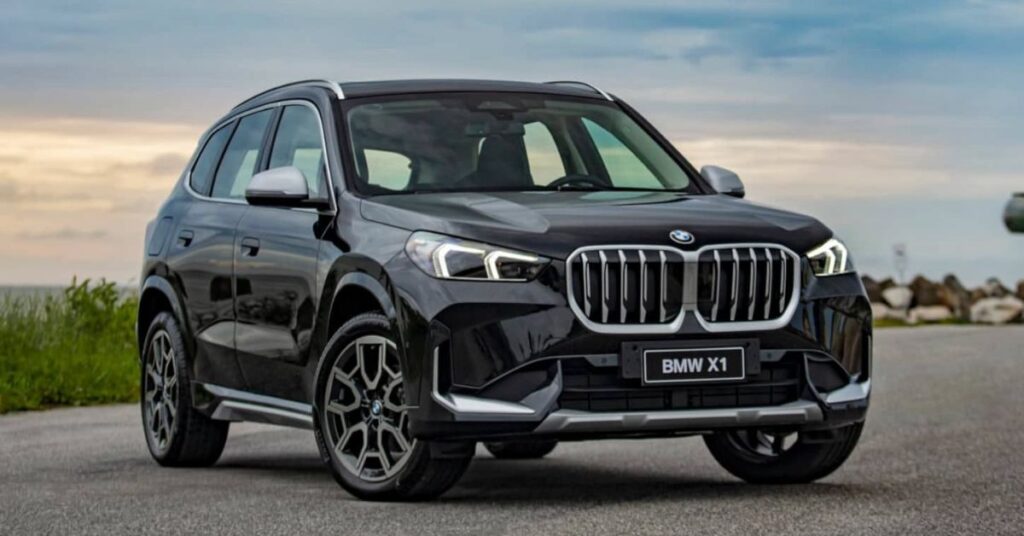
From the side, the SUV has a balanced shape with a long roofline and wide wheel arches. Alloy wheels in different sizes are available, depending on the trim level. At the rear, sleek LED taillights and a sculpted tailgate give the vehicle a stylish and premium finish.
BMW also offers several exterior colors and appearance packages to match different tastes. Higher trims may include larger wheels, gloss black accents, and sportier styling details. These design elements help the BMW X1 stand out while keeping its elegant and practical character.
Interior and Comfort
The interior of the BMW X1 is modern, clean, and well organized. High-quality materials give the cabin a premium feel. The dashboard has a simple layout, and the controls are easy to reach. Large windows also provide good visibility for the driver.
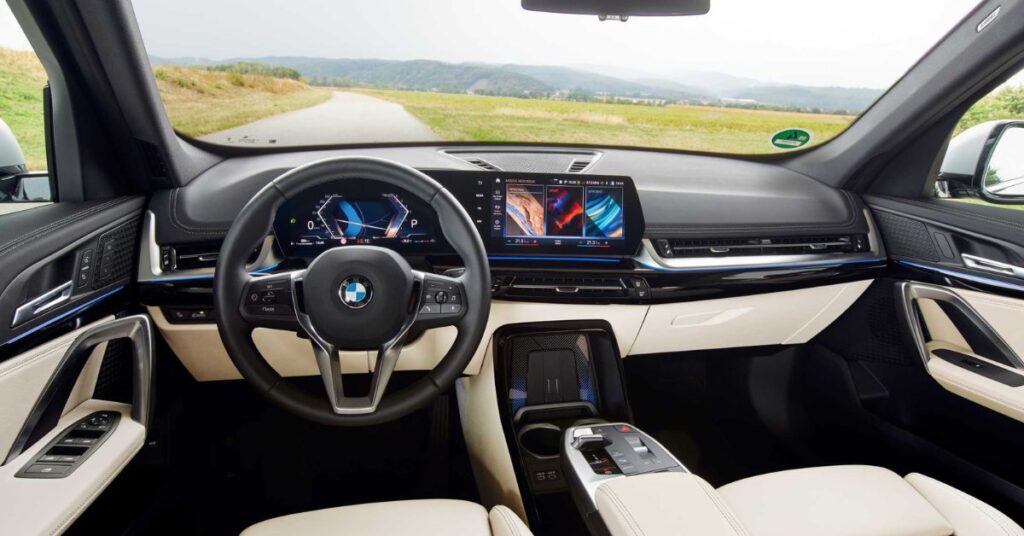
The SUV offers comfortable seating for up to five people. Both the front and rear seats provide good headroom and legroom for daily trips and longer journeys. The cargo area is spacious, and the rear seats can be folded to carry larger items when needed.
Comfort features vary by trim level. Many models include automatic climate control, adjustable front seats, and ambient lighting. Higher trims may also offer heated seats, a panoramic sunroof, and premium upholstery. These features make every drive more relaxing and enjoyable.
BMW X1 Engine
The BMW X1 comes with a range of turbocharged engine options. Depending on the market, buyers can choose from petrol or diesel engines. Some versions are also available as plug-in hybrids or fully electric models. This gives drivers more choices based on their needs.
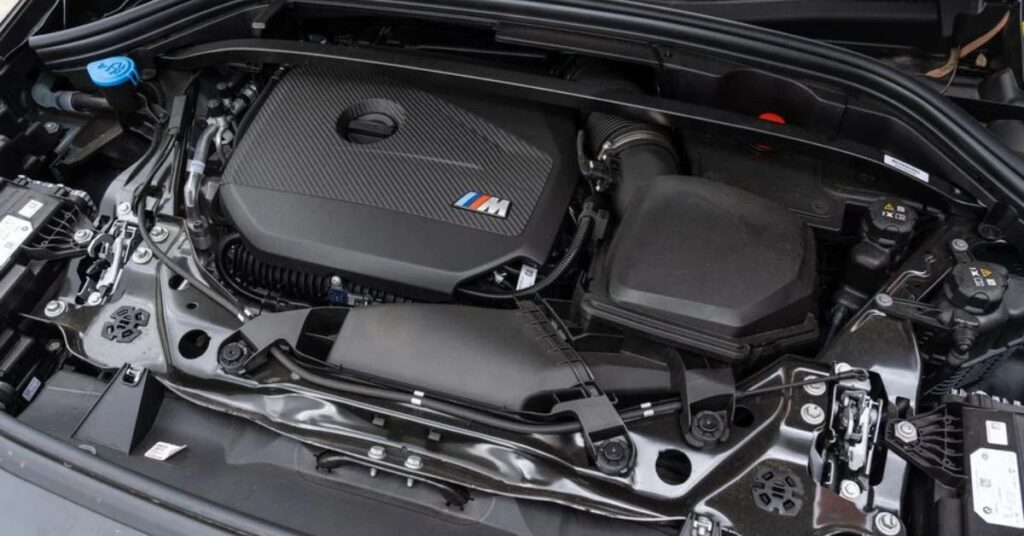
The petrol engines deliver smooth acceleration and responsive performance. Diesel models are known for strong torque and better fuel efficiency on long trips. The automatic transmission shifts gears quickly and helps provide a comfortable driving experience in both city and highway conditions.
Most versions offer a good balance of power and efficiency. Selected models also include BMW’s xDrive all-wheel-drive system for better grip on wet or rough roads. No matter the engine choice, the BMW X1 is designed to deliver a refined and confident drive every day.
Fuel Economy
The BMW X1 offers good fuel economy for a compact luxury SUV. The exact fuel consumption depends on the engine, drivetrain, and model year. In general, smaller engines use less fuel and are well suited for daily driving.
Petrol models provide a good balance of performance and efficiency. Diesel versions usually deliver better mileage, especially on long highway trips. Plug-in hybrid models can reduce fuel use even more when driven with a fully charged battery.
Driving habits also affect fuel economy. Smooth acceleration, steady speeds, and regular maintenance can help improve efficiency. Keeping the tires properly inflated and avoiding unnecessary weight in the vehicle can also reduce fuel consumption over time.
Safety Features
The BMW X1 comes with many safety features to protect drivers and passengers. It has multiple airbags, anti-lock brakes, electronic stability control, and traction control. These systems help improve safety in different driving conditions.
Many models also include advanced driver assistance features. Depending on the trim level, you may get lane departure warning, forward collision warning, automatic emergency braking, blind-spot monitoring, and adaptive cruise control. These technologies help reduce the risk of accidents and make driving less stressful.
The BMW X1 is built with a strong body structure for added protection. It has also received good safety ratings in many crash tests. Regular maintenance and safe driving habits can help these safety systems perform at their best.
Technology and Infotainment
The BMW X1 comes with a modern infotainment system that is easy to use. Most models include a large touchscreen and a digital instrument display. The menus are simple to navigate, and the system responds quickly to inputs.
Many versions support Apple CarPlay and Android Auto for easy smartphone connectivity. Drivers can make calls, play music, use navigation, and access apps without picking up their phones. Bluetooth, USB ports, and wireless charging are also available on selected trims.
The SUV also offers several technology features that improve convenience. Voice controls let drivers use many functions without taking their hands off the wheel. Higher trims may include a premium sound system, built-in navigation, and over-the-air software updates for an even better driving experience.
BMW X1 Price and Ownership Costs
The BMW X1 is one of the most affordable luxury SUVs in BMW’s lineup. In the United States, the 2026 BMW X1 xDrive28i starts at around $43,200, while the BMW X1 M35i starts at around $52,400. In Germany, prices begin at around €45,100 for the BMW X1, depending on the engine and trim level. Final pricing may be higher with optional packages and extra features.
Owning a BMW X1 involves more than the purchase price. You should also budget for insurance, fuel, routine maintenance, and repairs. Genuine BMW parts and dealership servicing usually cost more than those of non-luxury vehicles. However, regular maintenance helps improve reliability and maintain resale value.
The BMW X1 offers good value for buyers who want a premium compact SUV. It combines comfort, performance, advanced technology, and everyday practicality. With proper care and scheduled servicing, ownership costs can remain reasonable over the long term.
Reliability and Maintenance
The BMW X1 is generally considered a reliable compact luxury SUV. Many owners report a comfortable and dependable driving experience when the vehicle is properly maintained. Newer models also benefit from improved engineering and updated technology, which help increase reliability.
Regular maintenance is important to keep the BMW X1 running smoothly. Oil changes, brake inspections, tire rotations, and fluid checks should be done according to BMW’s service schedule. Replacing worn parts on time can help prevent more expensive repairs in the future.
Maintenance costs are usually higher than those of non-luxury SUVs. However, proper servicing can extend the life of the vehicle and improve its resale value. If you are buying a used BMW X1, it is a good idea to check the service history and have the vehicle inspected before making a purchase.
Comparison with Rivals
The BMW X1 competes with several compact luxury SUVs. Its biggest rivals include the Audi Q3, Mercedes-Benz GLA, Volvo XC40, and Lexus UX. Each model offers premium features, modern technology, and a comfortable ride. The right choice depends on your budget, driving style, and feature preferences.
The BMW X1 stands out with its spacious cabin, strong engine options, and enjoyable driving experience. It also offers advanced safety features and a large cargo area. However, comparing it with similar models can help you find the SUV that best meets your needs.
| Feature | BMW X1 | Audi Q3 | Mercedes-Benz GLA | Volvo XC40 | Lexus UX |
| Vehicle Type | Compact Luxury SUV | Compact Luxury SUV | Compact Luxury SUV | Compact Luxury SUV | Compact Luxury Crossover |
| Starting Price (Approx.) | $43,200 / €45,100 | $40,000 | $43,000 | $41,000 | $38,000 |
| Seating Capacity | 5 | 5 | 5 | 5 | 5 |
| Cargo Space | Excellent | Good | Good | Very Good | Limited |
| Engine Options | Petrol, Diesel, Hybrid, Electric | Petrol | Petrol | Petrol, Hybrid, Electric | Hybrid, Petrol |
| Transmission | Automatic | Automatic | Automatic | Automatic | CVT / Automatic |
| All-Wheel Drive | Available | Available | Available | Available | Available |
| Fuel Economy | Good | Good | Good | Very Good | Excellent |
| Interior Quality | Premium | Premium | Premium | Premium | Premium |
| Infotainment | Large Touchscreen with Digital Display | Digital Cockpit | MBUX System | Google-Based System | Lexus Interface |
| Apple CarPlay & Android Auto | Yes | Yes | Yes | Yes | Yes |
| Safety Features | Advanced Driver Assistance | Advanced Safety Systems | Advanced Safety Systems | Excellent Safety Features | Lexus Safety System+ |
| Best For | Balanced Luxury and Practicality | Stylish Design | Premium Comfort | Safety and Family Use | Fuel Efficiency |
Best BMW X1 Model Year to Buy
The best BMW X1 model year depends on your budget and needs. If you want the latest design and technology, the 2023 and newer models are excellent choices. They feature a modern interior, improved safety systems, larger digital displays, and updated engine options.
If you are looking for better value, the 2020 to 2022 models are worth considering. These vehicles offer many modern features at a lower price than brand-new models. They also have a good reputation for reliability and provide a comfortable and enjoyable driving experience.
Older models from 2018 and 2019 can also be good options if they have been well maintained. Before buying a used BMW X1, check the service history, inspect the vehicle carefully, and take it for a test drive. A well-maintained model can provide reliable performance and lower ownership costs for many years.
Conclusion
The BMW X1 is a great choice for drivers who want a compact luxury SUV with modern features and everyday practicality. It offers a comfortable interior, smooth performance, good fuel economy, and advanced safety technology. With several engine options and trim levels, there is a model to suit different budgets and driving needs.
Before buying a BMW X1, compare model years, check the vehicle’s condition, and consider the total ownership costs. A well-maintained X1 can provide years of reliable service and an enjoyable driving experience. Whether you choose a new or used model, the BMW X1 remains one of the strongest options in the compact luxury SUV segment
FAQs.
1. Is the BMW X1 a reliable SUV?
Yes, the BMW X1 is generally considered reliable, especially newer models. Regular maintenance helps keep it running smoothly for many years.
2. How much does a BMW X1 cost?
In the United States, the BMW X1 starts at around $43,200, while prices in Germany begin at around €45,100, depending on the trim and options.
3. Is the BMW X1 good for families?
Yes. The BMW X1 offers seating for five, a spacious cabin, and a large cargo area, making it a practical choice for small families.
4. Does the BMW X1 have all-wheel drive?
Yes. Many BMW X1 models are available with BMW’s xDrive all-wheel-drive system for better traction and stability.
5. Which BMW X1 model year is the best to buy?
The 2023 and newer models offer the latest technology and safety features. The 2020–2022 models are also excellent choices if you want better value.
Related Posts
BMW X2 Specs: Engine Options, Dimensions, and Technology
The BMW X2 is a compact luxury SUV with a…
BMW 5 Series: Performance and Luxury Guide -part 2
The BMW 5 Series is a luxury executive car known…
BMW Alpina D3 Explained: Power, Luxury, and Performance
vBMW Alpina D3 Explained: Power, Luxury, and Performance The BMW…