
The BMW 5 Series is a luxury executive car known for its comfort, performance, and modern technology. It sits between the BMW 3 Series and 7 Series in the lineup. Over the years, BMW has offered the 5 Series with different petrol, diesel, hybrid, and electric powertrains.
The 5 Series offers more than a premium cabin. It can feel smooth and relaxed during daily driving. At the same time, stronger engines can deliver quick acceleration and engaging performance. Its combination of comfort, technology, and driving ability makes it an important model in BMW’s range.
This guide explores the BMW 5 Series across different generations and engine options. It covers performance, design, interior features, wheels, technology, and ownership considerations. It also looks at notable engines and models, including the 520i, 525i, 528i, 535i, and 540i.
BMW 540d
The BMW 540d is a diesel-powered version of the 5 Series. It combines a large six-cylinder engine with strong torque. The model has appeared in different markets and generations. Modern versions use a 3.0-liter turbocharged inline-six diesel engine.
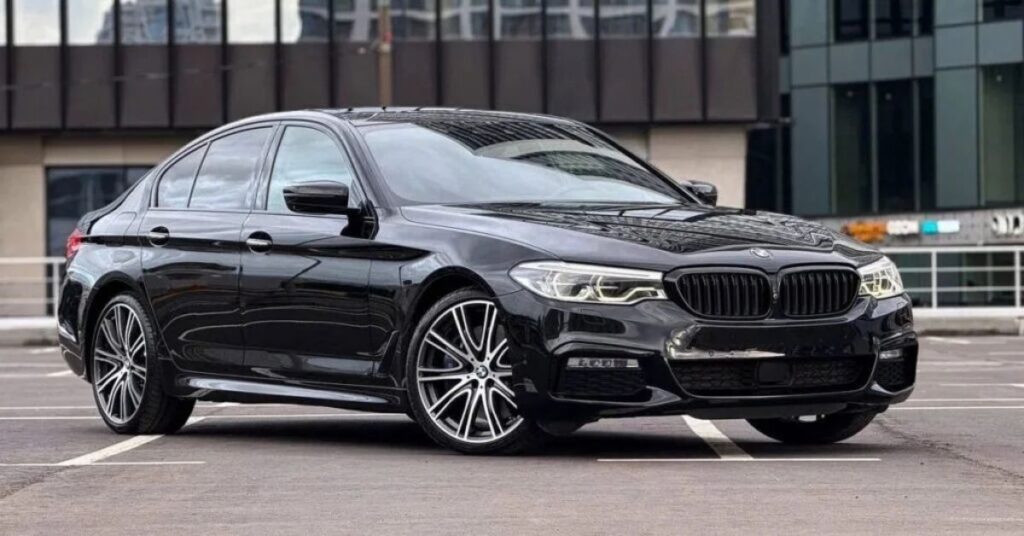
Recent 540d models use BMW’s B57 diesel engine. In the G30 540d xDrive, the engine produces around 340 hp and 700 Nm of torque in many markets. It uses an eight-speed automatic transmission. The strong torque helps the car accelerate quickly and cruise comfortably at highway speeds.
The 540d also focuses on long-distance comfort and fuel efficiency. Its diesel engine suits drivers who cover many highway miles. xDrive all-wheel drive provides additional traction in many versions. Used buyers should check the diesel particulate filter, EGR system, turbocharger, and service history before purchasing a 540d.
BMW B58
The BMW B58 is a 3.0-liter turbocharged inline-six petrol engine. BMW introduced it in 2015. It uses a single twin-scroll turbocharger and direct fuel injection. The engine produces strong power while keeping smooth and refined operation.
BMW uses the B58 in several models, including the 3 Series, 4 Series, 5 Series, Z4, and Toyota Supra. Power output varies by model and version. Many versions produce around 335 to 382 hp, while newer applications can make more power. The engine also delivers strong low-end torque for quick acceleration.
The B58 has earned a strong reputation for performance and flexibility. Its closed-deck design supports high cylinder pressure and boost levels. Regular oil changes and proper cooling-system maintenance help protect the engine. Used B58 cars should also have a clear service history and careful checks for oil leaks and cooling-system issues.
2025 BMW 530i
The 2025 BMW 530i is a luxury sedan from the 5 Series lineup. It combines a clean exterior design with a comfortable cabin. The car uses a 2.0-liter turbocharged four-cylinder engine. It produces 255 hp and 295 lb-ft of torque.
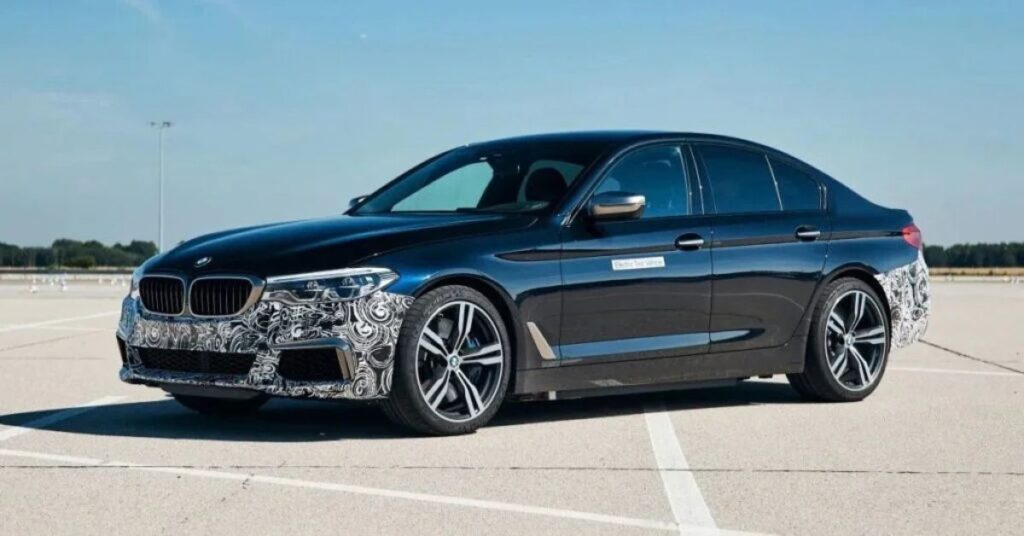
The 530i uses an 8-speed automatic transmission. Rear-wheel drive comes standard, while xDrive all-wheel drive is available. The 530i can reach 60 mph in about 5.9 seconds. It also offers smooth power delivery for daily driving and highway trips.
Inside, the 530i features a modern cabin with a large curved display. BMW includes digital controls, advanced connectivity, and available premium materials. The sedan also offers driver-assistance features and a comfortable rear seat. It suits drivers who want a balance of performance, technology, and everyday comfort.
BMW B48
The BMW B48 is a 2.0-liter turbocharged four-cylinder petrol engine. BMW introduced it as part of its modular engine family. It uses direct fuel injection and a twin-scroll turbocharger. The engine delivers smooth power and good fuel efficiency.
BMW uses the B48 in models such as the 1 Series, 2 Series, 3 Series, 4 Series, and 5 Series. Power output varies by model and market. Many versions produce around 180 to 255 hp. The engine also provides strong torque for everyday driving.
The B48 offers a good balance between performance and economy. Its compact design also helps BMW build efficient engine bays. Regular oil changes and proper cooling-system maintenance are important for long-term reliability. Used cars with this engine should have a clear service history and regular maintenance records.
BMW 545e
The 545e is a plug-in hybrid version of the 5 Series. It combines a 3.0-liter turbocharged inline-six engine with an electric motor. Additionally, the system delivers strong power while supporting electric driving for shorter trips. It offers a smooth and quiet driving experience.
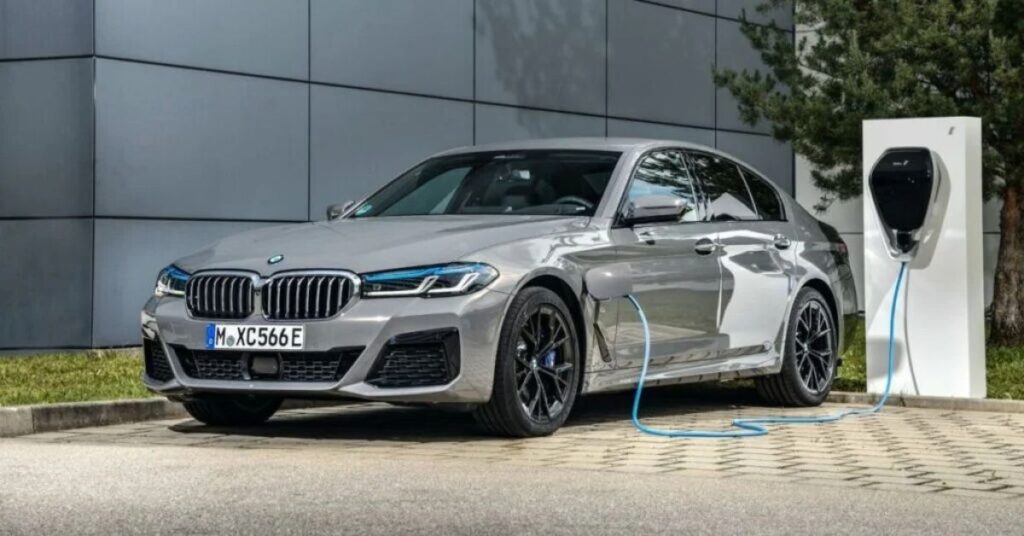
The 545e produces around 394 hp and 600 Nm of torque. It uses an 8-speed automatic transmission and comes with xDrive all-wheel drive. The car can accelerate from 0 to 60 mph in about 4.6 seconds. Its plug-in hybrid system also helps reduce fuel use during daily driving.
Inside, the 545e offers a premium cabin with modern technology. The battery can support electric driving for many short journeys. Owners can charge the car at home or at a suitable charging station. The 545e suits drivers who want strong performance with the added flexibility of electric driving.
BMW B58
The BMW B58 is a 3.0-liter turbocharged inline-six petrol engine. BMW introduced it in 2015. It uses direct fuel injection and a twin-scroll turbocharger. The engine delivers smooth power with strong torque.
BMW has used the B58 in models such as the 3 Series, 4 Series, 5 Series, Z4, and X3. Power output varies by model and market. Many versions produce around 335 to 382 hp. Some newer versions produce even more power.
The B58 combines performance with everyday usability. Its inline-six layout provides smooth engine operation. Regular oil changes and cooling-system checks help maintain the engine. A complete service history is important when buying a used BMW with the B58.
BMW i5
The BMW i5 is the fully electric version of the 5 Series. It combines a luxury sedan design with electric power. BMW offers different versions with different power levels and driving ranges. The i5 also provides a quiet and smooth ride.
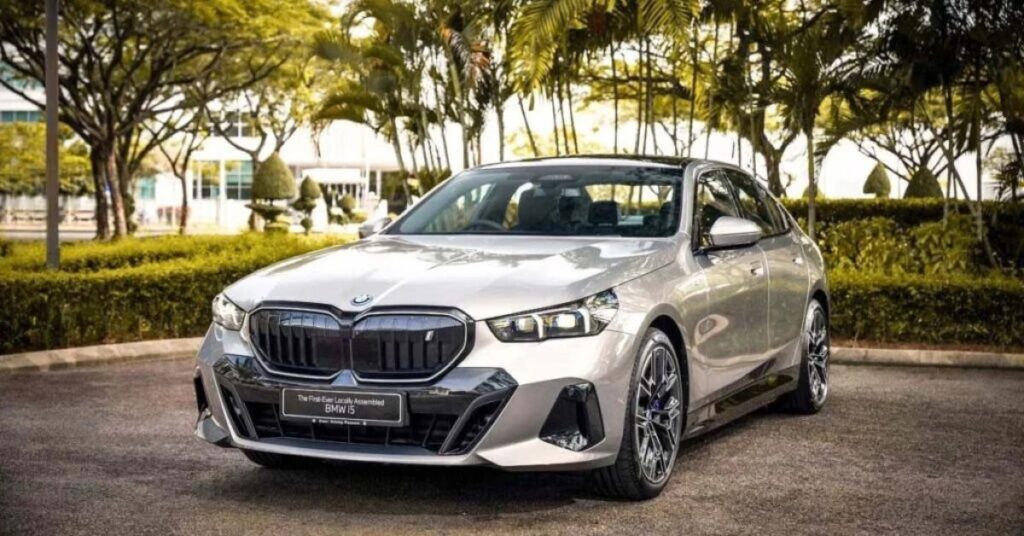
The i5 eDrive40 uses a single electric motor and rear-wheel drive. It produces about 335 hp and can accelerate from 0 to 60 mph in around 5.7 seconds. The i5 M60 xDrive uses two electric motors and produces up to 593 hp. It can reach 60 mph in about 3.7 seconds.
Inside, the i5 features a modern cabin with BMW’s curved display and advanced digital controls. It also offers fast charging for longer trips. Battery range depends on the version, wheels, weather, and driving conditions. The i5 suits drivers who want luxury, strong performance, and electric driving in one sedan.
BMW eDrive Electric Motor
The BMW eDrive electric motor powers many BMW electric and plug-in hybrid models. It converts electrical energy from the battery into movement. The system delivers instant torque and smooth acceleration. It also operates quietly compared with a petrol engine.
BMW uses eDrive technology in models such as the i4, i5, i7, and iX. Different versions use one or two electric motors. Single-motor setups usually power the rear wheels. Dual-motor systems can provide all-wheel drive and higher performance.
The eDrive system works with BMW’s high-voltage battery and power electronics. The car can recover energy through regenerative braking when it slows down.
Charging speed and driving range depend on the model and battery size. Regular software updates and proper battery care can help maintain efficient operation.
BMW F90
The BMW F90 is the sixth-generation BMW 5 Series M5. BMW introduced it for the 2018 model year. It uses a 4.4-liter twin-turbocharged V8 engine. The engine produces strong power and torque for quick acceleration.
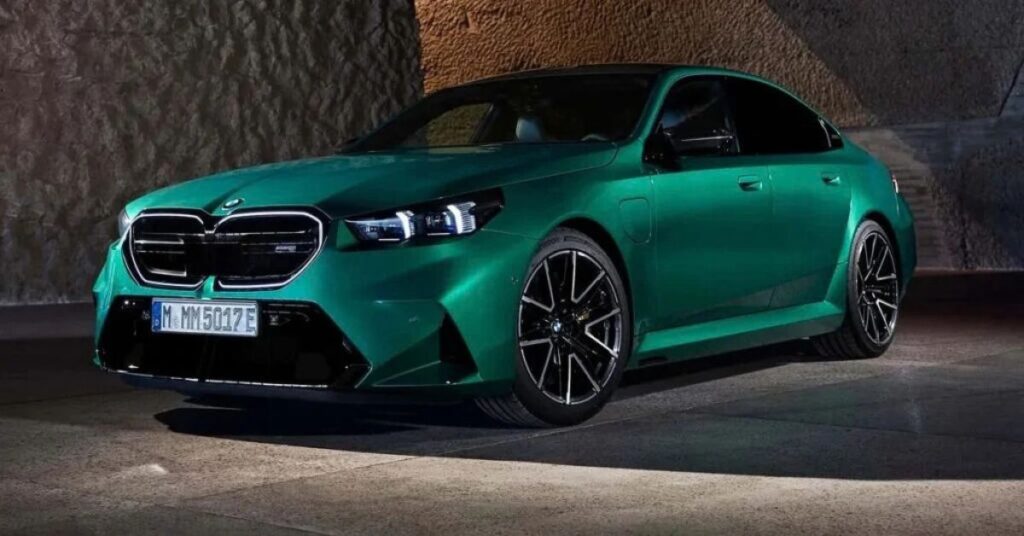
The F90 M5 produces 600 hp and 553 lb-ft of torque in its standard form. The M5 Competition increases output to 617 hp. BMW pairs the engine with an 8-speed automatic transmission and the M xDrive all-wheel-drive system. The M5 can deliver both high-speed performance and everyday comfort.
The F90 also provides a refined interior with modern technology. It includes supportive M Sport seats and a driver-focused layout. The suspension and steering provide precise control on the road. Its combination of luxury and performance makes the F90 an important generation in the M5 lineup.
BMW S63
The BMW S63 is a 4.4-liter twin-turbocharged V8 petrol engine. BMW developed it for its high-performance M models. It uses two turbochargers and direct fuel injection. The engine delivers strong power and quick throttle response.
BMW has used the S63 in models such as the M5, M8, X5 M, and X6 M. Power output varies by model and generation. Later versions can produce more than 600 hp. The engine also delivers high torque across a wide rev range.
The S63 combines strong performance with modern engine technology. Its high output requires proper maintenance and quality engine oil. The engine produces significant heat, so owners should check the cooling system regularly. Buyers should also review the complete service history when purchasing a used BMW with the S63.
BMW G90
The BMW G90 is the seventh-generation BMW M5. BMW introduced it for the 2025 model year. It uses a 4.4-liter twin-turbocharged V8 with plug-in hybrid technology. This setup gives the car strong performance and allows it to drive on electric power for short trips.
The G90 M5 produces a combined 717 hp and 738 lb-ft of torque. It uses an 8-speed automatic transmission and the M xDrive all-wheel-drive system. The car can accelerate from 0 to 60 mph in about 3.4 seconds. The hybrid system adds extra power while also supporting electric driving.
The G90 has a spacious and technology-focused cabin. It features BMW’s curved display and modern digital controls. The chassis combines comfort with strong handling. Its plug-in hybrid system also makes the G90 different from earlier M5 generations.
BMW S85
The BMW S85 is a 5.0-liter naturally aspirated V10 petrol engine. BMW developed it for the E60 M5 and E63/E64 M6. It uses individual throttle bodies and a high-revving design. The engine is known for its sharp throttle response and distinctive V10 sound.
The S85 produces 500 hp and 520 Nm of torque in the E60 M5. It can rev to about 8,250 rpm, which gives it a unique character. BMW paired the engine with a 7-speed SMG automated manual transmission. The engine delivers most of its excitement at higher revs.
The S85 uses advanced technology for its time. It features Double-VANOS variable valve timing and a high compression ratio. Proper maintenance is important, especially on older examples. Buyers should check the rod bearings, throttle actuators, and service history before purchasing a used S85-powered BMW.
BMW E12
The BMW E12 was the first generation of the BMW 5 Series. BMW introduced it in 1972. It replaced the BMW New Class sedans and created the 5 Series name. The E12 featured a simple design with a driver-focused cabin.
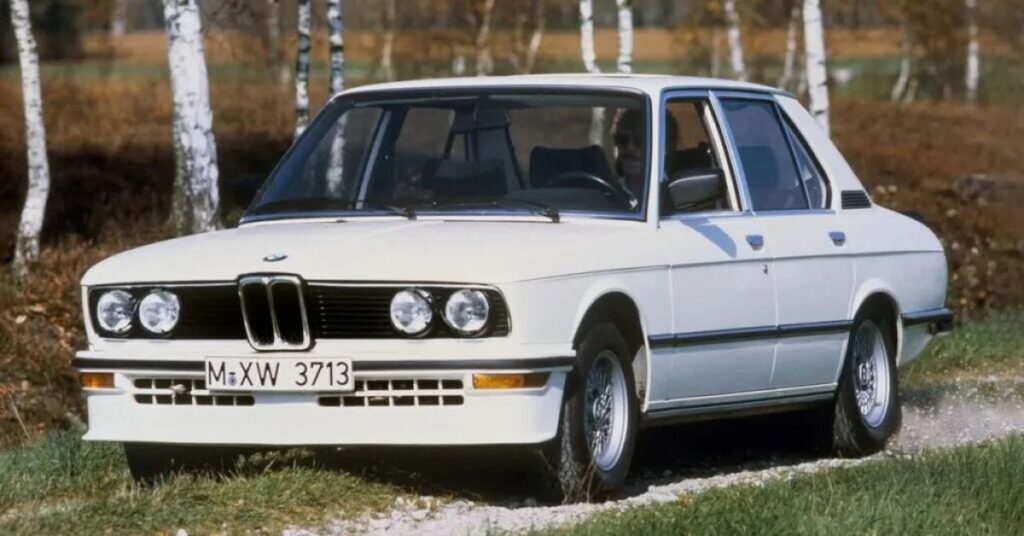
BMW offered the E12 with several four-cylinder and six-cylinder petrol engines. Engine choices varied by market and model year. The lineup included versions such as the 520, 525, 528, and 530. The M535i later became the high-performance version, using a 3.5-liter inline-six engine.
The E12 helped establish the 5 Series as a premium executive sedan. It offered balanced handling and comfortable road manners. The cabin focused on clear controls and practical space. Today, well-kept E12 models attract classic BMW enthusiasts because of their simple design and mechanical character.
BMW M10
The BMW M10 is a four-cylinder petrol engine developed in the 1960s. BMW used it in many models for several decades. It came in different engine sizes and configurations. The engine became known for its simple design and strong durability.
BMW used the M10 in early 5 Series models, including several E12 variants. It also powered cars such as the 02 Series and early 3 Series. Power output varied widely by version. Some M10 engines used carburetors, while later versions received fuel injection.
The M10 also has an important place in BMW motorsport history. Its design provided a strong base for performance development. The turbocharged racing version became the basis for BMW’s powerful M12/13 Formula 1 engine. Regular oil changes and cooling-system maintenance remain important for older M10-powered cars.
BMW E28
The BMW E28 is the second-generation BMW 5 Series. BMW introduced it in 1981. It replaced the E12 and brought a more modern design and improved technology. The E28 came with both four-cylinder and six-cylinder engines, depending on the market.
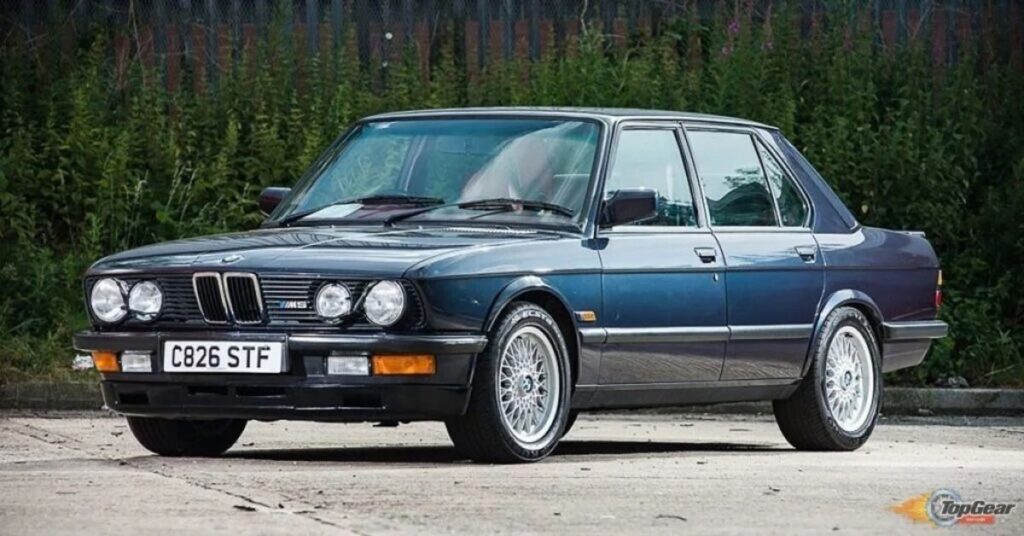
The E28 offered several engine options, including the M20, M30, and M21. BMW also introduced the first-generation M5 based on the E28 platform. It used the S38 straight-six engine and produced about 256 hp in European specification. This model helped establish the M5 as a high-performance luxury sedan.
The E28 combines classic styling with a driver-focused character. Its cabin has simple controls and a traditional BMW layout. Many examples are now considered collector cars. Buyers should check for rust, suspension components, cooling systems, and maintenance records before buying an older E28.
BMW M20
The BMW M20 is a six-cylinder petrol engine from BMW. It has a straight-six layout and a single overhead camshaft. BMW produced the M20 in different sizes, including 2.0, 2.3, 2.5, and 2.7 liters. It became popular for its smooth power delivery.
BMW used the M20 in models such as the E28 5 Series and E30 3 Series. Power output varied by engine size and market. The 2.5-liter M20B25 produced around 168 hp in later E30 325i models. The engine also provided a strong balance between performance and everyday usability.
The M20 is now a popular classic BMW engine. Its straightforward design makes it easier to service than many newer engines. The timing belt needs regular replacement because a broken belt can cause serious engine damage. Buyers should also check cooling-system components, oil leaks, and maintenance records on older M20-powered cars.
BMW E34
The BMW E34 is the third generation of the BMW 5 Series. BMW introduced it in 1987. It replaced the E28 and brought a more modern body design. The E34 was available as a sedan and later as a Touring wagon.
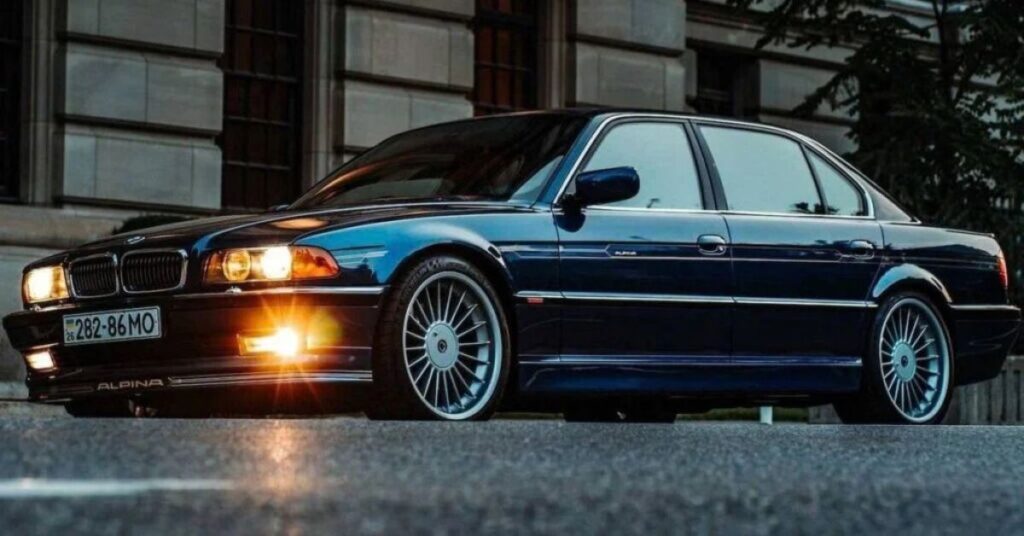
BMW offered the E34 with several petrol and diesel engines. Options included four-cylinder, six-cylinder, and V8 engines. The M5 E34 used a 3.6-liter and later a 3.8-liter inline-six engine. The 3.8-liter version produced about 335 hp in European specification.
The E34 is known for its solid build and balanced handling. Its cabin has a traditional BMW layout with driver-focused controls. Well-maintained examples can still provide a comfortable driving experience. Buyers should check rust, suspension components, cooling systems, and service records before purchasing an older E34.
BMW M50
The BMW M50 is a 2.0- or 2.5-liter inline-six petrol engine. BMW introduced it in 1990 and used it to replace the older M20 engine in several models. The M50 uses a dual overhead camshaft design and four valves per cylinder. BMW designed the engine to deliver smooth power and provide strong mechanical performance. The engine supports responsive acceleration and maintains a smooth power delivery across the rev range.
BMW used the M50 in cars such as the E34 5 Series and E36 3 Series. The 2.0-liter M50B20 produced around 150 hp, while the 2.5-liter M50B25 produced around 189 hp. Later versions received VANOS technology, which improved low- and mid-range engine response. The system adjusts camshaft timing and helps the engine deliver better torque at lower engine speeds.
The M50 earned a reputation for smooth operation and strong mechanical design. Its iron engine block provides good durability and supports long-term use. Common age-related concerns include cooling-system parts, oil leaks, and VANOS components on later versions. Owners should replace worn cooling components and repair oil leaks before they create larger problems. A well-maintained M50 can still deliver a classic BMW driving experience and provide smooth performance.
BMW E39
The BMW E39 is the fourth generation of the BMW 5 Series. BMW produced it from 1995 to 2003 and replaced the E34 with this generation. The E39 introduced a more rounded exterior design and improved overall refinement. BMW offered the E39 as a sedan and Touring wagon. The model provided increased comfort while maintaining BMW’s traditional driving character.
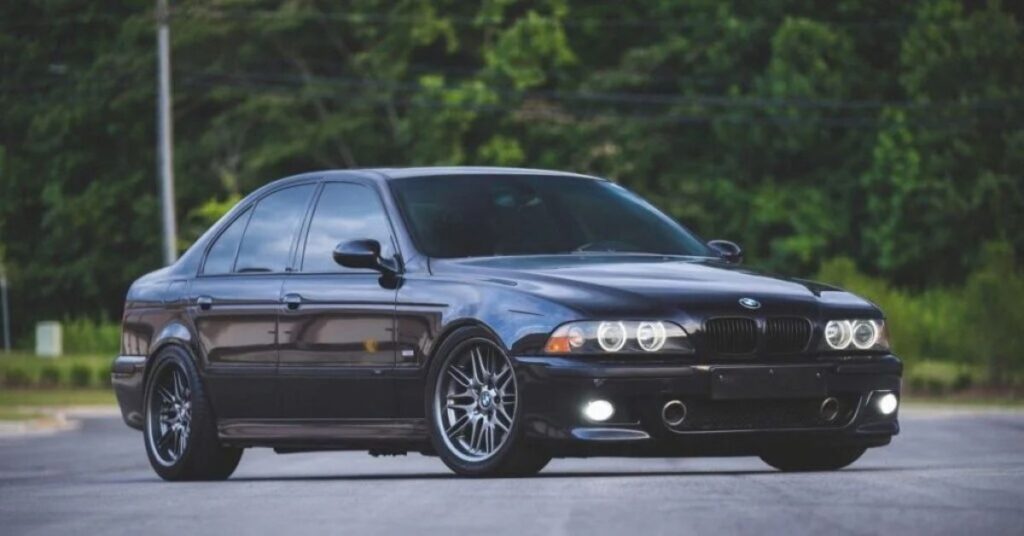
BMW offered several petrol and diesel engines in the E39. The range included four-cylinder, six-cylinder, and V8 engines. The E39 M5 used a 4.9-liter naturally aspirated V8 that produced 394 hp and 500 Nm of torque. BMW paired the engine with a six-speed manual transmission. The powertrain delivered strong acceleration and provided a direct driving experience.
The E39 combines balanced handling with a comfortable ride. BMW designed its cabin with a simple and driver-focused layout. The chassis provides stable handling, while the suspension supports comfortable long-distance driving. Many enthusiasts still value its classic proportions and road feel. When buying a used E39, buyers should check the cooling system, inspect the suspension, examine the body for rust, and review the complete service history.
BMW M52
The BMW M52 is a straight-six petrol engine that BMW introduced during the 1990s. BMW produced the engine in 2.0, 2.5, and 2.8-liter versions. The company equipped the M52 with a double overhead camshaft and four valves per cylinder. BMW designed the engine to deliver smooth and linear power. Its inline-six layout provides balanced operation and supports consistent power delivery.
BMW installed the M52 in models such as the E36 3 Series, E39 5 Series, and Z3. The 2.8-liter M52B28 produced around 193 hp and 280 Nm of torque. BMW later introduced technical updates and improved the VANOS system on later versions. These updates optimized valve timing and helped the engine produce stronger low- and mid-range torque.
The M52 offers smooth performance and useful everyday power. However, age can create several mechanical problems. Cooling-system failures can cause overheating, while damaged gaskets can create oil leaks. Worn VANOS components can reduce engine response. Owners should replace weak cooling parts, repair leaking gaskets, and inspect VANOS components. Buyers should also review maintenance records and confirm previous repairs before purchasing a used M52-powered BMW.
BMW M54
The BMW M54 is a naturally aspirated inline-six petrol engine. BMW introduced it in 2000 and offered it in 2.2, 2.5, and 3.0-liter versions. BMW equipped the engine with Double-VANOS and electronic throttle control. These systems improved throttle response and optimized engine performance. BMW designed the M54 to deliver smooth power without a turbocharger.
BMW installed the M54 in models such as the E46 3 Series, E39 5 Series, E60 5 Series, Z3, and Z4. The 3.0-liter M54B30 produced around 228 hp and 300 Nm of torque. The engine delivered strong mid-range power and provided smooth acceleration. BMW paired the M54 with manual and automatic transmissions depending on the model and market. The naturally aspirated design gave drivers predictable throttle control.
BMW enthusiasts recognize the M54 for its straightforward mechanical design. However, age can create several maintenance issues. Cooling-system failures can cause overheating, while worn gaskets can produce oil leaks. A damaged DISA valve can affect intake performance. The CCV system can also develop faults and increase oil consumption. Owners should inspect the cooling system, replace worn components, repair oil leaks, and service the CCV system when necessary.
BMW M62
The BMW M62 is a V8 petrol engine that BMW introduced during the 1990s. BMW offered the M62 in different sizes, including 3.5 and 4.4 liters. The company used the M62 to replace the older M60 engine. BMW designed the M62 to deliver smooth power and produce strong low-end torque. The naturally aspirated V8 also provides a distinctive engine sound.
BMW installed the M62 in models such as the E39 5 Series, E38 7 Series, and E53 X5. The 4.4-liter M62B44 produced around 282 hp and 440 Nm of torque in some applications. BMW later added single VANOS to selected versions. The system adjusted valve timing and improved low- and mid-range engine performance. The engine delivered strong torque and supported relaxed highway driving.
Age can create several problems for the M62. Worn timing-chain guides can damage the engine if owners ignore them. Cooling-system faults can cause overheating and damage important components. Failed gaskets can create oil leaks, while worn seals can increase maintenance costs. Buyers should inspect the timing-chain guides, check the cooling system, identify oil leaks, and review maintenance records. A detailed inspection can identify expensive problems before purchase.
BMW E61
The BMW E61 is the Touring wagon version of the fifth-generation 5 Series. BMW produced it from 2004 to 2010 and based it on the same platform as the E60 sedan. BMW shared many mechanical components between the E60 and E61. The company added a larger cargo area to the Touring model and increased its practical value. The E61 combines everyday utility with BMW’s sporty driving character.
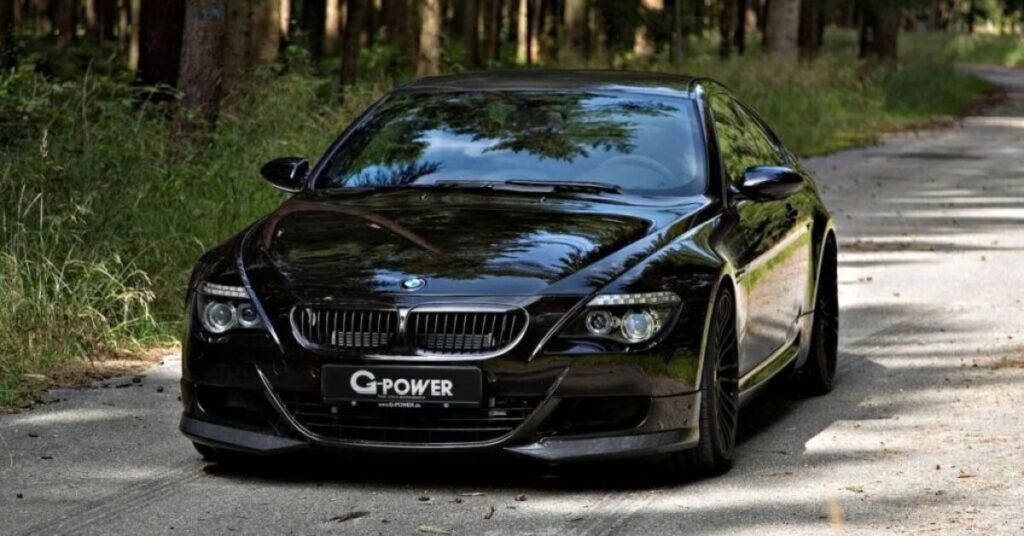
BMW offered the E61 with several petrol and diesel engines. The lineup included four-cylinder, six-cylinder, and V8 powerplants. BMW produced models such as the 520d, 525d, 530d, 530i, and 545i. The company also built the high-performance M5 Touring, which used a 5.0-liter S85 V10 engine. The V10 produced strong power and gave the M5 Touring impressive performance.
BMW designed the E61 to provide useful cargo space without sacrificing driving enjoyment. The rear seats fold down and increase the available cargo capacity. BMW also offered xDrive on selected models to provide additional traction. However, age can create suspension and electrical problems. Air-suspension components can develop faults on equipped models. Buyers should inspect the suspension, test electrical systems, check the air suspension, and review.
BMW N52
The BMW N52 is a naturally aspirated inline-six petrol engine. BMW introduced it in 2004 and offered it in several sizes, including 2.5 and 3.0 liters. The engine uses Valvetronic and Double-VANOS technology. These systems control valve operation, improve power delivery, and increase efficiency. BMW designed the N52 to deliver smooth performance without a turbocharger.
BMW used the N52 in models such as the E90 3 Series, E60 5 Series, E83 X3, and E85 Z4. The 3.0-liter N52B30 produced around 255 hp and 300 Nm of torque in some applications. The engine delivers smooth acceleration and provides predictable throttle response. Its naturally aspirated design gives drivers direct and linear power delivery. The engine responds quickly to throttle inputs and maintains smooth power across the rev range.
The N52 uses a magnesium-aluminum construction to reduce engine weight. However, age can create several maintenance concerns. The electric water pump can develop faults, while the valve-cover gasket can cause oil leaks. The oil-filter-housing gasket can also develop leaks. Plastic cooling-system components can become brittle with age. Regular maintenance can protect the engine and reduce repair costs. Detailed inspections can identify problems before they create expensive repairs.
BMW F10
The BMW F10 is the sixth-generation BMW 5 Series sedan. BMW introduced it for the 2011 model year and replaced the E60 with it. The F10 brought a more refined exterior design and added greater cabin comfort. BMW also increased interior space and upgraded the available technology. The company improved the suspension and added new comfort features to the model.
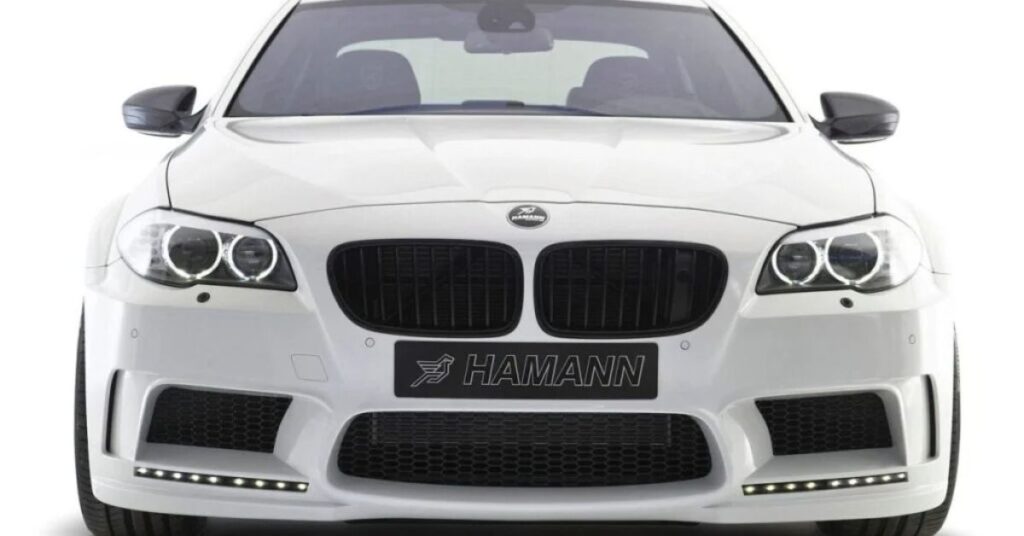
BMW offered the F10 with several petrol and diesel engines. The range included four-cylinder, six-cylinder, and V8 powerplants. The F10 M5 used a 4.4-liter twin-turbocharged V8 that produced 560 hp and 680 Nm of torque in standard form. BMW paired the engine with a seven-speed dual-clutch transmission. The powertrain delivered strong acceleration and supported high-speed performance. The turbochargers generated strong torque and gave the M5 rapid acceleration.
The F10 combines comfort with sporty handling. Its cabin uses premium materials and includes modern technology for its time. BMW offered features such as adaptive suspension, a head-up display, navigation, and driver-assistance systems. These features improved comfort, increased convenience, and enhanced driving control. Used buyers should inspect the engine, check the electronics, test the suspension, and review the complete service history before purchase.
BMW N20
The BMW N20 is a 2.0-liter turbocharged four-cylinder petrol engine. BMW introduced it in the early 2010s and used it to replace several naturally aspirated four-cylinder engines. The N20 uses direct fuel injection, Double-VANOS, and Valvetronic technology. BMW designed the engine to produce strong torque while maintaining good fuel efficiency. The turbocharger builds boost at low engine speeds and improves everyday acceleration.
BMW used the N20 in models such as the F10 5 Series, F30 3 Series, F32 4 Series, and X3. Power output changed according to the model and market. The 520i and 528i received different N20 tunes. The 528i produced around 240 hp and 350 Nm in many markets. The turbocharger builds torque at low engine speeds and provides responsive acceleration. The engine delivers strong mid-range power and supports efficient daily driving.
The N20 offers strong performance from a compact engine. However, some early examples can develop timing-chain problems. Timing-chain guides and chains can suffer wear and create serious engine damage if owners ignore the issue. Oil leaks and cooling-system faults can also appear with age. Regular inspections can identify early warning signs and prevent larger repairs. Buyers should inspect the timing system, check for leaks, review maintenance records, and confirm previous repairs before purchasing a used N20-powered BMW.
BMW G30
The BMW G30 is the seventh-generation BMW 5 Series sedan. BMW introduced it for the 2017 model year and replaced the F10. The G30 introduced a lighter body, updated styling, and newer technology. BMW also improved cabin comfort and added modern safety features. The company refined the chassis and increased the model’s overall efficiency.
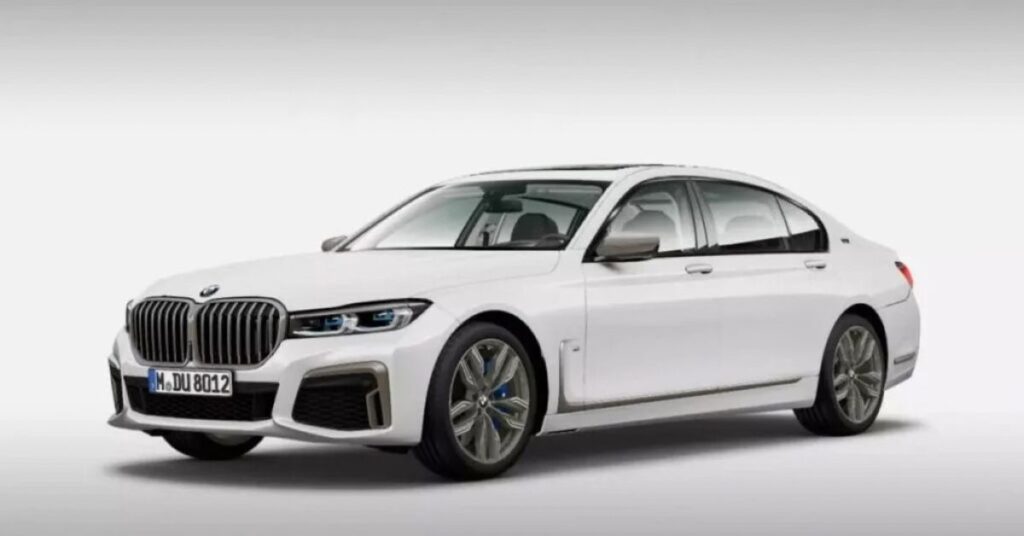
BMW offered the G30 with petrol, diesel, and plug-in hybrid engines. The range included four-cylinder and six-cylinder engines as well as powerful M Performance versions. The M550i xDrive uses a 4.4-liter twin-turbocharged V8 and produces 523 hp in later versions. Other models such as the 520i, 530i, 540i, and 530e provide different combinations of performance and efficiency. BMW matched these engines with automatic transmissions and offered xDrive on selected versions.
The G30 balances comfort with driving performance. Its cabin features BMW’s iDrive system and a digital instrument display. Higher trims add adaptive suspension, advanced driver-assistance systems, and premium interior equipment. These technologies improve comfort and increase driving convenience. Used buyers should check the service history, inspect electronic systems, test the cooling system, and examine the drivetrain before purchase.
BMW B48
The BMW B48 is a 2.0-liter turbocharged four-cylinder petrol engine. BMW introduced the B48 as part of its modular engine family and developed it to replace several older four-cylinder engines. The engine uses direct fuel injection, TwinPower Turbo technology, and Valvetronic. BMW designed the B48 to deliver strong performance, produce useful torque, and maintain good fuel efficiency. Its compact construction supports efficient engine packaging and reduces overall weight. BMW also equipped the engine with modern systems that improve throttle response and increase driving efficiency.
BMW uses the B48 in models such as the 3 Series, 4 Series, 5 Series, X1, X3, and Z4. Different versions produce different power outputs because BMW adjusts their tuning for specific models and markets. Many versions deliver between 180 and 255 hp. The engine generates strong torque and provides responsive acceleration. BMW pairs the B48 with automatic transmissions and offers xDrive all-wheel drive on selected models. The turbocharger builds boost quickly, increases low-end torque, and gives the engine strong initial response. These features help the B48 deliver useful performance during everyday driving.
The B48 combines power, efficiency, and everyday usability. Its turbocharger delivers strong torque and improves acceleration across the rev range. BMW also uses the B48 in hybrid applications and adds electric assistance to selected powertrains. Regular oil changes protect internal engine components and support long-term performance. Fresh engine oil reduces friction and helps the engine maintain smooth operation. Cooling-system checks help owners identify leaks, prevent overheating, and protect important components. Used-car buyers should inspect the engine, check oil leaks, test the cooling system, examine the turbocharger, and review maintenance records before purchase. These inspections can identify faults, confirm previous repairs, and reduce unexpected repair costs.
BMW G60
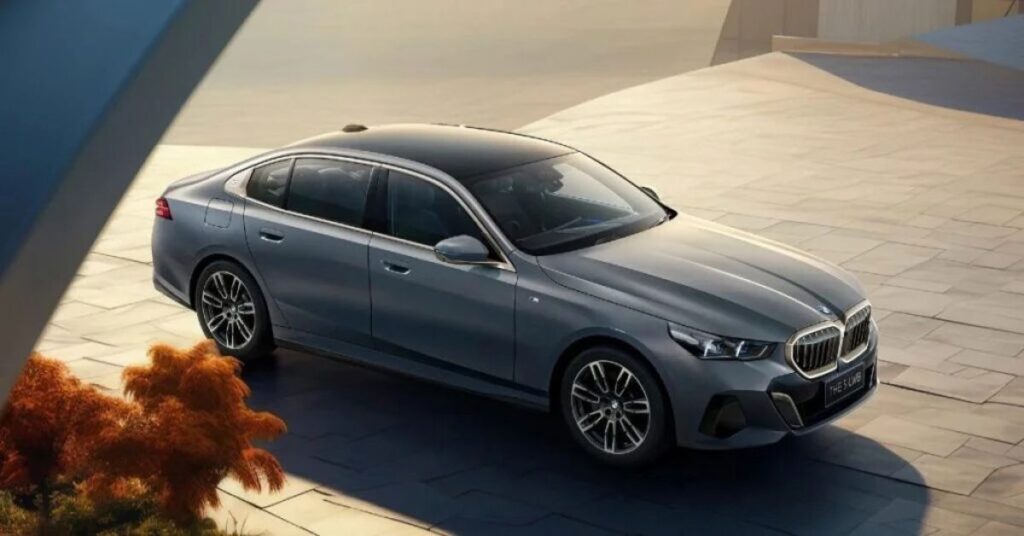
The BMW G60 is the eighth-generation BMW 5 Series sedan. BMW introduced it for the 2024 model year. The G60 features a larger body, a modern exterior, and a redesigned cabin. BMW offers petrol, diesel, plug-in hybrid, and fully electric powertrains across the range. The company added newer technology and expanded the model’s digital features.
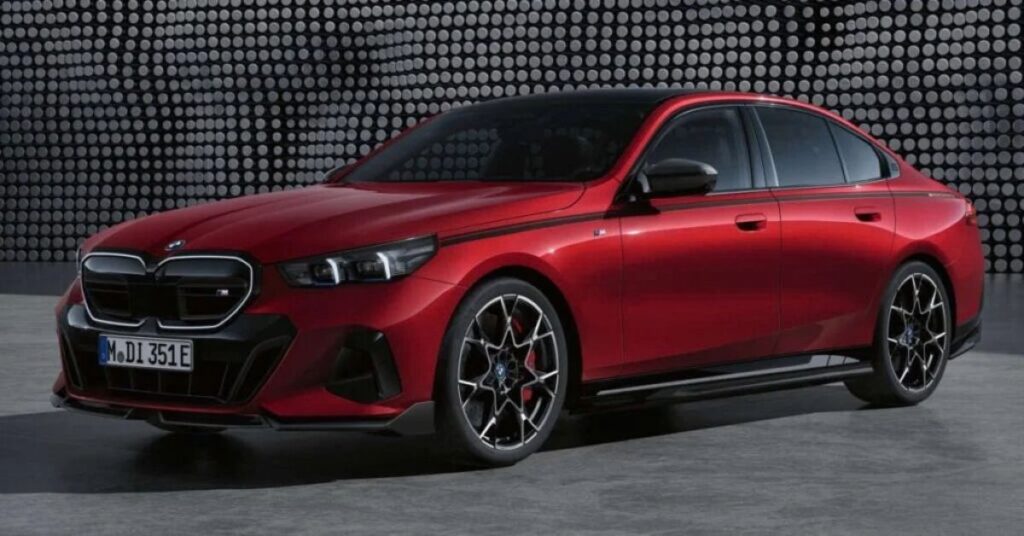
BMW provides different engines and power levels for the G60. The 530i uses a 2.0-liter turbocharged four-cylinder engine. The 540i uses a 3.0-liter turbocharged inline-six with mild-hybrid technology. The electric i5 models use BMW’s fifth-generation eDrive technology. These powertrains give buyers different performance and efficiency options. BMW matches each powertrain with technology that supports smooth acceleration and efficient driving.
The G60 combines comfort, technology, and efficient performance. Its cabin features the BMW Curved Display and the latest iDrive system. BMW adds advanced driver-assistance features and digital connectivity to selected versions. The G60 provides several powertrain choices and supports different driving needs. Its modern technology improves convenience and enhances t
Comparison Table
The BMW 5 Series has changed significantly across its generations. Each generation uses different engines and technology. Older models focus on simple mechanical design. Newer models offer turbocharging, hybrid systems, and advanced digital features.
The table below compares key BMW 5 Series generations and engines. It includes the model, generation, engine, powertrain type, and general character. This makes it easier to see how the 5 Series developed over time.
BMW 5 Series Table
| Model / Engine | Type | Engine Option | Key Feature | Price (USD approx.) | Price (PKR approx.) |
| BMW E12 | 5 Series | 4- and 6-cylinder petrol | First-generation classic | $8,000–$15,000 | 22–42 lakh |
| BMW E28 | 5 Series | 4- and 6-cylinder petrol | Classic boxy styling | $10,000–$18,000 | 28–50 lakh |
| BMW E34 | 5 Series | 4- and 6-cylinder petrol/diesel | Solid build quality | $12,000–$20,000 | 34–56 lakh |
| BMW E39 | 5 Series | 6-cylinder and V8 | Classic balance | $15,000–$25,000 | 42–70 lakh |
| BMW E61 | Touring | 6-cylinder engines | Practical wagon design | $8,000–$20,000 | 22–56 lakh |
| BMW F10 | 5 Series | N20, N52, N55, N63 | Modern luxury and comfort | $20,000–$40,000 | 56 lakh–1.1 crore |
| BMW G30 | 5 Series | B48, B58, diesel, hybrid | Advanced technology | $45,000–$70,000 | 1.25–2 crore |
| BMW G60 | 5 Series | B48, B58, hybrid/EV | Latest-generation design | $60,000–$75,000 | 1.7–2.1 crore |
| BMW 518 | Sedan | Small petrol engine | Entry-level 5 Series | $10,000–$25,000 | 28–70 lakh |
| BMW 520i | Sedan | 4-cylinder petrol | Efficient daily performance | $55,000–$65,000 | 1.5–1.8 crore |
| BMW 520d | Diesel | 4-cylinder diesel | Strong fuel economy | $55,000–$68,000 | 1.5–1.9 crore |
| BMW 525i | Sedan | M52/M54 6-cylinder petrol | Balanced performance | $10,000–$20,000 | 28–56 lakh |
| BMW 525d | Diesel | 6-cylinder diesel | Strong torque | $15,000–$25,000 | 42–70 lakh |
| BMW 528i | Sedan | N20/B48 4-cylinder turbo | Comfort and efficiency | $18,000–$30,000 | 50–85 lakh |
| BMW 530i (2025) | Sedan | B48 mild-hybrid | Modern technology | $60,000–$62,000 | 1.7–1.8 crore |
| BMW 530d | Diesel | 6-cylinder diesel | Power and efficiency | $60,000–$75,000 | 1.7–2.1 crore |
| BMW 530e | Hybrid | B48 + electric motor | Petrol and electric power | $55,000–$70,000 | 1.5–2 crore |
| BMW 535i | Sedan | N54/N55 turbo petrol | Sporty performance | $30,000–$55,000 | 85 lakh–1.5 crore |
| BMW 535d | Diesel | 6-cylinder twin-turbo diesel | High torque output | $40,000–$70,000 | 1.1–2 crore |
| BMW 540i | Sedan | B58 6-cylinder turbo | Smooth and powerful | $65,000–$80,000 | 1.8–2.3 crore |
| BMW 540d | Diesel | 6-cylinder turbo diesel | Strong performance | $65,000–$85,000 | 1.8–2.4 crore |
| BMW 545e | Hybrid | 6-cylinder plug-in hybrid | Powerful hybrid system | $70,000–$90,000 | 2–2.5 crore |
| BMW 550i | Sedan | N63 twin-turbo V8 | High-performance luxury | $60,000–$100,000 | 1.7–2.8 crore |
| BMW i5 | Electric | Fully electric eDrive | Electric luxury sedan | $67,000–$80,000 | 1.9–2.2 crore |
Conclusion
The BMW 5 Series has evolved significantly over the years. Each generation introduced new engines, refined the exterior design, and added advanced technology. BMW improved the chassis, upgraded the cabin, and expanded the available features. Older models deliver classic styling and provide a simple mechanical character. Newer models combine strong performance, comfort, efficiency, and digital technology.
The current range includes petrol, diesel, plug-in hybrid, and fully electric models. BMW uses engines such as the B48 and B58 to deliver strong performance and smooth power. The i5 brings electric power to the 5 Series lineup and provides quiet, zero-emission driving. Advanced systems improve cabin comfort, support the driver, and enhance everyday convenience. Buyers should consider their driving style, compare available powertrains, evaluate their budget, and choose a model that meets their ownership needs.
FAQs
1. What is the BMW 5 Series?
The BMW 5 Series is a luxury executive sedan that combines comfort, technology, performance, and premium design. BMW builds it to provide a refined driving experience and support comfortable daily and long-distance travel.
2. Which engines are available in the BMW 5 Series?
Depending on the generation and market, BMW has offered petrol, diesel, plug-in hybrid, and fully electric powertrains. These powertrains provide different levels of performance and efficiency and give buyers several driving options.
3. What is the BMW B58 engine?
The B58 is a 3.0-liter turbocharged inline-six petrol engine. BMW developed it to deliver strong performance and smooth power. The engine produces strong torque, provides quick acceleration, and supports responsive everyday driving.
4. What is the BMW i5?
The BMW i5 is the fully electric version of the 5 Series. It uses BMW eDrive technology to deliver electric performance and provide quiet, zero-emission driving. Its electric powertrain supplies power to the wheels without using a traditional petrol engine.
5. Which BMW 5 Series generation is the newest?
The G60 represents the eighth-generation 5 Series. BMW offers this generation with different powertrain options, depending on the market. These options include petrol, diesel, plug-in hybrid, and fully electric systems. BMW matches these powertrains with modern technology to improve comfort, efficiency, and driving performance.
Related Posts
BMW X1 Buying Guide: Everything You Need to Know
The BMW X1 is a compact luxury SUV that combines…
BMW Introduction: A Complete Guide to the Brand
BMW is one of the most famous car brands in…
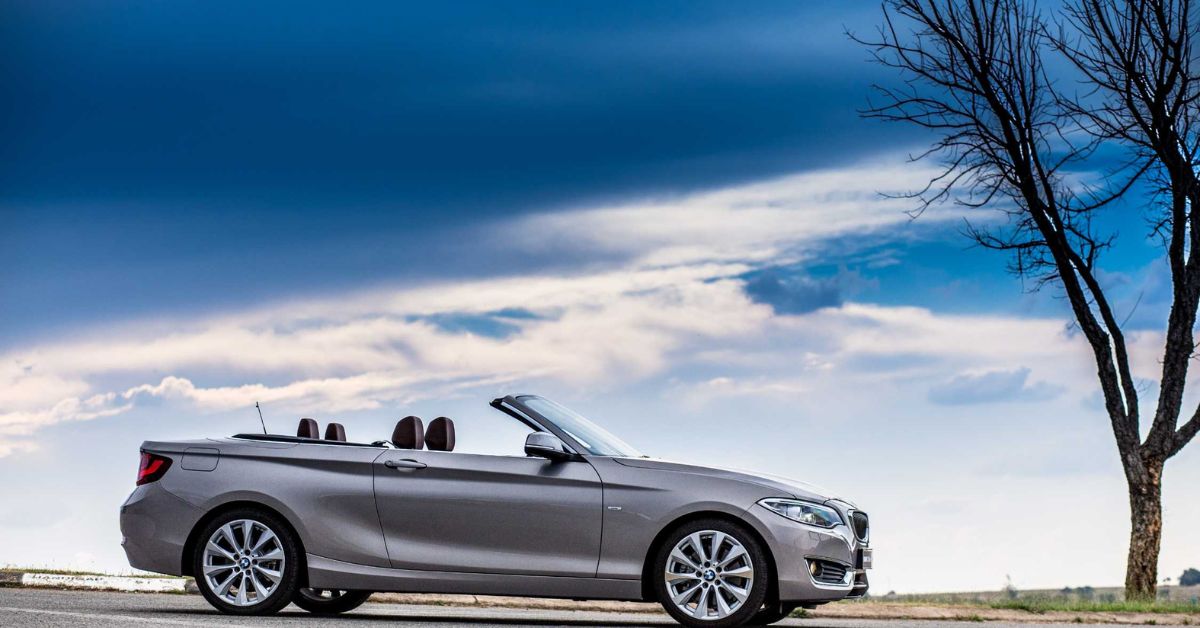
BMW 2 Series Generations: A Complete Model Guide
The BMW 2 Series is a compact car range that…