
The BMW X3 is a compact luxury SUV that combines comfort, performance, and everyday practicality. It offers premium features, advanced technology, and a spacious interior for families and daily drivers. With multiple engine options and trim levels, the BMW X3 is designed to suit different driving needs and lifestyles.
If you’re thinking about buying a BMW X3, choosing the right model can feel confusing. Different model years, trims, features, and prices all affect your decision. Knowing what each version offers can help you avoid costly mistakes and find the best value for your budget.
This guide covers everything you need to know about the BMW X3. You’ll learn about its generations, design, interior, engines, technology, safety features, specifications, prices, and trim levels. We’ll also compare it with its competitors and highlight the best BMW X3 model years to help you make a confident buying decision.
Why Buy the BMW X3?
The BMW X3 is a great choice if you want a luxury SUV that is comfortable, practical, and fun to drive. It has a premium interior, modern technology, and enough space for families, commuters, and road trips. It also offers a smooth ride while still feeling sporty on the road.
One of the biggest reasons people choose the BMW X3 is its strong performance. The available engines deliver quick acceleration, and the handling is more responsive than that of many rivals. Whether you choose rear-wheel drive or BMW’s xDrive all-wheel drive, the X3 feels confident in different driving conditions.
The BMW X3 also offers a good balance between luxury and everyday usability. It has advanced safety features, a user-friendly infotainment system, and a spacious cargo area. With several trim levels and engine options, buyers can easily find a BMW X3 that fits their needs and budget.
BMW X3 Exterior Design
The BMW X3 has a modern and sporty design that stands out on the road. It features BMW’s signature kidney grille, sleek LED headlights, and clean body lines. The SUV has a bold look without being too aggressive, making it suitable for both city driving and long trips.
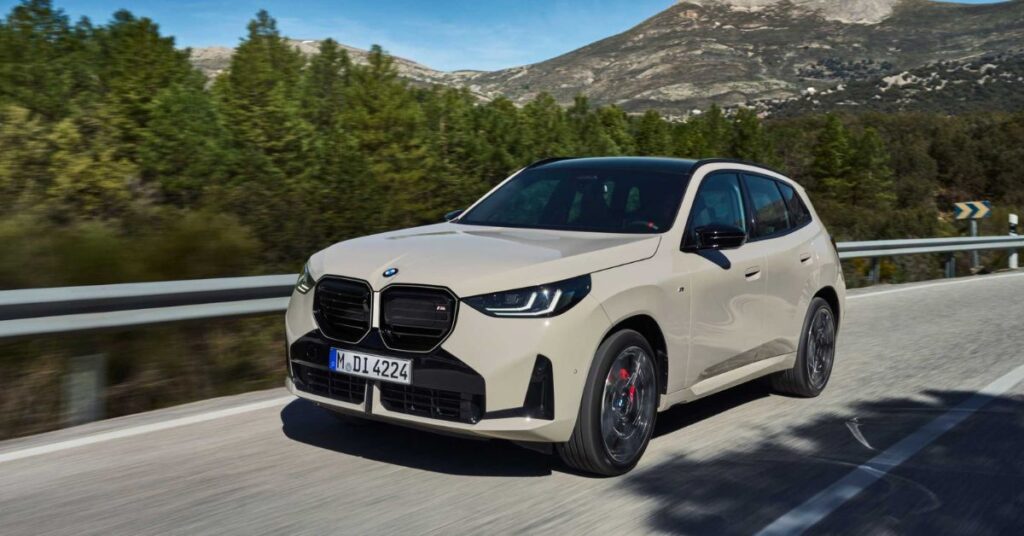
The side profile gives the BMW X3 a balanced and athletic appearance. Depending on the trim level, it comes with different wheel designs ranging from 18 to 21 inches. Buyers can also choose from a variety of exterior colors to match their personal style.
At the rear, the BMW X3 has stylish LED taillights, a roof spoiler, and dual exhaust outlets on many models. The power tailgate adds convenience when loading cargo. Overall, the exterior design blends luxury, practicality, and sporty styling, making the X3 one of the most attractive SUVs in its class.
BMW X3 Interior and Cargo Space
The BMW X3 has a premium interior with high-quality materials and a clean dashboard design. Soft-touch surfaces, supportive seats, and quality finishes give the cabin a luxury feel. The layout is simple, making the controls easy to reach and use.
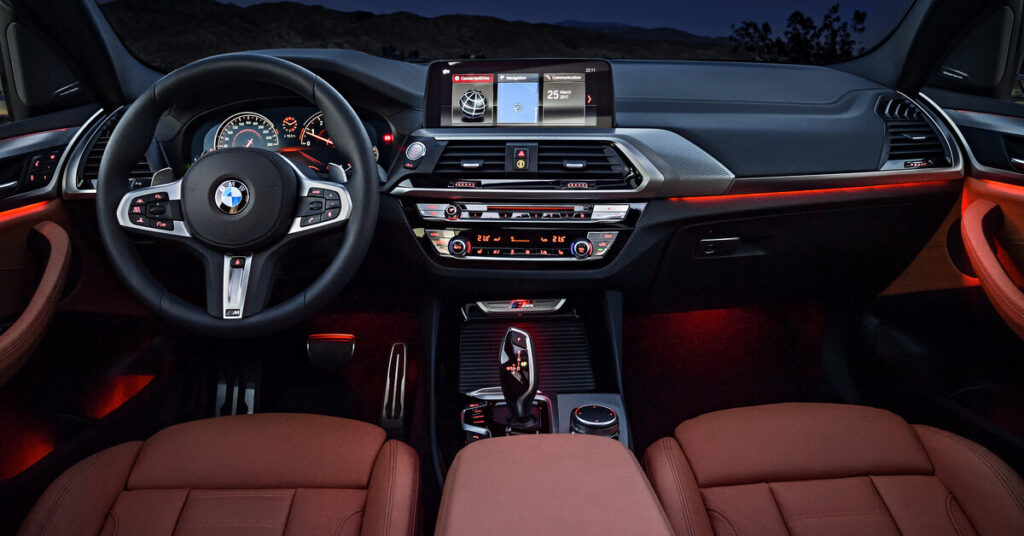
The SUV offers plenty of room for both front and rear passengers. Adults can sit comfortably in both rows, even on longer trips. Many models also include features like heated seats, ambient lighting, and a panoramic sunroof for added comfort.
The BMW X3 also provides generous cargo space for everyday use. The rear cargo area is large enough for groceries, luggage, sports gear, or strollers. Folding the rear seats creates even more storage space, making the X3 a practical choice for families and travelers.
BMW X3 Engine and Performance
The BMW X3 is available with several engine options to suit different driving styles. Most models come with a turbocharged four-cylinder engine that offers a good mix of power and fuel efficiency. Buyers seeking greater performance can choose a six-cylinder model for quicker acceleration and stronger passing power.
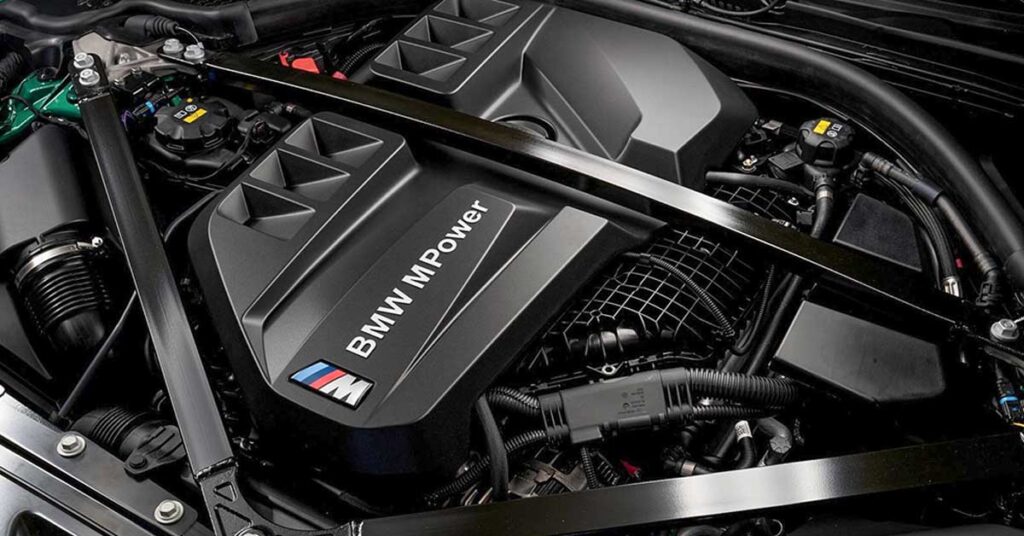
One of the BMW X3’s biggest strengths is how it drives. The steering feels precise, and the suspension provides a smooth ride while keeping the SUV stable in corners. Whether you’re driving in the city or on the highway, the X3 feels confident and easy to control.
Many BMW X3 models are equipped with BMW’s xDrive all-wheel-drive system, which improves traction on wet, snowy, or uneven roads. The SUV also offers different driving modes, allowing drivers to choose between comfort, sport, and efficiency. This balance of performance and everyday usability makes the BMW X3 enjoyable to drive in almost any situation.
BMW X3 Features and Technology
The BMW X3 comes with many modern features that make every drive more enjoyable. Most models include a large touchscreen, a digital instrument cluster, Bluetooth, Apple CarPlay, and Android Auto. The infotainment system is easy to use and responds quickly to commands.
Comfort and convenience features are also a big part of the BMW X3. Depending on the trim, you may get wireless phone charging, keyless entry, a head-up display, and a premium sound system. Dual-zone or three-zone climate control helps keep everyone comfortable during the drive.
The BMW X3 also offers advanced technology to improve the driving experience. Features such as navigation, voice controls, parking sensors, and a surround-view camera make daily driving easier. Regular software updates and connected services help keep the SUV modern and user-friendly.
BMW X3 Safety Features
The BMW X3 is designed with safety as a top priority. It has a robust body structure and features multiple airbags to help protect passengers in a collision. Many models have also earned high safety ratings in crash tests.
Standard safety features on the BMW X3 include automatic emergency braking, forward collision warning, lane departure warning, and a rearview camera. These systems help drivers avoid accidents and make everyday driving more confident and secure.
Higher trim levels offer even more advanced driver-assistance features. These may include adaptive cruise control, blind-spot monitoring, lane-keeping assist, parking assistance, and a 360-degree camera system. Together, these technologies make the BMW X3 a safe and reliable choice for families and daily commuters.
BMW X3 Trim Levels
The BMW X3 is available in several trim levels, giving buyers options to match their budget and driving needs. The base models focus on comfort, technology, and everyday practicality. Higher trims add more luxury features, stronger engines, and sportier styling.
Popular trims include the sDrive30i and xDrive30i, both powered by a turbocharged four-cylinder engine. The main difference is that the sDrive30i uses rear-wheel drive, while the xDrive30i comes with BMW’s all-wheel-drive system for better traction in different weather conditions.
For buyers who want more performance, the M40i and X3 M are excellent choices. These models feature more powerful engines, upgraded suspension, larger brakes, and unique exterior and interior details. They deliver faster acceleration while keeping the comfort and practicality that make the BMW X3 a popular luxury SUV.
BMW X3 Specifications
The BMW X3 is a compact luxury SUV that seats up to five passengers. It is available with turbocharged four-cylinder and six-cylinder engines, depending on the trim level. Every model uses an eight-speed automatic transmission for smooth and responsive shifting.
Buyers can choose between rear-wheel drive on the sDrive models or BMW’s xDrive all-wheel-drive system for better grip in different weather conditions. The X3 delivers strong acceleration, stable handling, and a comfortable ride, making it suitable for both city driving and long highway trips.
The BMW X3 also offers practical dimensions and plenty of interior space. It has a roomy cabin, generous cargo capacity, and enough towing capability for small trailers or recreational equipment. Combined with its fuel-efficient engines and premium features, the X3 provides a well-balanced package for everyday driving.
BMW X3 Prices
The price of a BMW X3 depends on the model year, trim level, mileage, and overall condition. Newer models with advanced features and low mileage usually cost more, while older models are available at lower prices. Optional packages and performance trims can also increase the price.
A brand-new BMW X3 typically starts at around $50,000, while higher-performance models can cost $65,000 or more. In the used market, older BMW X3 models can be found for under $15,000, while recent used models often range between $25,000 and $45,000, depending on their condition and equipment.
Besides the purchase price, buyers should also consider ownership costs. These include insurance, maintenance, fuel, and repairs. Setting a realistic budget for both the vehicle and its ongoing expenses will help you enjoy your BMW X3 without unexpected costs.
BMW X3 Pros and Cons
The BMW X3 offers a great balance of luxury, performance, and everyday practicality. It has a premium interior, smooth handling, modern technology, and plenty of cargo space. However, like any vehicle, it also has a few drawbacks that buyers should consider before making a purchase.
Pros
- Strong engine options with excellent performance
- Premium and comfortable interior
- Spacious cabin and large cargo area
- Easy-to-use infotainment system
- Advanced safety and driver-assistance features
- Available xDrive all-wheel drive for better traction
Cons
- Higher maintenance and repair costs than non-luxury SUVs
- Premium fuel is recommended
- Optional features can significantly increase the price
- Firm ride on larger wheels and sport-focused trims
- Some older models may have costly repair issues after high mileage
BMW X3 Wheels
The BMW X3 comes with a variety of wheel sizes and designs to match different trim levels. Most models are equipped with 18-inch or 19-inch alloy wheels as standard, while higher trims can include 20-inch or 21-inch wheels. Larger wheels give the SUV a sportier appearance but may result in a firmer ride.
BMW offers several wheel styles, including multi-spoke, double-spoke, and M Sport designs. Buyers can also choose different finishes, such as silver, black, or two-tone options. These choices allow owners to customize the look of their BMW X3 while maintaining its premium appearance.
When replacing BMW X3 wheels, it is important to choose the correct size and offset recommended by BMW. Using the proper wheels helps maintain ride comfort, handling, and safety. Regular cleaning and checking for damage can also help keep the wheels in excellent condition and extend their lifespan.
BMW X3 vs Competitors
The BMW X3 competes with several popular luxury compact SUVs, including the Audi Q5, Mercedes-Benz GLC, Volvo XC60, Lexus NX, and Acura RDX. It stands out for its sporty handling, powerful engine options, and premium interior. Buyers who enjoy an engaging driving experience often prefer the X3 over many of its rivals.
Each competitor has its own strengths. The Audi Q5 offers a refined cabin, the Mercedes-Benz GLC focuses on luxury, the Volvo XC60 is known for safety, the Lexus NX has a strong reputation for reliability, and the Acura RDX provides excellent value. The BMW X3 delivers a well-rounded package by combining performance, comfort, technology, and practicality.
| Feature | BMW X3 | Audi Q5 | Mercedes-Benz GLC | Volvo XC60 | Lexus NX | Acura RDX |
| Vehicle Type | Compact Luxury SUV | Compact Luxury SUV | Compact Luxury SUV | Compact Luxury SUV | Compact Luxury SUV | Compact Luxury SUV |
| Seating Capacity | 5 | 5 | 5 | 5 | 5 | 5 |
| Base Engine | 2.0L Turbo I4 | 2.0L Turbo I4 | 2.0L Turbo I4 | 2.0L Turbo I4 | 2.4L Turbo Hybrid / 2.5L Hybrid | 2.0L Turbo I4 |
| Maximum Horsepower | Up to 503 hp | Up to 362 hp | Up to 671 hp (AMG) | Up to 455 hp | Up to 304 hp | 272 hp |
| Transmission | 8-Speed Automatic | 7-Speed Dual-Clutch | 9-Speed Automatic | 8-Speed Automatic | CVT / Automatic | 10-Speed Automatic |
| AWD Available | Yes (xDrive) | Yes (quattro) | Yes (4MATIC) | Yes | Yes | Yes (SH-AWD) |
| Cargo Space | Up to 62.7 cu ft | Up to 54.0 cu ft | Up to 56.3 cu ft | Up to 63.3 cu ft | Up to 46.9 cu ft | Up to 79.8 cu ft |
| Fuel Economy (Approx.) | 21–29 MPG | 25–28 MPG | 23–29 MPG | 23–30 MPG | 36–39 MPG (Hybrid) | 22–28 MPG |
| Starting Price (Approx.) | $50,000 | $48,000 | $51,000 | $48,000 | $43,000 | $46,000 |
| Best For | Balanced Performance | Premium Comfort | Luxury Experience | Safety | Reliability & Efficiency | Value for Money |
13. Best BMW X3 Model Year
The best BMW X3 model year depends on your budget and what you want from the SUV. Many buyers consider the 2022 and newer models to be the best because they offer updated technology, improved safety features, refined engines, and a modern interior. These models also benefit from the latest design and software improvements.
If you are shopping for a used BMW X3, the 2019 to 2021 models are excellent choices. They provide many modern features at a lower price than brand-new models. These years are known for good reliability, strong performance, and a comfortable driving experience when they have been properly maintained.
Older BMW X3 models can also be a good value, but it is important to check the vehicle’s maintenance history before buying. A well-maintained X3 with complete service records is often a better choice than a newer model with poor maintenance. Taking the time to inspect the vehicle and review its history can help you make a smarter purchase.
Best BMW X3 Model Year
The best BMW X3 model year depends on your budget and what you want from the SUV. Many buyers consider the 2022 and newer models to be the best because they offer updated technology, improved safety features, refined engines, and a modern interior. These models also benefit from the latest design and software improvements.
If you are shopping for a used BMW X3, the 2019 to 2021 models are excellent choices. They provide many modern features at a lower price than brand-new models. These years are known for good reliability, strong performance, and a comfortable driving experience when they have been properly maintained.
Older BMW X3 models can also be a good value, but it is important to check the vehicle’s maintenance history before buying. A well-maintained X3 with complete service records is often a better choice than a newer model with poor maintenance. Taking the time to inspect the vehicle and review its history can help you make a smarter purchase.
Conclusion
The BMW X3 is a well-rounded luxury SUV that offers a great mix of performance, comfort, technology, and practicality. It is suitable for daily commuting, family trips, and long-distance driving. With several trim levels and engine options, there is a BMW X3 for different budgets and driving needs.
Before buying a BMW X3, compare model years, check the vehicle’s condition, and review its maintenance history if you are choosing a used model. Taking time to research your options will help you make a better decision. With the right model, the BMW X3 can provide a comfortable and enjoyable ownership experience for many years.
FAQs
1. Is the BMW X3 a reliable SUV?
Yes. The BMW X3 is generally considered reliable, especially newer models that receive regular maintenance and timely servicing.
2. Which BMW X3 model year is the best to buy?
The 2022 and newer models are among the best for modern features, while the 2019–2021 models offer excellent value in the used market.
3. Does the BMW X3 require premium fuel?
Yes. BMW recommends using premium unleaded fuel to achieve the best performance and fuel efficiency.
4. Is the BMW X3 good for families?
Yes. It offers seating for five, a spacious cabin, advanced safety features, and a large cargo area for everyday family use.
5. How much cargo space does the BMW X3 have?
The BMW X3 provides generous cargo space, with up to 62.7 cubic feet available when the rear seats are folded down.
Related Posts
BMW Introduction: A Complete Guide to the Brand
BMW is one of the most famous car brands in…
BMW 118i Review: Performance, Specs and Price
The BMW 118i is a premium compact hatchback designed for…
BMW XM: Complete Buying Guide, Specs, Price & Features
The BMW XM is a luxury performance SUV from BMW’s…