
The BMW Z1 is a two-seat sports car produced from 1989 to 1991. It was the first model developed by BMW Technik. The car is best known for its unusual doors that slide down into the body.
The Z1 was not designed like an ordinary roadster. Its bold shape, removable body panels, and unique doors made it stand out. Even today, it attracts attention from classic car fans and collectors.
This guide covers the main BMW Z1 specifications, including its engine, performance, dimensions, and features. It also looks at its original price and current market value. You will also learn what makes this rare BMW such a special car.
BMW Z1 Production Years
The BMW Z1 was produced from 1989 to 1991. BMW Technik, a special research division, developed it. The car was created to test new design and engineering ideas.
Only around 8,000 Z1 cars were built. Most of them were sold in Germany and other European countries. Its limited production makes it rare today.
The Z1 had a short production period, but it made a strong impact. Its sliding doors and removable body panels were unusual features. These details helped the car become a valuable modern classic.
History of the BMW Z1
The BMW Z1 began as an experimental project in the mid-1980s. It was developed by BMW Technik, a team created to explore new ideas. The project showed what future BMW sports cars could look like and how they could perform.
BMW first presented the Z1 to the public in 1987. Its unusual design quickly attracted attention. The doors slid down into the body, while the plastic exterior panels could be removed and replaced.
Production started in 1989 and ended in 1991. Around 8,000 cars were built during this period. Although its production run was short, the Z1 became an important part of the company’s history.
BMW Z1 Engine Specs
The BMW Z1 uses a 2.5-liter inline-six petrol engine. It is the same basic engine found in the BMW 325i of that time. The engine produces around 170 horsepower.
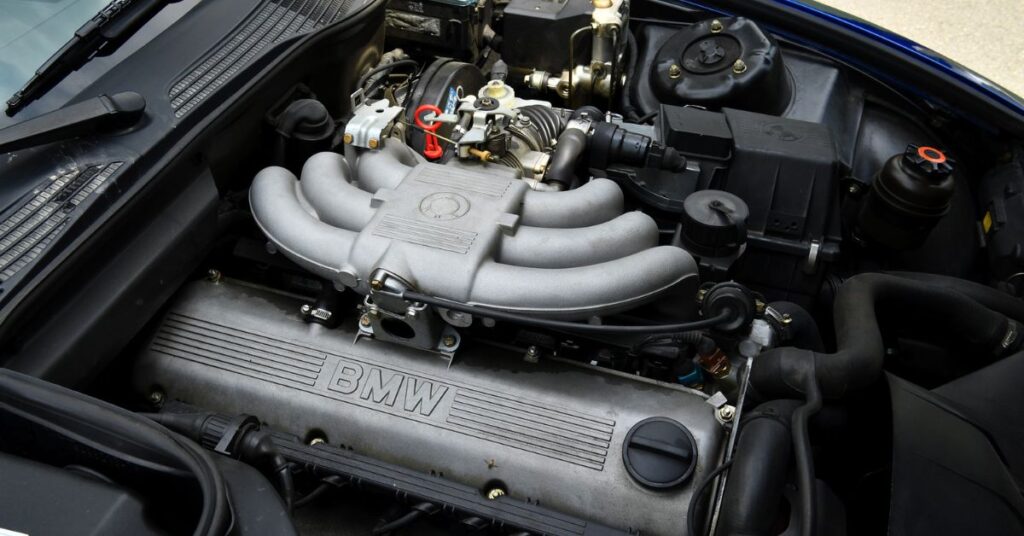
Power is sent to the rear wheels through a five-speed manual gearbox. The engine delivers smooth performance and a sporty sound. Its simple design also makes it familiar to many BMW specialists.
The BMW Z1 can accelerate from 0 to 100 km/h in about eight seconds. Its top speed is around 225 km/h. These figures are modest today, but the car still offers an enjoyable driving experience.
Unique Design and Styling
The BMW Z1 has a bold and unusual design. Its smooth body shape gives it a clean and modern look. The car still looks different from many other roadsters of its time.
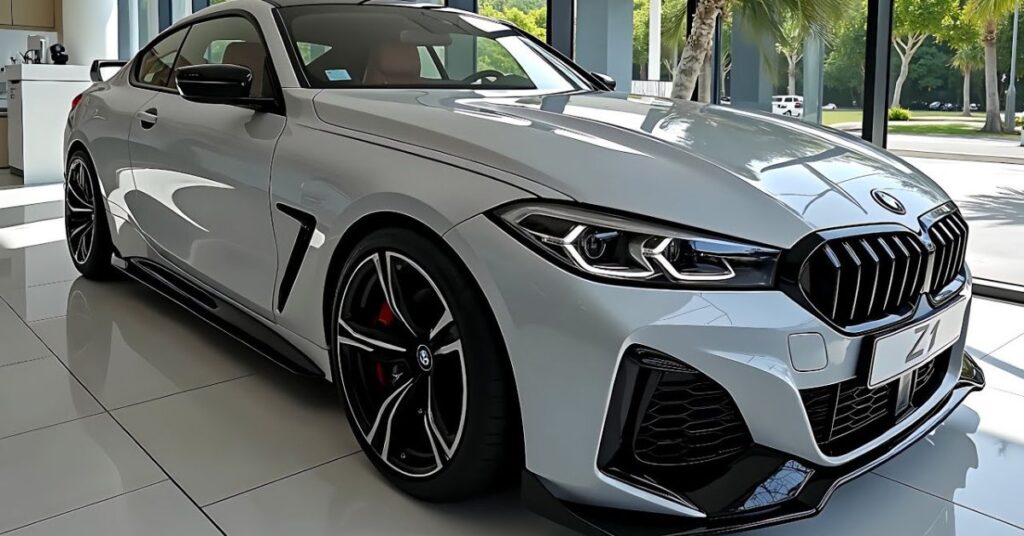
One of its most famous features is the sliding door system. The doors move down into the body instead of opening outward. Drivers can even move the car with the doors lowered.
The exterior panels are made from lightweight plastic. Many of these panels can be removed and replaced. This special design made the Z1 an important experiment in styling.
Performance and Top Speed
The Z1 offers smooth and balanced performance. Its 2.5-liter six-cylinder engine produces around 170 horsepower. Power goes to the rear wheels through a five-speed manual gearbox.
The car can accelerate from 0 to 100 km/h in about eight seconds. Its top speed is around 225 km/h, or 140 mph. These figures were impressive for a roadster of its time.
The Z1 feels light and responsive on the road. Its low seating position adds to the sporty experience. It may not match modern sports cars, but it remains enjoyable to drive.
Sliding Door System
The BMW Z1 is famous for its unusual sliding doors. Instead of opening outward, the doors move down into the car’s body. This gives the roadster a very distinctive look.
The doors are operated by an electric system. They can be raised or lowered using a button. The car can also be driven with the doors down, which creates a more open feeling.
This system was advanced for its time. It made the BMW different from every other sports car on the road. However, repairs can be costly if the door mechanism stops working.
BMW Z1 vs Competitors
The BMW Z1 competed with several open-top sports cars in the late 1980s and early 1990s. The Mazda MX-5 focused on low weight and simple driving fun. The Porsche 944 S2 Cabriolet offered more power and higher speed. The Z1 stood between them as a rare and experimental roadster.
The Porsche was the strongest performer in this comparison. The Mazda was lighter and more affordable for everyday drivers. The BMW offered a smooth six-cylinder engine, rear-wheel drive, and a top speed of 225 km/h. Its sliding doors and removable body panels made it the most unusual choice.
| Feature | BMW Z1 | Mazda MX-5 NA | Porsche 944 S2 Cabriolet |
| Production period | 1989–1991 | 1989–1997 | 1989–1991 |
| Body style | Two-seat roadster | Two-seat roadster | Two-seat convertible |
| Engine size | 2.5-liter | 1.6-liter | 3.0-liter |
| Engine type | Inline-six | Inline-four | Inline-four |
| Power | 170 hp | Around 115 PS | 211 hp |
| Transmission | Five-speed manual | Five-speed manual | Five-speed manual |
| Drive system | Rear-wheel drive | Rear-wheel drive | Rear-wheel drive |
| Top speed | 225 km/h | Around 190 km/h | 240 km/h |
| Main strength | Unique design and smooth engine | Light and easy to drive | Strong power and speed |
| Special feature | Doors slide into the body | Lightweight manual roof | Powerful 3.0-liter engine |
| Driving character | Balanced and refined | Simple and playful | Fast and more serious |
| Rarity | Very rare | Widely available | Rare in Cabriolet form |
| Best suited for | Collectors and BMW fans | New classic-car owners | Performance-focused buyers |
BMW Z1 Buying Tips
Buying a BMW Z1 requires careful checking. Look for a car with complete service records and regular maintenance. A well-kept example may cost more, but it can reduce future repair problems.
Check the sliding doors, roof, engine, and body panels before making a decision. Replacement parts can be expensive and difficult to find. It is also wise to ask a BMW classic-car specialist to inspect the vehicle.
- Test both sliding doors several times.
- Check the plastic body panels for cracks.
- Look for leaks around the soft top.
- Inspect the suspension and brakes.
- Confirm that the engine runs smoothly.
- Check the car’s mileage and service history.
- Choose an original car with fewer modifications.
BMW Z1 Interior
The BMW Z1 interior has a simple and sporty design. It provides seating for two people. The low seats help create a close connection with the road.
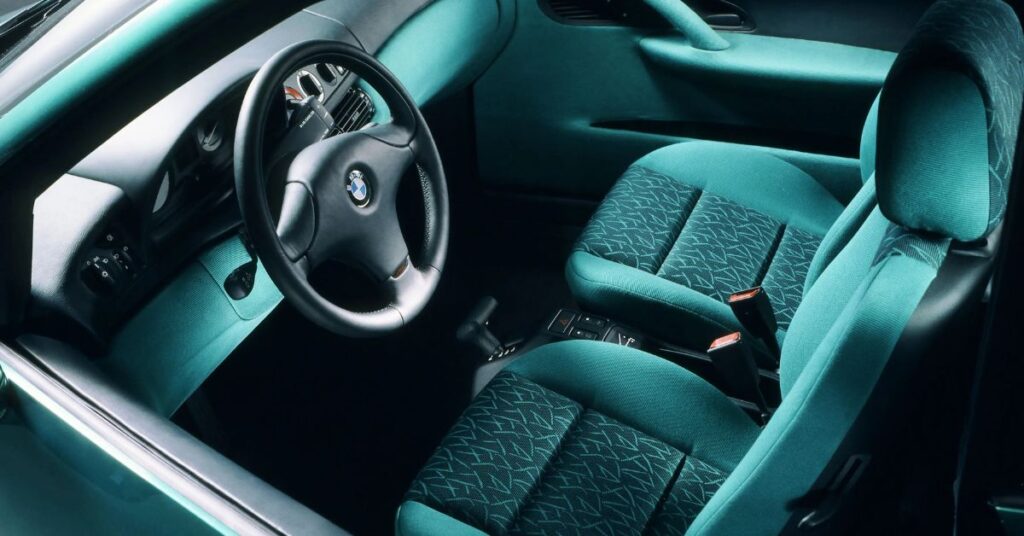
The dashboard is clean and easy to understand. Most controls are placed within easy reach of the driver. The cabin also uses familiar BMW parts from the same period.
Storage space is limited because the Z1 is a compact roadster. The seats offer good support during cornering. Its open cabin and unusual doors make every drive feel special.
Dimensions and Weight
The BMW Z1 is a compact two-seat roadster. It is about 3.92 metres long, 1.69 metres wide, and 1.28 metres tall. Its small size makes it easy to handle on narrow roads.
The car has a wheelbase of around 2.45 metres. It also has a wide track and a low body. These features help the Z1 feel stable when turning.
It weighs around 1,250 kg. Its plastic exterior panels help control its overall weight. The balanced design gives the car a light and responsive driving feel.
BMW Z1 Price and Value
The BMW was an expensive sports car when it was new. Its official price was around DM 83,000 in Germany. This high price reflected its advanced design and limited production.
Today, the BMW is a valuable collector’s car. Its average recorded sale price is around $57,000, while the current market benchmark is about $58,500. Prices can change based on mileage, condition, colour, and service history.
Original cars in excellent condition usually have the highest value. Low mileage and complete documents can also increase the price. Cars with damaged doors, cracked body panels, or poor maintenance are often worth less
Production Numbers and Rarity
BMW produced only 8,000 units of the Z1. Production took place between 1989 and 1991. During that time, most cars were sold in Germany and other European countries. As a result, the model remained quite exclusive from the beginning. In fact, very few examples reached markets outside Europe.
The limited production run makes the BMW Z1 rare today. Therefore, it is much harder to find than many other BMW models from the same period. In addition, some colours and well-preserved examples are especially uncommon. Because of this, collectors often search for original cars with complete histories. Likewise, low-mileage examples are becoming increasingly difficult to find.
Rarity has also helped the Z1 become popular with collectors. Consequently, original cars with low mileage often attract higher prices. Furthermore, complete service records and fully working sliding doors can increase the car’s value even more. Overall, the BMW Z1 has become a desirable modern classic.
Common Problems and Repairs
The BMW Z1 is generally a reliable classic car. However, like any older vehicle, it can develop age-related problems. For example, its sliding doors may stop working properly over time. In particular, worn drive belts can cause the doors to move slowly or fail.
The plastic body panels should also be checked carefully. Over time, cracks may appear near the mounting points. Similarly, the soft top can wear around its folding areas. In addition, damaged seals may allow water to enter the boot. As a result, moisture can lead to further damage if repairs are delayed.
The engine needs regular oil changes and timing-belt maintenance. Likewise, buyers should inspect the steering, suspension, exhaust, and rear window before purchasing. Since some Z1-specific replacement parts are difficult or expensive to find, repairs should be handled by an experienced specialist. Otherwise, repair costs may increase significantly. Therefore, a detailed inspection is always recommended.
Maintenance and Ownership Costs
The BMW Z1 can be costly to maintain. However, its engine shares parts with other older BMW models. Because of this, some repair costs can be kept under control. Even so, regular servicing is still essential to maintain reliability and performance.
Special parts can be harder to find. For example, the sliding doors, plastic body panels, and soft top may require expert repairs. In addition, labour costs can be higher when a BMW classic-car specialist is needed. Consequently, owners should budget for occasional specialist work.
Owners should also plan for insurance, fuel, tyres, and secure storage. Although a well-maintained car may cost more to buy, it can be cheaper to own over time. Moreover, keeping detailed service records can help protect the car’s value. Finally, regular maintenance can reduce the risk of expensive repairs in the future.
Conclusion
The BMW Z1 is one of the most unusual cars in BMW’s history. Its sliding doors, lightweight body panels, and smooth six-cylinder engine make it truly special. Moreover, its limited production has made it highly desirable among collectors. As a result, it continues to grow in popularity.
Owning a BMW Z1 can be expensive. However, a well-maintained example can offer excellent long-term value. Therefore, buyers should carefully check the car’s condition and service history before making a purchase. Overall, the BMW Z1 remains a rare, unique, and exciting roadster that stands out from other classic BMW models.
FAQs
1. What is special about the BMW Z1?
The BMW Z1 is famous for its doors that slide down into the body. In addition, it has removable plastic body panels and a rare roadster design. Because of these features, it remains one of BMW’s most unique classic cars.
2. How many BMW Z1 cars were produced?
BMW produced only 8,000 Z1 cars between 1989 and 1991. As a result, the model is rare today. Therefore, well-maintained examples often command higher prices.
3. What engine does the BMW Z1 have?
The BMW Z1 uses a 2.5-litre inline-six petrol engine. It also produces around 170 horsepower and is paired with a five-speed manual gearbox. As a result, it delivers smooth and enjoyable performance.
4. What is the top speed of the BMW Z1?
The BMW Z1 has a top speed of around 225 km/h (140 mph). Additionally, it can accelerate from 0 to 100 km/h in about eight seconds. This means it still offers impressive performance for a classic roadster.
5. Is the BMW Z1 expensive to maintain?
Yes, the BMW Z1 can be expensive to maintain because some parts are rare. For example, the sliding doors, soft top, and plastic body panels may require specialist repairs. Therefore, regular maintenance is important to keep ownership costs under control.
Related Posts
BMW Headlights: Features, Types, and Latest Technology
BMW headlights are the lighting systems used on BMW vehicles…
BMW Introduction: A Complete Guide to the Brand
BMW is one of the most famous car brands in…
BMW M4 Price, Specs, and Everything You Need to Know
The BMW M4 is a high-performance luxury sports car made…