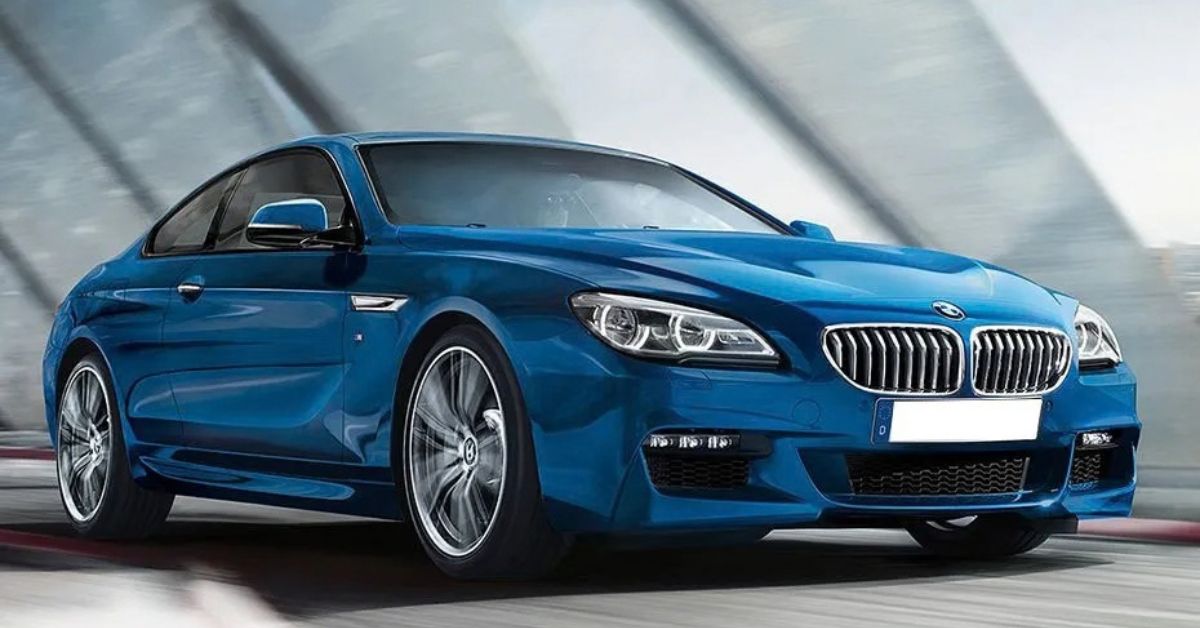
The BMW Z3 is a classic two-seat sports car from BMW. It combines a simple roadster design with sporty performance. BMW introduced the Z3 in the 1990s, and it quickly became known for its stylish shape and open-top driving experience.
The Z3 stands out because it offers more than just good looks. Its rear-wheel-drive setup gives it a fun and balanced feel on the road. The compact body also makes it easy to enjoy on winding roads. For many car fans, the Z3 still has a special charm today.
In this guide, we will explore the BMW Z3 in detail. We will look at its performance, exterior design, interior comfort, features, engines, and driving experience. We will also discuss its value and what buyers should know before choosing this classic roadster.
BMW Z3 History
The BMW Z3 first arrived in 1995. BMW built it as a small two-seat roadster. It brought a fresh and sporty style to the brand. The Z3 also became one of BMW’s most recognizable classic roadsters.
The Z3 gained extra attention after appearing in the 1995 James Bond film GoldenEye. This helped introduce the car to a much wider audience. Buyers also liked its rear-wheel-drive layout and open-top design. BMW offered several engine choices during its production years.
BMW produced the Z3 until 2002. Over the years, the company introduced stronger engines and special versions. The Z3 M Roadster also joined the lineup with much higher performance. Today, the Z3 remains popular among fans of classic BMW sports cars.
Z3 Evolution
The Z3 evolved steadily after its launch in 1995. BMW started with smaller engine options that focused on smooth and easy driving. Later models received larger engines and more power. These changes made the roadster more exciting to drive.
BMW also improved the Z3 during its production years. The company updated the exterior with small design changes. It also added new features and improved interior quality. These updates helped the Z3 stay fresh in a competitive sports car market.
The biggest step came with the high-performance Z3 M Roadster. It used a much stronger engine and sharper performance settings. This version gave the Z3 a more aggressive character. By the end of production in 2002, the Z3 had become a well-known classic BMW roadster.
BMW Z3 Engine
The BMW Z3 came with several engine options during its production run. Early models used four-cylinder engines that offered smooth and reliable performance. Later versions received larger six-cylinder engines. These engines gave the roadster more power and a stronger driving feel.
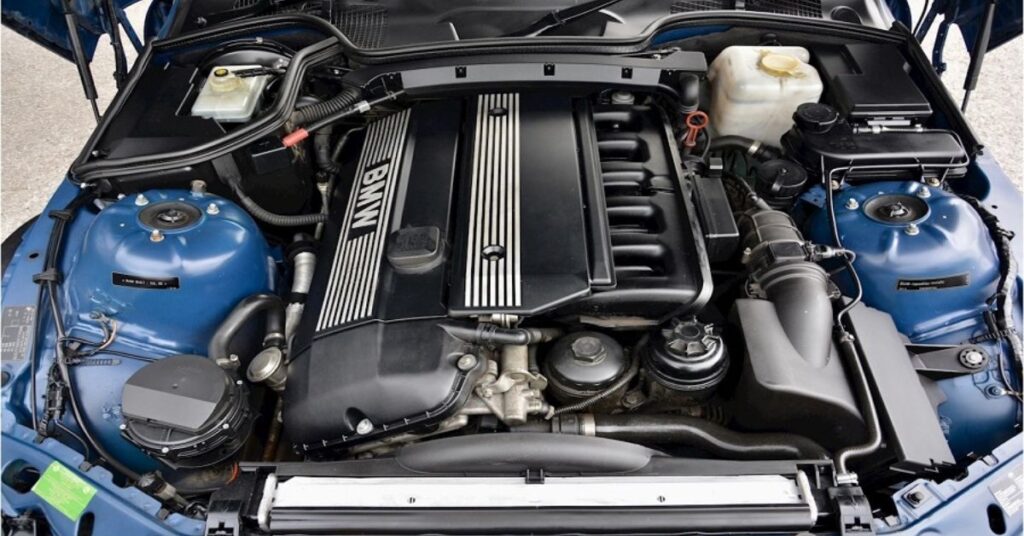
The engine range changed across different markets and model years. The 1.9-liter four-cylinder engine became a common choice. BMW also offered 2.0-liter, 2.2-liter, and 2.8-liter six-cylinder engines. The larger engines delivered quicker acceleration and stronger performance.
The Z3 M Roadster sat at the top of the range. It used a high-performance six-cylinder engine from BMW M. This version provided much more power and sharper responses. Overall, the engine choices helped the Z3 appeal to both relaxed drivers and sports car fans.
Exterior Design
The BMW Z3 has a classic roadster shape. Its long hood and short rear section give it a sporty look. The low body also creates a strong stance on the road. Its round headlights and simple grille add to its classic BMW character.
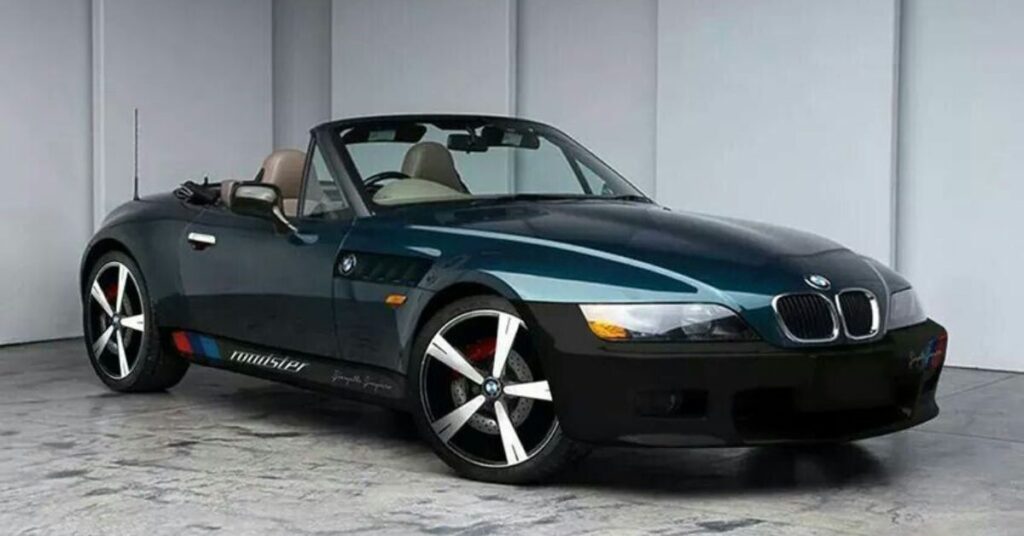
The Z3 uses a compact two-seat design. A soft-top roof allows drivers to enjoy open-air driving. BMW also offered different wheels, colors, and exterior details over the years. These options gave the roadster a more personal look.
The design still looks attractive today. Its simple lines give it a timeless feel. The wide rear stance also adds a sporty touch. For many fans, the exterior remains one of the main reasons to choose a Z3.
Interior and Comfort
The BMW Z3 has a simple and driver-focused cabin. It features two seats with a low seating position. The dashboard uses a classic BMW layout with easy-to-reach controls. Quality materials give the interior a pleasant feel.
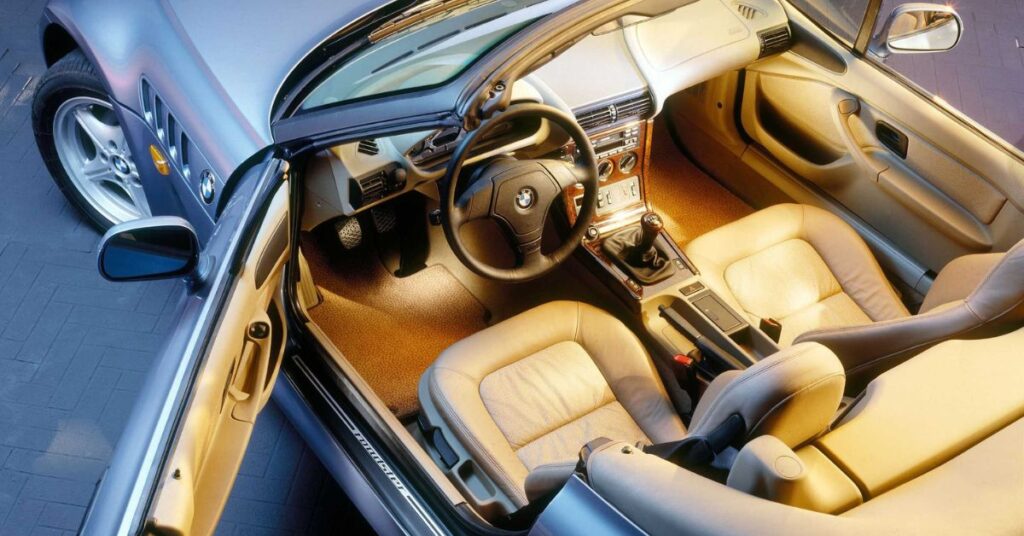
The seats provide good support for a small sports car. The cabin feels cozy and works well for short trips and weekend drives. Taller drivers may find the space limited. However, the compact design adds to the roadster’s sporty character.
The Z3 also offers useful features for its time. Depending on the model, buyers could get leather seats, air conditioning, power windows, and upgraded audio systems. Overall, the cabin prioritizes driving enjoyment over luxury.
BMW Z3 Hatchback
The BMW Z3 was not produced as a hatchback. It was designed as a two-seat roadster with a short rear section. Its open-top body gave it a sporty and classic look. BMW focused on driving fun rather than extra cargo space.
The Z3 offers a small trunk behind the seats. It can carry basic luggage for short trips. However, the storage space is limited compared with a hatchback. Drivers who need more room may find the Z3 less practical.
The hatchback idea does not match the original Z3 design. Its low body and roadster shape are important parts of its character. The BMW Z3 remains popular because of its simple layout and enjoyable driving experience.
BMW Z3 vs Rivals
The BMW Z3 competes with classic roadsters such as the Mazda MX-5 Miata, Mercedes-Benz SLK, and Porsche Boxster. The Z3 offers a stylish design and rear-wheel drive. The MX-5 is lighter and focuses on simple handling. The SLK provides more comfort, while the Boxster offers stronger sports-car performance.
The Z3 is a good choice for drivers who want classic BMW style and an open-top experience. Some rivals offer better handling or more modern features. However, the Z3 has its own charm and character. Its engine choices also give buyers different levels of performance.
| Model | Body Style | Approx. Price | Main Strength | Driving Feel | Comfort | Best For |
| BMW Z3 | 2-seat roadster | $9,000–$25,000+ | Classic BMW style | Sporty and balanced | Good | Classic car fans |
| Mazda MX-5 Miata | 2-seat roadster | $8,000–$30,000+ | Light weight | Agile and fun | Good | Pure driving fun |
| Mercedes-Benz SLK | 2-seat roadster | $7,000–$25,000+ | Comfort and luxury | Smooth and sporty | Very good | Daily use |
| Porsche Boxster | 2-seat roadster | $12,000–$40,000+ | Performance | Sharp and powerful | Very good | Performance fans |
| Audi TT Roadster | 2-seat roadster | $8,000–$30,000+ | Design and technology | Smooth and stable | Very good | Style and comfort |
Driving Experience
The BMW Z3 offers a fun and engaging driving experience. Its rear-wheel-drive layout gives the roadster a balanced feel. The low seating position also makes the driver feel close to the road. This setup makes everyday drives more enjoyable.
The steering feels direct and responsive, especially on winding roads. The compact body makes the Z3 easy to place in corners. Different engines provide different levels of power. Six-cylinder versions feel stronger and more exciting during faster drives.
The Z3 also feels special with the roof down. Drivers can enjoy the sound of the engine and the open air. It may not feel as modern as newer sports cars. However, its simple design gives the Z3 a fun and authentic roadster character.
Pros and Cons
The BMW Z3 has many qualities that make it attractive to classic car fans. Its stylish roadster design still looks good today. The rear-wheel-drive layout provides an enjoyable driving feel. It also offers different engine choices and a simple cabin. However, the Z3 is an older car, so some parts may need repairs or replacement.
Pros
- Classic and stylish roadster design
- Fun rear-wheel-drive handling
- Several engine options
- Comfortable seats for a two-seat sports car
- Strong appeal among BMW enthusiasts
- Good potential as a classic car
Cons
- Limited cabin and storage space
- Older technology and safety features
- Maintenance can become expensive
- Some parts may be difficult to find
- Fuel economy is not a major strength
- Older examples may have rust or mechanical issues
Key Features
The BMW Z3 offers a simple set of features for a classic roadster. Many models include power windows, air conditioning, and a basic audio system. Some versions also came with leather seats and upgraded interior materials. These features add comfort without taking away from the sporty feel.
The Z3 also focuses on driving enjoyment. Its rear-wheel-drive system helps provide a balanced driving feel. A manual transmission was available on many models for drivers who wanted more control. Some versions also offered an automatic transmission for easier daily driving.
Higher-performance models received extra upgrades. The Z3 M Roadster, for example, added a stronger engine and sportier equipment. Depending on the model year, buyers could also find larger wheels, sport seats, and improved brakes. These features helped make the Z3 more exciting and enjoyable to drive.
Safety and Reliability
The BMW Z3 offers basic safety features for its time. Many models came with airbags and anti-lock brakes. Some versions also included traction control. Its strong body structure added another layer of protection for occupants.
Reliability can be good when the Z3 receives proper care. Regular oil changes and routine servicing help keep the engine running smoothly. Older examples may develop issues with cooling systems, electrical parts, or rubber components. A well-maintained Z3 can still provide enjoyable driving today.
Buyers should check the car carefully before purchasing. Service records can reveal how well the previous owner maintained it. It is also useful to inspect the suspension, brakes, roof, and engine for wear. A thorough inspection can help avoid expensive repairs later.
Fuel Economy
The BMW Z3 offers reasonable fuel economy for a classic sports car. Smaller four-cylinder engines generally use less fuel than the larger six-cylinder options. Actual fuel use depends on the engine, transmission, driving style, and road conditions.
Six-cylinder Z3 models usually consume more fuel. Their extra power can also encourage faster driving. City driving may use more fuel than steady highway trips. Keeping the engine properly serviced can help maintain good fuel efficiency.
Fuel economy is not the main reason people choose a Z3. Most buyers want its sporty design and enjoyable driving feel. Still, the smaller engines can make the car more practical for regular use. Good maintenance can also help keep running costs under control.
BMW Z3 Price
The BMW Z3 is now a used classic sports car. Prices vary by year, engine, mileage, and condition. Current market data puts the average Z3 sale price at around $20,795, although many regular models sell for less.
A clean 1996 Z3 1.9 can be valued around $9,100 in good condition. A 1997 Z3 2.8 can reach about $11,700 in similar condition. Better examples with strong engines and low mileage can cost more.
The BMW Z3 M models are much more valuable. Their prices can rise well above $20,000, especially for rare and well-preserved examples. Condition, service history, mileage, and originality can strongly affect the final price.
Models and Trims
The BMW Z3 came in several models during its production from 1995 to 2002. Buyers could choose from different four-cylinder and six-cylinder engines. The 1.9-liter model was a popular option for drivers seeking a simple, affordable roadster. Larger engines offered stronger performance.
BMW later added models with 2.0-liter, 2.2-liter, and 2.8-liter six-cylinder engines. The 3.0-liter version offered even more power. Equipment also changed by model year and market. Buyers could find features such as leather seats, upgraded wheels, and improved interior options.
The Z3 M Roadster was the performance-focused model. It used a powerful six-cylinder engine and sportier suspension. BMW also produced the Z3 M Coupe with a unique fixed-roof design. These versions are now popular with enthusiasts because of their performance and limited production.
Conclusion
The BMW Z3 remains a special classic roadster. Its stylish design, rear-wheel-drive setup, and enjoyable performance make it fun to drive. The different engine options also give buyers plenty of choice. Its simple interior adds to its classic character.
The Z3 may not offer the technology or space of a modern car. However, it has a charm that many newer cars cannot match. With good maintenance, a clean Z3 can provide years of enjoyable driving. It is a great choice for drivers who want a classic BMW roadster.
FAQs
1. What is the BMW Z3?
The BMW Z3 is a two-seat roadster known for its classic design and fun rear-wheel-drive performance.
2. When was the BMW Z3 produced?
BMW produced the Z3 from 1995 to 2002, offering several engine and performance options.
3. How much does a BMW Z3 cost?
Used prices vary by condition and model, but many examples can range from around $9,000 to $25,000 or more.
4. Is the BMW Z3 reliable?
A well-maintained Z3 can be reliable, but older cars may need repairs to cooling, electrical, suspension, and rubber components.
5. Is the BMW Z3 a good classic car?
Yes. Its timeless styling, enjoyable handling, and classic BMW character make it appealing to enthusiasts.
Related Posts
BMW 8 Series Generations: A Complete Model Guide
The BMW 8 Series is a luxury grand touring car…
BMW X2 Specs: Engine Options, Dimensions, and Technology
The BMW X2 is a compact luxury SUV with a…