
The BMW 3 Series is a compact luxury car made by BMW. It first arrived in 1975 and quickly became an important model for the brand. It offers a mix of sporty handling, comfortable driving, and premium features.
Few BMW models have a history as strong as the 3 Series. It has changed through many generations while keeping its driver-focused character. From simple classic models to modern turbocharged versions, each generation has its own appeal.
This complete model guide explores the BMW 3 Series in detail. It covers major generations, engines, body styles, performance models, features, and key differences. It also helps readers understand how the 3 Series developed over the years.
BMW G20
The BMW G20 is the seventh-generation 3 Series sedan. BMW introduced it for the 2019 model year. It replaced the F30 and brought a larger body and more modern technology. The G20 also uses BMW’s CLAR platform, which supports different powertrains.
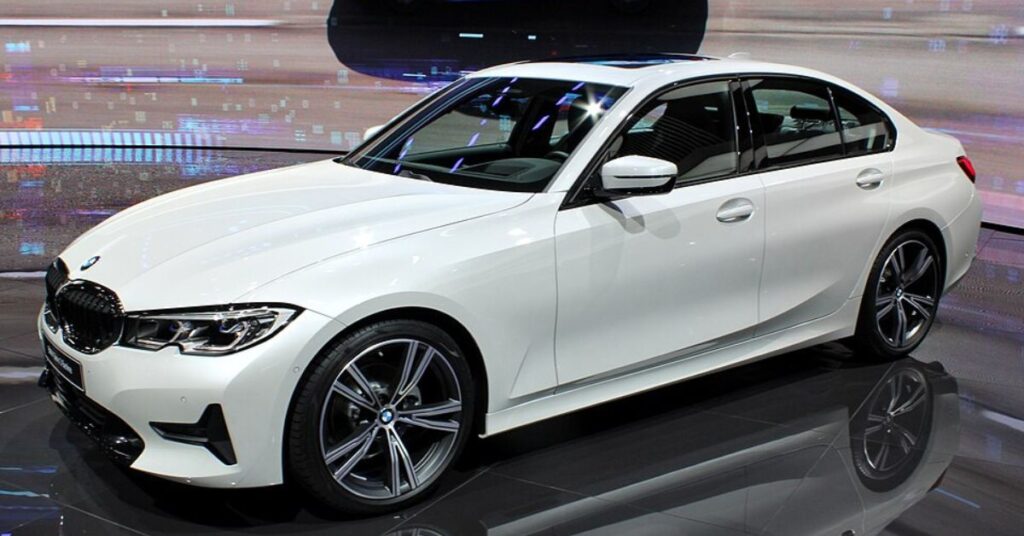
The G20 offers several petrol and diesel engines, depending on the market. Four-cylinder engines power many versions, while higher models use BMW’s inline-six engines. The M340i xDrive sits near the top of the regular range. It combines strong acceleration with all-wheel drive and sporty handling.
The cabin has a more modern design than the F30. It includes a digital instrument display and BMW’s iDrive system. The G20 also offers driver-assistance and connectivity features. Its improved chassis gives the car a good balance between comfort and sharp handling
BMW B38 Engine
The BMW B38 is a turbocharged three-cylinder petrol engine. It belongs to BMW’s modular engine family. BMW designed it for compact models where low weight and efficiency matter. The engine has also appeared in selected 3 Series applications in some markets.
The B38 uses direct fuel injection and BMW’s TwinPower Turbo technology. It is available in different power outputs depending on the model and market. Its compact size helps reduce weight over the front axle. This can support a light and responsive driving feel.
The B38 focuses on everyday performance and fuel efficiency. It produces useful low-end torque for city driving. It is not as powerful as BMW’s four- and six-cylinder engines. However, its small size makes it an interesting choice for buyers who want lower fuel use and a smooth daily-driving experience.
BMW 330i
The BMW 330i is a sporty version of the 3 Series. It sits above the entry-level four-cylinder models in many markets. Modern versions use a 2.0-liter turbocharged four-cylinder engine. The model offers a strong mix of speed, comfort, and everyday practicality.
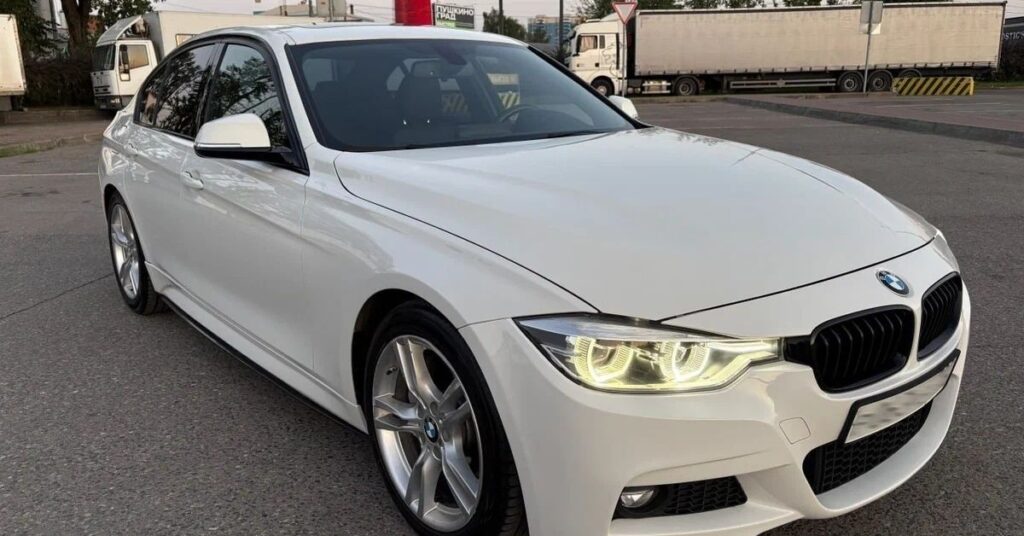
The current 330i uses BMW’s B48 engine with TwinPower Turbo technology. In recent models, it produces around 255 hp and 295 lb-ft of torque. An eight-speed automatic transmission sends power to the rear wheels or all four wheels with xDrive. The car feels quick in daily driving and remains composed at higher speeds.
The 330i also offers a well-equipped cabin. It features a curved digital display and BMW’s iDrive infotainment system. Sport-focused suspension and available M Sport equipment add to its driving character. Overall, the 330i is a good choice for drivers who want strong performance without moving to the six-cylinder M340i.
BMW B38 Engine
The BMW B38 is a compact three-cylinder petrol engine. It belongs to BMW’s modular engine family. The engine uses turbocharging and direct fuel injection. BMW developed it to deliver useful performance while keeping fuel consumption and engine weight low.
The B38 comes in different versions and power outputs. Its compact size suits smaller BMW models and selected applications. The engine produces strong low-speed torque for its size. It also works well with modern automatic transmissions and BMW’s electronic engine management.
The B38 is designed mainly for efficient everyday driving. It can feel responsive in city traffic and relaxed on longer trips. Its three-cylinder layout also gives it a distinctive engine character. For drivers who value efficiency and compact engineering, the B38 offers an interesting alternative to larger BMW engines.
BMW 320i
The BMW 320i is one of the most recognizable four-cylinder versions of the 3 Series. BMW has used the 320i name across several generations. It usually sits below the 330i in the lineup. The model focuses on a balance of performance, comfort, and everyday efficiency.
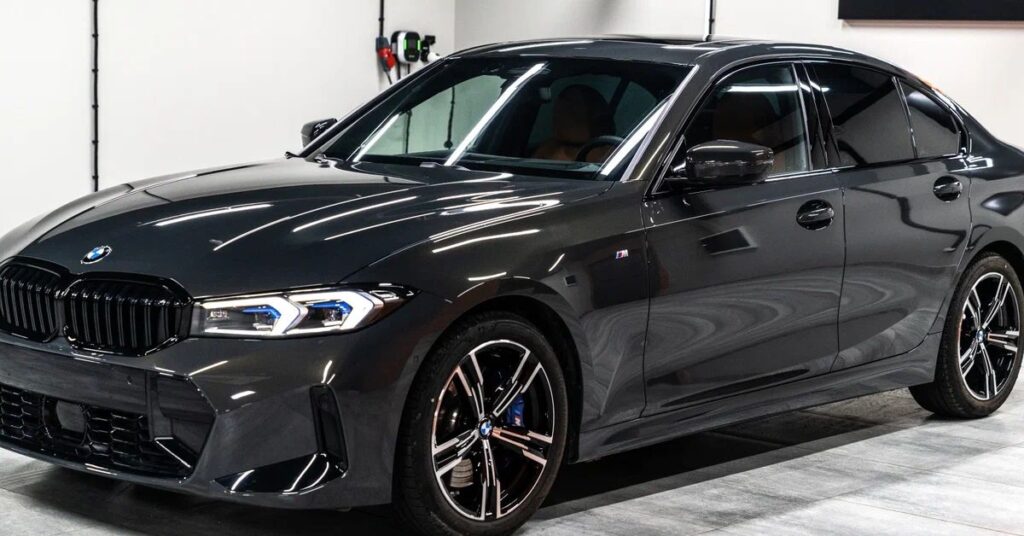
Modern 320i models use a 2.0-liter turbocharged four-cylinder petrol engine in many markets. Earlier generations used different naturally aspirated and turbocharged engines. Power output also changed with each generation. This steady development helped the 320i remain a popular choice for daily driving.
The 320i offers the familiar BMW driving experience without the higher running costs of larger engines. It provides enough power for city roads and highway trips. Depending on the generation and market, buyers can find rear-wheel-drive or xDrive versions. Its combination of practical size, premium comfort, and reasonable performance makes the 320i a strong all-rounder.
BMW B38 Engine
The BMW B38 is a small turbocharged three-cylinder petrol engine. It belongs to BMW’s modular engine family. BMW designed it to deliver useful power with good fuel efficiency. Its compact construction also helps reduce engine weight.
The B38 uses direct fuel injection and BMW TwinPower Turbo technology. It comes in different power outputs depending on the model and market. The engine produces its strongest benefit in low and mid-range driving. This makes it suitable for regular city traffic and everyday use.
The B38 is not designed to compete with BMW’s larger six-cylinder engines. Instead, it focuses on efficiency and smooth daily performance. Its three-cylinder layout gives it a distinctive character. With proper servicing, the engine can provide dependable performance for normal driving.
BMW 328i
The BMW 328i is a well-known performance-oriented version of the 3 Series. BMW used the name across several generations, but the F30 328i is especially notable. It uses a 2.0-liter turbocharged four-cylinder engine. The model offers more power than the 320i while keeping a practical four-cylinder setup.
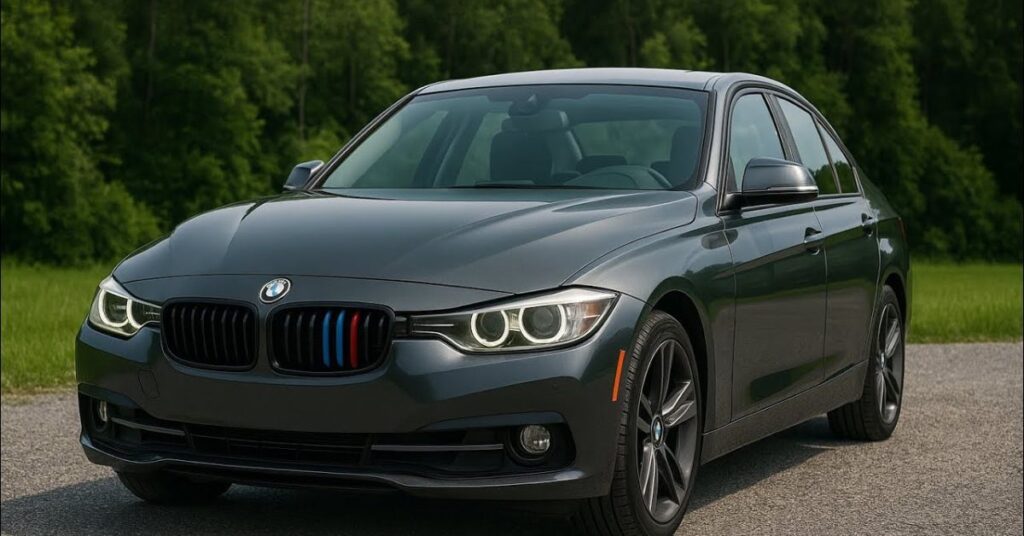
The F30 328i uses BMW’s N20 engine. It produces about 240 hp and 255 lb-ft of torque in the U.S. market. An eight-speed automatic transmission was widely available. Buyers could also choose xDrive all-wheel drive. The turbocharged engine gives the 328i strong mid-range acceleration.
The 328i combines sporty handling with everyday comfort. It can feel quick without becoming difficult to drive in normal traffic. The cabin also offers useful technology and good front-seat support. Today, the F30 328i remains an interesting used BMW for drivers who want turbocharged performance at a lower price than newer 3 Series models.
BMW N52 Engine
The BMW N52 is a naturally aspirated inline-six petrol engine. BMW introduced it in 2004. It became an important engine in several BMW models, including the 3 Series. The N52 came in different displacements, with 2.5-liter and 3.0-liter versions being common.
The N52 uses a lightweight magnesium-aluminum engine block and an aluminum cylinder head. It also features Double VANOS and Valvetronic variable valve control. These systems help improve throttle response and efficiency. The 3.0-liter N52B30 produced different power outputs depending on the model and market.
The N52 is known for smooth power delivery and a high-revving character. It does not use a turbocharger, so power builds in a predictable way. BMW used it in models such as the E90 3 Series and E92 coupe. Its naturally aspirated design and inline-six sound still make it popular with BMW enthusiasts.
2026 BMW 340i
The 2026 BMW 340i is the high-performance six-cylinder version of the 3 Series range. BMW uses the M340i xDrive name for the current model. It combines luxury, daily comfort, and strong performance. The sedan also keeps the balanced driving character that defines the 3 Series.
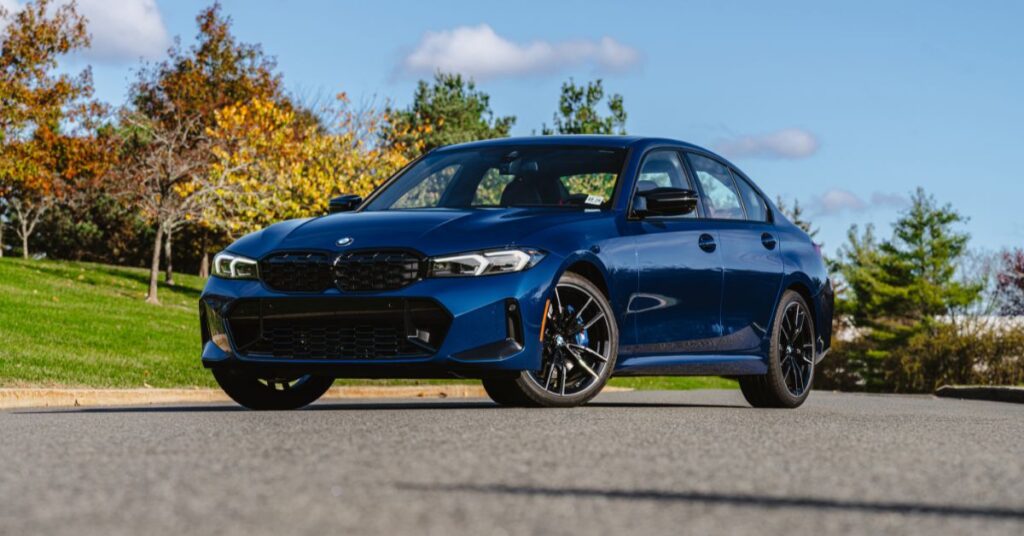
The M340i xDrive uses a 3.0-liter turbocharged inline-six engine with mild-hybrid technology. It produces about 386 hp and 398 lb-ft of torque in the U.S. market. An eight-speed automatic transmission sends power to all four wheels. The car can accelerate from 0 to 60 mph in roughly 4.1 seconds.
The cabin offers modern technology and a premium feel. It includes BMW’s curved display with digital instruments and infotainment functions. The M340i also gets sport-focused suspension, stronger brakes, and M Sport details. It works well as a daily sedan but can deliver an exciting drive when the road opens up.
BMW B58 Engine
The BMW B58 is a 3.0-liter turbocharged inline-six petrol engine. BMW introduced it in 2015 as part of its modular engine family. It uses direct fuel injection, a twin-scroll turbocharger, and variable valve timing. The B58 has powered many BMW models, including the 3 Series.
The engine comes in different power levels. In the M340i, the B58 works with a 48-volt mild-hybrid system in newer models. It delivers strong torque from low engine speeds. This gives the car quick acceleration while keeping the power delivery smooth.
The B58 has earned a strong reputation for performance and tuning potential. Its inline-six layout provides smooth operation and a distinctive BMW character. BMW continues to develop the engine for newer models. It offers a strong balance of power, refinement, and everyday usability.
BMW G80
The BMW G80 is the current-generation M3 sedan. BMW introduced it for the 2021 model year. It is based on the seventh-generation 3 Series platform. The G80 brought a more aggressive design and much stronger performance than the standard 3 Series.
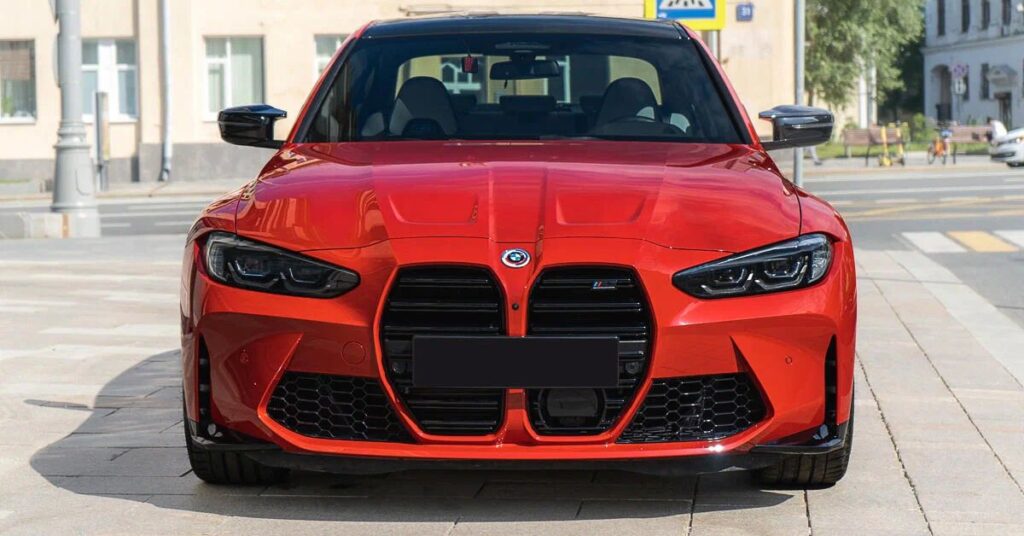
The G80 M3 uses BMW’s S58 3.0-liter twin-turbocharged inline-six engine. Power varies by version and model year. The M3 Competition xDrive produces up to 523 hp in recent U.S.-market models. BMW offers an eight-speed automatic, while selected rear-wheel-drive M3 versions are available with a six-speed manual transmission.
The G80 also features an M-specific chassis and performance hardware. It uses adaptive suspension, an active M differential, and powerful brakes. The cabin combines everyday comfort with sporty details and modern technology. This makes the G80 practical enough for daily use while still delivering serious track-focused performance.
BMW S58 Engine
The BMW S58 is a 3.0-liter twin-turbocharged inline-six petrol engine. BMW developed it for its high-performance M models. It first appeared in the 2019 BMW X3 M and X4 M. The engine later became the powerplant of the G80 M3 and G82 M4.
The S58 uses two turbochargers and direct fuel injection. BMW also fitted it with Double VANOS and Valvetronic technology. Power output varies by model and market. In the M3 Competition xDrive, the engine produces more than 500 hp. Its strong torque gives the car rapid acceleration and confident overtaking.
BMW designed the S58 for both road and track use. It uses a closed-deck engine block and strong internal components. The cooling system also supports demanding performance driving. Its combination of high power, quick response, and tuning potential has made the S58 a favorite among modern BMW M enthusiasts.
BMW M Performance Model
BMW M Performance models sit between standard BMW cars and full M models. They add more power, sharper handling, and stronger brakes. The M340i is a clear example in the 3 Series family. It offers a sporty driving experience without the more extreme setup of the M3.
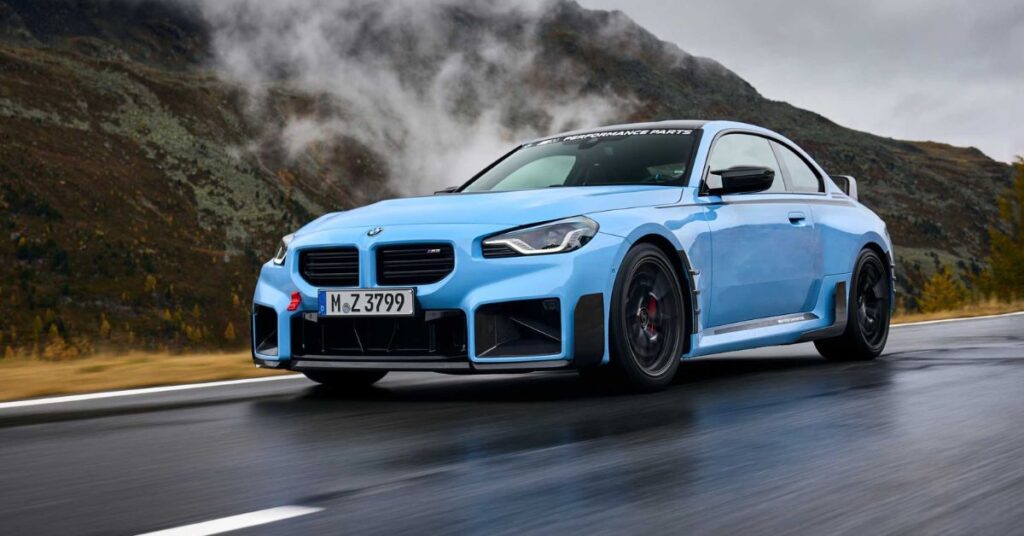
Modern M Performance models often use powerful turbocharged engines. The M340i uses the 3.0-liter B58 inline-six. It also uses a 48-volt mild-hybrid system in newer versions. The engine provides strong acceleration while remaining comfortable for daily driving.
These models also receive visual and chassis upgrades. M Sport brakes, sport suspension, larger wheels, and darker exterior details are common features. The cabin can include M-specific trim and sport seats. This combination makes an M Performance model a good choice for drivers who want extra excitement without giving up everyday comfort.
BMW S55 Engine
The BMW S55 is a 3.0-liter twin-turbocharged inline-six petrol engine. BMW developed it for the high-performance M3 and M4 models. It debuted in the F80 M3 and F82 M4 for the 2015 model year. The S55 replaced the naturally aspirated V8 used in the previous-generation M3.
The S55 uses two turbochargers and direct fuel injection. It also features Double VANOS and Valvetronic technology. The original F80 M3 produced 425 hp in the U.S. market. Later Competition versions increased output to around 444 hp. The engine delivers strong torque across a wide rev range.
BMW built the S55 for both road and track performance. It uses a closed-deck engine block and lightweight components. The engine also has a dedicated cooling system for demanding driving. Its strong power and tuning potential have made the S55 popular with BMW M enthusiasts.
Comparison Table
The BMW 3 Series has gone through many generations and variants since its introduction. Each generation brings different styling, engines, technology, and performance. Older models have a simple and classic character. Newer models offer more advanced features, stronger engines, and higher prices. The table below covers the main BMW 3 Series topics discussed in this guide, excluding wheels.
BMW 3 Series Models and Engines
| No. | Heading / Topic | Model | Engine Example | Type | Key Detail | Estimated Price (USD) |
| 1 | BMW 3 Series Guide | BMW 3 Series | Various engines | Overview | Luxury sports sedan family | $35,000–$70,000 |
| 2 | 2026 BMW 3 Series | G20 | B48 / B58 | Sedan | Modern 3 Series lineup | $40,000–$70,000 |
| 3 | BMW E21 | E21 | M10 / M20 | Sedan/Coupe | First 3 Series generation | $5,000–$20,000 |
| 4 | BMW E30 | E30 | M20 / S14 | Sedan/Coupe | Iconic classic generation | $8,000–$60,000+ |
| 5 | BMW 318i | F30/G20 | B48 / N20 | Sedan | Entry-level four-cylinder model | $20,000–$45,000 |
| 6 | BMW E36 | E36 | M50 | Sedan/Coupe | Popular 1990s generation | $6,000–$25,000 |
| 7 | BMW E46 | E46 | M54 | Sedan/Coupe | Well-known balanced generation | $7,000–$30,000 |
| 8 | BMW E91 | E91 | N46 | Touring Wagon | Practical family wagon | $5,000–$18,000 |
| 9 | BMW F30 | F30 | N20 / B48 / N54 | Sedan | Turbocharged modern generation | $15,000–$45,000 |
| 10 | BMW 328i | F30 | N20 / B48 | Sedan | Sporty four-cylinder variant | $18,000–$40,000 |
| 11 | BMW 320i | F30/G20 | B48 / N20 | Sedan | Efficient entry-level variant | $20,000–$45,000 |
| 12 | BMW 330i | G20 | B48 | Sedan | Performance and comfort balance | $35,000–$55,000 |
| 13 | BMW G20 | G20 | B48 / B58 | Sedan | Seventh-generation 3 Series | $40,000–$70,000+ |
| 14 | BMW G80 | M3 (G80) | S58 | Performance Sedan | High-performance M model | $75,000–$100,000+ |
The table highlights the major BMW 3 Series models discussed in this guide. It also shows the engine families associated with each model. Earlier cars used naturally aspirated engines such as the M10, M20, M50, and M54. Newer models moved toward turbocharged engines such as the B48, B58, and S58.
The 3 Series offers choices for different types of drivers. Classic generations appeal to enthusiasts and collectors who enjoy older BMWs. Newer models focus more on technology, comfort, efficiency, and performance. Prices also vary widely based on the generation, condition, mileage, specification, and performance level.
Conclusion
The BMW 3 Series has a long and interesting history. Each generation brought new engines, technology, and design changes. From the classic E21 to the modern G20, BMW continued to improve the car. Models such as the 330i, M340i, and M3 also added different levels of performance.
The engines helped shape the identity of each generation. Older engines like the M20, M50, and M54 offer a classic BMW feel. Newer engines like the B48 and B58 bring turbocharged power and better efficiency. The 3 Series remains a strong choice for drivers who want a balance of performance, comfort, and everyday practicality.
FAQs
1. What is the BMW 3 Series?
The BMW 3 Series is a compact luxury car known for sporty handling, premium comfort, and a wide range of engines.
2. Which BMW 3 Series generation is the latest?
The G20 is the current 3 Series sedan generation. It combines modern technology, turbocharged engines, and improved comfort.
3. What engine does the BMW M340i use?
The M340i uses BMW’s 3.0-liter turbocharged B58 inline-six engine. Newer versions also use mild-hybrid technology.
4. What is the BMW G80?
The G80 is the current-generation BMW M3 sedan. It uses the high-performance S58 twin-turbocharged inline-six engine.
5. Which BMW 3 Series engine is best for performance?
The B58 and S58 are strong choices for performance. The B58 powers the M340i, while the S58 powers the G80 M3.
Related Posts
BMW 2 Series Generations: A Complete Model Guide
The BMW 2 Series is a compact car range that…
BMW X2 Specs: Engine Options, Dimensions, and Technology
The BMW X2 is a compact luxury SUV with a…
BMW XM: Complete Buying Guide, Specs, Price & Features
The BMW XM is a luxury performance SUV from BMW’s…