
The BMW 2 Series is a compact car range that BMW introduced as a separate model family. It includes coupes, convertibles, and later, other body styles. Each generation brought changes in design, engines, technology, and driving character.
The 2 Series has changed a lot since its introduction. Early models focused on a traditional rear-wheel-drive sports-car feel. Newer versions added more technology, stronger engines, and different drivetrain options. These changes make each generation interesting in its own way.
This guide explores the major BMW 2 Series generations and their key features. It covers important model changes, engine choices, body styles, and performance updates. It also shows how the 2 Series developed from its early years to the latest models.
BMW 2 Series First Generation
The first-generation BMW 2 Series arrived in 2014. BMW used the F22 code for the coupe and F23 for the convertible. These models replaced the 1 Series Coupe and Convertible. The new 2 Series gave BMW a clear name for its compact two-door cars.
The first generation kept a traditional rear-wheel-drive layout in most versions. Buyers could choose from several petrol and diesel engines. The range included models such as the 220i, 228i, 220d, and 225d. The high-performance M235i later became one of the lineup’s most exciting versions.
BMW also offered the M2 during this generation. It used a turbocharged 3.0-liter inline-six engine and focused strongly on driving performance. The first M2 quickly gained attention for its compact size and rear-wheel-drive character. This generation helped establish the 2 Series as a distinct performance-focused BMW family.
BMW F22 Coupe
The BMW F22 Coupe launched in 2014 as part of the first 2 Series generation. It replaced the earlier 1 Series Coupe. BMW gave it a longer hood and a short rear deck. The design also gave the car a more focused sports-car look.
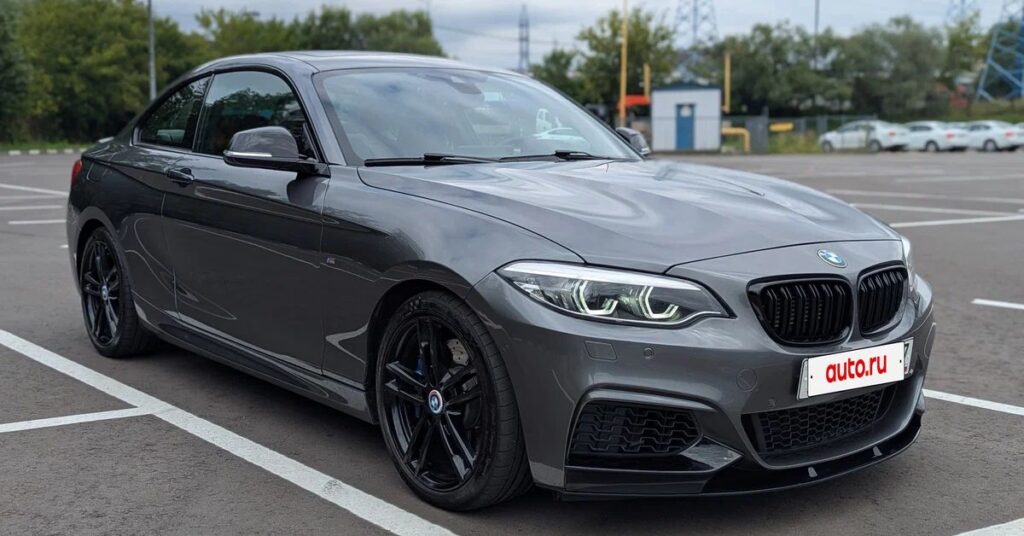
Most versions of the F22 used a rear-wheel-drive layout. BMW offered several four-cylinder and six-cylinder engines. Popular models included the 220i, 228i, and M235i. Buyers could also choose manual or automatic transmissions, depending on the model and market.
The F22 became especially popular among driving enthusiasts. Its compact size made it easy to place on narrow roads and tight corners. The M235i added a turbocharged six-cylinder engine and stronger performance. Later, the M2 took the F22 platform to a much higher performance level.
BMW F23 Convertible
The BMW F23 Convertible joined the first-generation 2 Series lineup in 2014. It replaced the 1 Series Convertible. The F23 used a fabric soft top instead of a hard roof. This design helped keep the car closer to the classic BMW convertible formula.
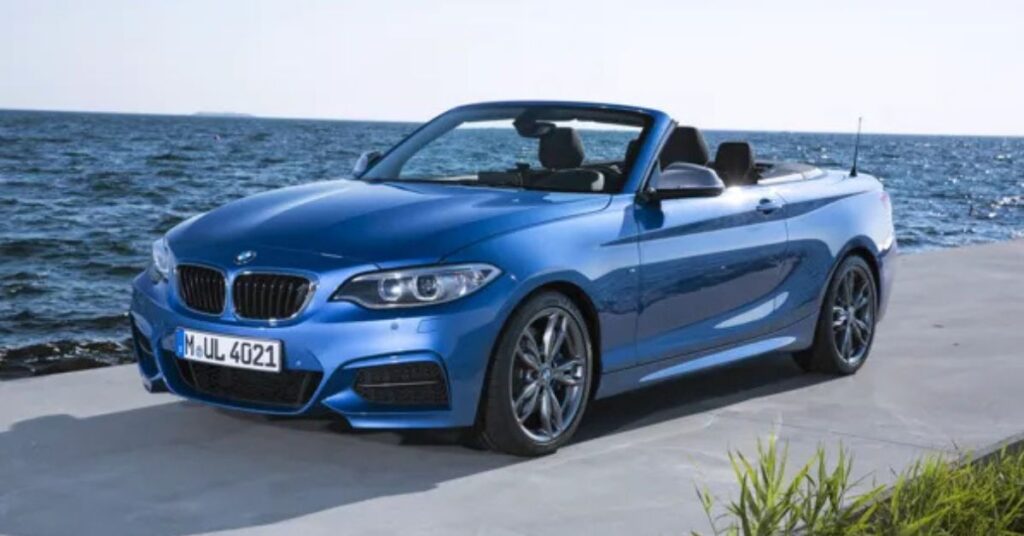
BMW offered the F23 with several engine choices. The range included four-cylinder petrol and diesel engines in different markets. Higher versions offered stronger performance and quicker acceleration. Rear-wheel drive was standard on many models, while xDrive was available on selected versions.
The F23 focused on open-air driving and everyday comfort. The soft top could be opened or closed electronically. The cabin kept the driver-focused layout found in the F22 Coupe. It also gave buyers a practical way to enjoy the 2 Series without choosing a fixed-roof model.
BMW F45 Active Tourer
The BMW F45 Active Tourer arrived in 2014. It was a major change for the 2 Series family. Unlike the F22 Coupe, it used a front-wheel-drive-based platform. It also offered a taller body and five doors, making it more practical for families.
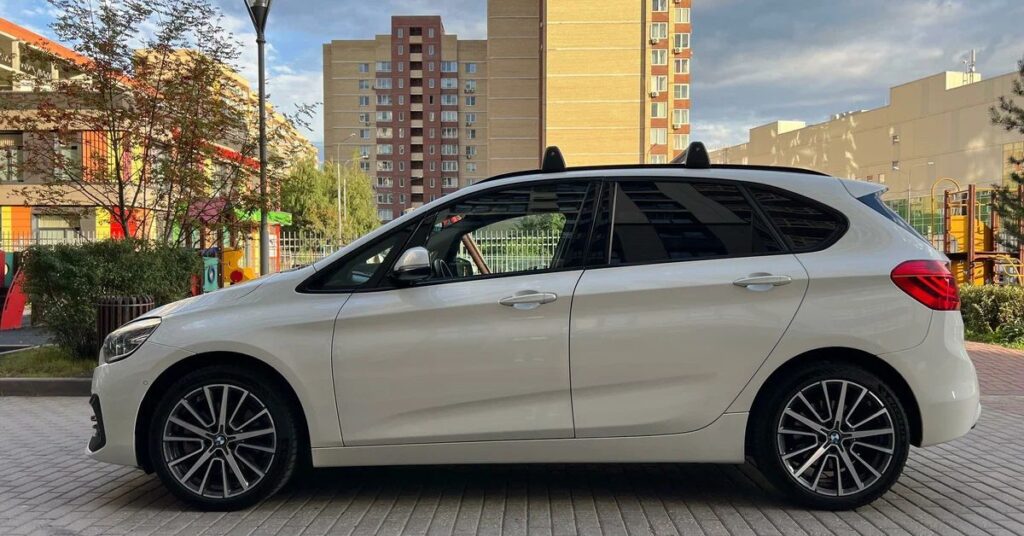
The F45 offered more cabin space than the two-door models. Its rear seats could slide forward and backward to adjust passenger and luggage space. BMW offered petrol and diesel engines across different markets. The range also included the 225xe plug-in hybrid, which combined a petrol engine with an electric motor.
The Active Tourer focused more on comfort and practicality than sporty handling. Its upright shape made getting in and out easier. The cabin also provided useful storage areas and flexible seating. With the F45, BMW expanded the 2 Series name into a different type of compact family car.
BMW F46 Gran Tourer
The BMW F46 Gran Tourer joined the 2 Series family in 2015. It was larger than the F45 Active Tourer. The F46 also offered three rows of seats. This made it a useful choice for families needing extra passenger space.
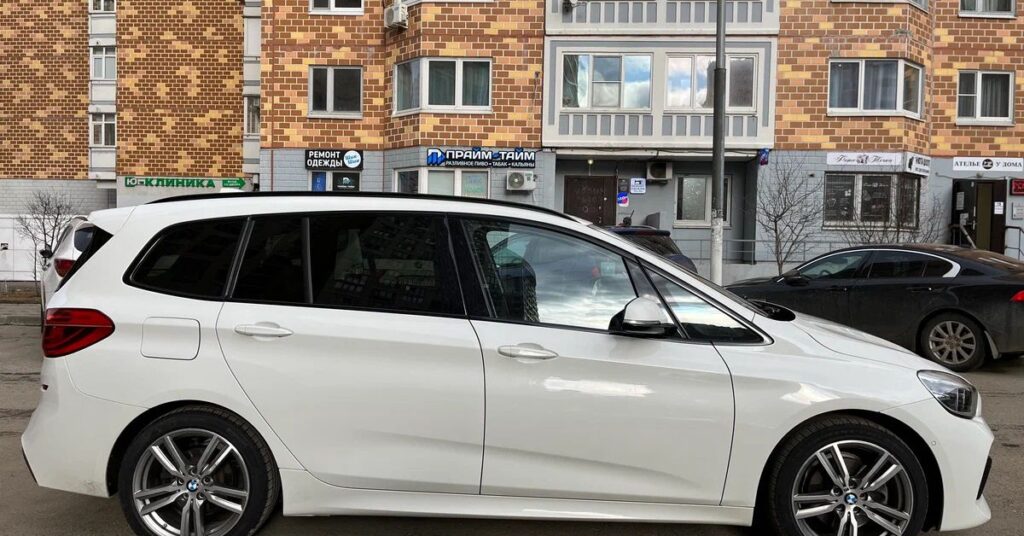
The F46 used a front-wheel-drive-based platform. BMW offered petrol and diesel engines in different markets. Some versions were also available with xDrive all-wheel drive. The 220d and 220i were among the key engine options, while the 216d focused more on fuel efficiency.
The Gran Tourer was built for practicality rather than sporty driving. Its rear seats could be folded to increase cargo space. The higher roof also made the cabin feel more open. With seven-seat capacity, the F46 gave the 2 Series range a family-focused option.
BMW 2 Series First Generation Gran Coupe
The BMW 2 Series Gran Coupe arrived in 2019. BMW used the F44 code for this model. It added four doors to the 2 Series family. Unlike the F22 Coupe, it used a front-wheel-drive-based platform.
The F44 shared its platform with the BMW 1 Series. It offered more rear-seat access than the two-door 2 Series models. BMW sold it with several petrol and diesel engines, depending on the market. Some versions also came with xDrive all-wheel drive.
The Gran Coupe focused on a mix of style and daily practicality. Its sloping roof gave it a coupe-like appearance. The cabin included modern digital features and driver-assistance systems. The M235i xDrive sat at the top of the range and added stronger performance.
BMW F44 Gran Coupe
The BMW F44 Gran Coupe debuted in 2019. It brought a four-door body to the 2 Series range. Its design combined a low roofline with a practical rear-seat layout. The F44 also used BMW’s front-wheel-drive-based architecture.
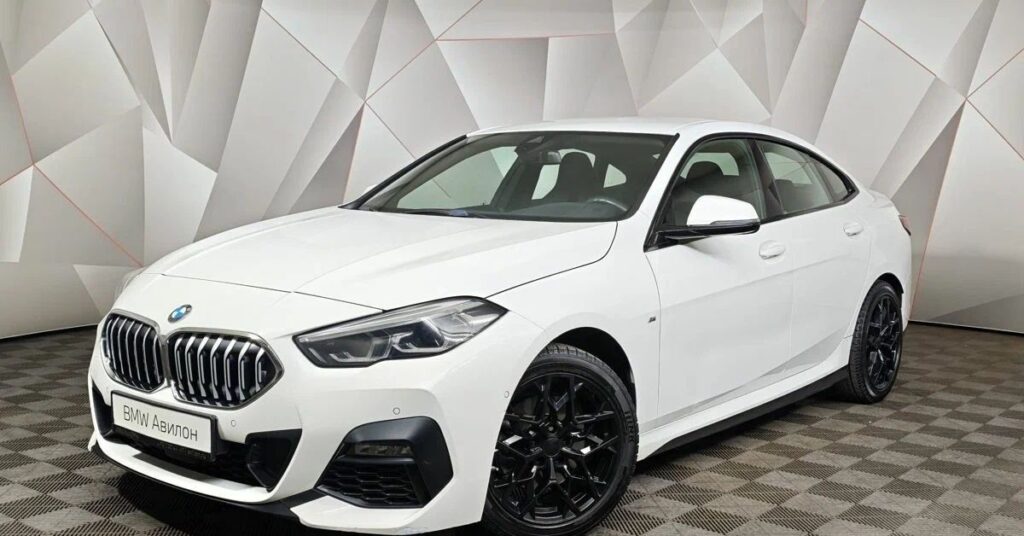
BMW offered several engine options for the F44. Petrol and diesel choices were available in different markets. The 218i used a three-cylinder petrol engine, while the 220i offered a four-cylinder unit. The M235i xDrive topped the range with a turbocharged 2.0-liter engine and all-wheel drive.
The F44 focused on daily comfort and modern technology. Its four doors made rear-seat access easier than the F22 Coupe. The cabin featured digital displays and connected functions. The Gran Coupe also offered a range of driver-assistance systems for everyday driving.
BMW 2 Series Second Generation
The second-generation BMW 2 Series Coupe arrived in 2021. BMW gave it the G42 model code. It kept the classic two-door layout and rear-wheel-drive character. The design also became wider and more distinctive than the previous coupe.
BMW offered different engines across markets. The 220i used a turbocharged four-cylinder petrol engine. The M240i xDrive used a turbocharged 3.0-liter inline-six. It also added all-wheel drive and stronger performance. A six-speed manual was available with selected versions.
The second generation also brought more modern technology. The cabin received digital displays and updated connectivity features. BMW improved the chassis and suspension for sharper handling. The range later included the new M2, which added much stronger performance to the compact coupe family.
BMW G42 Coupe
The BMW G42 Coupe is the second-generation 2 Series Coupe. BMW introduced it in 2021. It kept the classic two-door design. It also retained a rear-wheel-drive-based layout, which gave it a different character from the front-wheel-drive-based 2 Series Gran Coupe.
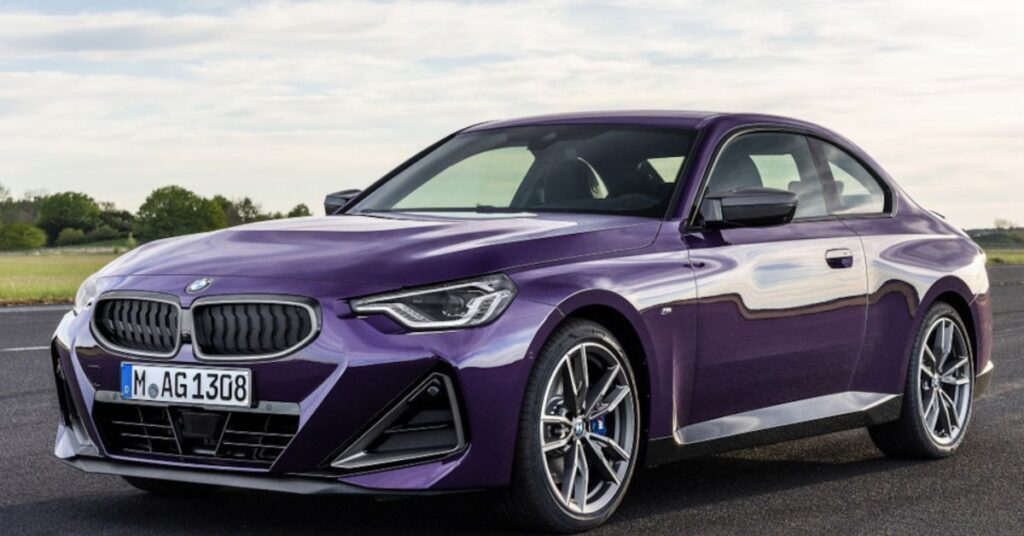
The G42 offered several engine choices. The 220i used a turbocharged four-cylinder petrol engine in many markets. The M240i xDrive used a turbocharged 3.0-liter inline-six engine. It also came with all-wheel drive and much stronger performance. A six-speed manual transmission was available on selected versions.
BMW gave the G42 a more modern cabin and updated technology. The chassis was developed for sharper handling and better body control. Its longer wheelbase also improved interior space compared with the previous coupe. The G42 later provided the basis for the second-generation M2, adding an even stronger performance option to the range.
BMW G87 M2
The BMW G87 M2 is the second-generation M2. BMW introduced it in 2022 as a high-performance version of the G42 2 Series Coupe. It uses a rear-wheel-drive layout and a wide body. The design also includes larger fenders and a more aggressive stance.
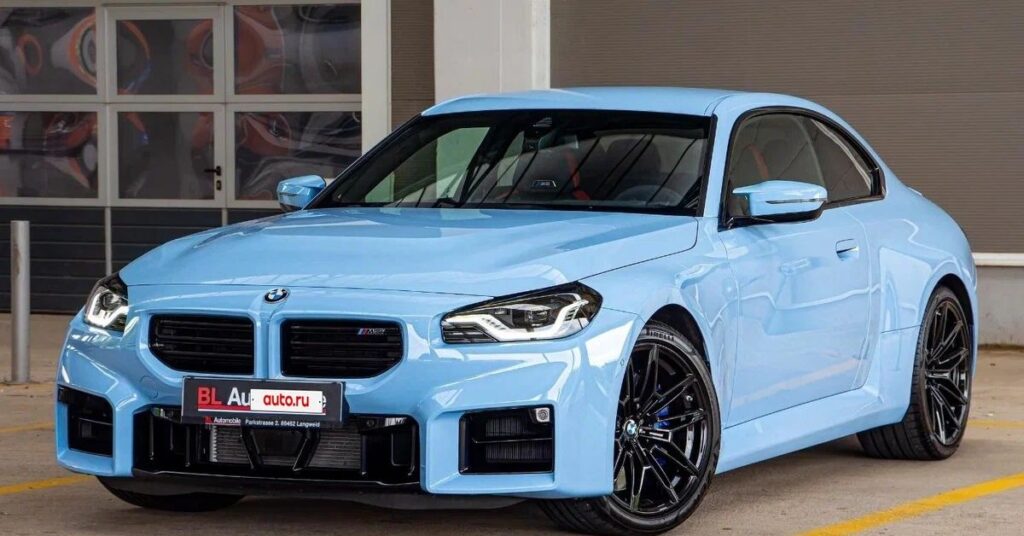
The G87 M2 uses BMW’s 3.0-liter twin-turbocharged inline-six engine. It produces strong power and quick acceleration. Buyers can choose between a six-speed manual and an eight-speed automatic transmission. BMW later increased the M2’s output, giving the newer versions even more performance.
The M2 also received a performance-focused chassis. BMW fitted stronger brakes, adaptive suspension, and an active rear differential. The cabin includes sports seats and modern digital displays. These features make the G87 M2 suitable for both everyday driving and spirited road use.
BMW 2 Series Second Generation Active Tourer
The second-generation BMW 2 Series Active Tourer arrived in 2021. BMW gave it the U06 model code. It kept the practical five-door design of the earlier F45. However, BMW gave the new model a sharper exterior and a more modern cabin.
The U06 uses a front-wheel-drive-based platform. BMW offered petrol, diesel, and plug-in hybrid powertrains. The 225e xDrive and 230e xDrive models combine a petrol engine with electric motors. These versions can also drive on electric power for shorter trips.
The interior received a major technology upgrade. BMW fitted a curved display with digital instruments and an infotainment screen. The rear seats can slide to balance passenger and cargo space. This generation focuses on comfort, efficiency, and everyday practicality rather than sports-car performance.
BMW U06 Active Tourer
The BMW U06 Active Tourer is the second-generation 2 Series Active Tourer. BMW introduced it in 2021. It brought a cleaner exterior and a more modern shape. The model kept its practical five-door body and spacious cabin.
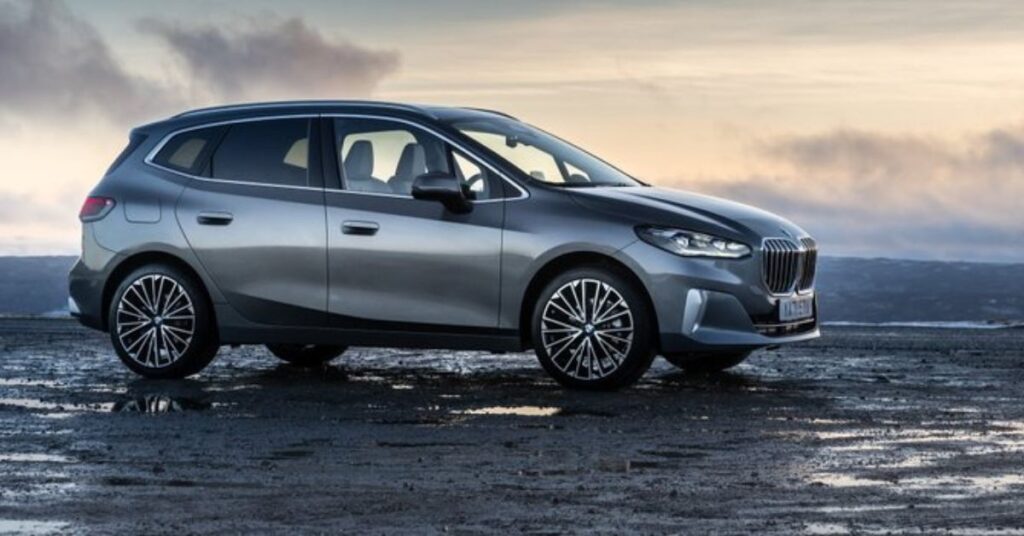
The U06 uses BMW’s front-wheel-drive-based architecture. It offers petrol and diesel engines in different markets. BMW also introduced plug-in hybrid versions such as the 225e xDrive and 230e xDrive. These models combine a petrol engine with electric motors for better efficiency and added power.
Inside, the U06 received a major technology update. It features the BMW Curved Display with digital instruments and an infotainment screen. The rear seats can slide to create more luggage space. Its comfortable cabin, flexible seating, and efficient powertrains make it well suited to daily family use.
BMW 2 Series Second Generation Gran Coupe
The second-generation BMW 2 Series Gran Coupe arrived for the 2025 model year. BMW uses the F74 model code for this generation. It has four doors and a coupe-like roofline. The model keeps the practical side of a sedan while adding a sportier design.
The F74 uses a front-wheel-drive-based platform. BMW offers turbocharged petrol engines and xDrive all-wheel drive on selected versions. The M235 xDrive sits near the top of the range. It adds stronger performance and a more aggressive setup than the standard models.
The cabin brings updated digital technology and a cleaner layout. BMW offers a curved display that combines the instrument cluster and infotainment system. The car also provides useful rear-seat space and a practical trunk. This generation focuses on modern technology, everyday comfort, and sporty styling.
BMW F74 Gran Coupe
The BMW F74 Gran Coupe is the second-generation 2 Series Gran Coupe. BMW introduced it for the 2025 model year. It has a four-door body with a sloping roofline. This shape gives it a sporty look while keeping useful passenger space.
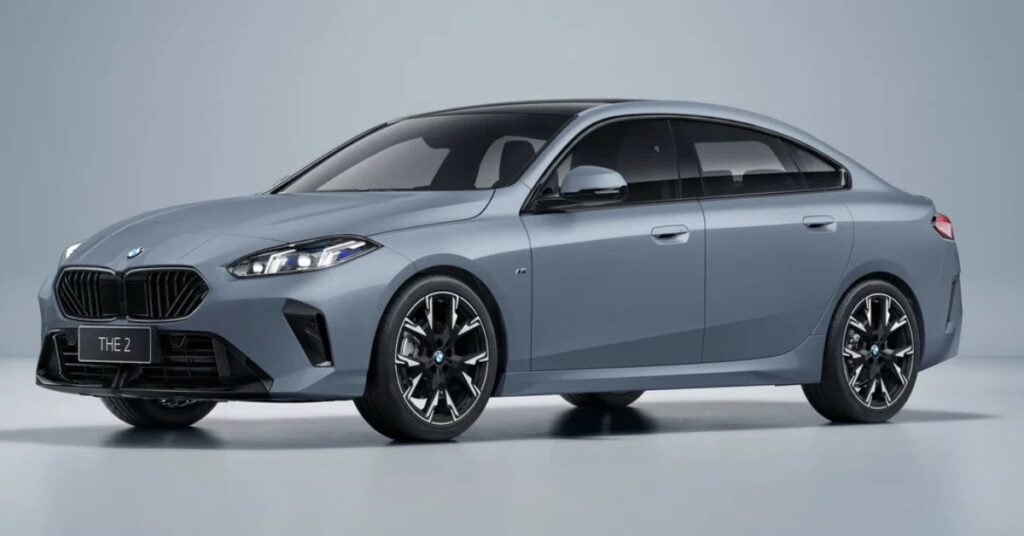
The F74 uses BMW’s front-wheel-drive-based architecture. It comes with turbocharged petrol engines, depending on the market. The 220 Gran Coupe offers a balanced mix of power and efficiency. The M235 xDrive adds more performance and all-wheel drive for stronger acceleration and traction.
Inside, the F74 features BMW’s Curved Display. It combines the digital instrument cluster with the central infotainment screen. The cabin also offers updated connectivity and driver-assistance features. With its modern technology and practical four-door layout, the F74 suits both daily driving and longer trips.
Conclusion
The BMW 2 Series has changed significantly across its generations. Early models focused on rear-wheel-drive handling and compact performance. Newer models added more technology, flexible body styles, and efficient powertrains. Each generation brought something different to the lineup.
From the F22 Coupe to the latest G42 and F74 models, the 2 Series continues to evolve. The M2 adds serious performance for enthusiasts. The Active Tourer offers more space and practicality. Together, these models show how BMW has expanded the 2 Series into a diverse and modern family.
FAQs
1. How many generations of the BMW 2 Series are there?
The BMW 2 Series Coupe has two main generations: the F22 and the G42.
2. When did the first BMW 2 Series launch?
BMW introduced the first 2 Series models in 2014, including the F22 Coupe and F23 Convertible.
3. What is the BMW G42?
The G42 is the second-generation 2 Series Coupe, introduced in 2021 with a rear-wheel-drive-based platform.
4. What is the BMW G87 M2?
The G87 M2 is the second-generation M2. It uses a turbocharged 3.0-liter inline-six engine and focuses on high performance.
5. What is the BMW F74 Gran Coupe?
The F74 is the second-generation 2 Series Gran Coupe. It has four doors and a front-wheel-drive-based platform.
Related Posts
BMW Digital Key Setup Guide for Modern BMW Owners
BMW Digital Key is a smart feature that allows you…
BMW 5 Series: Performance and Luxury Guide -part 2
The BMW 5 Series is a luxury executive car known…