
The BMW 3 Series is a compact luxury car known for its sporty driving feel and premium design. It has been one of BMW’s most important models for decades. The lineup includes different engines, body styles, and performance versions.
Few BMW models have built such a strong reputation as the 3 Series. It can feel quick and engaging on the road while still working well as a daily car. This balance has helped the model attract drivers around the world.
In this Complete BMW 3 Series Model Guide – Part 1, we will explore the model’s key versions and important details. We will look at its history, generations, engines, features, and performance models. The guide will help readers understand how the 3 Series has changed over time
2026 BMW 3 Series
The 2026 BMW 3 Series continues BMW’s strong focus on sport and luxury. It combines sharp handling with a comfortable ride. The sedan has a clean design and a modern cabin. BMW also offers different powertrains to suit different driving needs. This makes the 3 Series easy to enjoy every day.
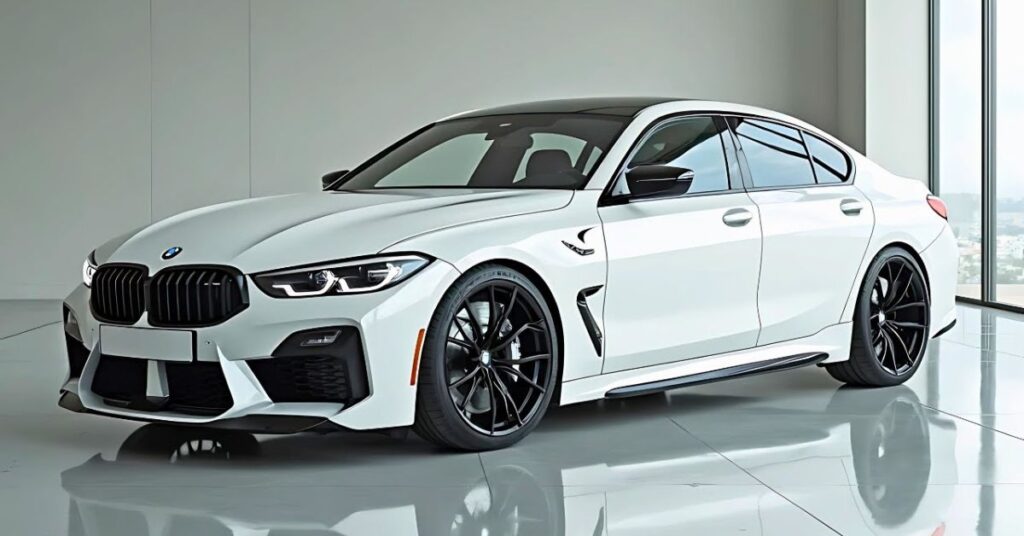
The cabin uses modern technology and quality materials. A large curved display controls many vehicle functions. The driver gets clear digital information and useful connectivity features. The seats offer good support for long drives. Rear-seat space is also practical for a compact luxury sedan.
The 2026 lineup includes the 330i and 330i xDrive, along with the more powerful M340i xDrive. The 330i uses a turbocharged four-cylinder engine. The M340i uses a turbocharged six-cylinder engine with mild-hybrid assistance. This gives the M340i stronger acceleration and a sportier character.
BMW B38 Engine
The BMW B38 is a turbocharged three-cylinder petrol engine. BMW introduced it as part of its modular engine family. It uses a compact design and direct fuel injection. The engine has appeared in several smaller BMW models and other vehicles within the BMW Group.
The B38 engine is available in different power outputs. BMW used versions with different turbocharging and engine-management setups. Its small size helps reduce weight and improve efficiency. Despite having three cylinders, it can provide responsive performance for everyday driving.
BMW designed the B38 to balance performance and fuel economy. It works well in city traffic and on the highway. Some versions use BMW’s TwinPower Turbo technology. The engine also uses variable valve timing and other efficiency-focused systems.
BMW 3 Series Wheels
3 Series wheels vary by model, trim, and market. BMW offers different wheel designs to match the car’s character. Smaller wheels can provide a smoother ride and more sidewall protection. Larger wheels give the sedan a wider and sportier look.
Many 3 Series models use alloy wheels ranging from about 17 to 19 inches. Higher-performance versions often use larger wheels and wider tires. Wheel designs can also differ between standard models and M Sport versions. The right wheel and tire combination can change both comfort and handling.
BMW also offers performance-focused wheel options on models such as the M340i. These wheels support the car’s stronger performance and sharper handling. Buyers should also consider tire type, road conditions, and replacement costs. A smaller wheel setup may suit daily driving, while larger wheels can appeal to drivers who want a sportier feel.
BMW E21
The BMW E21 was the first generation of the 3 Series. BMW introduced it in 1975 as the successor to the 02 Series. It came mainly as a two-door sedan. The E21 helped establish the 3 Series as a compact car with a sporty character and premium feel.
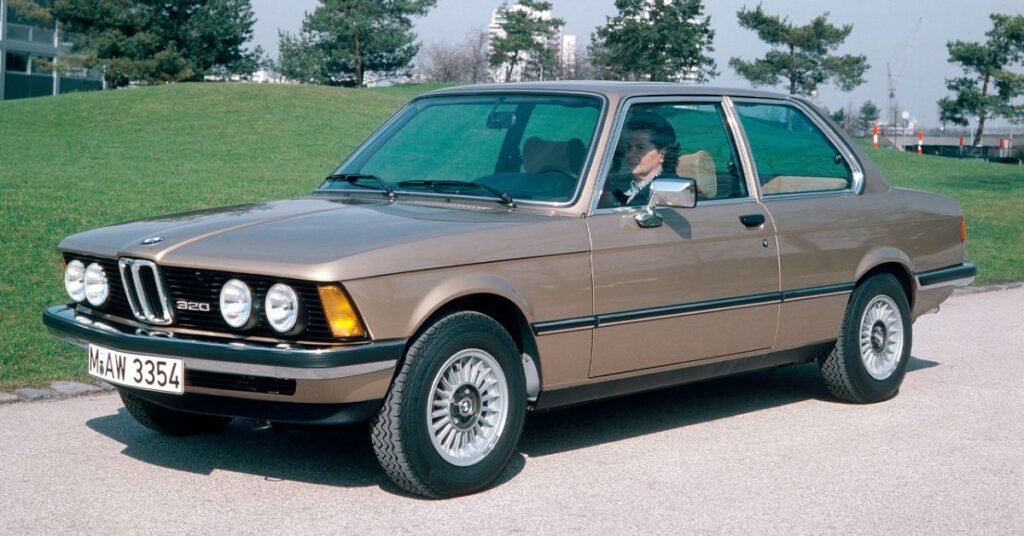
BMW offered the E21 with several four-cylinder and six-cylinder engines. Power outputs varied across markets and model years. The 323i became one of the best-known versions because of its 2.3-liter six-cylinder engine. The car also featured rear-wheel drive and a driver-focused layout.
The E21 remains popular with classic BMW enthusiasts. Its simple design makes it easy to recognize today. The interior also introduced BMW’s driver-oriented dashboard layout. The limited-production 320i Turbo added another interesting chapter to the E21 story. Today, well-preserved examples attract collectors who appreciate its place in BMW history.
BMW M10 Engine
The BMW M10 is a four-cylinder petrol engine with a strong place in BMW history. BMW introduced it in 1961, and the engine remained in production for more than two decades. It powered several BMW models, including early 3 Series cars. Its simple design also helped make it durable and easy to service.
BMW produced the M10 in different engine sizes and power levels. Displacement ranged from about 1.5 to 2.0 liters in road cars. BMW used both carburetors and fuel injection on different versions. The engine also became the base for BMW’s successful motorsport development.
One of the most famous M10 versions was the turbocharged engine used in the BMW 2002 Turbo. Motorsport engineers also developed highly powerful versions from the same basic design. This long development history helped build the M10’s reputation. Today, classic BMW fans still value it for its simple construction and racing heritage.
BMW E30
The BMW E30 is the second generation of the 3 Series. BMW produced it from 1982 to 1994. It came as a two-door coupe, four-door sedan, convertible, and Touring wagon. The E30 became one of BMW’s most recognized classic models.
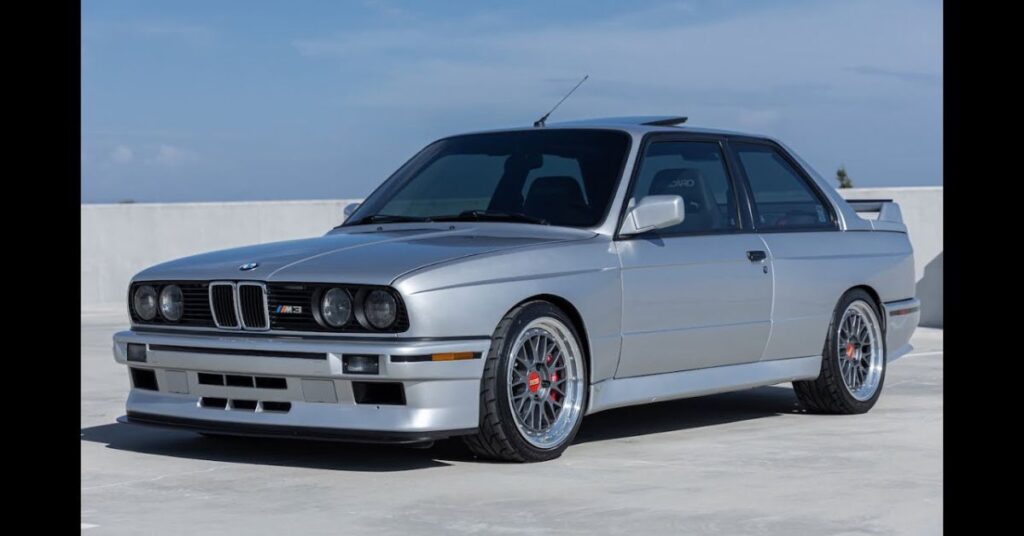
BMW offered the E30 with several four-cylinder and six-cylinder engines. The lineup included petrol and diesel options in different markets. Rear-wheel drive remained a key part of its design. BMW also introduced the 325iX, which used all-wheel drive. This gave buyers more choice without losing the car’s sporty character.
The E30 M3 became the most famous performance version. It used a high-revving four-cylinder engine and had a strong connection to motorsport. The standard E30 also gained a reputation for balanced handling and simple mechanical design. Today, clean E30 examples are highly sought after by classic BMW enthusiasts.
BMW S14 Engine
The BMW S14 is a naturally aspirated four-cylinder petrol engine. BMW developed it specifically for the E30 M3. It first appeared in 1986 and gave the M3 a strong motorsport character. The engine used a 2.3-liter displacement in most early versions.
The S14 uses a double-overhead-camshaft design and four valves per cylinder. BMW also used individual throttle bodies to improve throttle response. Power outputs changed during the E30 M3’s production run. Later versions included the 2.5-liter S14B25, which produced more power and torque.
The S14 became an important part of BMW’s racing history. The E30 M3 used it successfully in touring-car competition. Its high-revving nature made the engine exciting on the road and track. Today, the S14 remains highly valued by BMW enthusiasts and E30 M3 collectors.
BMW 318i
The BMW 318i is one of the best-known four-cylinder versions of the 3 Series. BMW has used the 318i name across several generations. It generally sits below the six-cylinder models in the lineup. The model focuses on a balance of everyday performance, comfort, and fuel efficiency.
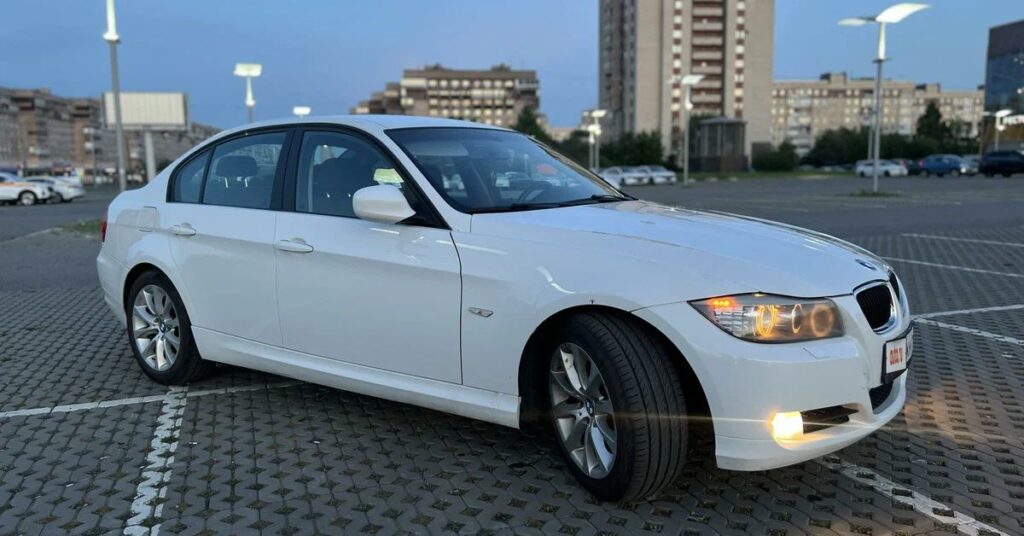
The 318i has used different four-cylinder engines depending on its generation and market. Earlier versions included the M40 and M42 engines. Later models received newer BMW four-cylinder engines with fuel injection and turbocharging. This constant development helped the 318i keep up with changing performance and efficiency standards.
The 318i is also popular because it offers a simpler entry into the 3 Series range. It provides the familiar rear-wheel-drive character found in many older versions. Newer examples add modern technology and improved cabin comfort. For buyers who want a practical BMW with moderate running costs, the 318i can be an appealing choice.
BMW M20 Engine
The BMW M20 is a naturally aspirated inline-six petrol engine. BMW introduced it in 1977. It became an important engine in several BMW models, including the 3 Series. The M20 came in different sizes, with displacements ranging from 2.0 to 2.7 liters.
The M20 used a single overhead camshaft and two valves per cylinder. BMW offered both carbureted and fuel-injected versions during its production. The 2.5-liter M20B25 became especially well known in the E30 325i. It delivered smooth power and a distinctive six-cylinder sound.
The M20 helped give the 3 Series a stronger performance character. It offered more torque than the smaller four-cylinder engines. BMW also used the engine in the 5 Series and other models. Today, enthusiasts value the M20 for its simple construction, smooth delivery, and classic BMW feel.
BMW E36
The BMW E36 is the third generation of the 3 Series. BMW introduced it in 1990 as the successor to the E30. It brought a smoother design and a more modern cabin. The E36 was available as a sedan, coupe, convertible, Touring, and compact model.
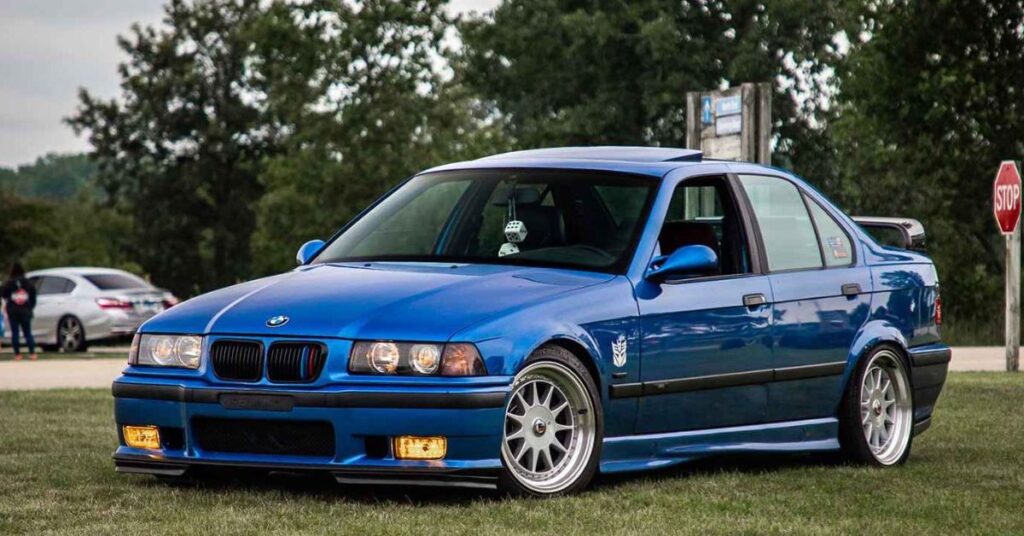
BMW offered the E36 with a wide range of four-cylinder and six-cylinder engines. Petrol and diesel options were available in different markets. Popular versions included the 318i, 320i, 325i, and 328i. The rear-wheel-drive layout remained central to the car’s sporty driving character.
The E36 M3 became the performance highlight of the generation. It used BMW’s S50 or S52 six-cylinder engine, depending on the market. The model combined strong acceleration with balanced handling. Today, the E36 remains popular with enthusiasts because of its simple mechanical layout and classic BMW driving feel.
BMW M50 Engine
The BMW M50 is a naturally aspirated inline-six petrol engine. BMW introduced it in 1990. It became an important engine for the E36 3 Series. BMW offered 2.0-liter and 2.5-liter versions, known as the M50B20 and M50B25.
The engine uses a double-overhead-camshaft design with four valves per cylinder. BMW added VANOS variable valve timing to later M50 versions. This system improved low-speed torque and overall engine response. The M50B25 produced up to around 189 hp in its later form.
The M50 earned a strong reputation for smooth power delivery and durability. It gave models such as the E36 325i a noticeable performance advantage. Its inline-six layout also delivered the smooth sound that BMW enthusiasts enjoy. Today, the M50 remains popular among owners of older BMWs and engine-swap projects.
BMW E46
The BMW E46 is the fourth generation of the 3 Series. BMW launched it in 1998 as the successor to the E36. It was available as a sedan, coupe, convertible, and Touring wagon. The E46 brought a cleaner design and a more refined cabin while keeping BMW’s rear-wheel-drive layout.
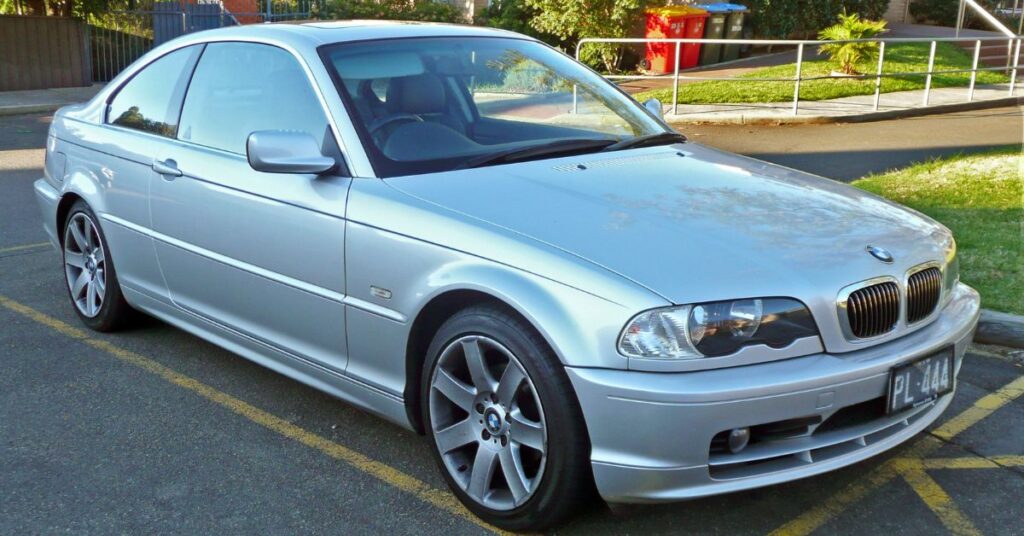
BMW offered several four-cylinder and six-cylinder engines in the E46. Popular versions included the 318i, 320i, 325i, and 330i. The 330i became a favorite because of its 3.0-liter inline-six engine. BMW also offered diesel engines in many markets. Power delivery remained smooth and responsive across the range.
The E46 M3 became the standout performance model. It used the naturally aspirated 3.2-liter S54 inline-six engine. The engine produced about 333 hp in the U.S.-market version. BMW also created the rare M3 CSL, which used lightweight parts and produced 360 hp. The E46 remains highly respected for its balanced handling, classic design, and strong driving character.
BMW M54 Engine
The BMW M54 is a naturally aspirated inline-six petrol engine. BMW introduced it in 2000. It became widely used in the E46 3 Series. BMW produced 2.2-liter, 2.5-liter, and 3.0-liter versions. The M54B30 became the most powerful standard version.
The engine uses double overhead camshafts and four valves per cylinder. It also features BMW’s Double VANOS variable valve timing. The 3.0-liter M54B30 produced around 228 hp and 300 Nm of torque in many applications. BMW paired it with both manual and automatic transmissions.
The M54 is known for smooth power delivery and a strong inline-six character. It powered models such as the 330i and 330Ci. It also appeared in several other BMW models from the same era. Today, enthusiasts appreciate the M54 for its responsive performance and relatively simple naturally aspirated design.
BMW E91
The BMW E91 is the Touring wagon version of the E90-generation 3 Series. BMW introduced it in 2005. It combined the sporty character of the 3 Series with extra cargo space. The E91 was especially useful for families and drivers who needed more practicality.
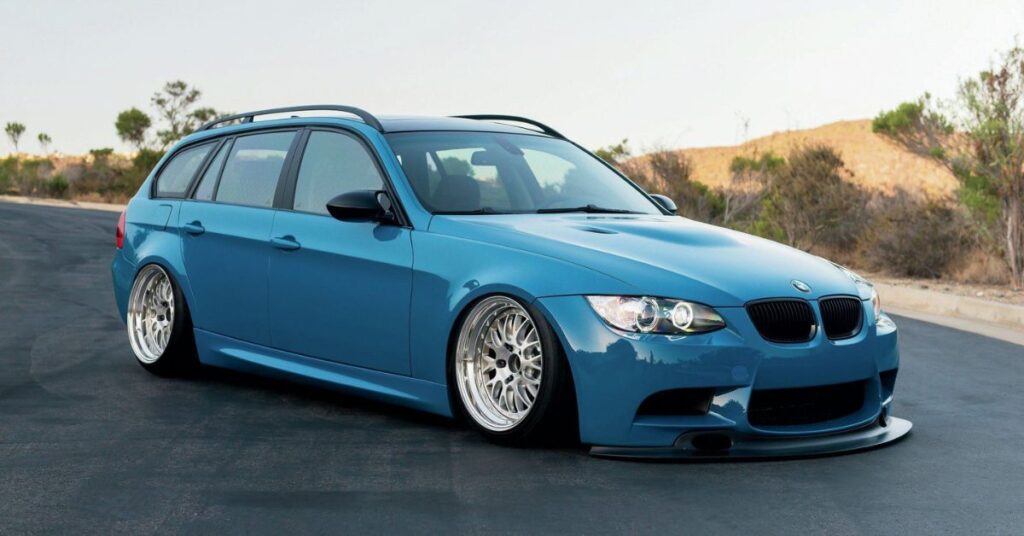
BMW offered the E91 with several petrol and diesel engines. Options varied by market and model year. Four-cylinder versions focused on efficiency, while six-cylinder models offered stronger performance. BMW also offered xDrive all-wheel drive on selected versions.
The E91 has a practical five-door design with a useful rear cargo area. Its split tailgate made loading smaller items easier. The cabin followed the clean layout of the E90 family. Today, the E91 is appreciated by enthusiasts who want classic BMW driving dynamics with the practicality of a wagon.
BMW N46 Engine
The BMW N46 is a naturally aspirated four-cylinder petrol engine. BMW introduced it in the mid-2000s. It became popular in several 3 Series models, including the E90 and E91. The engine came mainly in 1.8-liter and 2.0-liter versions, depending on the market.
The N46 uses a double-overhead-camshaft design and four valves per cylinder. It also features BMW’s Valvetronic variable valve lift system. This system controls engine airflow through valve lift instead of relying only on a traditional throttle plate. The engine provides smooth power for normal city and highway driving.
The N46 focuses more on efficiency and everyday use than high performance. It offers a simple naturally aspirated driving feel without a turbocharger. The engine can be durable when owners follow regular maintenance schedules. Common service areas include oil changes, seals, the cooling system, and the timing-chain components.
BMW F30
The BMW F30 is the sedan version of the sixth-generation 3 Series. BMW introduced it in 2011. It brought a sharper exterior and a more modern cabin than the previous E90. The F30 also offered more space and improved fuel efficiency.
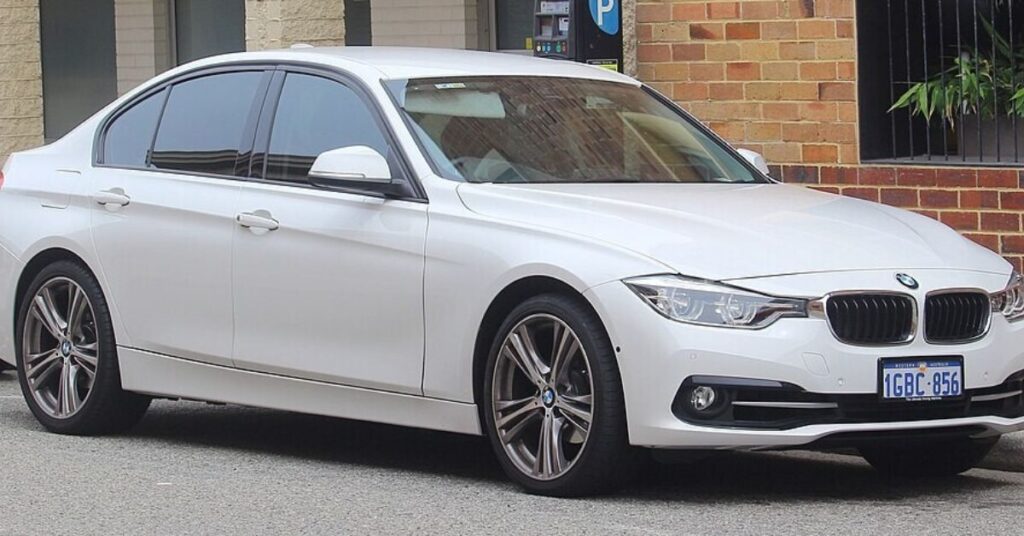
BMW used several turbocharged petrol and diesel engines in the F30. The lineup included four-cylinder and six-cylinder options. Popular models included the 320i, 328i, 330i, and 340i. BMW also offered xDrive on selected versions. The 340i became the performance-focused choice with its 3.0-liter turbocharged inline-six engine.
The F30 added more technology to the 3 Series range. Many versions included BMW iDrive, driving modes, and available driver-assistance systems. The chassis balanced comfort with responsive handling. Today, the F30 remains a popular used BMW because it combines modern features with a familiar sporty driving feel.
BMW N54 Engine
The BMW N54 is a 3.0-liter twin-turbocharged inline-six petrol engine. BMW introduced it in 2006. It uses direct fuel injection and two small turbochargers. The engine became famous for its strong power and tuning potential.
BMW used the N54 in several models, including the E90 335i and E92 335i. Early versions produced around 300 hp and 400 Nm of torque. The engine delivers strong torque across a wide rev range. Its smooth six-cylinder design also gives the car a quick and refined feel.
The N54 has become popular among BMW enthusiasts and tuners. Its twin-turbo setup responds well to performance upgrades. However, older examples can develop issues with components such as the high-pressure fuel pump, fuel injectors, and turbochargers. Regular maintenance is important for keeping the engine reliable.
Conclusion
The BMW 3 Series has changed greatly across its generations. From the E21 to the F30, BMW improved its engines, technology, comfort, and performance. Each generation brought something different to the lineup. The engines also played a major role in shaping the character of each model.
Part 1 shows how the 3 Series grew from a simple compact sedan into a more advanced sports sedan. Classic engines such as the M20, M50, M54, and S14 remain important to BMW fans. Newer engines added turbocharging and better efficiency. Together, these models explain why the 3 Series remains one of BMW’s most recognized cars.
FAQs
1. What is the BMW 3 Series?
The BMW 3 Series is a compact luxury car known for sporty handling, premium comfort, and a wide range of engines.
2. Which BMW 3 Series generation came first?
The BMW E21 was the first 3 Series generation. BMW introduced it in 1975 as the successor to the 02 Series.
3. Which engine is famous in the E30 M3?
The E30 M3 used the BMW S14 four-cylinder engine. It became well known for its high-revving performance and motorsport heritage.
4. What engine did the BMW E46 330i use?
The E46 330i used the 3.0-liter BMW M54B30 inline-six engine, producing around 228 hp in many markets.
5. Is the BMW 3 Series good for daily driving?
Yes. It offers a good balance of performance, comfort, technology, and practicality for everyday use.
Related Posts
BMW XM: Complete Buying Guide, Specs, Price & Features
The BMW XM is a luxury performance SUV from BMW’s…
BMW X6: Complete Buyer’s Guide, Features, Price & Reliability
The BMW X6 is a luxury midsize SUV with a…
BMW 2 Series Generations: A Complete Model Guide
The BMW 2 Series is a compact car range that…