
BMW hybrid models combine a gasoline engine with electric power. Both systems work together to improve driving performance and efficiency. Some models can also cover short distances using electric power alone.
Hybrid technology gives BMW drivers a balance between power and fuel savings. The electric motor can provide quick response and smooth acceleration. Plug-in hybrids also give drivers the option to charge the battery and use electric power more often.
This guide looks at different BMW hybrid models and their main features. It covers performance, electric range, fuel economy, charging, and maintenance. It also explains how mild hybrids differ from plug-in hybrid systems.
BMW Hybrid Engine Technology
BMW hybrid technology brings together a petrol engine, an electric motor, and a battery system. These components work together based on the driving situation. BMW uses different hybrid systems across its cars and SUVs.
The electric motor can assist the petrol engine during acceleration. It can also help the vehicle use less fuel in certain situations. During deceleration, the system can recover energy and store it in the battery.
Plug-in hybrid models use a larger battery than mild hybrids. Drivers can recharge this battery with an external power source. The stored energy can then power the vehicle for shorter electric-only journeys.
How BMW Hybrid Systems Work
A BMW hybrid system automatically manages the petrol engine and electric motor. It chooses the best power source based on speed, battery charge, and driving conditions. Sometimes the car uses electric power, while at other times both systems work together.
The electric motor can assist when the vehicle starts moving or accelerates. This reduces some of the work handled by the petrol engine. The system can also recover energy when the car slows down.
Plug-in hybrids have larger batteries that support more electric driving. Drivers can recharge these batteries at home or at charging stations. When the battery charge becomes low or more power is required, the petrol engine can provide additional power.
Mild Hybrid vs Plug-In Hybrid
Mild hybrid BMWs use a smaller battery and electric motor to assist the petrol engine. The system can provide extra support during acceleration and help recover energy during braking. Drivers do not normally need to connect these systems to an external charger.
Plug-in hybrids use larger batteries and offer greater electric-driving capability. Drivers can recharge them using an external power supply. Key differences include:
- Mild hybrid: Uses electric power mainly as engine assistance.
- Plug-in hybrid: Can provide electric-only driving for suitable journeys.
- Mild hybrid: Recharges mainly through regenerative braking.
- Plug-in hybrid: Can recharge through a charger as well as regenerative braking.
Popular BMW Hybrid Models
BMW offers hybrid technology in several vehicle categories. These include sedans, SUVs, and high-performance models. Popular examples include the 3 Series, 5 Series, 7 Series, X5, and XM.
Each model targets different driving needs. The 3 Series focuses on everyday performance and efficiency. The 5 Series adds more comfort and space. The X5 offers SUV practicality, while the XM puts greater emphasis on performance.
| BMW Hybrid Model | Hybrid Type | Key Benefit | Suitable For |
| BMW 3 Series | Mild/Plug-In Hybrid | Balanced efficiency and handling | Everyday driving |
| BMW 5 Series | Mild/Plug-In Hybrid | Comfort and refinement | Commuting and trips |
| BMW 7 Series | Plug-In Hybrid | Luxury and smooth performance | Premium driving |
| BMW X5 | Plug-In Hybrid | SUV practicality and power | Family use |
| BMW XM | Plug-In Hybrid | High-output performance | Performance enthusiasts |
| BMW X1 | Mild Hybrid | Compact and efficient design | Urban driving |
| BMW X3 | Mild Hybrid | Balanced power and practicality | Family and daily use |
| BMW X7 | Mild Hybrid | Large cabin and comfort | Larger families |
BMW 3 Series Hybrid
The BMW 3 Series uses hybrid technology to combine efficiency with its familiar sporty character. Depending on the market and model year, different versions can use mild-hybrid or plug-in hybrid systems. The electric motor works alongside the petrol engine to provide additional support.
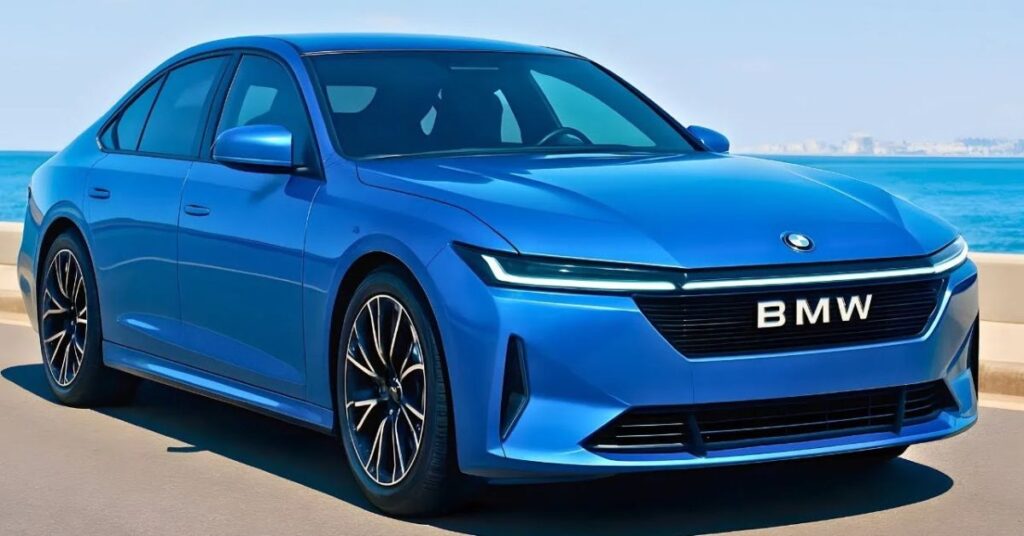
Electric assistance can improve response during acceleration and low-speed driving. The system can also recover energy during braking. This recovered energy helps recharge the battery and supports more efficient driving.
The 3 Series continues to focus on responsive handling and everyday comfort. Hybrid technology adds an efficiency advantage without removing its sporty character. It can suit drivers who want a practical BMW with modern hybrid assistance.
BMW 5 Series Hybrid
The BMW 5 Series combines executive comfort with hybrid technology. Depending on the version and market, it may use mild-hybrid or plug-in hybrid power. The petrol engine and electric motor work together to provide smooth and controlled power.
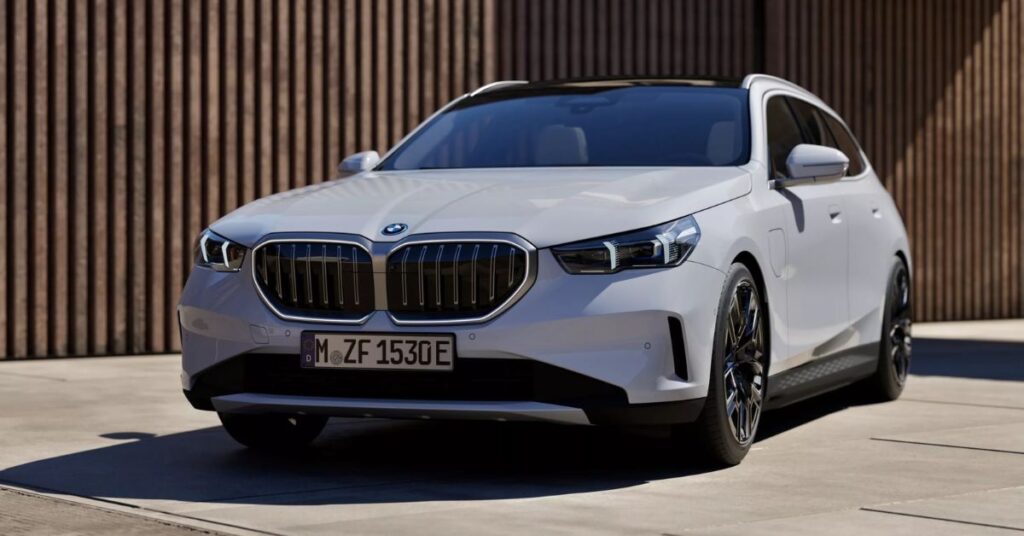
The electric motor can assist the petrol engine during acceleration. Plug-in versions can also use electric power for suitable trips. Regenerative braking helps recover energy and return it to the battery.
The 5 Series provides a comfortable cabin and a refined driving experience. Its hybrid system can also help lower fuel consumption in suitable conditions. It is a good option for drivers who want luxury, performance, and improved efficiency.
BMW 7 Series Hybrid
The BMW 7 Series brings hybrid technology into the luxury sedan segment. Its plug-in hybrid versions combine a petrol engine with an electric motor and rechargeable battery. This combination provides smooth power and the ability to use electric driving.
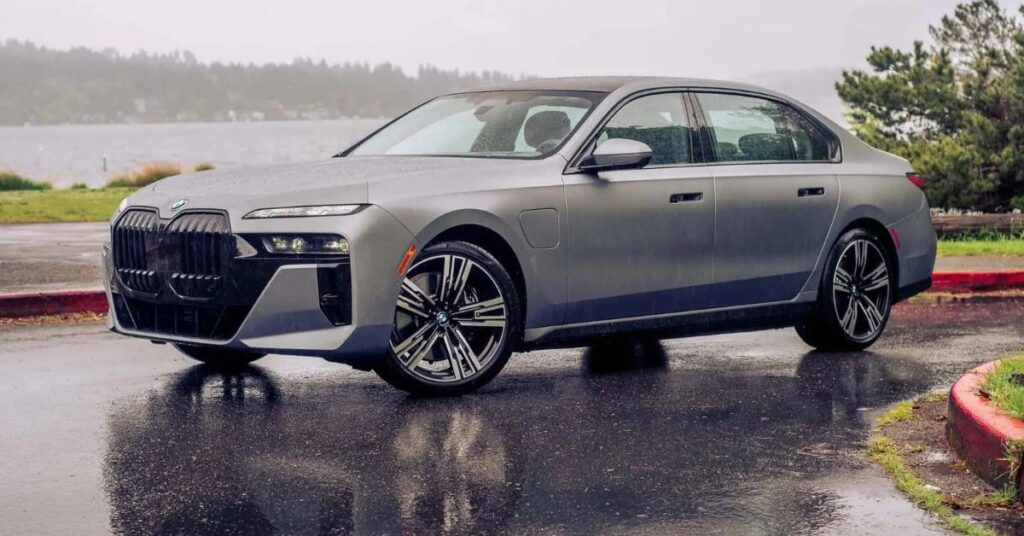
The electric motor can handle many shorter journeys when sufficient battery charge is available. The petrol engine provides additional power and range when required. Regenerative braking also helps recover energy during deceleration.
Comfort remains a major part of the 7 Series experience. The cabin provides a quiet environment with premium materials and advanced technology. Its hybrid system gives luxury-car buyers another option for reducing fuel use and increasing electric driving.
BMW X5 Plug-In Hybrid
The BMW X5 plug-in hybrid combines SUV practicality with electric assistance. Its petrol engine and electric motor work together to provide strong performance. The system also gives drivers the option of electric driving for shorter journeys.
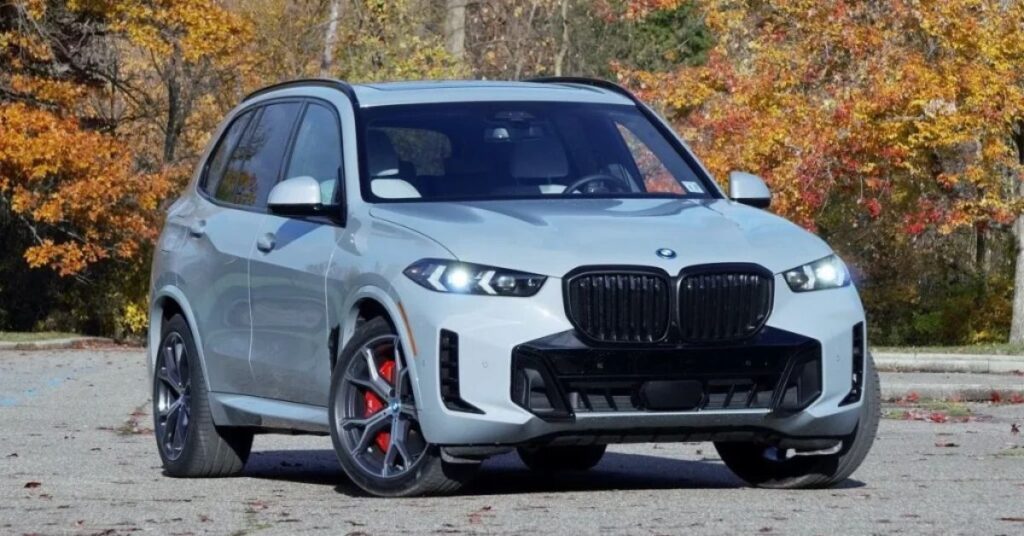
When the battery has enough charge, the electric motor can handle suitable low-speed trips. The petrol engine can then provide power for longer journeys or situations that require stronger performance. Regenerative braking helps recover energy during normal driving.
The X5 also offers a spacious cabin and useful SUV practicality. It can work well for families and drivers who need extra space. The plug-in hybrid system adds flexibility by allowing drivers to switch between electric and petrol power.
BMW XM Hybrid
The BMW XM is a performance-focused plug-in hybrid SUV. It combines a powerful petrol engine with an electric motor. Together, these systems provide strong acceleration and high levels of performance.
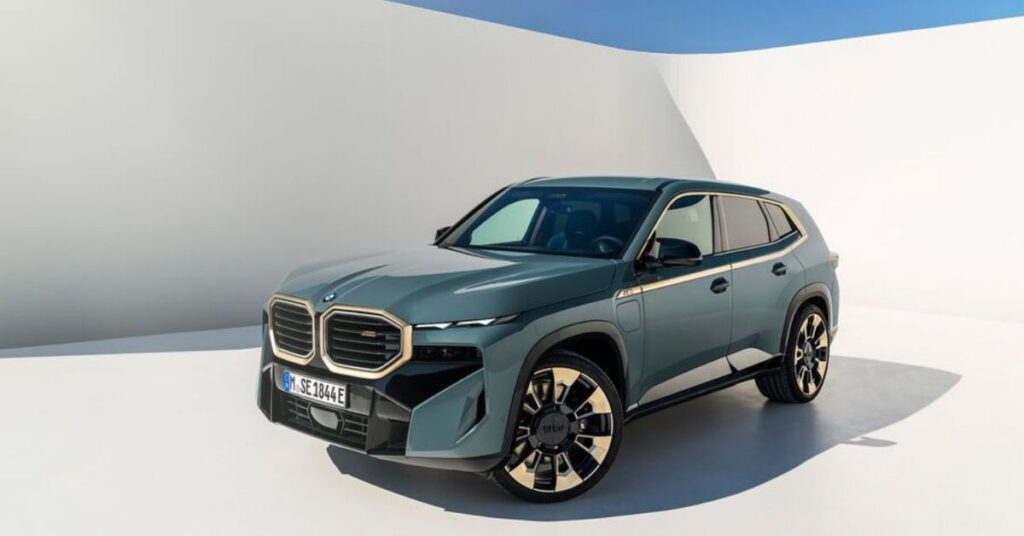
The electric motor can deliver immediate torque when the driver accelerates. It can also support quieter and more efficient driving when suitable. During braking, the system can recover energy and store it in the battery.
The XM also stands out with its aggressive styling and premium cabin. It includes advanced technology and a performance-focused driving setup. It suits buyers who want the character of a high-performance BMW with plug-in hybrid capability.
Hybrid Performance and Power
BMW hybrid systems combine traditional engine power with electric assistance. The electric motor can deliver torque quickly when the driver accelerates. This can make the vehicle feel responsive from low speeds.
Plug-in hybrid models can combine the output of both power sources when stronger performance is required. The petrol engine provides useful power for higher speeds and longer journeys. The electric motor adds smooth and immediate assistance.
Hybrid systems can also improve the overall driving experience. Electric power can make low-speed driving quieter and smoother. The combination of both systems gives BMW hybrids a balance of performance, comfort, and efficiency.
Electric Range and Fuel Economy
Hybrid technology can help BMW models reduce fuel consumption by using electric assistance. Mild hybrids mainly use their electric systems to support the petrol engine. Plug-in hybrids have larger batteries and can provide more electric-only driving.
Actual electric range depends on several factors. These include the model, battery capacity, driving style, road conditions, and temperature. Heavy acceleration, high speeds, and cold weather can reduce electric range.
Keeping a plug-in hybrid charged can help drivers make greater use of electric power. Regenerative braking can also return some energy to the battery. On longer journeys, the petrol engine provides additional range when the battery cannot meet the full driving demand.
Hybrid Features and Charging
BMW hybrid vehicles use several technologies to improve efficiency and driving comfort. Regenerative braking captures some energy when the vehicle slows down. The electric motor can also assist the petrol engine during acceleration.
Plug-in hybrid models can recharge through an external power source. Drivers can use suitable home charging equipment or public charging stations. Regular charging allows drivers to use more of the vehicle’s electric-driving capability.
The vehicle can also provide information about battery charge and energy use through its displays. Drivers can monitor electric driving and charging status. The time required to recharge depends on the vehicle, battery size, and charging equipment.
BMW Hybrid Maintenance Costs
BMW hybrid vehicles require routine maintenance just like other BMW models. Regular servicing can include oil changes, brake inspections, tire checks, and cooling-system inspections. Following the recommended service schedule can help keep the vehicle reliable.
Hybrid vehicles also contain additional components. These can include a high-voltage battery, electric motor, and charging equipment. Regenerative braking can reduce the amount of work done by the conventional brakes, which may help reduce brake wear.
Maintenance expenses vary based on the model, age, mileage, and local labor rates. Older vehicles can require more repairs as parts begin to wear. Regular inspections can help identify issues early and support the hybrid system’s long-term performance.
Conclusion
BMW hybrid models give drivers several ways to combine performance with improved efficiency. Mild hybrids provide electric assistance to the petrol engine, while plug-in hybrids offer greater electric-driving capability. Models such as the 3 Series, 5 Series, 7 Series, X5, and XM target different needs.
The best choice depends on how and where you drive. A mild hybrid can work well for drivers who do not want to charge a vehicle regularly. A plug-in hybrid may suit drivers who can charge at home and want more electric driving. BMW hybrid technology offers a flexible approach to modern performance and efficiency.
FAQs
1. What are BMW hybrid models?
BMW hybrid models combine a petrol engine with an electric motor to support performance, efficiency, and smoother driving.
2. How does a mild hybrid differ from a plug-in hybrid BMW?
A mild hybrid mainly uses electric power to assist the engine, while a plug-in hybrid can drive on electric power and use external charging.
3. What affects the electric range of a BMW plug-in hybrid?
Range depends on the model, battery capacity, temperature, road conditions, speed, and driving habits.
4. Do BMW hybrid models require special maintenance?
They need normal BMW servicing plus checks of hybrid components such as the high-voltage battery, electric motor, and charging system.
5. Which BMW hybrid is suitable for everyday driving?
The 3 Series and 5 Series can suit daily use, while the X5 is a practical option for drivers who need more SUV space.
Related Posts
BMW 2 Series Generations: A Complete Model Guide
The BMW 2 Series is a compact car range that…
BMW Introduction: A Complete Guide to the Brand
BMW is one of the most famous car brands in…
One Reply to “BMW Hybrid Models: Performance, Range, and Features”