
BMW M1: History, Specs, Price, and Why It’s Still Legendary
The BMW M1 is the first car developed by BMW’s M division. It is a classic mid-engine sports car that was built between 1978 and 1981. Even today, the BMW M1 is known for its rare design, strong performance, and special place in BMW history.
Few classic cars have earned the legendary status of the BMW M1. Its unique styling, powerful engine, and limited production make it one of the most desirable BMW models ever made. Car enthusiasts and collectors around the world still admire it decades after its launch.
In this guide, you’ll learn about the BMW M1’s history, design, engine, specifications, price, and production numbers. We’ll also compare it with its rivals, discuss its pros and cons, and explain why this iconic sports car remains a true legend.
BMW M1 at a Glance
The BMW M1 is a classic sports car that was produced from 1978 to 1981. It was the first model created by BMW’s M division. Because only a small number were built, it is one of the rarest BMW cars ever made.
The M1 uses a naturally aspirated 3.5-liter inline-six engine with a five-speed manual transmission. It has a mid-engine layout, which gives it balanced handling and an exciting driving experience. Its sharp wedge-shaped design also makes it easy to recognize.
Today, the M1 is more than just a classic car. It is a valuable collector’s item and an important part of BMW’s history. Its timeless design, strong performance, and limited production have helped it remain a legend for decades.
BMW M1 History
The BMW M1 was introduced in 1978 as BMW’s first true supercar. It was created so BMW could compete in international motorsport. The project also marked the beginning of BMW’s famous M division as a maker of high-performance cars.
BMW originally worked with Lamborghini to develop the M1. However, Lamborghini faced financial problems before the project was finished. BMW then completed the car with the help of other Italian companies and began production.
Only 453 BMW M1 models were built before production ended in 1981. Although its production run was short, the M1 became one of the most important cars in BMW’s history. It laid the foundation for the high-performance BMW M models that followed.
M1 Design
The BMW M1 has a bold and timeless design. It features a low, wedge-shaped body that was popular among supercars of the late 1970s. Even today, its clean lines and sporty look still attract attention.
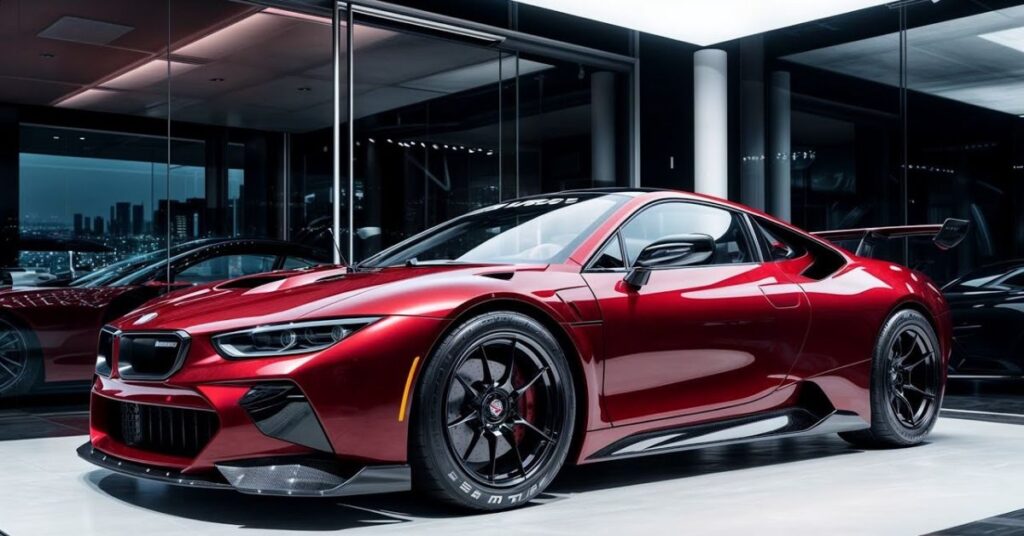
The body was made from lightweight fiberglass and mounted on a steel space-frame chassis. This helped reduce weight while improving strength. The car also has pop-up headlights, wide rear fenders, and large air vents that give it a distinctive appearance.
Inside, the M1 has a simple driver-focused cabin. The controls are easy to reach, and the seats provide good support. While the interior is basic by modern standards, it reflects the sporty character of this legendary car.
BMW M1 Engine
The BMW M1 is powered by a 3.5-liter naturally aspirated inline-six engine. This engine, known as the M88, produces around 277 horsepower and 330 Nm of torque. It is paired with a five-speed manual transmission that sends power to the rear wheels.
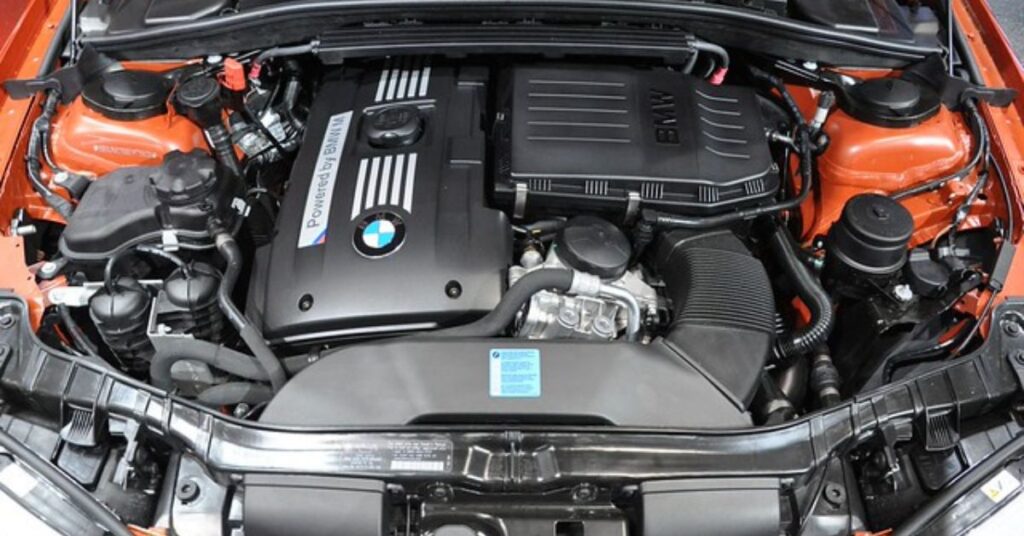
The mid-engine layout gives the BMW M1 excellent balance and handling. It can accelerate from 0 to 60 mph in about 5.6 seconds and reach a top speed of around 162 mph (260 km/h). These numbers made it one of the fastest cars of its time.
The M88 engine is known for its smooth power delivery and high-revving performance. It is also considered one of BMW’s greatest engines. Even after many years, it remains a favorite among classic car enthusiasts for its reliability, sound, and driving feel.
BMW M1 Interior
The BMW M1 has a simple and driver-focused interior. Everything is placed within easy reach of the driver. The layout is clean and designed for a sporty driving experience rather than luxury.
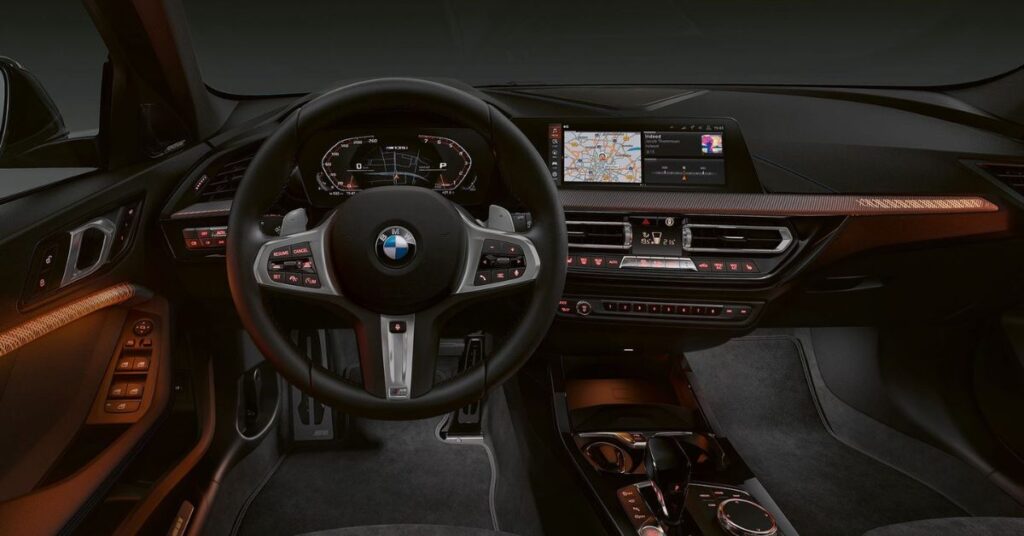
The cabin features leather seats, a three-spoke steering wheel, and clear analog gauges. The seats provide good support during spirited driving, while the large windows give the driver good visibility. Although the design is classic, it still feels functional.
Compared to modern sports cars, the BMW M1 has very few electronic features. There are no large touchscreens or advanced driver aids. Instead, it offers a pure and engaging driving experience that many classic car fans still appreciate today.
BMW M1 Specifications
The BMW M1 was built to deliver both speed and balance. Its lightweight construction, mid-engine layout, and naturally aspirated engine helped it stand out from other sports cars of its time. Even today, its specifications remain impressive for a classic supercar.
The table below highlights the key specifications of the BMW M1. Keep in mind that some figures may vary slightly depending on the model and source.
| Specification | BMW M1 |
| Production Years | 1978–1981 |
| Body Style | 2-door coupe |
| Engine | 3.5-liter M88 inline-6 |
| Engine Code | M88/1 |
| Displacement | 3,453 cc |
| Horsepower | 277 hp (204 kW) |
| Torque | 330 Nm (243 lb-ft) |
| Transmission | 5-speed manual |
| Drivetrain | Rear-wheel drive (RWD) |
| Engine Layout | Mid-engine |
| 0–60 mph | About 5.6 seconds |
| Top Speed | 162 mph (260 km/h) |
| Fuel System | Bosch Kugelfischer mechanical fuel injection |
| Chassis | Steel space-frame |
| Body Material | Fiberglass |
| Front Suspension | Independent MacPherson strut |
| Rear Suspension | Independent multi-link |
| Front Brakes | Ventilated disc brakes |
| Rear Brakes | Ventilated disc brakes |
| Length | 4,360 mm (171.7 in) |
| Width | 1,824 mm (71.8 in) |
| Height | 1,140 mm (44.9 in) |
| Wheelbase | 2,560 mm (100.8 in) |
| Curb Weight | About 1,300 kg (2,866 lbs) |
| Fuel Tank Capacity | 116 liters (30.6 gallons) |
| Seating Capacity | 2 |
| Total Production | 453 units |
BMW M1 vs Countach and 911 Turbo
The BMW M1 competed with legendary sports cars like the Lamborghini Countach and Porsche 911 Turbo. While the Countach focused on extreme styling and raw performance, the 911 Turbo was known for its speed and everyday usability. The BMW M1 offered a balance of performance, handling, and reliability.
Each car had its own strengths. The BMW M1 stood out for its smooth inline-six engine, mid-engine layout, and limited production, making it one of the most collectible classic BMWs today.
- BMW M1: Balanced handling, naturally aspirated engine, rare collector’s car.
- Lamborghini Countach: Exotic design, powerful V12 engine, dramatic road presence.
- Porsche 911 Turbo: Turbocharged performance, practical design, and strong everyday drivability.
BMW M1 Production and Variants
The BMW M1 was produced between 1978 and 1981. Only 453 units were built, making it one of the rarest production cars in BMW’s history. Its limited production is one of the main reasons it is highly valued by collectors today.
Most BMW M1 models were built as road cars for public use. BMW also created the M1 Procar, a racing version designed for the BMW Procar Championship. It featured more power and race-focused upgrades for professional drivers.
Over the years, a few special and modified BMW M1 models have also appeared. These include unique prototype cars, customized versions, and restored examples. However, the original road-going BMW M1 remains the most sought-after variant among collectors and enthusiasts.
BMW M1 Price
When the BMW M1 was launched in the late 1970s, it was one of the most expensive BMW models ever built. Its advanced engineering, limited production, and supercar performance gave it a premium price from the beginning.
Today, the BMW M1 is a highly valuable collector’s car. Well-maintained examples often sell for $500,000 to over $1 million, depending on their condition, mileage, originality, and ownership history. Rare models and low-mileage cars usually command the highest prices.
The value of the BMW M1 has continued to rise over the years. Its rarity, historical importance, and timeless design make it a strong investment for classic car collectors. As demand grows, prices are expected to remain high.
BMW M1 Pros and Cons
The BMW M1 is one of the most iconic sports cars ever built by BMW. It offers a timeless design, a powerful inline-six engine, and excellent handling. Its limited production also makes it a prized collector’s car with strong investment value.
However, owning a BMW M1 also comes with some challenges. It is expensive to buy, replacement parts can be difficult to find, and maintenance costs are much higher than those of a regular BMW. Because of its rarity, many owners avoid driving it daily.
Pros
- Rare and highly collectible
- Classic and timeless design
- Strong engine and balanced handling
- High resale and investment value
Cons
- Very expensive to purchase
- Costly maintenance and repairs
- Limited availability of spare parts
- Not practical for everyday driving
BMW M1 Buying Guide
Buying a BMW M1 requires careful research and planning. First, verify the car’s VIN, ownership history, and complete service records. In addition, choose a car with original parts and proper documentation, as these factors greatly affect its value.
Before making a purchase, inspect the engine, transmission, suspension, brakes, and fiberglass body. Also, look for signs of rust on the chassis, accident damage, or poor-quality repairs. If possible, have the car inspected by a classic BMW specialist to avoid unexpected problems.
Finally, consider the long-term cost of ownership. Besides the purchase price, maintenance, insurance, and replacement parts can be expensive. Therefore, buying a well-maintained BMW M1 is often the smartest choice for both enjoyment and future value.
Why the BMW M1 Is Special
The BMW M1 is special because it was the first car developed by BMW’s M division. As a result, it became the foundation for every BMW M model that followed. Moreover, it introduced a new level of performance that changed the brand’s future.
In addition, the BMW M1 combines a lightweight body, a mid-engine layout, and a powerful inline-six engine. Because of this, it delivers excellent balance and an exciting driving experience. Even today, its timeless design continues to impress car enthusiasts around the world.
Most importantly, only 453 BMW M1 models were produced. Therefore, it is one of the rarest and most collectible BMWs ever made. For this reason, the BMW M1 remains a true automotive legend and a valuable investment.
BMW M1 Problems and Maintenance
The BMW M1 is built with strong engineering. However, like any classic car, it can develop age-related issues over time. For example, owners may notice oil leaks, worn suspension components, aging fuel system parts, or minor electrical problems. Fortunately, these issues are usually caused by age rather than poor design.
Therefore, regular maintenance is essential to keep the BMW M1 in top condition. For instance, engine oil, coolant, brake fluid, and transmission fluid should be replaced at the recommended intervals. Likewise, routine inspections can help detect small problems before they become expensive repairs.
Finally, replacement parts for the BMW M1 can be difficult to find because of its rarity. As a result, repairs may take longer and cost more than those for a standard BMW. Nevertheless, with proper maintenance and expert care, the BMW M1 can remain reliable while preserving its performance and collector value.
Conclusion
The BMW M1 is much more than a classic sports car. Not only does it offer timeless styling and impressive performance, but it also holds a special place in BMW’s history. Because of its limited production and racing heritage, it continues to be admired by collectors and enthusiasts worldwide.
Whether you are looking to buy one or simply learn about its legacy, the BMW M1 is a car worth appreciating. Although owning one requires a significant investment, its rarity and historical importance make it truly special. In the end, the BMW M1 remains one of the greatest and most legendary BMW models ever built.
FAQs
1. Why is the BMW M1 considered legendary?
The BMW M1 is legendary because it was the first BMW M car. In addition, its rare production, unique design, and strong performance have made it a true collector’s icon.
2. How many BMW M1 cars were built?
BMW produced only 453 M1 models. As a result, it is one of the rarest and most valuable BMW cars ever made.
3. Is the BMW M1 a good investment?
Yes. Because of its rarity and historical significance, its value has increased over the years. Therefore, many collectors see it as a strong long-term investment.
4. What should I check before buying a BMW M1?
First, verify the car’s history and service records. Then, inspect its engine, body, and mechanical components to ensure it is in good condition.
5. Is the BMW M1 expensive to maintain?
Yes, maintenance can be costly because replacement parts are rare. However, regular servicing and proper care can help keep the car reliable and protect its value.
Related Posts
BMW Headlights: Features, Types, and Latest Technology
BMW headlights are the lighting systems used on BMW vehicles…
BMW Z4: Performance, Design, and Comfort
BMW Z4: Performance, Design, and Comfort The BMW Z4 is…
BMW 2 Series Generations: A Complete Model Guide
The BMW 2 Series is a compact car range that…