
The BMW Z8 is a luxury two-seat roadster produced by BMW in the early 2000s. It was inspired by the classic BMW 507 and combined retro styling with modern engineering. With its long hood, low body, and powerful V8 engine, the Z8 quickly became one of BMW’s most distinctive sports cars.
What makes the BMW Z8 interesting is that it still looks special today. It was never built in huge numbers, which has made it desirable among collectors. Its combination of elegant design, strong performance, and open-top driving gives it a character that many newer cars struggle to match.
In this BMW Z8 review, we will examine its exterior and interior design, engine performance, driving experience, and key features. We will also explore what makes the Z8 unique and why it continues to attract sports car enthusiasts and collectors.
History and Production
The BMW Z8 was introduced in 1999 as a modern sports car inspired by the classic BMW 507. It was first shown as the Z07 concept before reaching production. The final model kept much of the concept car’s retro design.
Production took place from 2000 to 2003. The car was built in limited numbers, which made it quite rare compared with many other BMW models. Its aluminum body and specialized construction also set it apart from regular production cars.
BMW produced a little over 5,700 units during its production run. Because of its low production numbers, unique styling, and strong performance, the Z8 later became popular with collectors. Today, well-kept examples are often seen as desirable modern classics.
Exterior Design and Styling
The BMW Z8 has a clean and timeless exterior design. Its long hood, short rear section, and low stance give it a classic sports car look. The shape was strongly inspired by the BMW 507 from the 1950s.
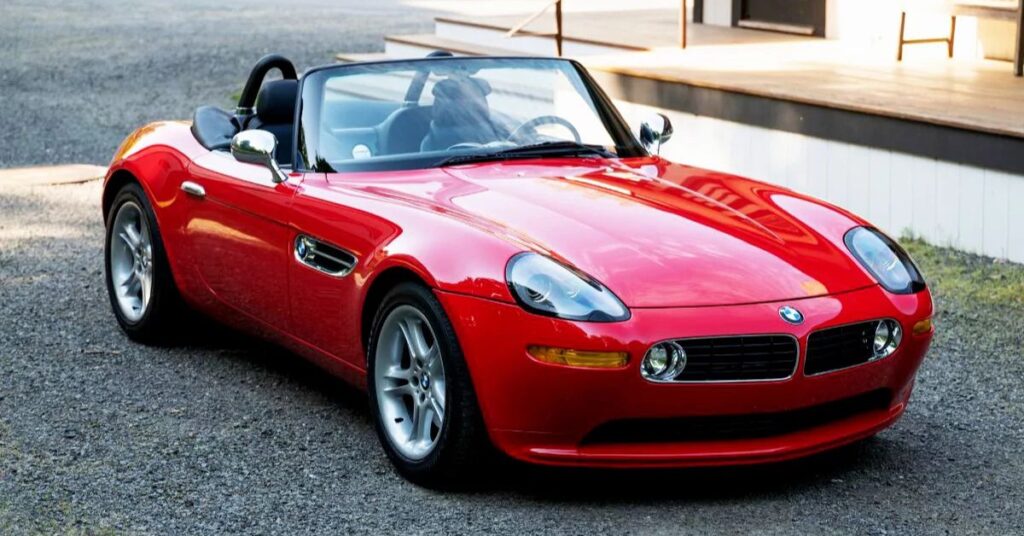
At the front, the car features wide kidney grilles and round headlights. The smooth body lines make the Z8 look elegant rather than aggressive. Its aluminum body also helped keep the design light and modern for its time.
The rear design is simple and well-balanced. Slim taillights, a wide body, and twin exhaust outlets add to its sporty character. Even today, the Z8 still looks distinctive and easily stands out on the road.
BMW Z8 Interior
The BMW Z8 interior has a simple but premium design. The cabin feels sporty and elegant at the same time. High-quality leather, metal trim, and clean details give it a classic look.
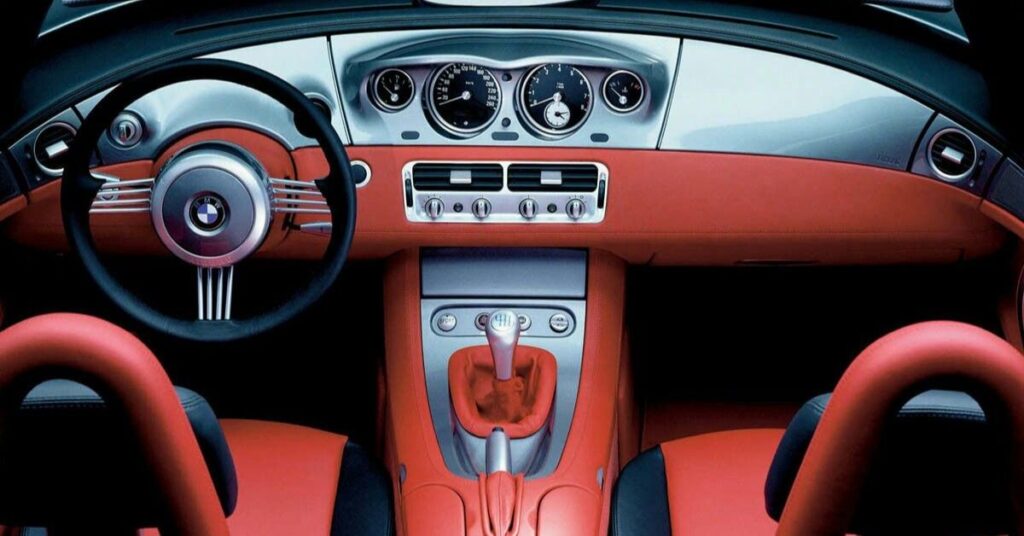
One of the most unusual features is the center-mounted instrument cluster. This keeps the area in front of the driver clean and open. The dashboard is also minimal, with easy-to-use controls and a strong focus on driving.
The seats are supportive and comfortable for two people. There is enough space for relaxed road trips, although storage is limited. Overall, the cabin matches the car’s retro exterior while still offering the luxury expected from a BMW.
BMW Z8 Engine
The BMW Z8 engine is a naturally aspirated 4.9-liter V8. It uses the S62B50 engine developed by BMW M. This powerful unit produces 400 horsepower and gives the roadster strong, smooth performance.
The same basic V8 was also used in the E39 BMW M5. In the Z8, it is paired with a six-speed manual transmission. Power is sent to the rear wheels, giving the car a traditional sports car driving feel.
The engine responds quickly and delivers plenty of power across the rev range. BMW stated that the Z8 could accelerate from 0 to 100 km/h in about 4.7 seconds. Its combination of a strong V8, manual gearbox, and rear-wheel drive is a major part of the car’s appeal.
Horsepower and Acceleration
The BMW Z8 produces 400 horsepower from its 4.9-liter V8 engine. It also delivers strong torque, which helps the car pull quickly at different speeds. The power feels smooth and responsive during normal and sporty driving.
Acceleration is one of the strongest parts of the Z8. It can go from 0 to 60 mph in about 4.5 seconds. This was very quick for a luxury roadster from its time.
The six-speed manual transmission helps the driver make good use of the engine’s power. Rear-wheel drive also gives the car a more traditional sports car feel. Together, these features make acceleration exciting without making the car difficult to control.
Top Speed and Performance
The BMW Z8 has an electronically limited top speed of about 155 mph. Its powerful V8 engine allows it to reach high speeds with ease. The car feels strong and smooth even when driven quickly.
Performance is not only about straight-line speed. The Z8 has rear-wheel drive and balanced handling. Its steering feels responsive, which helps the driver stay confident on winding roads.
The suspension offers a good mix of comfort and sporty control. The car feels stable at high speeds without becoming overly harsh. This makes the Z8 enjoyable for both relaxed cruising and spirited driving.
Comparison With the BMW 507
The BMW Z4 and BMW 507 are both two-seat roadsters, but they come from very different eras. The 507 was built in the 1950s and focused on classic styling and simple driving fun. The Z4 uses modern technology, stronger engines, and advanced safety features. It also offers better comfort for everyday driving.
| Feature | BMW Z4 | BMW 507 |
| Production era | 2002–present | 1956–1959 |
| Body style | Two-seat roadster | Two-seat roadster |
| Engine | 4-cylinder or 6-cylinder, depending on version | 3.2-liter V8 |
| Power | Up to around 382 hp | Around 150 hp |
| Transmission | Automatic or manual, depending on version | 4-speed manual |
| Drive type | Rear-wheel drive | Rear-wheel drive |
| Roof | Power-operated soft top | Removable hardtop/soft top |
| Safety | Modern safety systems | Basic safety for its era |
| Technology | Modern infotainment and driver aids | Very limited technology |
| Main strength | Performance and daily comfort | Classic design and rarity |
| Collectability | Modern sports car | Highly collectible classic |
| Typical value | Varies by model and condition | Often worth several million dollars in top examples |
The 507 has a stronger place in BMW history. Its elegant design and low production numbers make it highly desirable today. The Z4, however, is much easier to use every day. It delivers more power, modern comfort, and better technology while keeping the classic two-seat roadster idea alive.
Transmission and Handling
The BMW Z4 offers a smooth and responsive transmission. Most versions use an eight-speed automatic gearbox. It changes gears quickly and keeps the engine in the right power range. Some versions also offer a six-speed manual transmission, which gives drivers more control.
The Z4 feels balanced on the road. Its rear-wheel-drive layout helps deliver a sporty driving experience. The steering feels direct and makes the car easy to place around corners. The suspension also keeps the car stable while driving at higher speeds.
The BMW Z4 works well on both city roads and winding routes. Drivers can enjoy a comfortable ride during daily trips. At the same time, the car responds quickly when pushed harder. This mix of comfort and agility makes the Z4 enjoyable to drive.
Features and Technology
The BMW Z4 offers a good mix of comfort and modern technology. It comes with a digital driver display and a central infotainment screen. Drivers can use the system for navigation, music, and phone functions. Apple CarPlay and Android Auto also make smartphone use easier.
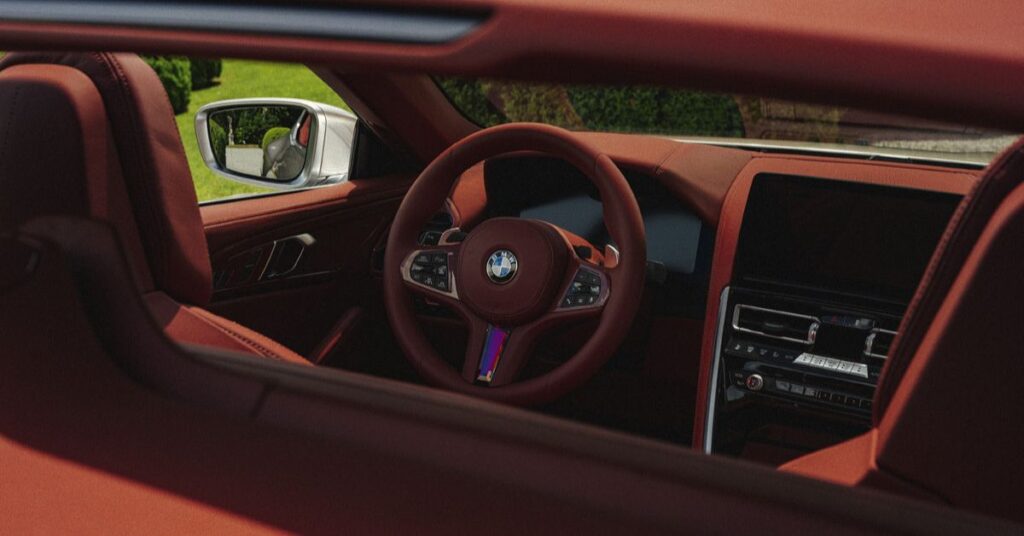
The Z4 also includes several useful driver assistance features. These can help with parking, lane awareness, and safer driving. A rearview camera improves visibility when reversing. Available parking sensors make tight spaces easier to manage.
Inside, the cabin feels sporty and well-equipped. The car offers comfortable seats and quality materials. Climate control helps keep the cabin pleasant in different weather. Optional features can add more comfort, better audio, and extra convenience for daily driving.
Fuel Economy
The BMW Z4 offers reasonable fuel economy for a sports roadster. Its smaller engine can use less fuel during normal driving. The six-cylinder versions use more fuel because they provide stronger performance. Actual mileage can also change with traffic, speed, and driving style.
On city roads, fuel use is usually higher. Frequent stops and starts can increase consumption. Highway driving can help the Z4 use fuel more efficiently. Gentle acceleration and steady speeds can also improve mileage.
The Z4 balances performance with everyday usability. Drivers who want better fuel economy should choose the smaller engine and drive smoothly. Regular maintenance can also help the engine run efficiently. Overall, the Z4 provides acceptable fuel economy while still delivering an enjoyable driving experience.
BMW Z8 Reliability and Common Problems
The BMW Z8 has a unique place in BMW history. It is generally well built, but its age can bring some problems. Electrical parts may develop faults over time. The soft-top system can also need attention. Regular servicing helps keep the car in good condition.
Some Z8 owners may face issues with the cooling system. Sensors, seals, and other rubber parts can also wear with age. The battery may drain if the car sits unused for long periods. Because the Z8 is now a collector car, finding certain parts can also be difficult and expensive.
A well-maintained Z8 can remain enjoyable for many years. Buyers should check the service history before purchasing one. They should also inspect the engine, suspension, brakes, and electrical systems. A professional inspection is a smart step because repairs on this rare roadster can be costly.
Price and Market Value
The BMW Z8 is now a valuable collector car. Its limited production helps keep demand strong. Classic.com currently lists a market benchmark of about $206,121 for the BMW Z8. Prices can vary widely based on mileage, condition, history, and originality.
Clean and well-maintained examples can sell for much more. Recent 2026 listings have ranged from around $155,000 to over $400,000. Very low-mileage cars can attract especially high prices. This shows how strongly condition affects the Z8 market.
The BMW Z8 also has strong collector appeal. Its classic design, V8 engine, manual transmission, and limited production make it special. Buyers should check the service history and originality before paying a premium. A well-kept example can hold its value better than many older sports cars.
Maintenance and Ownership Costs
The BMW Z8 can be expensive to maintain. It is a rare sports car with special parts and systems. Regular oil changes, brake checks, and tire replacements are important. Owners should also service the cooling and electrical systems regularly.
Parts can cost more than those for a normal BMW. Some Z8 components are difficult to find. Labor can also be expensive because the car needs skilled technicians. A good service history can help reduce unexpected repair costs.
Insurance can also add to the ownership cost. The Z8 is a rare and valuable collector car. Owners may need special classic-car insurance. Despite the higher costs, careful maintenance can protect the car’s condition and market value.
Conclusion
The BMW Z8 remains a special roadster with a strong place in BMW history. Its classic design, V8 engine, and limited production make it highly desirable. It offers an exciting driving experience and strong collector appeal. However, its age and rarity can make maintenance expensive.
Today, the Z8 is more than just a sports car. It is a valuable classic that can attract serious collectors. A well-maintained example can hold strong market value. For buyers, checking the car’s history and condition is very important.
FAQs
1. Is the BMW Z8 a reliable car?
The Z8 is well built, but its age can cause electrical, cooling, and rubber-part issues.
2. How much does a BMW Z8 cost today?
Prices vary by condition and mileage, but good examples can sell for hundreds of thousands of dollars.
3. What engine does the BMW Z8 use?
The Z8 uses a 4.9-liter naturally aspirated V8 engine with a six-speed manual transmission.
4. Why is the BMW Z8 so valuable?
Its limited production, classic design, V8 engine, and strong collector demand make it highly valuable.
5. Is the BMW Z8 expensive to maintain?
Yes. Its rare parts and specialist repairs can make ownership more expensive than a regular BMW.
Related Posts
BMW 5 Series: Performance and Luxury Guide -part 2
The BMW 5 Series is a luxury executive car known…
BMW 8 Series Generations: A Complete Model Guide
The BMW 8 Series is a luxury grand touring car…
BMW i8 Review: Style, Power, and Performance
The BMW i8 is a stylish plug-in hybrid sports car.…