
A BMW hypercar is a high-performance vehicle that focuses on speed, advanced engineering, and bold design. It represents the highest level of automotive technology. Hypercars often use powerful engines, lightweight materials, and advanced aerodynamics. BMW has a strong history of building performance cars, but it has not yet launched a regular production road car officially classified as a hypercar.
Imagine driving a car that combines incredible speed with precise handling and futuristic technology. That is what makes the idea of a BMW hypercar so exciting. BMW’s racing experience, especially in endurance racing, shows its ability to develop powerful and advanced machines. These achievements create interest in what a road-going BMW hypercar could offer.
In this article, we will explore BMW hypercar design, speed, and performance. We will look at its possible engine technology, aerodynamic features, interior design, and expected capabilities. We will also discuss hybrid powertrains and how BMW’s engineering experience could shape a future hypercar.
BMW Hypercar History
BMW has a long history of building powerful road cars and racing machines. However, the company has not launched a regular production road car officially classified as a hypercar. Its performance history includes the BMW M1, introduced in 1978. The M1 used a mid-mounted 3.5-liter six-cylinder engine and competed in motorsport. It became an important part of BMW’s high-performance heritage.
BMW continued to build its reputation through major racing projects. In 1999, the BMW V12 LMR won the 24 Hours of Le Mans. This victory showed BMW’s ability to develop a car for demanding endurance races. More recently, the BMW M Hybrid V8 brought the brand back to the top class at Le Mans in 2024. It combines a twin-turbocharged 4.0-liter V8 engine with a hybrid system. However, it is a purpose-built race car, not a road-going hypercar.
BMW Hypercar Design
BMW hypercar design combines racing technology with a bold appearance. These cars often feature low bodies, wide stances, and sharp lines. Their shapes help reduce air resistance at high speeds. BMW also uses sculpted body panels to guide airflow around the car. Every design detail serves a purpose, from the front air intakes to the rear diffuser.
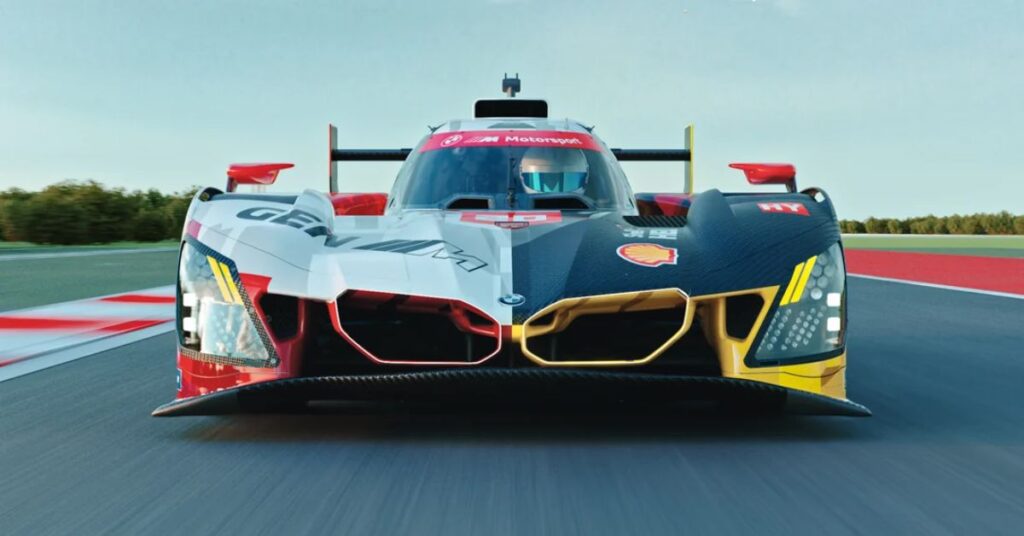
Lightweight materials play an important role in hypercar design. Carbon fiber can reduce weight while maintaining body strength. A lighter car can change direction faster and brake more effectively. Aerodynamic parts also help keep the car stable at high speeds. Large air vents can cool the engine, brakes, and other important components during demanding driving conditions.
BMW’s design approach also focuses on the driver. A cockpit can feature a low seating position, a digital display, and controls inspired by motorsport. The seats provide support during fast cornering. Designers also balance performance with comfort and modern styling. Although BMW has produced many high-performance M cars and concept vehicles, it has not launched a production road-going hypercar under its own BMW brand. Its design ideas continue to draw from racing experience and advanced engineering.
BMW Hypercar Engine
A BMW hypercar engine would focus on high power, quick response, and strong performance. BMW has a long history of building powerful engines for road cars and racing machines. Its turbocharged inline-six and V8 engines offer useful starting points for high-performance engineering. However, BMW has not released a production road-going hypercar under its own brand. Any engine specifications for a future BMW hypercar remain unconfirmed.
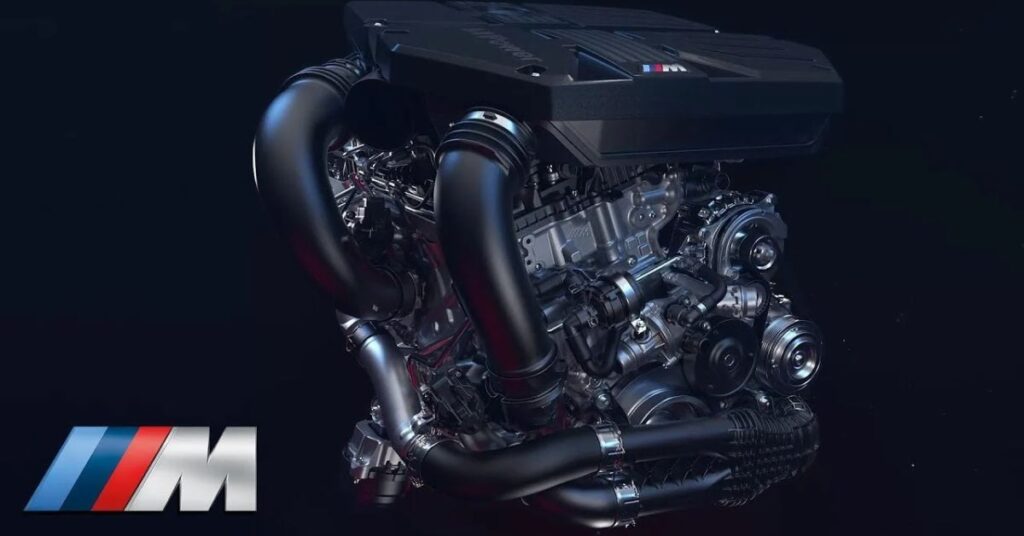
BMW’s racing experience provides valuable ideas for a potential hypercar powertrain. The BMW M Hybrid V8 race car uses a 4.0-liter twin-turbocharged V8 engine with a hybrid system. This setup combines combustion power with electric assistance. The race car competes in endurance events, where speed, efficiency, and durability matter. Its technology shows how BMW combines traditional engine performance with modern hybrid engineering.
A future BMW hypercar could use a hybrid powertrain to deliver fast acceleration and improved power delivery. An electric motor could provide instant torque, while a turbocharged engine could supply power at higher speeds. Engineers would also need to manage heat, battery weight, and fuel consumption. These features remain possibilities, not confirmed specifications, for a BMW road hypercar.
BMW Hypercar Speed
BMW hypercar speed is an interesting topic for performance car fans. However, BMW has not launched a production road-going hypercar under its own brand. This means there is no official top speed or acceleration time for a BMW-branded hypercar. BMW’s high-performance M cars and racing vehicles still show the brand’s ability to develop fast machines. Their engines, aerodynamics, and chassis designs provide useful examples of BMW’s performance engineering.
The BMW M Hybrid V8 is a strong example of this engineering. It uses a 4.0-liter twin-turbocharged V8 engine with a hybrid system. BMW developed this race car for endurance competitions. Its design focuses on high-speed stability, quick acceleration, and consistent performance over long races. Its actual speed depends on the circuit, setup, and racing conditions.
A future BMW hypercar could combine a powerful engine with electric assistance to improve acceleration. Lightweight materials could also help the car reach high speeds more efficiently. Advanced aerodynamics would help maintain stability during fast driving. However, BMW has not confirmed the top speed, horsepower, or acceleration figures for a road-going hypercar. Any specific performance numbers would be speculation until the company announces an official model.
BMW Hypercar Hybrid Technology
BMW pairs petrol power with electric assistance in its hybrid technology. However, BMW has not launched a production road-going hypercar under its own brand.
However, its racing programs show how the company develops hybrid performance systems. The BMW M Hybrid V8 race car uses a 4.0-liter twin-turbocharged V8 engine and an electric motor. This setup combines combustion power with electric assistance for demanding endurance races.
A hybrid system can improve acceleration and power delivery. The electric motor provides quick torque, while the petrol engine delivers strong power at higher speeds. Engineers must also manage battery temperature, weight, and energy use. These factors matter during long races and high-speed driving. BMW uses its motorsport experience to explore ways to balance performance and efficiency.
A future BMW road hypercar could use similar hybrid technology. It might combine a powerful petrol engine with electric motors to improve response and traction. Regenerative braking could also recover some energy during deceleration. However, BMW has not confirmed a hybrid powertrain for a production road-going hypercar. Any future system would depend on the company’s engineering goals and development plans.
Lightweight Chassis Design
A lightweight chassis is important for a high-performance car. It helps reduce the vehicle’s total weight. A lighter car can accelerate faster and change direction more easily. BMW uses advanced materials and engineering methods in its performance vehicles. Carbon fiber, aluminum, and high-strength steel can help reduce weight while maintaining strength. Each material serves a different purpose in the car’s structure.
BMW’s motorsport experience shows the value of a strong and lightweight chassis. The BMW M Hybrid V8 race car uses a purpose-built racing chassis designed for endurance competition. Its structure supports high-speed driving and demanding cornering forces. Engineers must balance low weight with stiffness and safety. A well-designed chassis also helps the suspension keep the tires in contact with the road or track.
A future BMW road hypercar could use more carbon fiber and lightweight aluminum components. These materials could improve handling and reduce the load on the brakes. Lower weight may also help a hybrid powertrain use energy more efficiently. However, BMW has not confirmed a production road-going hypercar or its chassis specifications. Any details about its materials and construction remain unconfirmed until BMW announces an official model.
BMW Hypercar Interior
A BMW hypercar interior would likely combine racing features with modern luxury. BMW has not released a production road-going hypercar under its own brand. However, BMW’s M performance cars and racing vehicles demonstrate its design approach.
A low driving position, supportive seats, and a driver-focused dashboard would suit a high-performance car. Designers must keep every control within easy reach during fast driving.
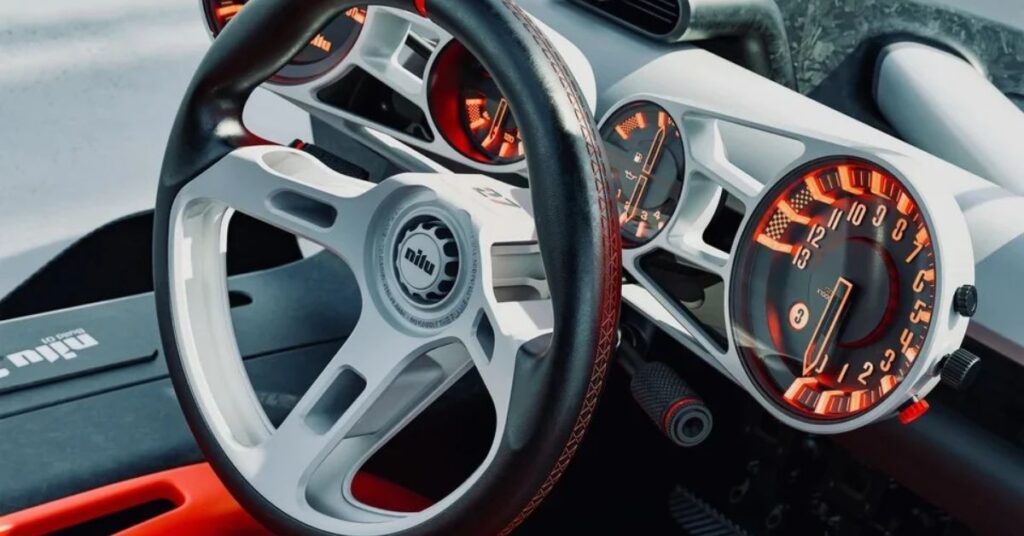
Lightweight materials could play an important role inside a future BMW hypercar. Carbon fiber panels could reduce weight and create a sporty look. Alcantara upholstery and leather could add comfort and grip. A digital instrument display could show speed, engine data, and powertrain information. Simple controls would help drivers focus on the road. These features would balance everyday usability with motorsport-inspired design.
A BMW hypercar interior must also provide comfort and safety.
Well-shaped seats could support the driver during sharp turns. A clear display could provide important driving information without causing distractions. BMW might also include adjustable driving settings and advanced connectivity features. However, these details remain possibilities rather than confirmed specifications. The final interior design would depend on BMW’s plans for any future road-going hypercar.
BMW Hypercar vs. Competitors
BMW has not launched a production road-going hypercar under its own brand. However, its racing technology and high-performance M models show its ability to compete in the performance car market. Brands such as Ferrari, McLaren, and Mercedes-AMG offer cars that deliver extreme speed, advanced aerodynamics, and powerful hybrid systems. The Ferrari F80, McLaren W1, and Mercedes-AMG ONE are examples of modern hypercars that combine advanced engineering with track-focused performance.
BMW’s experience with the M Hybrid V8 race car could provide useful knowledge for a future road-going hypercar. Its hybrid powertrain combines a twin-turbocharged V8 engine with electric assistance for endurance racing. Ferrari, McLaren, and Mercedes-AMG have already developed road-going hypercars with their own approaches to hybrid performance. BMW would need to balance power, weight, handling, and everyday usability to compete with these established models. Any comparison with a future BMW hypercar remains hypothetical until BMW confirms a production model.
BMW Hypercar vs. Competitors: Comparison Table
| Feature | BMW (Potential Hypercar) | Ferrari F80 | McLaren W1 | Mercedes-AMG ONE |
| Production status | No confirmed road hypercar | Production model announced | Production model announced | Production model |
| Powertrain | Unconfirmed | Twin-turbo V6 hybrid | Twin-turbo V8 hybrid | Turbocharged V6 hybrid |
| Engine layout | Unconfirmed | 3.0L V6 | 4.0L V8 | 1.6L V6 |
| Electric assistance | Possible | Yes | Yes | Yes |
| Main focus | Unconfirmed; BMW Motorsport experience may help | Extreme performance and aerodynamics | Lightweight construction and power | Formula 1-inspired technology |
| Chassis materials | Unconfirmed | Carbon fiber structure | Carbon fiber structure | Carbon fiber structure |
| Aerodynamics | Unconfirmed | Active aerodynamic systems | Advanced active aerodynamics | Track-focused aerodynamic design |
| Driving character | Unknown | High-performance hybrid | Track-focused road hypercar | Racing-inspired road car |
| Top speed | Not announced | Over 350 km/h claimed | 350 km/h claimed | 352 km/h claimed |
| Acceleration | Not announced | Official performance figures vary by metric | 0–100 km/h in under 2.7 seconds claimed | 0–100 km/h in 2.9 seconds claimed |
| Price | Not announced | Approximately €3.6 million before taxes, depending on market | Approximately £2 million before taxes, depending on market | Original price varied by market and allocation |
| Availability | No production model confirmed | Limited production | Limited production | Limited production; production run completed |
Advanced Driving Technology
Advanced driving technology plays an important role in modern high-performance cars. A future BMW hypercar could use electronic systems to improve speed, handling, and driver control. BMW already uses advanced technology in its M models and racing vehicles. Features such as adjustable driving modes and electronic stability control help drivers manage different road conditions. These systems can also support better control during fast cornering.
Hybrid power management could be another important feature in a future BMW hypercar. Sensors and electronic controls could help balance power from the petrol engine and electric motors. Advanced braking systems could improve control during sudden stops. Aerodynamic controls might also adjust airflow according to speed and driving conditions. Motorsport experience provides useful knowledge for developing these technologies. However, the exact systems for a BMW road-going hypercar remain unconfirmed.
Driver assistance and digital displays could make a future BMW hypercar easier to use. A digital dashboard could show speed, power output, battery status, and vehicle temperature. Cameras and parking sensors could help drivers maneuver in tight spaces. Engineers would also need to keep these features simple and avoid unnecessary distractions. BMW has not confirmed a production road-going hypercar or its technology package. Any specific features would depend on the design of a future model.
BMW Racing Technology
BMW racing technology comes from decades of motorsport experience. The company competes in touring car, endurance, and other racing events. These competitions help BMW test engines, aerodynamics, brakes, and suspension systems under demanding conditions. The BMW M Hybrid V8 is a clear example of this work. It uses a 4.0-liter twin-turbocharged V8 engine with a hybrid system. BMW developed the car for top-level endurance racing, including events such as the 24 Hours of Le Mans.
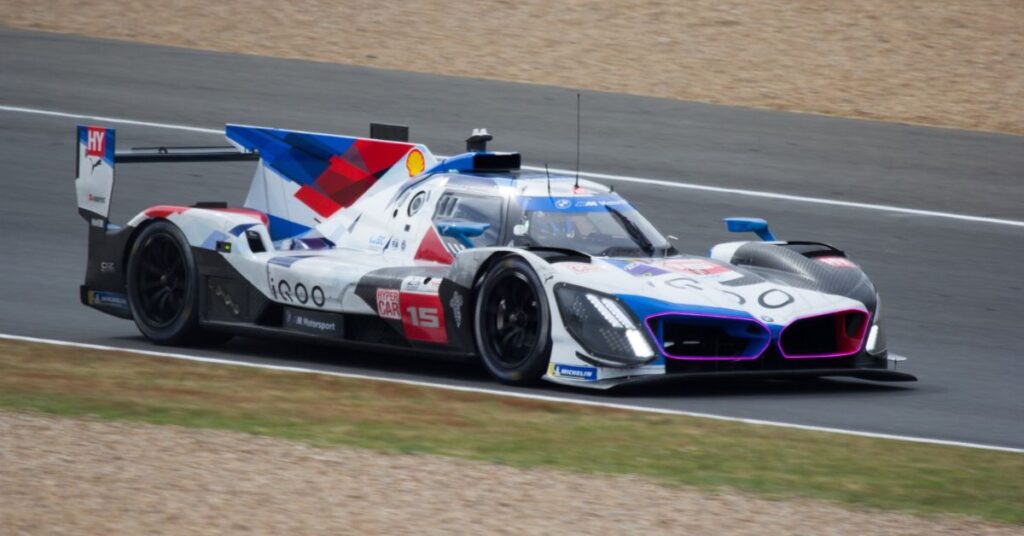
Aerodynamics play a major role in BMW racing technology. The M Hybrid V8 uses a sculpted body to manage airflow and create downforce. This helps the car remain stable through fast corners. Its lightweight racing structure also supports responsive handling. Engineers carefully balance cooling, drag, and aerodynamic grip. These details matter during long races, where a car must maintain performance for hours.
BMW can also use lessons from racing to improve its high-performance road cars. Motorsport development helps engineers study power delivery, braking performance, and vehicle balance. Hybrid racing systems also provide experience in managing electric assistance and energy use. These skills could support the development of a future BMW hypercar. However, BMW has not confirmed a production road-going hypercar under its own brand. Racing technology offers a foundation, but a road car would need to meet different safety, comfort, and road-use requirements.
BMW Hypercar Price
The price of a BMW hypercar is currently unknown because BMW has not announced a production road-going hypercar under its own brand. The company has built high-performance M cars and advanced racing vehicles. However, these models do not establish the price of a future hypercar. If BMW develops one, its final cost would depend on the engine, hybrid system, materials, and production numbers.
A future BMW hypercar could command a high price if it uses advanced racing technology and lightweight materials. Carbon fiber construction, a powerful hybrid powertrain, and active aerodynamics can increase development and production costs. Limited production could also make the car more exclusive. Models such as the Ferrari F80 and McLaren W1 show how expensive modern hypercars can be. However, their prices should not be treated as an estimate of an unannounced BMW model.
Buyers should wait for official details before making price comparisons. BMW has not confirmed a release date, production numbers, or starting price for a road-going hypercar. Import duties and taxes could also affect its final cost in markets such as Pakistan. Until BMW announces a model, any estimated price would be speculation rather than verified information.
BMW Hypercar Release Date
BMW has not announced an official release date for a production road-going hypercar under its own brand. The company continues to develop high-performance cars and advanced racing technology. Its M division focuses on powerful engines, precise handling, and motorsport-inspired engineering. However, BMW has not confirmed plans to launch a dedicated road-going hypercar. Therefore, no verified launch year or production schedule is available.
BMW’s motorsport projects may provide useful technology for future performance cars. The BMW M Hybrid V8 combines a twin-turbocharged V8 engine with a hybrid system. It competes in endurance racing and helps BMW develop its racing expertise. However, this race car is not a road-going hypercar. Its technology does not confirm that BMW will launch one in the coming years.
Car enthusiasts should follow official BMW announcements for reliable release information. A future hypercar would likely require extensive development and testing. Engineers would need to refine its powertrain, aerodynamics, safety systems, and handling. BMW has not confirmed its name, price, specifications, or launch date. Any claims about a specific release year remain speculation until the company shares official details.
BMW Hypercar Performance Limits
BMW hypercar performance limits remain unknown because BMW has not launched a production road-going hypercar under its own brand. However, its racing cars show how the company handles extreme performance. The BMW M Hybrid V8 uses a 4.0-liter twin-turbocharged V8 engine with a hybrid system. Its performance depends on factors such as track conditions, tire grip, cooling, and racing regulations. These limits help engineers balance speed with reliability.
A future BMW hypercar would face several engineering challenges. High engine power creates extra heat, especially during long periods of hard driving. Greater speed also increases the demands on the brakes, tires, and suspension. Aerodynamics must provide enough downforce without creating too much drag. A hybrid system adds another challenge because engineers must manage battery temperature and electric power. Careful design would help balance these factors.
Safety and durability would also set limits on a future BMW hypercar. Engineers would need to protect the driver while keeping the car lightweight. The chassis must handle strong forces during acceleration, braking, and cornering. Electronic systems could help control power delivery and maintain stability. However, BMW has not confirmed the specifications of a road-going hypercar. Its top speed, power output, and performance limits remain unknown.
Conclusion
BMW has a strong history of building powerful cars and developing racing technology. Its M models and M Hybrid V8 race car show the company’s focus on speed, handling, and advanced engineering. These achievements provide a useful foundation for understanding what a future BMW hypercar could offer. However, BMW has not confirmed a production road-going hypercar, its specifications, or its release date.
A future BMW hypercar could combine hybrid power, lightweight materials, and advanced aerodynamics. It could also bring racing technology to the road. For now, its price, top speed, and design remain uncertain. Car enthusiasts should follow official BMW announcements for accurate information. BMW’s motorsport experience makes the idea exciting, but only an official launch can confirm what the company plans to deliver.
FAQs
1. Does BMW make a hypercar?
No, BMW has not launched a production road-going hypercar under its own brand. However, it builds high-performance M cars and racing vehicles.
2. What engine could a BMW hypercar use?
A future BMW hypercar could use a turbocharged petrol engine with electric assistance, but BMW has not confirmed its powertrain.
3. What would a BMW hypercar cost?
Its price is unknown because BMW has not announced a production model or official pricing.
4. How fast could a BMW hypercar go?
Its top speed is unconfirmed. Performance would depend on the engine, aerodynamics, tires, and vehicle weight.
5. When will the BMW hypercar be released?
BMW has not announced an official release date for a production road-going hypercar.
Related Posts
BMW 2 Series Variants: Complete Model Guide
The BMW 2 Series is a range of compact luxury…
BMW Z8 Review: Design, Performance, and Features
The BMW Z8 is a luxury two-seat roadster produced by…
BMW Digital Key Setup Guide for Modern BMW Owners
BMW Digital Key is a smart feature that allows you…