
The BMW 2 Series is a range of compact luxury cars from BMW. It includes different body styles, engines, and performance levels. Buyers can choose models designed for daily driving, comfort, or sporty performance.
Choosing the right variant can feel confusing. Each model offers something different. Some focus on efficiency and comfort, while others deliver stronger performance and sharper handling.
This guide explores the main BMW 2 Series variants in detail. It covers their engines, features, performance, body styles, and pricing. It also explains the key differences to help you decide which variant best suits your needs.
BMW 2 Series Petrol Variants
The BMW 2 Series offers several petrol-powered variants. These models balance everyday comfort with sporty driving. Depending on the market, buyers can find different engines and power levels. Smaller petrol engines focus on efficiency and smooth performance.
Higher variants provide stronger acceleration and more engaging handling. Models such as the 230i use a turbocharged four-cylinder engine. The M240i sits higher in the range and uses a powerful six-cylinder engine. It also offers xDrive all-wheel drive in many markets.
Petrol variants suit drivers who want responsive performance and a refined drive. They provide quick throttle response and smooth power delivery. Features and engine choices can vary by country and model year. Buyers should check local specifications before choosing a specific variant.
BMW 216i
The BMW 216i is an entry-level petrol variant in the 2 Series family. It is designed for drivers who want BMW comfort in a compact package. The model focuses on smooth everyday driving and practical performance. Its smaller engine also helps keep running costs more manageable.
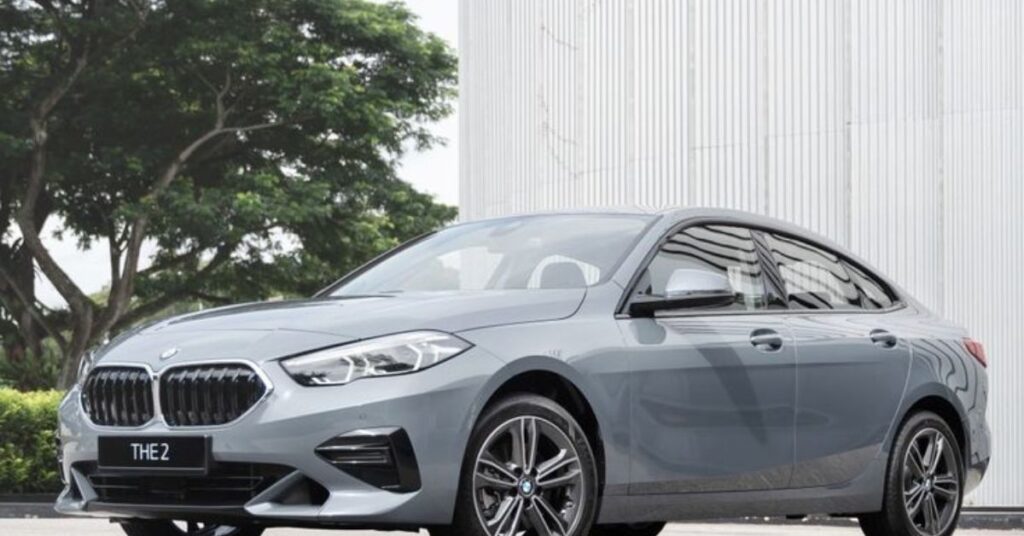
The 216i uses a turbocharged petrol engine that delivers power in a controlled way. It is well suited to city driving and regular commuting. The compact size makes the car easy to handle in busy streets. Its cabin also provides the modern design and technology expected from a BMW.
The exact engine output and equipment can vary by market and model year. Some versions may also receive different transmission or feature packages. For this reason, buyers should check the local specification before purchasing. The 216i is a good choice for drivers who value efficiency, comfort, and premium styling.
BMW 218i
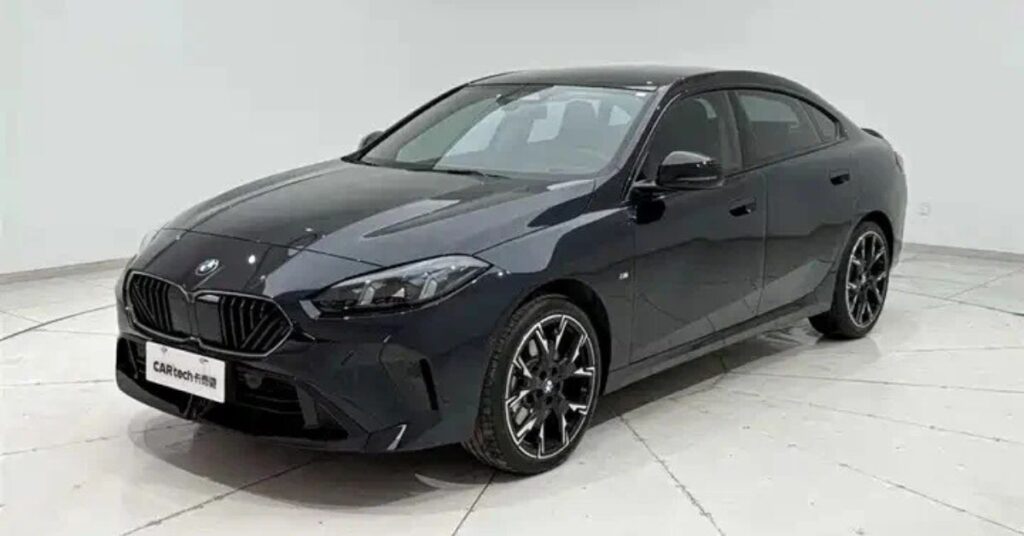
The BMW 218i is a petrol-powered variant offered in the 2 Series range. Its specifications depend on the body style and model year. In the current 2 Series Gran Coupé, the 218i uses a 1.5-liter three-cylinder turbocharged petrol engine in markets where this version is sold. This engine is paired with a 7-speed Steptronic dual-clutch transmission.
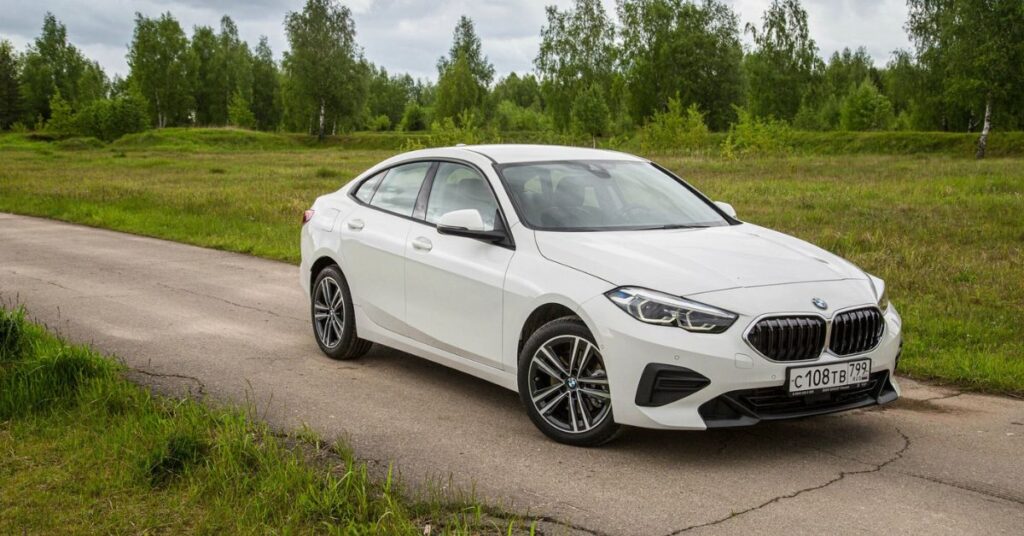
The 218i focuses on balanced everyday performance rather than outright power. The turbocharged engine delivers its torque at low engine speeds, which helps during city driving and overtaking. BMW has also used front-wheel drive in 218i Gran Coupé applications. This layout gives the compact model a different character from rear-wheel-drive 2 Series Coupé models.
Equipment can vary significantly between markets. Some versions include BMW’s curved display, digital instrument cluster, navigation, and driver-assistance systems. The 218i is therefore best viewed as an entry point into the 2 Series range, combining a small turbocharged engine with BMW’s compact luxury-car platform.
BMW 220i
The BMW 220i is a petrol-powered 2 Series variant positioned above the entry-level versions in several markets. In the 2 Series Coupé, it uses a 2.0-liter four-cylinder turbocharged petrol engine. The engine produces around 184 hp and 300 Nm of torque, depending on the market and model year. BMW pairs it with an 8-speed Steptronic automatic transmission.
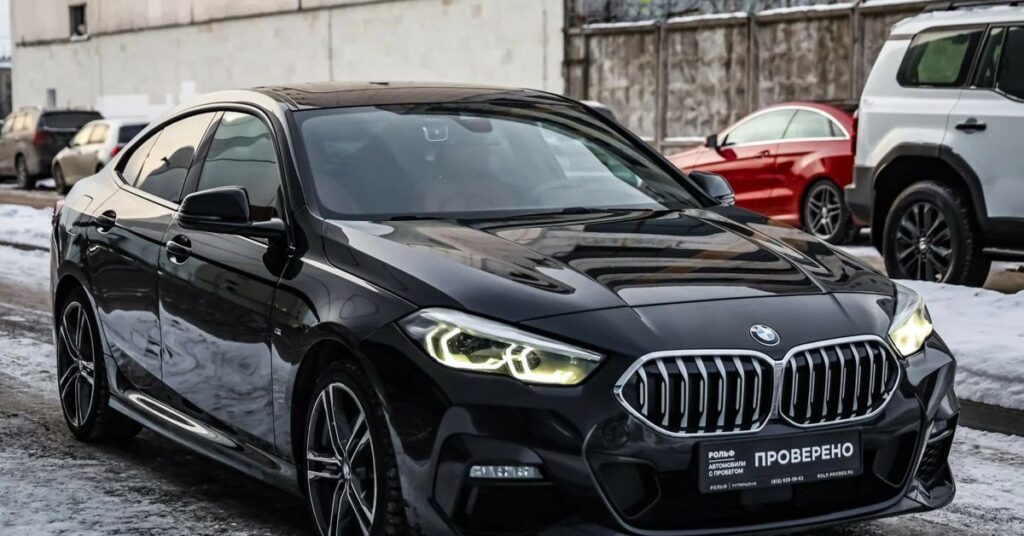
The 220i offers a useful balance between performance and daily usability. Its rear-wheel-drive layout gives the Coupé a more traditional BMW driving character. The engine provides strong mid-range response without reaching the performance level of the M240i. This makes the 220i suitable for drivers who want a sporty compact coupé for regular use.
The 220i is also available in other 2 Series body styles in some markets, where its specifications can differ. Equipment may include BMW’s curved display, digital instruments, parking assistance, and connected services. Because BMW changes specifications between countries and model years, the exact power, equipment, and drivetrain should be checked for the specific 220i being considered.
BMW 223i
The BMW 223i is a petrol variant associated mainly with the 2 Series Active Tourer. It uses a 2.0-liter four-cylinder turbocharged petrol engine. In the 223i Active Tourer, BMW rates the engine at about 204 hp and 320 Nm of torque. The model also uses a 7-speed Steptronic dual-clutch transmission.
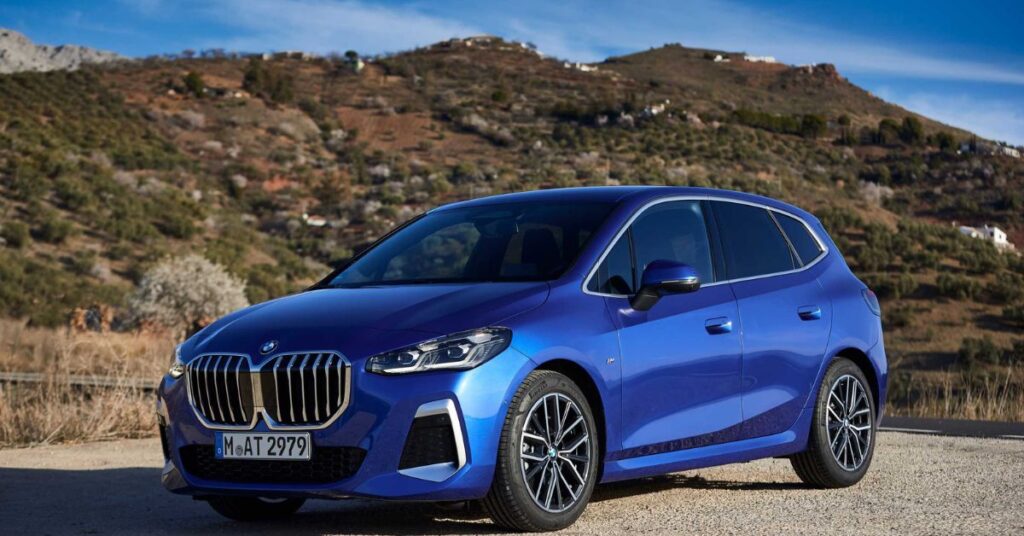
The 223i has a more performance-focused setup than the smaller 2 Series petrol variants. Its four-cylinder engine provides stronger acceleration and better high-speed flexibility. BMW also combines it with 48-volt mild-hybrid technology in the current Active Tourer application. The electric motor can provide additional assistance during acceleration and help improve efficiency.
The 223i Active Tourer uses front-wheel drive, which suits its practical five-door layout. It offers more cabin space and easier everyday usability than the 2 Series Coupé. Standard and optional equipment varies by market, so features can differ between countries. For an accurate comparison, buyers should check the exact model year and local BMW specification.
BMW 225i
The BMW 225i name has been used for different 2 Series applications, so its specifications depend on the generation and body style. In the 2 Series Active Tourer, the 225i is a plug-in hybrid variant rather than a simple petrol model. It combines a turbocharged petrol engine with an electric motor. This setup gives the car stronger combined performance while keeping electric driving available for shorter trips.
The 225e xDrive Active Tourer is a related plug-in hybrid with all-wheel drive. BMW positions these electrified versions above the regular petrol models in the range. The electric motor adds instant torque during acceleration. The battery can also allow everyday journeys to be completed partly or fully on electric power, depending on driving conditions and charge level.
Exact output, battery capacity, and electric range vary by model year and market. The 225i name has also been used differently across BMW markets, so it should not be treated as one fixed specification. Checking the production year and body style is important when comparing a 225i with other BMW 2 Series variants.
BMW 228i
The BMW 228i is a four-cylinder petrol variant that has appeared in the 2 Series range, particularly in the North American market. Earlier 228i models used BMW’s 2.0-liter turbocharged four-cylinder engine. In the F22 228i Coupé, this engine produced 240 hp and 255 lb-ft of torque. BMW offered the model with an automatic transmission and, in some years, a manual gearbox.
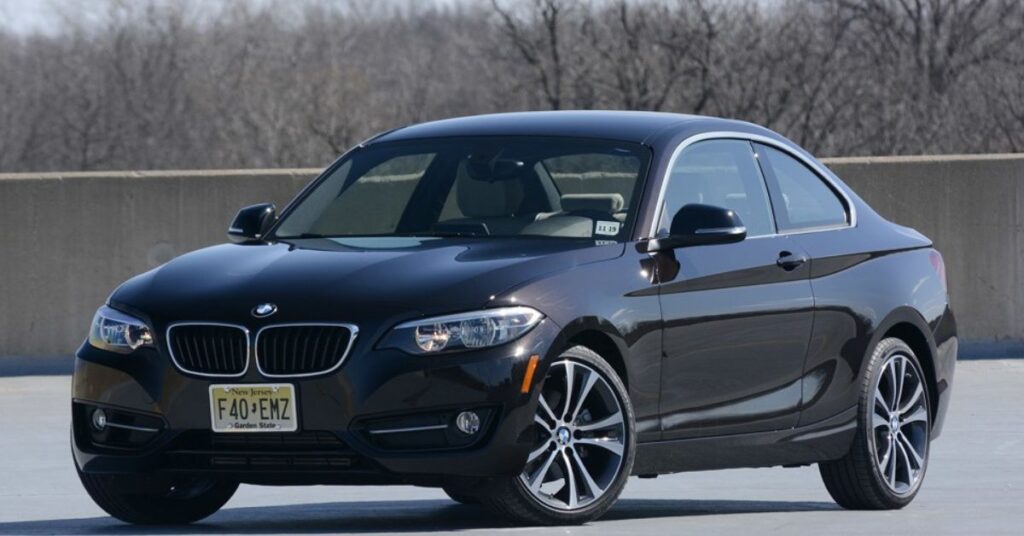
The 228i was positioned as a stronger alternative to lower-output 2 Series models. Its turbocharged engine delivered useful torque from low engine speeds. The Coupé’s compact dimensions also helped give it a more agile feel. Buyers could choose between rear-wheel drive and xDrive all-wheel drive, depending on the model year and market.
BMW later replaced the 228i name with the 230i in the U.S. 2 Series Coupé lineup. This means the 228i is mainly relevant when discussing earlier 2 Series generations. Specifications changed over its production period, so engine output and available equipment should always be matched to the exact model year.
BMW 230i
The BMW 230i is a performance-focused petrol variant of the 2 Series Coupé. The current model uses a 2.0-liter four-cylinder BMW TwinPower Turbo engine. It produces 255 hp and 295 lb-ft (400 Nm) of torque. BMW pairs it with an 8-speed Steptronic Sport automatic transmission.
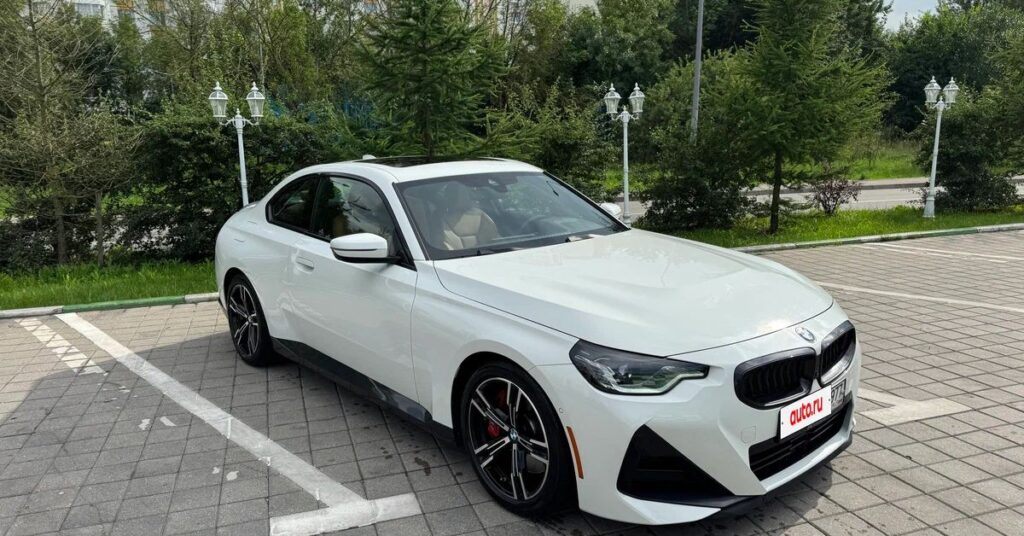
The 230i uses rear-wheel drive as standard, while xDrive all-wheel drive is available in some markets. BMW quotes a 0–60 mph time of 5.5 seconds for the rear-wheel-drive model. The engine delivers its peak torque from about 1,550 to 4,400 rpm. This gives the car strong response during everyday driving and acceleration.
The 230i sits below the six-cylinder M240i in the current 2 Series Coupé lineup. It offers a different balance from the M240i, with a lighter four-cylinder engine and lower power output. Equipment varies by market and model year. Buyers should therefore check the local specification before comparing prices or features.
BMW 2 Series Diesel Variants
BMW has offered diesel engines in several generations and body styles of the 2 Series. Common variants have included the 218d, 220d, and 225d, especially in European markets. These models used BMW’s four-cylinder diesel engines and focused on strong low-speed torque. The diesel range was particularly suited to drivers covering long distances.
The 218d was one of the more common diesel choices. Depending on generation, it used a 2.0-liter four-cylinder turbo-diesel engine. The 220d offered higher power and torque, while the 225d used a more powerful version of BMW’s four-cylinder diesel technology. Exact outputs changed between generations, so the model year matters when comparing them.
Diesel 2 Series models were available with different drivetrains and transmissions depending on the body style and market. Some versions used rear-wheel drive, while others used BMW’s xDrive all-wheel-drive system. Their strong torque made them useful for highway driving and frequent long trips. Today, these diesel variants are mainly found as used cars because newer 2 Series models have shifted toward petrol and electrified powertrains.
BMW 214d
The BMW 214d was an entry-level diesel variant of the 2 Series Active Tourer. It was offered mainly in European markets during the first-generation model’s production period. The 214d used BMW’s 1.5-liter three-cylinder turbocharged diesel engine. This engine came from BMW’s B37 diesel family and focused on fuel economy rather than high performance.
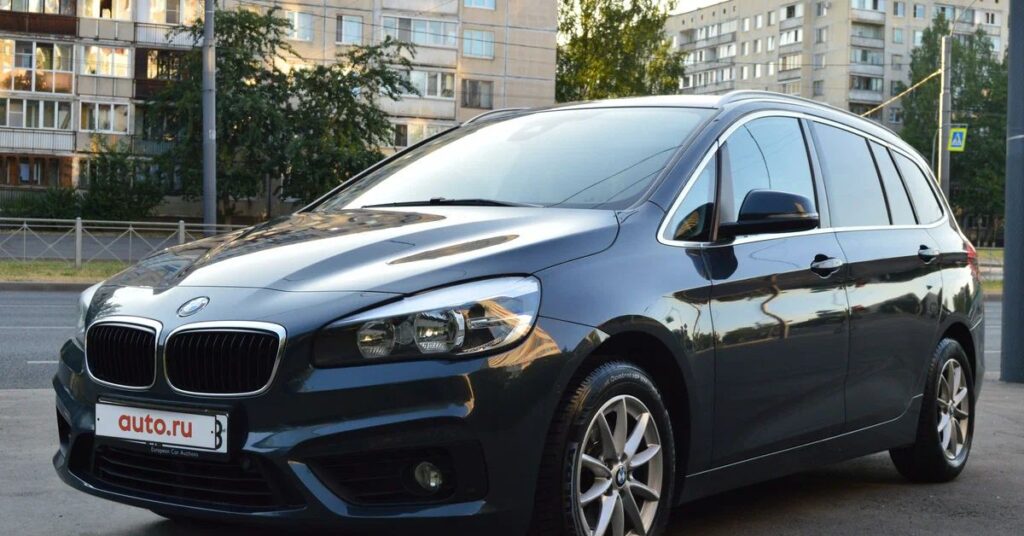
The engine produced around 95 hp and 220 Nm of torque, depending on the market specification. BMW paired it with a 6-speed manual transmission in the original 214d Active Tourer. The front-wheel-drive layout suited its compact MPV design. Its strong low-speed torque also helped the car feel responsive during normal city driving.
The 214d was aimed at buyers who wanted a practical BMW with low fuel consumption. Its three-cylinder diesel engine was smaller than the four-cylinder units used in stronger 2 Series diesel variants. The model was later discontinued as BMW moved toward newer engines and electrified powertrains. Because specifications can differ by production year and market, the exact version should be checked before comparing used 214d models.
BMW 216d
The BMW 216d was an entry-level diesel variant of the 2 Series Active Tourer. It was mainly sold in European markets. Early versions used BMW’s 1.5-liter three-cylinder turbocharged diesel engine from the B37 family. The engine was designed to deliver low fuel consumption while keeping useful torque for daily driving.
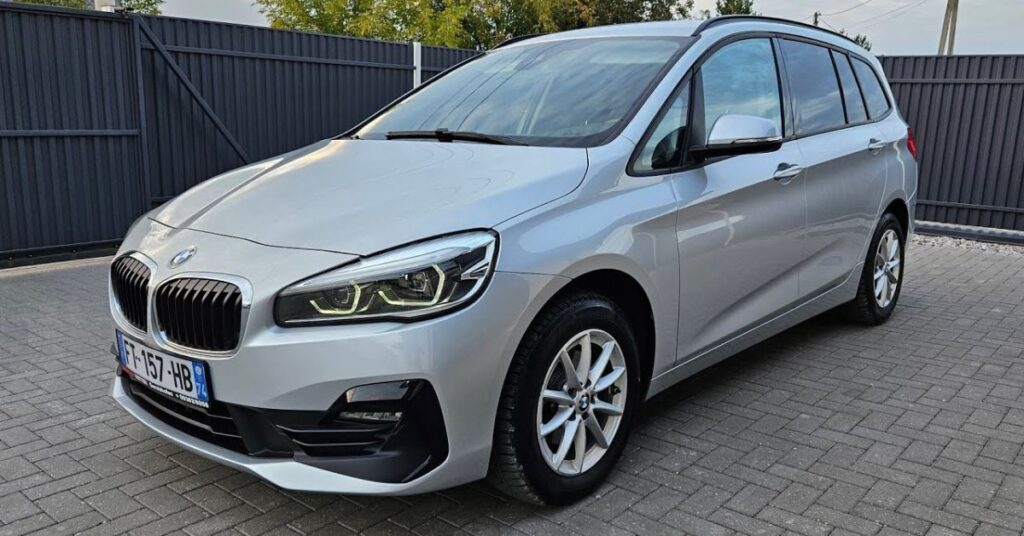
The first-generation 216d produced around 116 hp and 270 Nm of torque. BMW offered it with a 6-speed manual transmission, while an automatic transmission was also available on some versions and model years. The car used front-wheel drive. Its compact diesel engine suited urban driving, commuting, and longer highway journeys.
The 216d offered more power than the 214d while keeping the same basic 1.5-liter diesel format in early versions. Later model years and body styles received different engine and transmission combinations. This makes the production year important when comparing 216d specifications. The model is now mainly relevant to buyers looking at used 2 Series Active Tourers.
BMW 218d
The BMW 218d is a diesel-powered variant of the 2 Series. BMW has used the 218d badge on different 2 Series body styles and generations. In the first-generation 2 Series Active Tourer, the 218d used a 2.0-liter four-cylinder turbocharged diesel engine. It produced around 150 hp and 330 Nm of torque.
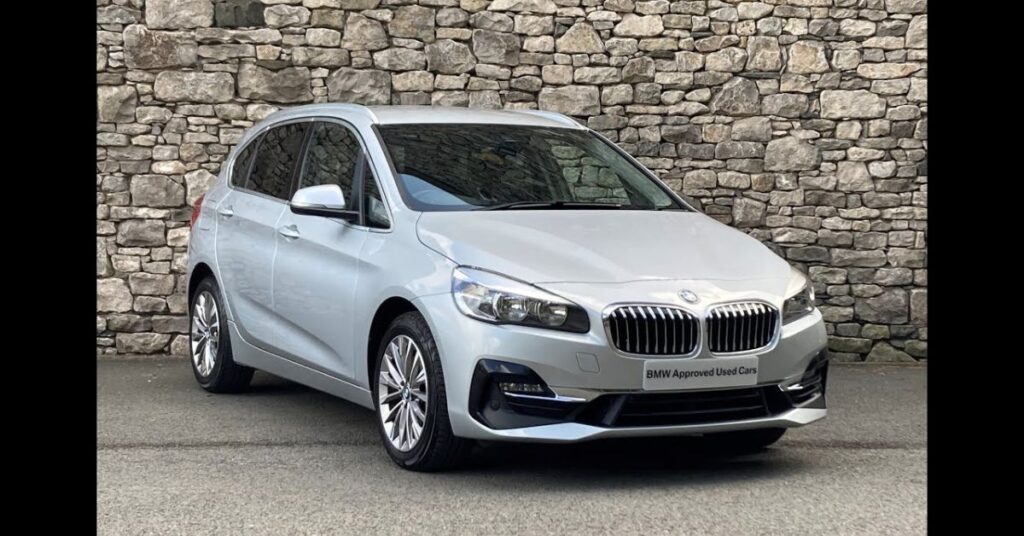
The 218d offered noticeably stronger performance than the smaller three-cylinder 216d. Its higher torque suited highway driving and regular long-distance use. Early Active Tourer versions used front-wheel drive, with BMW also offering an 8-speed Steptronic automatic transmission on relevant specifications. The engine delivered its torque at relatively low engine speeds, making acceleration feel smooth.
The 218d was also available in other 2 Series applications, including the Gran Tourer and later Gran Coupé in selected markets. Power, drivetrain, and transmission details changed between generations. For this reason, the exact production year is important when comparing 218d models. It remains a notable diesel choice for buyers looking for strong torque without moving to the higher-output diesel variants.
BMW 220d
The BMW 220d is a diesel-powered variant of the 2 Series range. BMW has used this badge across different generations and body styles. Many versions use a 2.0-liter four-cylinder turbo-diesel engine. The 220d sits above the 218d and provides stronger performance with higher torque.
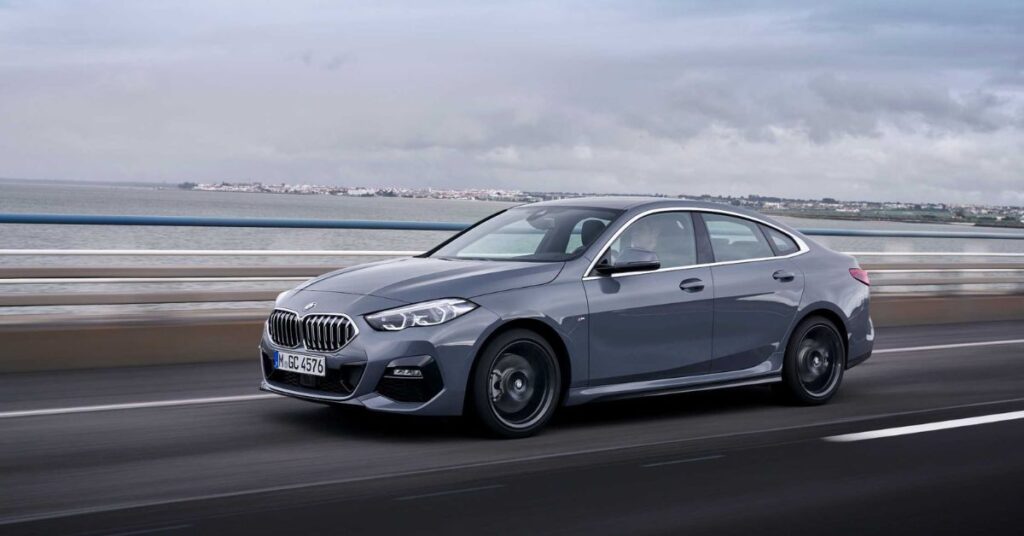
In the F22 2 Series Coupé, the 220d produced about 190 hp and 400 Nm of torque. It used BMW’s rear-wheel-drive layout and was available with an 8-speed Steptronic automatic transmission. The strong torque gives the engine good response during overtaking. It also makes the car well suited to long-distance driving.
The 220d has also appeared in the 2 Series Active Tourer and other body styles. Its drivetrain and output can change between generations. Some newer applications use mild-hybrid technology to improve efficiency. Buyers should therefore check the exact model year and body style before comparing 220d specifications.
BMW 225d
The BMW 225d was a high-output diesel variant in the 2 Series range. It was offered in models such as the 2 Series Active Tourer and Gran Tourer. The first-generation 225d used a 2.0-liter four-cylinder twin-turbo diesel engine. It produced around 224 hp and 450 Nm of torque.
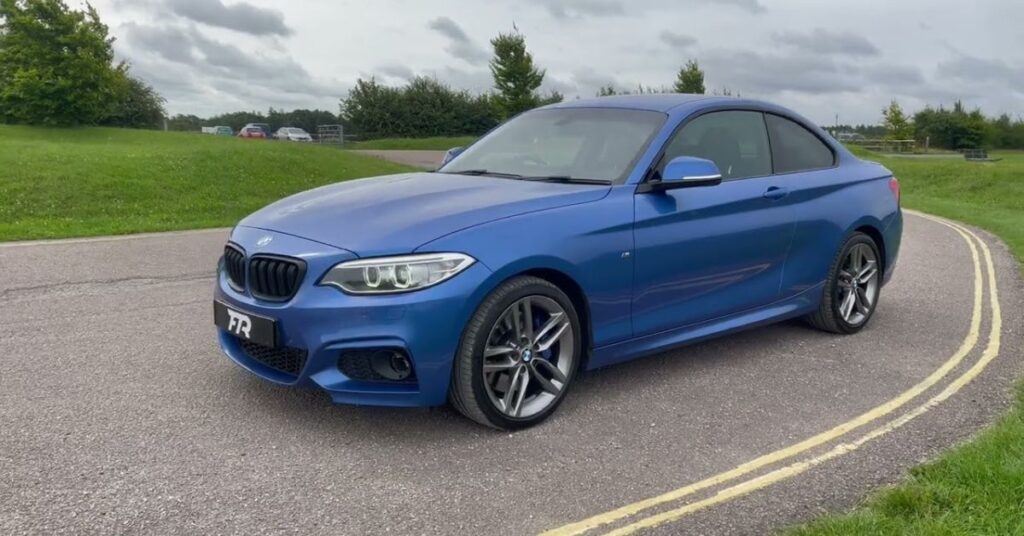
The 225d delivered much stronger performance than the 218d and 220d. Its high torque gave it strong acceleration and effortless highway performance. BMW paired the engine with an 8-speed Steptronic automatic transmission in the Active Tourer. The front-wheel-drive layout also suited the model’s practical body design.
The 225d combined diesel efficiency with performance that was unusual for a compact family car. Its twin-turbo setup helped the engine deliver power across a broad rev range. BMW later moved away from this high-output diesel configuration as the 2 Series range evolved. Exact specifications can vary by model year and market.
BMW 2 Series Plug-In Hybrid Variants
The BMW 2 Series plug-in hybrid range is mainly represented by the 225e xDrive Active Tourer and 230e xDrive Active Tourer. Both use a petrol engine with an electric motor and a rechargeable high-voltage battery. The 225e combines a 1.5-liter three-cylinder petrol engine with electric drive, while the 230e uses a 2.0-liter four-cylinder petrol engine.
The 225e xDrive produces up to 245 hp, while the 230e xDrive produces up to 326 hp in their respective current-generation specifications. Both use BMW’s xDrive all-wheel-drive system. Their electric motors provide immediate torque, which helps during initial acceleration. They can also drive on electric power for shorter journeys when the battery has enough charge.
These plug-in hybrids are designed to combine electric commuting with petrol-powered long-distance driving. The battery can be charged from an external power source, allowing drivers to use electric power more often. BMW has also updated the hybrid system and battery technology during the Active Tourer’s production. Exact electric range, charging times, and equipment depend on the model year and market.
BMW 225xe
The BMW 225xe is a plug-in hybrid version of the 2 Series Active Tourer. The name was first used for the previous-generation Active Tourer. That model combined a 1.5-liter three-cylinder petrol engine with an electric motor. The system produced 224 hp and 385 Nm of combined torque.
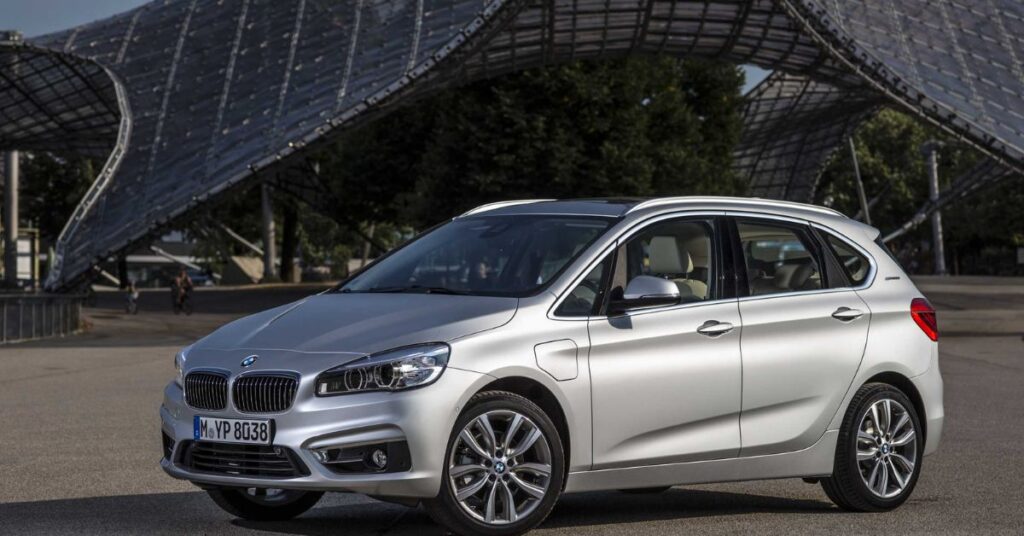
The 225xe used xDrive all-wheel drive, but its system worked differently from a conventional mechanical AWD setup. The petrol engine powered the front wheels, while the electric motor drove the rear wheels. This layout gave the compact MPV extra traction without a traditional mechanical connection between the axles.
The 225xe could also travel on electric power for shorter daily journeys. Its rechargeable battery made it possible to use less petrol when regularly charged. BMW later replaced the 225xe name with the 225e xDrive Active Tourer in its newer-generation lineup. Specifications and electric range vary by model year, so the generation should be checked when comparing 225xe models.
BMW 225e xDrive
The BMW 225e xDrive is a plug-in hybrid version of the 2 Series Active Tourer. It uses a 1.5-liter three-cylinder petrol engine with an electric motor. The combined system produces up to 245 hp and 477 Nm of torque. BMW pairs the system with a 7-speed Steptronic transmission.
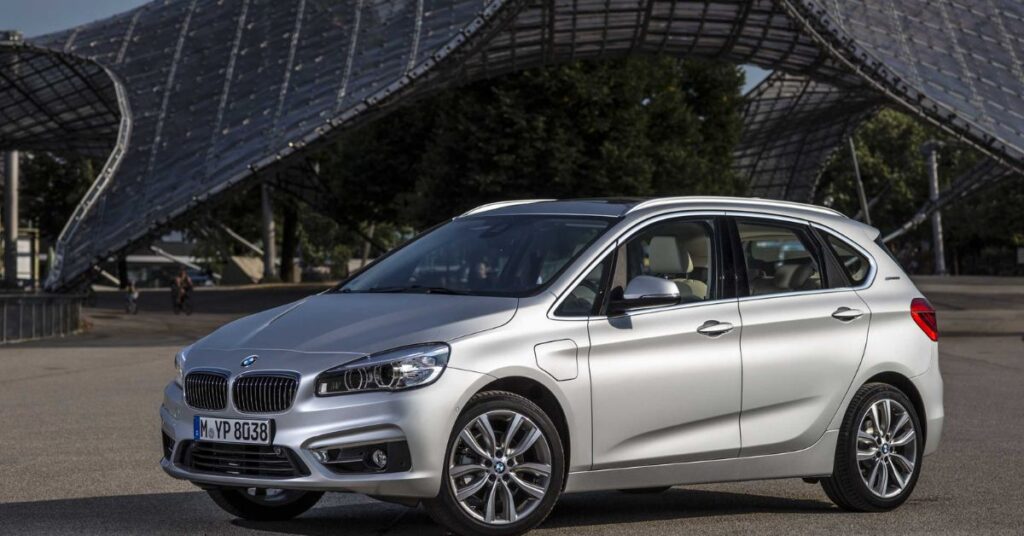
The electric motor drives the rear wheels, while the petrol engine drives the front wheels. This setup gives the 225e xDrive all-wheel-drive capability without a conventional mechanical connection between both axles. The electric motor also provides quick torque when the car moves away from a stop. This makes the power delivery smooth in city traffic.
The 225e xDrive can cover shorter journeys using electric power when the battery has sufficient charge. It can also switch to hybrid operation when longer driving requires the petrol engine. BMW introduced this newer system with the second-generation Active Tourer. Electric range, charging performance, and equipment can vary by model year and market.
BMW 230e xDrive
The BMW 230e xDrive is a plug-in hybrid version of the 2 Series Active Tourer. It combines a 2.0-liter four-cylinder petrol engine with an electric motor. The system produces up to 326 hp and 477 Nm of combined torque. BMW pairs it with a 7-speed Steptronic dual-clutch transmission.
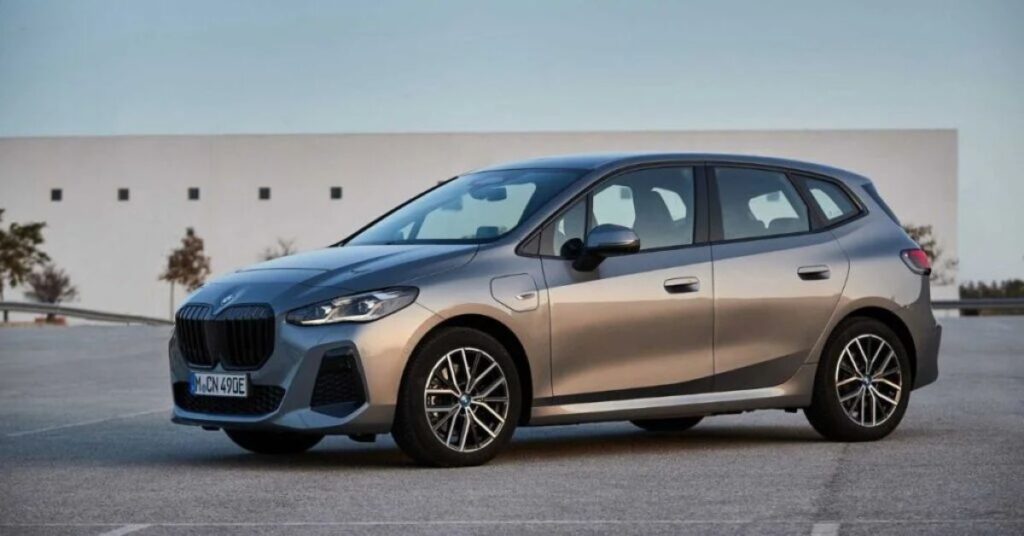
The 230e xDrive uses BMW’s electric all-wheel-drive system. The petrol engine drives the front wheels, while the electric motor powers the rear wheels. This arrangement provides extra traction and quick electric torque. BMW quotes a 0–100 km/h time of around 5.5 seconds for the current-generation model.
The battery allows the 230e xDrive to handle shorter trips using electric power. It can then use the petrol engine for longer journeys. This makes the model different from conventional petrol versions of the 2 Series Active Tourer. Electric range and charging specifications can vary by model year and market, so the exact local specification should be checked.
BMW 2 Series M Performance Variants
BMW’s M Performance versions sit between the regular 2 Series models and full M cars. The main example is the M240i xDrive Coupé. It uses a 3.0-liter turbocharged inline-six engine. The current model produces 386 hp and 500 Nm of torque in many markets. BMW pairs it with an 8-speed Steptronic Sport automatic transmission.
The M240i xDrive sends power to all four wheels through BMW’s xDrive system. BMW quotes a 0–60 mph time of about 4.1 seconds for the current model. It also receives M-specific suspension tuning, stronger brakes, and an electronically controlled M Sport differential. These changes give it sharper handling than regular 2 Series variants.
The M240i xDrive offers strong performance without the more extreme setup of a full M car. It also keeps the compact size and everyday usability of the 2 Series Coupé. Equipment can include adaptive M suspension and performance-focused exterior details, depending on the market. Exact specifications can change by model year and region.
BMW M235i
The BMW M235i is an M Performance variant of the 2 Series Gran Coupé. The current model uses a 2.0-liter four-cylinder turbocharged petrol engine. It produces 300 hp and 400 Nm of torque. BMW pairs it with a 7-speed Steptronic Sport transmission and xDrive all-wheel drive.
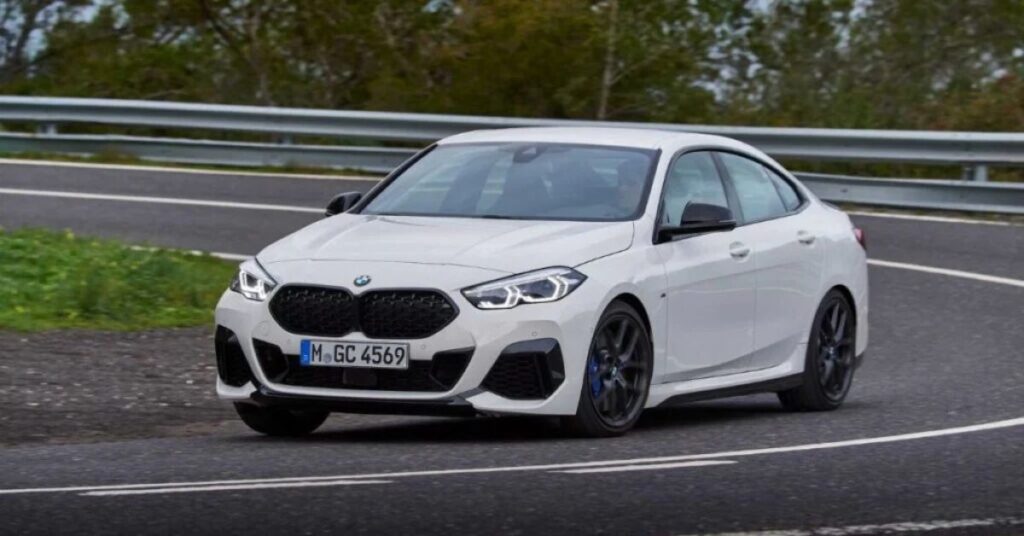
The M235i can accelerate from 0 to 100 km/h in about 4.9 seconds. BMW also gives it an M Sport suspension, stronger brakes, and performance-focused steering calibration. The xDrive system helps put the engine’s torque onto the road. These upgrades give the M235i a sharper character than regular Gran Coupé variants.
The M235i is designed for drivers who want strong performance without moving to a full M model. It also keeps the practical four-door layout of the 2 Series Gran Coupé. Features and equipment can vary between markets and model years. The exact local specification should therefore be checked before comparing the M235i with other variants.
BMW M235i xDrive
The BMW M235i xDrive is the performance version of the 2 Series Gran Coupé. The current model uses a 2.0-liter four-cylinder turbocharged petrol engine. It produces 300 hp and 400 Nm of torque. BMW sends the power through a 7-speed Steptronic Sport transmission and xDrive all-wheel drive.
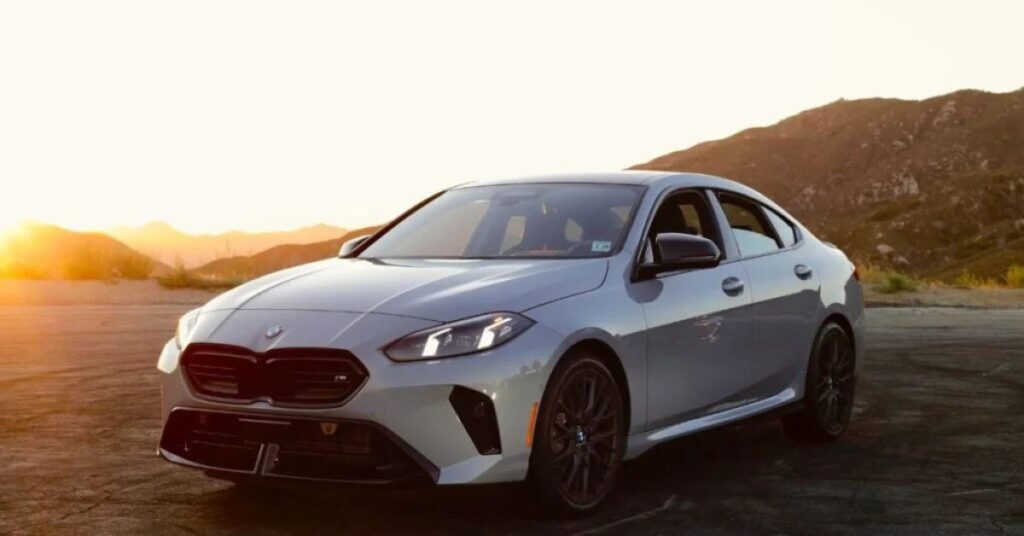
The xDrive system helps the M235i put its power down on different road surfaces. BMW quotes a 0–100 km/h time of around 4.9 seconds for the current model. It also gets M Sport suspension, stronger brakes, and performance-focused chassis tuning. These changes give it quicker responses than standard 2 Series Gran Coupé models.
The M235i xDrive combines performance with the practicality of a four-door body. It has four seats and a useful rear luggage area. The cabin also receives sport-focused details and modern BMW technology. Equipment and performance figures can vary by market and model year, so the local specification should be checked for an exact comparison.
BMW M240i
The BMW M240i is the top M Performance model in the current 2 Series Coupé range. It uses a 3.0-liter turbocharged inline-six petrol engine. The engine produces 386 hp and 500 Nm of torque in the U.S. specification. BMW pairs it with an 8-speed Steptronic Sport automatic transmission.
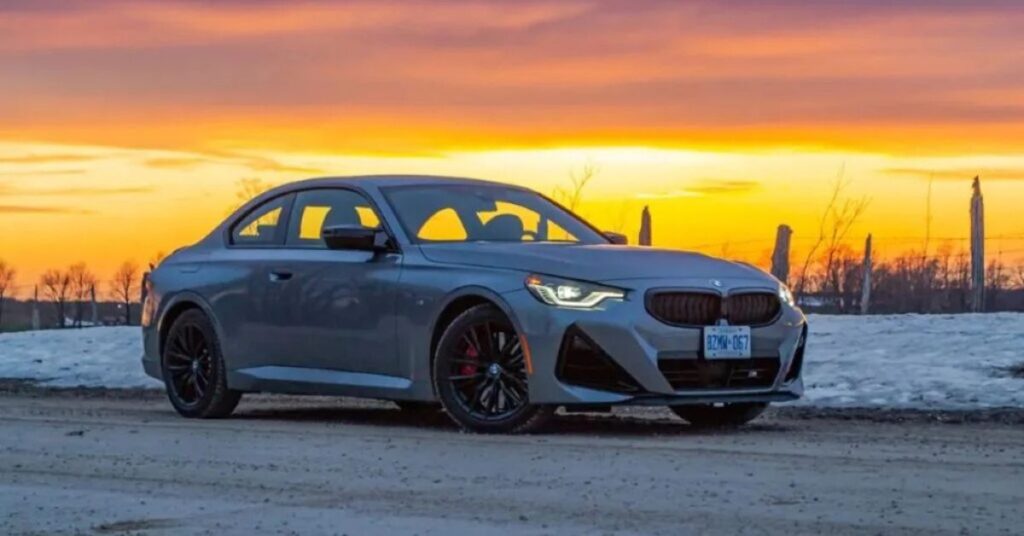
The M240i xDrive can accelerate from 0 to 60 mph in about 4.1 seconds. Its xDrive all-wheel-drive system helps manage the engine’s strong torque. The car also features M Sport brakes, adaptive M suspension, and an electronically controlled M Sport differential. These components give it sharper handling than the regular 2 Series Coupé models.
The M240i offers high performance while keeping the compact size of the 2 Series Coupé. Its inline-six engine gives it a different character from four-cylinder M Performance models. BMW also provides sport-focused interior and exterior details. Equipment and specifications can vary by market and model year.
BMW 2 Series M Variants
The BMW 2 Series M range includes both M Performance and full M models. The M Performance side includes the M235i xDrive Gran Coupé and M240i xDrive Coupé. These models use turbocharged engines and receive M-specific chassis and styling upgrades. They offer more performance than the regular 2 Series variants.
The M240i xDrive uses a 3.0-liter inline-six engine with 386 hp and 500 Nm of torque in the U.S. specification. The M235i xDrive uses a 2.0-liter four-cylinder engine with 300 hp and 400 Nm. Both use automatic transmissions and all-wheel drive. Their performance figures differ because of their engine size and drivetrain setup.
The full M model is the BMW M2 Coupé. It uses a 3.0-liter twin-turbo inline-six engine and produces 473 hp and 550 Nm in the current U.S. specification. The M2 also offers rear-wheel drive and a choice of manual or automatic transmission. This makes it substantially more focused on driving performance than the M Performance variants.
BMW M2
The BMW M2 is the full M Performance model in the 2 Series family. The current M2 uses a 3.0-liter twin-turbocharged inline-six petrol engine. It produces 473 hp and 550 Nm of torque in the U.S. specification. BMW offers the car with either a 6-speed manual or an 8-speed automatic transmission.
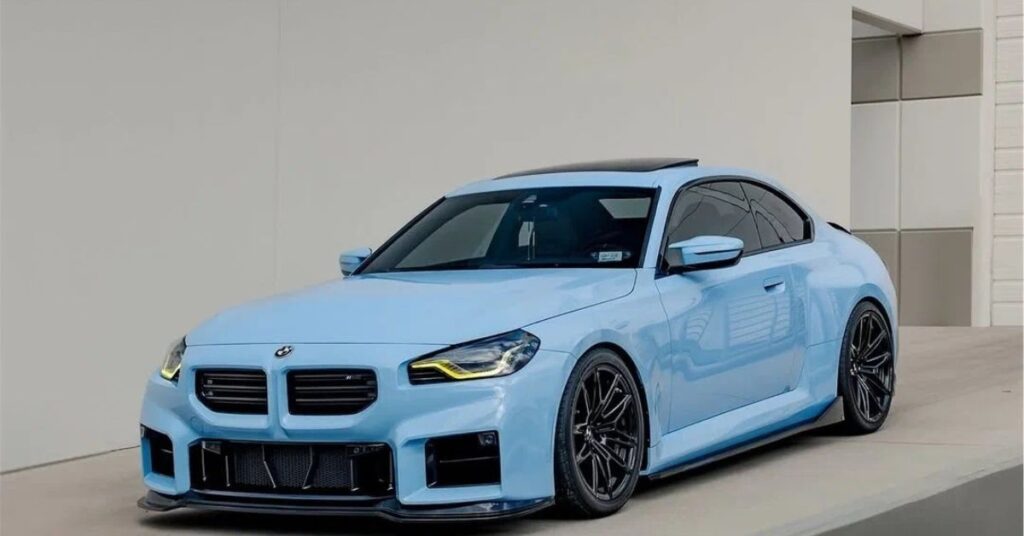
The M2 uses rear-wheel drive, unlike the M240i xDrive. BMW gives it a wider body, M-specific suspension, powerful brakes, and an active M differential. The automatic version can accelerate from 0 to 60 mph in about 4.0 seconds. These changes make the M2 much more focused on handling and driver involvement.
The M2 also keeps the compact dimensions that make the 2 Series Coupé easy to place on the road. Its cabin includes sports seats and M-specific controls. The car is practical enough for regular driving but remains built around performance. Exact power, equipment, and performance figures can vary by model year and market.
BMW M2 Competition
The BMW M2 Competition was a higher-performance version of the first-generation M2. BMW introduced it for the 2019 model year. It replaced the original M2’s N55 engine with the S55 3.0-liter twin-turbocharged inline-six from the M3 and M4. The engine produced 405 hp and 550 Nm of torque.
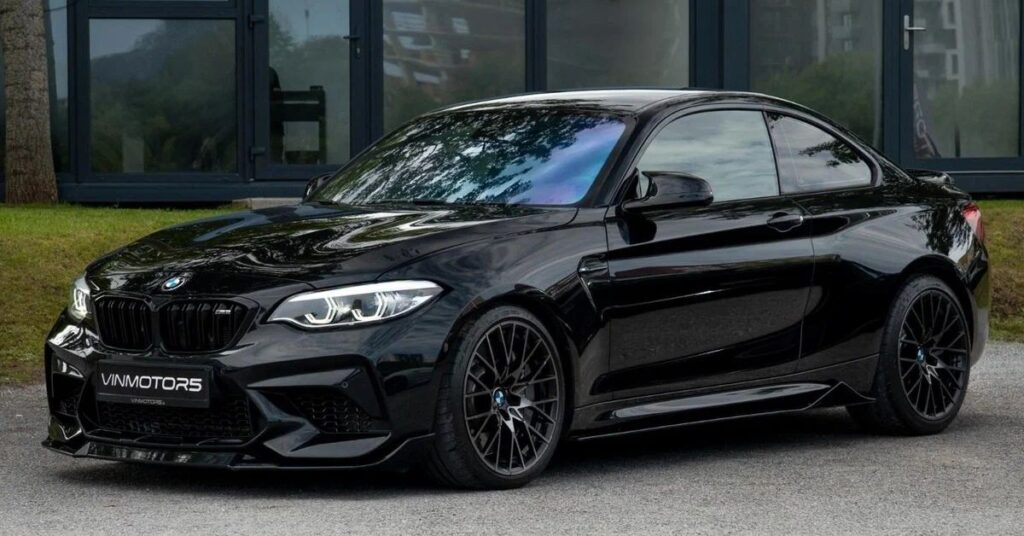
The M2 Competition could accelerate from 0–60 mph in about 4.0 seconds with the 7-speed dual-clutch transmission. BMW also offered a 6-speed manual transmission. The car used rear-wheel drive and featured an active M differential. Larger brakes and revised cooling systems helped the car handle its higher output.
The Competition also received specific exterior details and a more focused chassis setup. Its wider rear stance and M-specific parts gave it a stronger road presence. BMW produced the M2 Competition until the first-generation M2 ended production. It remains an important model because it brought M3/M4 engine technology into the smaller M2 platform.
BMW M2 CS
The BMW M2 CS is a limited-production, track-focused version of the second-generation M2. BMW introduced the latest CS for 2025, with production beginning in August 2025. It uses a 3.0-liter twin-turbocharged inline-six engine that produces 523 hp and 479 lb-ft (650 Nm) of torque. Power goes to the rear wheels through an 8-speed automatic transmission.
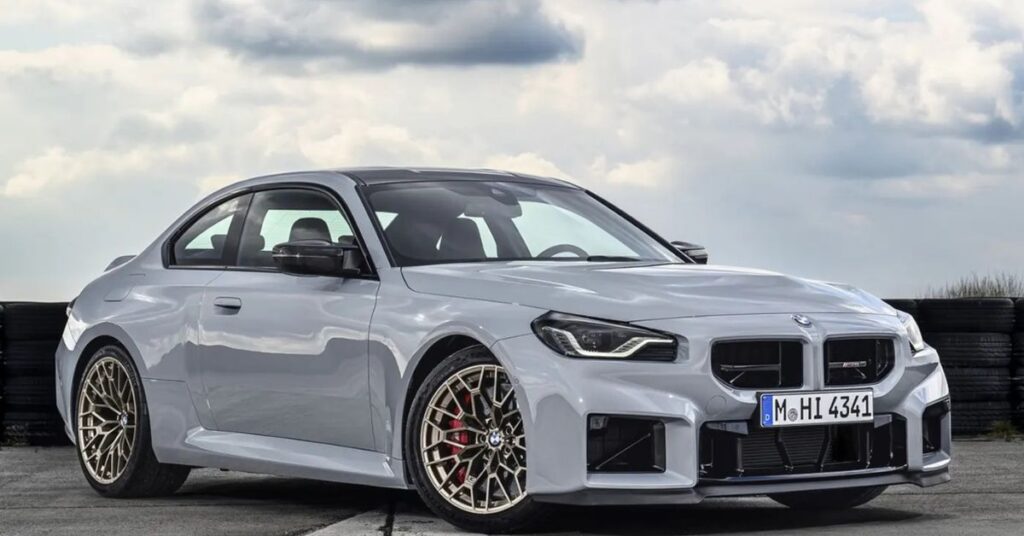
The M2 CS can accelerate from 0 to 60 mph in about 3.7 seconds. BMW reduced its weight by using carbon-fiber components, including the roof, hood, and aerodynamic parts. It also receives adaptive M suspension, larger brakes, and model-specific chassis tuning. These changes make the CS more focused than the standard M2.
BMW produced the M2 CS in limited numbers, which adds to its appeal among enthusiasts and collectors. The car also features lightweight M Carbon bucket seats and distinctive CS details inside and outside. Its combination of extra power and lower weight gives it a clear performance advantage over the regular M2. Availability and specifications can vary by market.
Conclusion
The BMW 2 Series offers a wide range of choices for different drivers. Petrol, diesel, plug-in hybrid, and M variants each have a different purpose. Models such as the 218i and 220i suit everyday driving, while the M240i and M2 focus more on performance.
Choosing the right variant depends on your driving needs and budget. Diesel models can suit long-distance drivers, while plug-in hybrids offer electric driving for shorter trips. M models are better for drivers who want stronger performance and sharper handling. Checking the exact model year and local specification is important because BMW changes equipment and powertrains between markets.
FAQs
1. What are the main BMW 2 Series variants?
The range includes petrol, diesel, plug-in hybrid, M Performance, and full M models.
2. Which BMW 2 Series variant is best for performance?
The BMW M2 is the most performance-focused model, while the M240i xDrive offers strong performance with more everyday usability.
3. Is the BMW 2 Series available with a diesel engine?
Yes. BMW has offered variants such as the 216d, 218d, 220d, and 225d in selected markets and generations.
4. Which BMW 2 Series models are plug-in hybrids?
The 225xe was an earlier plug-in hybrid, while newer models include the 225e xDrive and 230e xDrive Active Tourer.
5. What should I check before buying a BMW 2 Series?
Check the exact model year, engine, drivetrain, equipment, and local specifications because these can vary between markets.
Related Posts
BMW Alpina D3 Explained: Power, Luxury, and Performance
vBMW Alpina D3 Explained: Power, Luxury, and Performance The BMW…
BMW X7 Buying Guide: Price, Trim Levels, and Expert Tips
The BMW X7 is a full-size luxury SUV that offers…
BMW i5 Range Compared Across Different Models
The BMW i5 range refers to the distance the electric…