
The BMW 6 Series is a luxury car line known for its stylish design, strong performance, and comfortable interior. BMW has produced the 6 Series across different generations since 1976. Each generation brought new engines, technology, and design changes.
The 6 Series has changed a lot over the years. Early models focused on classic styling and smooth performance. Newer models added advanced technology, powerful engines, and more comfort. This evolution makes the 6 Series interesting for both enthusiasts and luxury car buyers.
This guide covers the main BMW 6 Series generations from the first E24 to the latest G32 models. It looks at their engines, body styles, key features, and performance. It also explains how each generation changed the 6 Series over time.
BMW 6 Series E24 (Coupe)
The BMW 6 Series E24 was the first generation of the 6 Series. BMW produced it from 1976 to 1989. It replaced the BMW E9 coupe. The E24 featured a long hood, low roof, and classic two-door design.
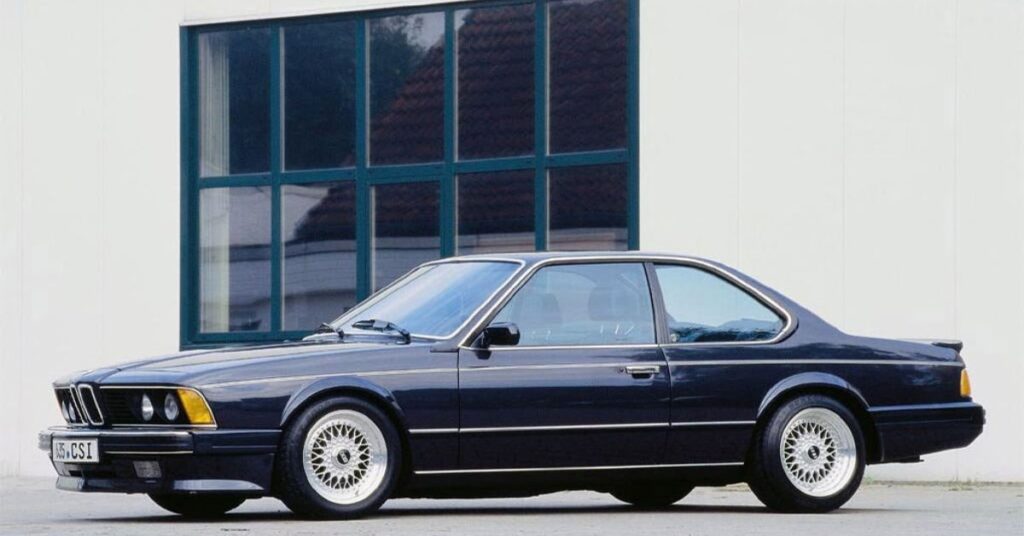
BMW offered the E24 with several inline-six engines. Models included the 628CSi, 630CSi, 633CSi, and 635CSi. The high-performance M635CSi used a powerful 3.5-liter inline-six engine. It delivered strong performance and sharp handling for its time.
The E24 also introduced a more driver-focused luxury coupe. Its interior offered a comfortable cabin with a simple dashboard layout. BMW updated the design and technology during its production years. Today, well-maintained E24 models remain popular with classic BMW enthusiasts.
BMW 6 Series E63/E64 (Coupe, Convertible)
The BMW 6 Series E63/E64 marked the return of the 6 Series in 2003. The E63 was the coupe version, while the E64 was the convertible. BMW gave both models a modern design, a long hood, and a low body. The cars also offered a comfortable cabin with premium materials.
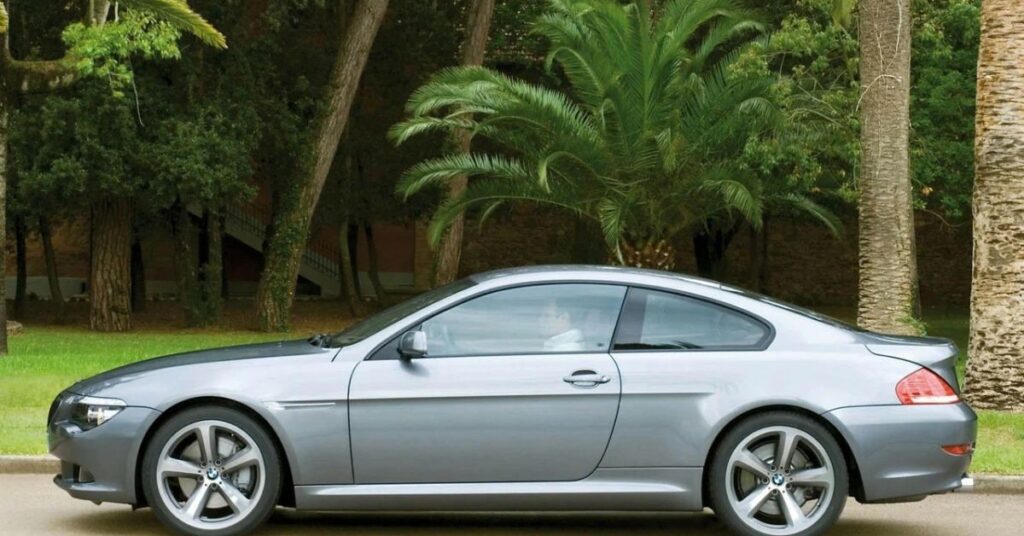
BMW offered several engines during the production period. These included inline-six and V8 petrol engines. The 645Ci and 650i provided strong performance with V8 power. BMW also introduced the high-performance M6, which used a 5.0-liter V10 engine and delivered much higher performance.
The E63/E64 combined luxury with sporty driving. The convertible added an open-air driving experience with a powered roof. BMW also equipped these models with features such as iDrive, navigation, and advanced safety systems. The generation remained in production until 2010 and became an important part of the 6 Series history.
BMW 6 Series F06/F12/F13 (Gran Coupe, Convertible, Coupe)
The BMW 6 Series F06/F12/F13 arrived in 2011. The F06 was the four-door Gran Coupe. The F12 was the convertible. The F13 was the coupe. BMW gave all three models a modern design, a premium cabin, and strong road performance.
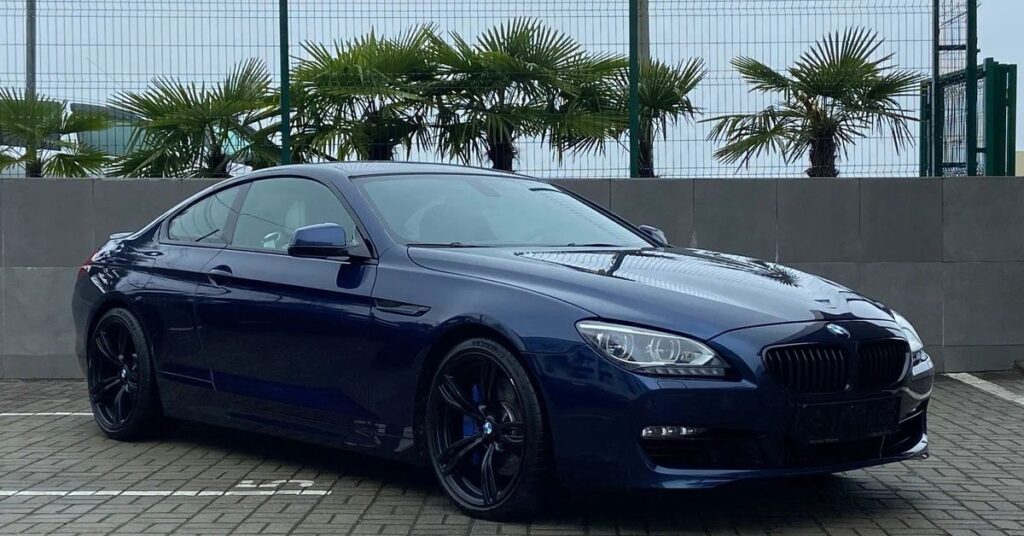
BMW offered several engine options in this generation. These included turbocharged six-cylinder and V8 petrol engines. The 640i used a 3.0-liter turbocharged inline-six. The 650i used a 4.4-liter twin-turbo V8. BMW also produced the high-performance M6 with a 4.4-liter twin-turbo V8.
The F06, F12, and F13 combined luxury with sporty handling. The Gran Coupe added extra rear-seat space and four-door practicality. The convertible offered open-top driving, while the coupe focused on a traditional two-door design. BMW also added modern technology, premium materials, and advanced driver-assistance features.
BMW 6 Series G32 (Gran Turismo)
The BMW 6 Series G32 is a luxury Gran Turismo. BMW introduced it in 2017. It replaced the 5 Series GT and joined the 6 Series family. The G32 has a long body, a large cabin, and a sporty fastback design.
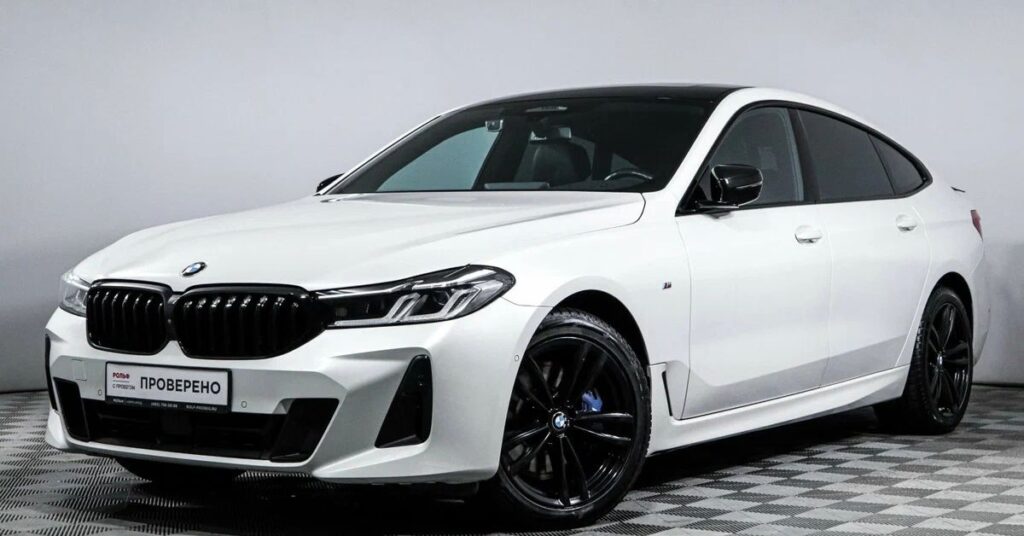
BMW offered the G32 with several petrol and diesel engines. Options included four-cylinder, six-cylinder, and V8 engines in different markets. The 640i used a 3.0-liter turbocharged inline-six. BMW also offered xDrive all-wheel drive on selected versions. These engines gave the car smooth power and strong highway performance.
The G32 focuses on comfort, space, and long-distance driving. It has a spacious interior and a large rear luggage area. BMW added features such as a digital instrument display, modern infotainment, and driver-assistance systems. The G32 combines the comfort of a luxury sedan with the practicality of a five-door Gran Turismo.
BMW 6 Series Price
The BMW 6 Series price depends on the generation, model year, engine, and condition. Older E24 models usually cost less than newer versions. Well-maintained classic models can also have higher prices because of their condition and rarity.
Newer 6 Series models can cost much more. The F06, F12, and F13 models offer different engine and equipment levels. Used prices also vary by mileage, service history, and local market conditions. The G32 Gran Turismo can also have different prices based on its engine and features.
Buyers should check the car carefully before purchase. A complete service history can help show how well the car was maintained. Import duties, registration costs, and repair expenses can also affect the total ownership cost.
BMW 6 Series Wheels
The BMW 6 Series wheels vary across different generations and models. Older versions used smaller wheel designs with a classic look. Newer models offer larger wheels with modern styling. Wheel sizes can vary based on the engine, trim, and market.
BMW offers several wheel designs for the 6 Series. Some models use lightweight alloy wheels to support handling and comfort. Larger wheels can give the car a sportier appearance. However, tire size and wheel design can also affect ride comfort and road noise.
Owners should choose wheels that match the correct specifications. Wheel size, width, offset, and bolt pattern all matter. The right setup helps maintain proper handling and safety. Buyers should also check the tires for wear and damage when purchasing a used 6 Series.
BMW 6 Series Interior
The BMW 6 Series interior combines luxury, comfort, and a driver-focused layout. Older generations use classic materials and simple controls. Newer models offer premium leather, modern displays, and advanced technology. The design changes with each generation.
BMW provides supportive seats for both daily driving and long trips. Many models offer leather upholstery, heated seats, and adjustable seating options. The cabin also provides good space for passengers. Convertible and coupe models have different interior layouts and storage space.
Newer 6 Series models include modern infotainment systems and digital displays. Features can include navigation, smartphone connectivity, premium audio, and climate control. Higher trims may add more comfort and driver-assistance features. Overall, the interior gives the 6 Series a refined and comfortable feel.
BMW 6 Series Engine
The BMW 6 Series engine has changed across different generations. BMW used inline-six, V8, and V10 petrol engines in various models. Later versions also received turbocharged engines and diesel options. Each generation brought different power levels and engine technology.
The E24 used several naturally aspirated inline-six engines. The E63/E64 added stronger V8 engines and the high-performance M6 V10. The F06/F12/F13 generation used turbocharged six-cylinder and V8 engines. BMW also used a 4.4-liter twin-turbo V8 in models such as the 650i and M6.
The G32 Gran Turismo offered modern turbocharged engines. These included four-cylinder and six-cylinder petrol and diesel options, depending on the market. BMW paired some engines with xDrive all-wheel drive. Regular maintenance remains important for reliable performance, especially on older and high-performance 6 Series models.
Conclusion
The BMW 6 Series has changed through several generations. The E24 started the journey with its classic coupe design. Later models added new body styles, stronger engines, better technology, and more comfort.
Each generation offers a different experience. Older models have a classic character, while newer models focus on luxury, performance, and modern features. Buyers should consider the engine, condition, maintenance history, and budget before choosing a 6 Series.
FAQs
1. How many BMW 6 Series generations are there?
BMW has produced several generations, including the E24, E63/E64, F06/F12/F13, and G32.
2. What was the first BMW 6 Series generation?
The E24 was the first 6 Series generation. BMW produced it from 1976 to 1989.
3. Which engines did the BMW 6 Series use?
The 6 Series used inline-six, V8, and V10 engines. Later models also offered turbocharged petrol and diesel engines.
4. What body styles did the BMW 6 Series offer?
BMW offered the 6 Series as a coupe, convertible, Gran Coupe, and Gran Turismo across different generations.
5. Is the BMW 6 Series suitable for daily driving?
Yes. Many 6 Series models provide comfortable interiors, strong engines, modern technology, and useful features for daily driving.
Related Posts
BMW Colors Explained: Classic, Modern, and Exclusive Shades
BMW colors are the exterior paint shades available for different…
BMW Z3: Performance, Design, and Comfort
The BMW Z3 is a classic two-seat sports car from…
BMW Alpina B6 Features, Specs, and Performance Explained
The BMW Alpina B6 is a high-performance luxury car created…