
BMW car seat covers are protective covers designed to fit over your vehicle’s original seats. They help protect the interior from dust, spills, stains, scratches, and daily wear. They also come in different materials, colors, and designs. Some options focus on comfort, while others add a stylish look to the cabin.
Your BMW’s interior deserves the same care as its exterior. Daily use can cause seats to fade, crack, or lose their original appearance. Good seat covers can help prevent this damage. They also make cleaning easier and keep your cabin looking fresh. The right covers can improve both comfort and style.
This guide explains everything you need to know about BMW car seat covers. It covers different materials, types, prices, and fitting options. You will also learn how to choose, install, and maintain them. This information will help you find seat covers that match your BMW model and personal needs.
BMW Seat Cover Features
BMW seat covers come with different features to improve comfort and protect the original upholstery. Custom-fit designs follow the shape of specific BMW seats. They include proper spaces for headrests, armrests, and seat controls. Some covers also have separate sections for adjustable seat bolsters. This helps maintain a neat appearance without changing the original seat layout.
Material quality and stitching also affect seat cover performance. High-quality synthetic leather offers a smooth surface and easy cleaning. Genuine leather provides a premium finish but needs regular care. Some sporty designs use Alcantara-style inserts for a suede-like feel. Reinforced stitching can also improve durability in areas that experience frequent movement, such as the driver’s seat edges.
Compatibility is especially important in modern BMW models. Many versions include side airbags, electric adjustments, seat heating, and ventilation. Seat covers should not block these features. Airbag-compatible stitching is essential for seats with integrated side airbags. Buyers should also check the manufacturer’s fitting instructions. This helps maintain the proper operation of the original safety and comfort systems.
BMW Seat Cover Materials
BMW seat covers are available in several materials, and each offers different benefits. Genuine leather is a popular choice for owners who want a premium interior. It has a natural texture and a soft feel. It is often used in luxury-focused BMW interiors. However, genuine leather needs regular cleaning and conditioning. Heat and direct sunlight can also affect its surface over time.
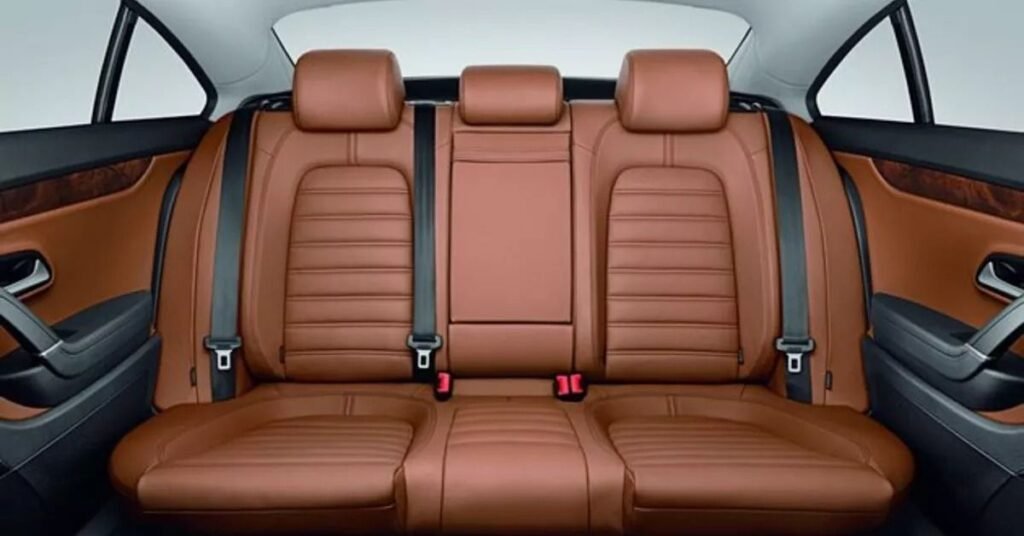
Synthetic leather is another common option. It offers a leather-like appearance at a lower cost. It is also easier to clean after spills and daily use. Fabric covers provide a different experience. They are generally more breathable and can feel comfortable in warm weather. Alcantara is also popular in sporty interiors, including some BMW M models. Its suede-like texture provides a soft feel and better grip.
The right material depends on your budget, driving habits, and interior preferences. Genuine leather suits owners who prefer a traditional luxury finish. Synthetic leather works well for easier maintenance. Fabric is a practical choice for everyday driving, while Alcantara adds a sporty touch. Before purchasing, check the material’s durability and compatibility with heated seats, ventilation, and side airbags.
Benefits of Seat Covers
Seat covers help protect BMW’s original upholstery from everyday damage. The driver’s seat often experiences the most wear because of frequent entry and exit. Its side bolsters and seat cushion can develop creases, scratches, and worn areas over time. A well-fitted seat cover adds a protective layer to these surfaces. It can also reduce damage from dust, sweat, food spills, and clothing friction.
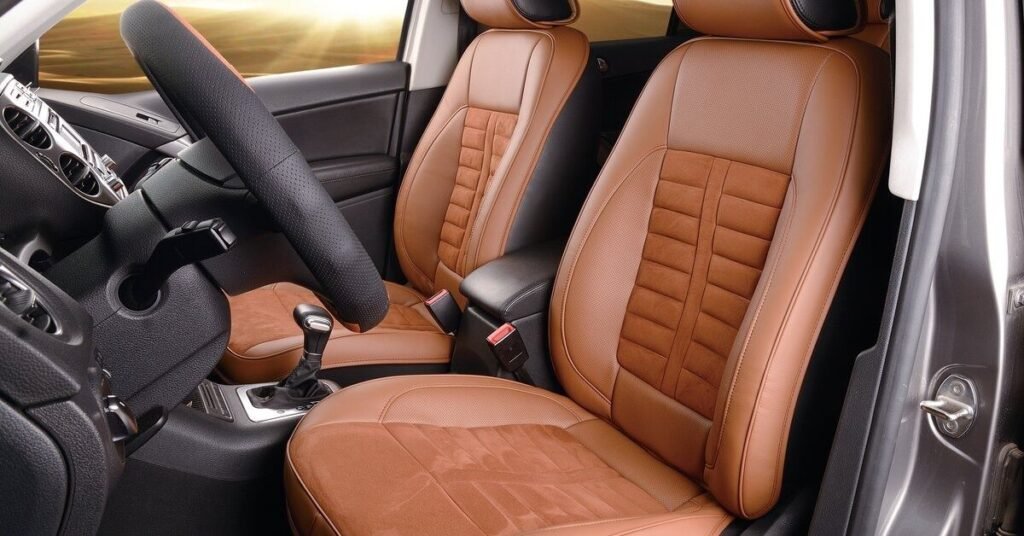
Another benefit is easier interior maintenance. Synthetic leather covers can usually be cleaned with a soft cloth and a suitable cleaner. Fabric covers may need vacuuming to remove dust and small particles. Some water-resistant materials also help prevent liquid from reaching the original upholstery. However, no seat cover is completely stain-proof or waterproof unless the manufacturer confirms it. Choosing the right material can make regular cleaning easier.
Seat covers also give BMW owners more control over their interior design. They can change the seat color, material, and stitching without replacing the original seats. This is useful when the factory upholstery shows signs of aging. However, proper fitting is important. Covers must not interfere with side airbags, seat heating, ventilation, or electric adjustments. A suitable design helps maintain the cabin’s appearance while protecting the original seats.
Custom vs. Universal Fit
Custom-fit BMW seat covers are designed for specific models and seat configurations. They follow the shape of the seat and provide a cleaner appearance. They usually include openings for headrests, seat controls, and armrests. Some designs also support features such as folding rear seats. Custom-fit covers are a good choice for models like the BMW 3 Series, 5 Series, X3, and X5. However, buyers must check the model year and seat options before ordering.
Universal seat covers are made to fit a wider range of vehicles. They usually cost less and are easier to find. However, they may not match the exact shape of BMW seats. Loose material can affect comfort and make the interior look untidy. Some universal covers may also block seat controls or interfere with side airbags. Here is a comparison of both options:
| Feature | Custom-Fit Seat Covers | Universal Seat Covers |
| Fit | Designed for specific BMW seats | Designed for different vehicle types |
| Appearance | Follows the original seat shape | May look loose or oversized |
| Comfort | Better fit with fewer wrinkles | Depends on size and adjustment |
| Installation | May require careful fitting | Usually easier to install |
| Seat Controls | Model-specific openings may be available | Openings may not align correctly |
| Airbag Compatibility | Can be designed for specific airbag locations | Must be checked carefully |
| Material Options | Often available in several finishes | Usually offers standard materials |
| Price | Generally more expensive | Usually more affordable |
| Model Compatibility | Requires exact model and seat details | Fits a wider range of vehicles |
| Best For | Owners seeking a neat, factory-style appearance | Owners looking for a budget option |
Which should you choose? Custom-fit covers are generally the better option for BMW interiors. They provide a more precise fit and help maintain access to important seat features. Always choose airbag-compatible covers and follow the manufacturer’s installation instructions.
Seat Covers for BMW Models
BMW seat covers should match the model, generation, and original seat design. The BMW 3 Series has different seat shapes across generations, including the E90, F30, and G20. The 5 Series also has several interior designs, from the E60 to the newer G60. Each generation may have different headrests, side bolsters, and adjustment controls. Custom-fit covers should match these details to provide a proper fit.
BMW SUVs also need model-specific seat covers. The X3 and X5 have different seat dimensions and interior layouts. The larger X7 offers three rows of seating, so buyers must check the complete seat arrangement. Some versions have split-folding rear seats, electric adjustments, and integrated headrests. These features affect the type of cover required. A universal cover may not fit every seating section correctly.
Performance models need extra attention when choosing seat covers. The BMW M3 and M5 can have sport seats with deeper side bolsters and integrated headrests. Standard covers may feel loose or restrict seat movement. Owners should check the exact model year, seat type, and factory options before purchasing. Airbag compatibility is also essential for safe installation. This helps preserve the original comfort, appearance, and function of BMW seats.
Colors and Design Options
BMW seat covers are available in different colors to match the original cabin design. Black is a popular choice for models like the 3 Series and M5. It gives the interior a clean and sporty appearance. Cognac brown and beige suit luxury-focused models such as the 5 Series and 7 Series. Grey is another option for owners who prefer a simple and modern look. Choosing a color close to the original upholstery can help maintain the factory-style appearance.
Design details also make a difference. Some seat covers feature diamond stitching, contrast piping, or perforated panels. Perforated synthetic leather can provide a different texture and appearance from smooth leatherette. Two-tone designs combine colors such as black and red or black and grey. Alcantara-style inserts are also popular for sporty interiors. These designs can give the cabin a custom appearance without replacing the original seats.
The best design depends on the BMW model and personal preference. A black cover with blue stitching can complement an M Sport interior. Brown covers can create a warmer appearance in a luxury cabin. Owners should also consider material quality and ease of cleaning. The stitching and panel layout should match the seat shape. A well-designed cover can improve the interior’s appearance while keeping the original upholstery protected.
Seat Cover Installation
Installing BMW seat covers requires the correct size and proper fit. Start by removing loose items from the seats. Clean the upholstery to remove dust and dirt. Check the installation instructions before placing the covers. Each cover should match the seat’s shape, headrest, and side bolsters. Model-specific covers usually provide a better fit than universal designs.
Place the cover over the seat and adjust it carefully. Align the seams with the seat edges. Secure the straps and fasteners according to the manufacturer’s instructions. Avoid pulling the material too tightly. This can damage the cover or affect its position. Check that the cover does not block seat adjustment buttons, belt buckles, or electrical controls.
BMW seats may also contain side airbags, heating elements, and ventilation systems. Never cover or restrict an airbag deployment area. Use only covers specifically approved for the relevant seat design. If installation requires removing seat components or disconnecting electrical connections, use a qualified BMW technician. After fitting, check that all seat functions work correctly and the covers remain secure.
Choosing the Right Seat Covers
Choosing the right seat covers starts with your BMW’s exact model and production year. Different generations have different seat shapes and dimensions. For example, the G20 3 Series has different seat designs from the older F30 generation. The same applies to BMW X5 and 5 Series models. Always check the seat type before ordering. Custom-fit covers usually provide a cleaner appearance and better fit than universal options.
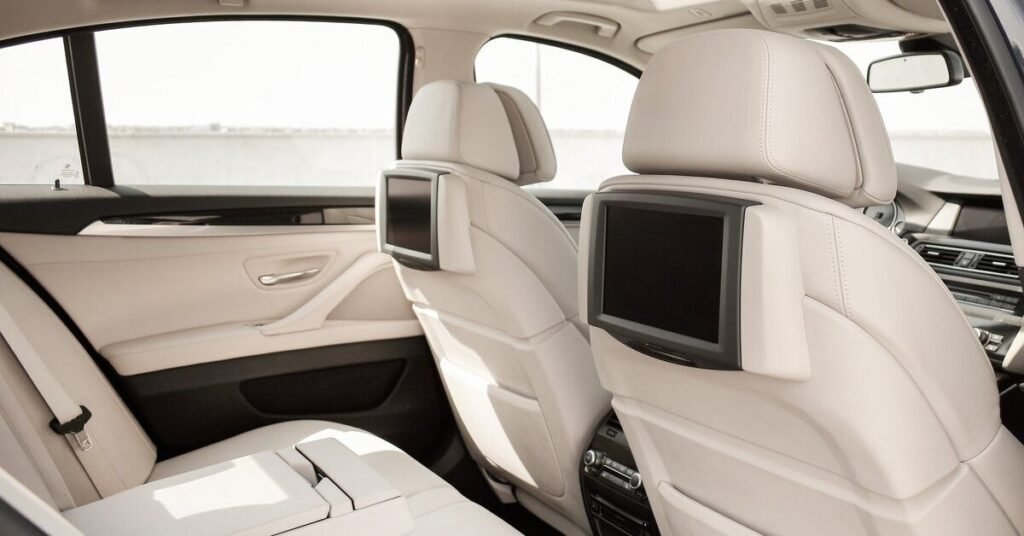
Material selection is another important factor. Synthetic leather works well for owners who want easy cleaning and a leather-like finish. Genuine leather offers a premium feel but requires regular care. Fabric can provide better breathability in hot weather. Alcantara-style materials suit drivers who prefer a sporty interior. Consider your daily driving conditions and maintenance needs before making a decision.
You should also check the covers’ compatibility with your BMW’s original features. Some seats include side airbags, electric adjustments, heating, and ventilation. Poorly designed covers can block these functions or affect safety. Check the manufacturer’s fitting details before purchasing. The right seat covers should protect the original upholstery while maintaining the comfort, safety, and appearance of your BMW interior.
Seat Cover Installation
Installing seat covers in a BMW requires proper fitting and attention to detail. Start by checking the cover size and matching it with your car’s model and seat design. Clean the seats before installation. Remove dust, dirt, and loose items from the upholstery. Read the manufacturer’s instructions carefully. Custom-fit covers usually follow the original seat shape and provide a neater finish.
Place each cover over the correct seat section. Align the material with the headrest, backrest, and seat cushion. Secure the straps and fasteners as instructed. Make sure the material does not bunch up around the seat edges. Check the position of seat belts, buckles, and adjustment controls. Avoid forcing the cover into place because this can damage the material or stitching.
Modern BMW seats may include side airbags, electric controls, heating, and ventilation. The covers must not block these features. Choose products specifically designed for the relevant seat configuration. Never cover an airbag deployment area with an unsuitable material. If installation requires removing seat components or handling electrical connections, contact a qualified technician. A professional fitting can help protect the original seat functions and maintain interior safety.
Leather vs. Fabric Covers
Leather and fabric seat covers offer different benefits for BMW owners. Leather covers provide a smooth finish and a premium appearance. They are easy to wipe clean after small spills. However, they can become hot in summer and need regular care. Genuine leather may also crack if owners neglect its maintenance. Fabric covers offer better breathability and a softer feel. They are comfortable in warm weather but can absorb spills and collect dust.
The right choice depends on your budget, climate, and driving habits. Leather suits owners who prefer a luxury-style interior. Fabric is a practical option for everyday driving. Both materials come in different colors and designs. Their main features include:
- Leather Covers: Provide a premium look and smooth surface.
- Fabric Covers: Offer better airflow and everyday comfort.
- Synthetic Leather: Provides a leather-like finish at a lower cost.
- Cleaning: Leather is easier to wipe, while fabric may need vacuuming.
- Durability: Both materials can wear out without proper care.
- Cost: Fabric is usually more affordable than genuine leather.
BMW Seat Cover Prices
BMW seat cover prices depend on the material, fitting, design, and number of seats. Universal covers usually cost less than custom-fit options. For example, aftermarket BMW leatherette covers start at around $79.99 per seat on some US retailers. Semi-custom sets can cost around $169.99 to $229.99 per row. Fully custom leatherette options can reach approximately $449.99 per row.
Material choice also affects the total cost. Genuine leather covers are more expensive than standard fabric or synthetic leather options. Some custom genuine leather products are listed at around $569.99 per row. Prices can increase with special stitching, premium finishes, and model-specific seat designs.
BMW owners should also consider installation and shipping costs. Imported covers may cost more because of delivery charges, customs duties, and local taxes. Prices in Pakistan can differ from US listings due to import costs and availability. Always confirm the exact model year, seat configuration, and material before ordering. These details help avoid buying covers that do not fit your BMW properly.
Cleaning and Maintenance
Regular cleaning helps keep BMW seat covers in good condition. Dust and small particles can collect around the stitching and seat edges. Use a soft vacuum brush to remove loose dirt. For synthetic leather covers, wipe the surface with a damp microfiber cloth. Avoid strong household cleaners because they can damage the material’s finish. For genuine leather, use a suitable leather cleaner and conditioner. Always follow the product instructions before applying any cleaning solution.
Fabric seat covers need a different cleaning method. Vacuum them regularly to remove dust and crumbs. Treat small stains with a fabric cleaner that is safe for the material. Avoid soaking the seats because excess moisture can reach the original upholstery. Alcantara-style covers also need gentle care. Use a suitable cleaner and a soft brush to maintain their texture. Test cleaning products on a hidden area first.
Daily habits can also help extend the life of BMW seat covers. Clean spills quickly before they become difficult to remove. Avoid sharp objects that can scratch or tear the material. Park in shaded areas when possible to reduce direct sunlight exposure. Check the stitching, straps, and fit from time to time. Proper maintenance keeps the covers looking clean and helps protect the original BMW seats.
Common Seat Cover Problems
Poor fit is one of the most common problems with BMW seat covers. Universal covers may not match the shape of the original seats. Loose material can fold around the seat cushion and side bolsters. This can make the seats uncomfortable during long drives. Incorrect sizing can also leave parts of the original upholstery exposed. Custom-fit covers help reduce these problems when they match the exact BMW model and seat configuration.
Material damage is another issue. Synthetic leather can peel or crack after prolonged exposure to heat and sunlight. Fabric covers may develop stains, fading, or loose threads. Genuine leather can become dry without proper conditioning. Weak stitching can also split around high-pressure areas. The driver’s seat often experiences more wear because of frequent entry and exit.
Some seat covers can also interfere with original BMW features. Poorly designed covers may block seat adjustment buttons or affect access to seat belt buckles. Covers that are not approved for side airbags can create a serious safety risk. Thick materials may also reduce the effectiveness of seat heating or ventilation. Always check compatibility before installation. Proper fitting and suitable materials help prevent these problems and protect the original seats.
Seat Cover Safety and Airbag Compatibility
Seat cover safety is important for every BMW owner. Many BMW models have side airbags built into the front seatbacks. These airbags need enough space to open during an accident. An unsuitable seat cover can block or delay their deployment. This can reduce the protection provided by the original safety system. Always choose covers specifically designed for seats with side airbags.
Airbag-compatible seat covers use special stitching or designated opening areas. These sections allow the airbag to deploy through the correct part of the seat cover. However, not every cover advertised as airbag-compatible meets the same safety standards. Check the manufacturer’s compatibility information before purchasing. Make sure the product is approved for your exact BMW model and seat design. Avoid covers with thick seams, extra straps, or material across the airbag deployment area.
Other seat features also need proper attention. BMW seats may include heating, ventilation, electric adjustments, and occupancy sensors. Poorly fitted covers can interfere with these systems. They may also restrict seat belt access or movement. Never modify the original seat upholstery or airbag seams to install a cover. If compatibility is unclear, consult an authorized BMW service center or qualified technician. Safety should always come before appearance or price.
Conclusion
BMW seat covers are a useful way to protect the original interior and improve cabin appearance. They are available in different materials, colors, and designs. Custom-fit covers offer a better match for specific BMW models and seat shapes. The right material also makes cleaning and daily maintenance easier. Owners should consider comfort, durability, and price before making a choice.
Choosing suitable seat covers requires more than focusing on appearance. Check the model year, seat configuration, and compatibility with original features. Airbag safety, seat heating, and ventilation should never be overlooked. High-quality covers with proper fit can help preserve the original upholstery. They also keep your BMW interior looking clean and well-maintained.
FAQs
1. Are custom-fit seat covers better for BMW models?
Yes. Custom-fit covers match the original seat shape and provide a cleaner appearance than most universal covers.
2. Which material is best for BMW seat covers?
Genuine leather offers a premium finish, while synthetic leather is easier to clean. Fabric provides better breathability in warm weather.
3. Do BMW seat covers affect side airbags?
They can if they are poorly designed. Always choose seat covers specifically approved for your BMW’s side-airbag system.
4. How much do BMW seat covers cost?
Prices depend on material, design, and fit. Custom leather covers generally cost more than standard fabric or synthetic leather options.
5. How do you clean BMW seat covers?
Use a suitable cleaner for the material. Wipe synthetic leather with a damp microfiber cloth and vacuum fabric covers regularly.
Related Posts
BMW M2: Complete Buying Guide, Specs & Price
The BMW M2 is a high-performance sports coupe from BMW’s…
BMW Alpina B7: Engine, Design, and Comfort
The BMW Alpina B7 is a high-performance luxury sedan. It…