The Mini Cooper is a small car known for its unique design, compact size, and fun driving experience. Many people ask, “Is Mini Cooper BMW?” The answer is yes, in terms of ownership. BMW Group owns the MINI brand and manages its development, engineering, and production. However, MINI remains a separate car brand with its own identity and history.
The connection between MINI and BMW makes this car even more interesting. BMW acquired the Rover Group in 1994, which included the original Mini brand. Later, BMW developed the modern MINI and introduced it in 2001. Since then, the brand has combined its classic British design with modern German engineering. This combination attracts drivers who want a stylish and enjoyable small car.
This guide explains how BMW owns MINI and how the two brands work together. It also covers Mini Cooper history, manufacturing, engines, technology, reliability, and maintenance costs. You will learn what makes MINI different from BMW cars and whether its connection to BMW affects its quality and performance.
MINI Cooper Brand Ownership
MINI Cooper is a British car brand owned by the German company BMW Group. BMW purchased the Rover Group in 1994, which included the original Mini brand. Later, BMW developed MINI into a separate premium small-car brand. Today, BMW Group controls its business and product development.
Many people ask, “Is Mini Cooper BMW?” The answer depends on what they mean. MINI is not a BMW model or a sub-brand like BMW M. It operates as a separate brand under BMW Group. It has its own logo, styling, model range, and brand identity. However, it benefits from BMW’s engineering and technical resources.
BMW’s ownership has helped MINI develop modern cars while keeping its classic character. The brand still uses its famous compact shape and distinctive styling. BMW also supports its engine development, technology, safety systems, and vehicle platforms. This connection allows MINI to offer a different driving experience while benefiting from BMW Group’s automotive expertise.
BMW’s Acquisition of MINI
BMW acquired the Rover Group in 1994, which included the famous British Mini brand. At that time, MINI had a long history of producing small and practical cars. BMW saw an opportunity to develop the brand further. However, managing the Rover Group became difficult due to financial and business challenges. BMW later sold most of its Rover operations in 2000 but kept the MINI brand.
After the acquisition, BMW planned a new direction for MINI. It wanted to preserve the original car’s classic design while adding modern engineering. The company invested in new platforms, engines, safety features, and production facilities. This work led to the launch of the modern MINI Hatch in 2001. The new model kept the familiar rounded headlights and compact shape.
BMW’s decision helped MINI become a successful premium small-car brand. It introduced new models, including the MINI Convertible, Clubman, and Countryman. These cars offered more choices while keeping the brand’s unique identity. Today, MINI operates under BMW Group and benefits from its engineering and development resources.
MINI Cooper History
The original Mini was introduced in 1959 by the British Motor Corporation (BMC). Sir Alec Issigonis designed this small car to meet the growing demand for affordable and fuel-efficient transportation. Its compact body and front-wheel-drive layout made it different from many cars of that time. The original Mini also used a transverse engine to save space inside the cabin. This design helped it become an important model in automotive history.
The Mini gained popularity during the 1960s. The Cooper version became especially famous for its sporty performance. Racing driver John Cooper helped develop the performance-focused Mini Cooper. The car achieved major success in the Monte Carlo Rally, winning in 1964, 1965, and 1967. Its small size, quick handling, and strong racing results made it popular among driving enthusiasts.
BMW acquired the MINI brand in 1994 and introduced a completely redesigned modern MINI Hatch in 2001. The new generation kept the original car’s recognizable styling but added modern technology and safety features. Over time, MINI expanded its lineup with different body styles and larger models. Today, the brand combines its British heritage with BMW Group’s engineering and development resources.
BMW’s Role in Modern MINI
BMW has played a major role in developing the modern MINI brand. After keeping MINI in 2000, BMW introduced the new MINI Hatch in 2001. The company updated the original design with modern engineering and improved safety features. It also gave the car a more powerful engine and a refined interior. These changes helped MINI attract new buyers while keeping its classic appearance.
BMW also provides important engineering and technical support. It helps develop vehicle platforms, engines, electronics, and driver assistance systems. Modern MINI models use technologies developed within BMW Group. For example, newer models offer digital displays, automatic driving assistance, and advanced connectivity features. BMW’s engineering resources help MINI meet modern safety and performance standards.
Another important contribution is MINI’s growing model range. BMW supported the development of the Countryman, Convertible, and other body styles. The brand has also moved toward electric vehicles with models such as the MINI Cooper Electric. These changes show how BMW has helped MINI adapt to modern market demands. However, MINI still maintains its own design language and sporty driving character.
MINI Cooper Manufacturing Locations
MINI Cooper cars are manufactured in different countries under BMW Group’s management. The United Kingdom remains the brand’s main production center. BMW’s Plant Oxford in England builds the MINI Cooper 3-Door, 5-Door, and Convertible. This factory has a long history and has produced millions of cars. It remains an important part of MINI’s British identity.
BMW also manufactures electric MINI models in China. The Spotlight Automotive plant in Zhangjiagang produces the all-electric MINI Cooper and MINI Aceman. BMW Group operates this facility through a joint venture with Great Wall Motor. The factory supports MINI’s electric vehicle production and supplies international markets.
Other BMW Group factories also support MINI production. For example, the Swindon plant in the UK makes body panels and other parts for MINI vehicles. The Hams Hall plant produces engines for models assembled in Oxford. These facilities work together to maintain production quality and supply parts. This global manufacturing network helps MINI serve customers in different markets.
MINI Cooper vs. BMW
MINI Cooper and BMW offer different driving experiences. Both brands belong to the BMW Group, but they target different buyers. MINI Cooper focuses on compact design, easy handling, and urban driving. Its small size makes parking and driving through busy streets easier. BMW offers a wider range of vehicles, including sedans, SUVs, coupes, and electric cars. These models focus on performance, comfort, space, and advanced technology.
BMW generally offers more engine choices and higher performance options. MINI Cooper provides a fun driving experience with a smaller body and sporty handling. BMW models usually have more cabin space and larger engines. However, MINI Cooper can be a better choice for drivers who prefer a compact car. The right option depends on your budget, driving needs, and personal preferences.
MINI Cooper vs. BMW: Key Differences
| Feature | MINI Cooper | BMW |
| Brand Group | BMW Group | BMW Group |
| Main Focus | Compact and sporty driving | Luxury and performance |
| Vehicle Types | Hatchbacks, convertibles, and crossovers | Sedans, SUVs, coupes, and electric cars |
| Exterior Design | Compact body and rounded headlights | Sporty and premium styling |
| Interior | Modern and distinctive cabin | Premium materials and advanced layouts |
| Engine Options | Small petrol and electric powertrains | Petrol, diesel, hybrid, and electric options |
| Driving Experience | Agile and fun in city driving | Balanced comfort and performance |
| Handling | Quick and responsive | Sporty and stable |
| Cabin Space | Limited rear-seat and luggage space | More space in many models |
| Fuel Economy | Generally efficient in smaller models | Varies by engine and model |
| Technology | Circular display and modern infotainment | iDrive infotainment and digital displays |
| Comfort | Best suited to smaller groups | More options for family comfort |
| Maintenance Cost | Can be expensive compared with economy cars | Varies by model and repair needs |
| Best Use | City driving and short trips | City driving, highways, and family travel |
| Popular Models | MINI Cooper 3-Door, 5-Door, and Countryman | BMW 3 Series, 5 Series, X3, and X5 |
Overall, MINI Cooper suits drivers who want a small, stylish, and enjoyable car. BMW is a better choice for buyers who need more vehicle options, space, and performance. Both brands offer distinctive designs and modern technology.
MINI Cooper Engines and Technology
MINI Cooper uses different engines depending on the model and generation. Modern petrol models offer three-cylinder and four-cylinder turbocharged engines. The standard Cooper C focuses on everyday performance and fuel efficiency. The Cooper S provides more power and quicker acceleration. Some older MINI models also used diesel engines. BMW’s engineering support has helped MINI improve engine performance, efficiency, and reliability.
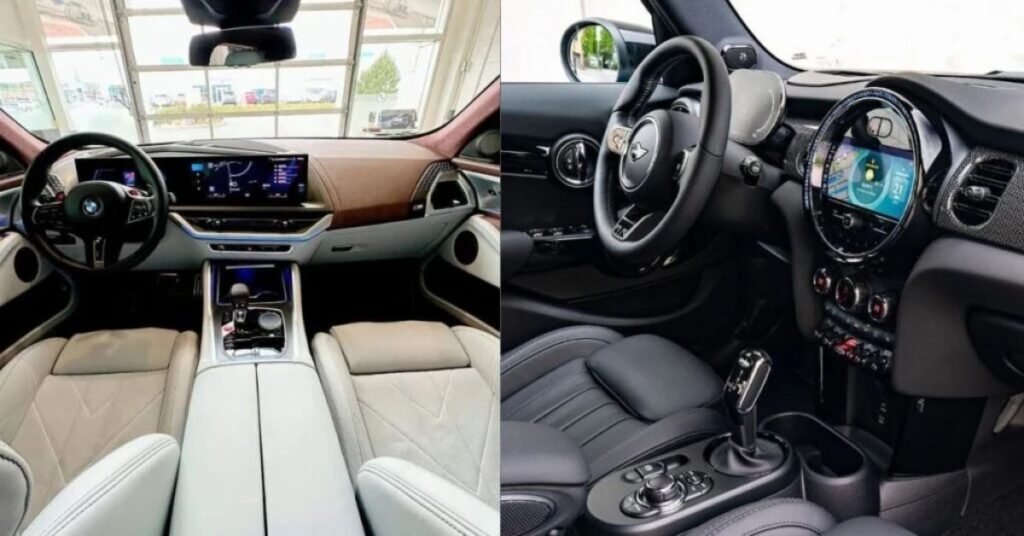
BMW also contributes to MINI’s engine and vehicle technology. Many models use MINI TwinPower Turbo technology. It combines turbocharging, direct fuel injection, and variable valve timing. These features help deliver strong power without using a large engine. MINI cars also offer modern transmissions, driving modes, and electronic stability systems. The exact features depend on the model and production year.
Technology is another important part of modern MINI cars. Newer models offer digital displays, touchscreen controls, smartphone connectivity, and driver assistance features. MINI also offers fully electric Cooper models for drivers who prefer electric power. These versions use electric motors and battery systems instead of petrol engines. BMW Group’s technical experience supports this development. However, MINI keeps its own sporty driving character and user-friendly design.
MINI Cooper Platforms and Engineering
BMW has played an important role in MINI Cooper’s platform development. Modern petrol-powered MINI models use BMW-developed engineering and vehicle architectures. The third-generation MINI Hatch, introduced in 2014, used the UKL platform. This platform supported front-wheel drive and transverse engine layouts. It also allowed BMW to share engineering with smaller BMW models.
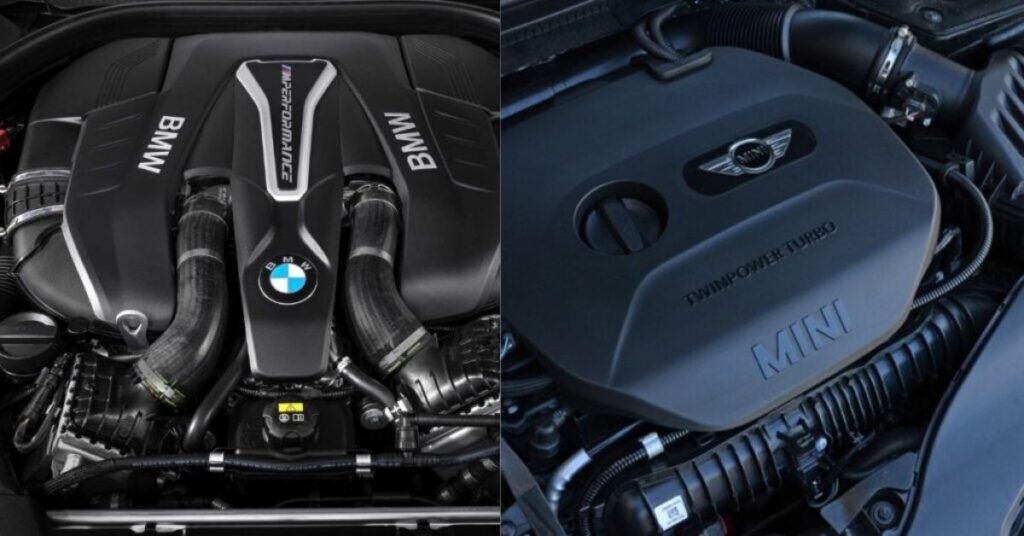
MINI Cooper engineering focuses on compact dimensions and sporty handling. Its front-wheel-drive layout helps provide good cabin space. The suspension system supports stable cornering and responsive steering. BMW also improved the chassis, braking systems, and vehicle structure. These changes help modern MINI models deliver better comfort, control, and safety.
MINI now uses different platforms for its petrol and electric models. The current petrol Cooper continues with an updated version of its earlier architecture. The electric Cooper uses a dedicated electric platform developed for battery-powered driving. This approach allows MINI to offer different powertrains without losing its recognizable design. BMW Group’s engineering resources support both directions.
MINI Cooper Reliability
MINI Cooper reliability depends on its model year, engine, and maintenance history. Newer models generally offer improved engineering and better technology. Some models also use BMW-developed engines and mechanical components. A well-maintained MINI Cooper can provide dependable performance for many years. However, reliability can vary between different generations.
Older MINI Cooper models can develop several mechanical problems. Some 2007–2014 petrol versions may experience timing chain issues. Oil leaks, cooling system faults, and suspension wear can also affect older cars. Electrical problems may appear as the vehicle gets older. Regular inspections can help owners identify these issues before they become expensive repairs.
BMW’s engineering support has helped improve modern MINI models. However, BMW ownership does not guarantee trouble-free performance. Owners should follow service schedules and use suitable engine oil and replacement parts. Before buying a used MINI Cooper, check its service records, engine condition, transmission, and cooling system. A professional inspection can also help identify hidden problems.
Popular MINI Cooper Models
MINI offers several models with different designs and features. The MINI Cooper 3-Door is one of its most recognizable cars. It keeps the classic compact shape and sporty driving character. The MINI Cooper 5-Door provides extra space for passengers and easier rear-seat access. Both models offer modern technology and petrol or electric power options, depending on the version.
The MINI Convertible is another popular choice. It features a retractable roof for open-air driving. The MINI Countryman offers a larger body, more cabin space, and greater practicality. It suits families and drivers who need extra luggage capacity. BMW helped develop these models while MINI maintained its own styling and driving identity.
MINI also offers performance-focused and electric models. The John Cooper Works (JCW) versions deliver stronger performance and sportier features. The MINI Cooper Electric provides fully electric driving without a petrol engine. The MINI Aceman adds a compact crossover design to the lineup. These models show how MINI has expanded under BMW ownership while keeping its distinctive character.
MINI Cooper Performance and Features
MINI Cooper offers a sporty driving experience with quick acceleration and responsive handling. Its compact size makes it easy to drive through busy streets. Petrol models come with different engine options. The Cooper C focuses on everyday driving, while the Cooper S offers stronger performance. John Cooper Works (JCW) models deliver even more power with sportier suspension and performance upgrades.
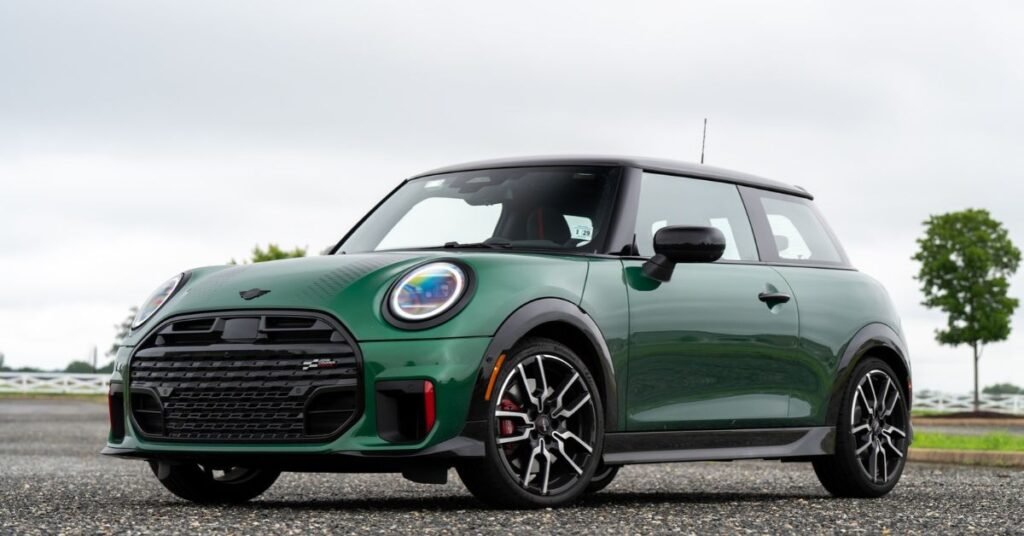
MINI Cooper also offers several modern interior and exterior features. Newer models include a circular OLED touchscreen, digital controls, LED headlights, and smartphone connectivity. Drivers can also enjoy different MINI Experience Modes. These modes change the display, lighting, and driving atmosphere. Depending on the model, buyers can get heated seats, navigation, parking assistance, and a head-up display.
Safety and comfort are also important parts of the MINI Cooper experience. Modern models offer driver assistance systems, stability control, parking sensors, and camera features. Electric versions provide quick acceleration and quiet driving without petrol engines. The available features depend on the model and trim level. Overall, MINI combines compact dimensions, sporty performance, and modern technology in one package.
MINI Cooper Design and Build Quality
MINI Cooper has a distinctive design that makes it easy to recognize. Its exterior features a compact body, rounded headlights, and a familiar front grille. The short overhangs and wide stance give it a sporty appearance. MINI keeps its classic British styling while adding modern design details. Newer models also feature updated LED lights, fresh colors, and redesigned body panels.
The interior combines modern technology with a simple layout. One of its most noticeable features is the large circular OLED touchscreen in the center of the dashboard. MINI also uses fabric dashboard panels, stylish seats, and different interior color options. Newer models include recycled textile materials and Vescin synthetic upholstery. These details give the cabin a modern and distinctive feel.
Build quality is another important part of MINI Cooper’s design. The brand uses solid body structures and carefully finished interior components. Newer models offer improved materials and better cabin technology. However, material quality can vary between generations and trim levels. Some models also use harder plastics in lower cabin areas. Buyers should inspect the interior, body panels, and overall condition before purchasing a used MINI Cooper.
Conclusion
The MINI Cooper stands out with its unique design, modern interior, and sporty appearance. It combines classic styling with updated technology and comfortable features. Its compact size also makes it suitable for city driving. Newer models offer better materials and improved cabin features.
Overall, the MINI Cooper delivers a good mix of style, comfort, and build quality. However, quality can vary by model and trim level. Buyers should compare different versions before making a decision. A well-maintained MINI Cooper can offer an enjoyable driving experience for years.
FAQs
1. Is MINI Cooper a reliable car?
Yes, the MINI Cooper can be reliable with regular maintenance and proper care. Reliability varies by model year and engine type.
2. What makes MINI Cooper’s design unique?
MINI Cooper features a compact body, rounded headlights, a distinctive grille, and a sporty appearance.
3. Does MINI Cooper have a modern interior?
Yes, newer models offer a circular OLED touchscreen, stylish seats, and modern interior materials.
4. Is MINI Cooper comfortable for daily driving?
Yes, MINI Cooper offers comfortable seating and easy handling. Its compact size also makes city driving easier.
5. Is MINI Cooper expensive to maintain?
MINI Cooper maintenance can cost more than some economy cars. Parts, repairs, and service costs depend on the model and location.
Related Posts
BMW X4 Review: Features, Performance, Price, and Buying Guide
The BMW X4 is a luxury compact SUV with a…
United BMW Service: Complete Maintenance Guide
United BMW Service refers to professional maintenance and repair services…
BMW M7 Interior Features: Premium Comfort Meets M Performance
BMW M7 Interior Features: Premium Comfort Meets M Performance The…