
A BMW alternator is an important part of the car’s charging system. It converts mechanical energy from the engine into electrical power. It supplies electricity to the battery and other vehicle components. It also keeps the battery charged while the engine runs. Without a working alternator, many electrical systems may stop functioning properly.
Have you ever noticed dim headlights, battery warning lights, or trouble starting your BMW? These problems may point to a weak or failing alternator. A faulty alternator can affect your driving experience. It can also leave you with a drained battery and unexpected repair costs. Knowing how it works can help you spot problems early.
This guide explains BMW alternator functions, common types, and performance. It also covers warning signs, testing methods, and common problems. You will learn about replacement costs, repair options, and maintenance tips. This information will help you understand your BMW’s charging system and keep it working properly.
BMW Alternator Overview
A BMW alternator is a key part of the vehicle’s electrical charging system. It converts engine power into electricity while the engine runs. This electricity operates components such as headlights, dashboard displays, climate control, and electronic control units. It also recharges the battery after the engine starts. Most modern BMW models use an alternator with an internal voltage regulator to control charging output.
BMW uses different alternator designs depending on the engine and model generation. Older models often use conventional alternators with fixed charging strategies. Newer models, such as the F30 3 Series and G20 3 Series, use intelligent battery management. Their alternators adjust charging output according to battery condition, electrical demand, and driving conditions. Many BMW models also use an Intelligent Battery Sensor (IBS) on the negative battery terminal to monitor battery performance.
Alternator output also varies by BMW model and equipment. A smaller petrol engine may use a different amperage rating from a larger six-cylinder or V8 engine. For example, a BMW 320i and a 540i may have different charging requirements. To choose the correct alternator, check the VIN, engine code, production date, and original part number. This helps maintain proper charging performance and prevents electrical problems.
BMW Alternator Components
A BMW alternator contains several parts that work together to produce electricity. The rotor spins inside the stator when the engine drives the alternator through a belt. This movement creates electrical current. The voltage regulator controls the output to protect the battery and electrical systems. Most BMW alternators also use a pulley connected to the engine’s belt drive.
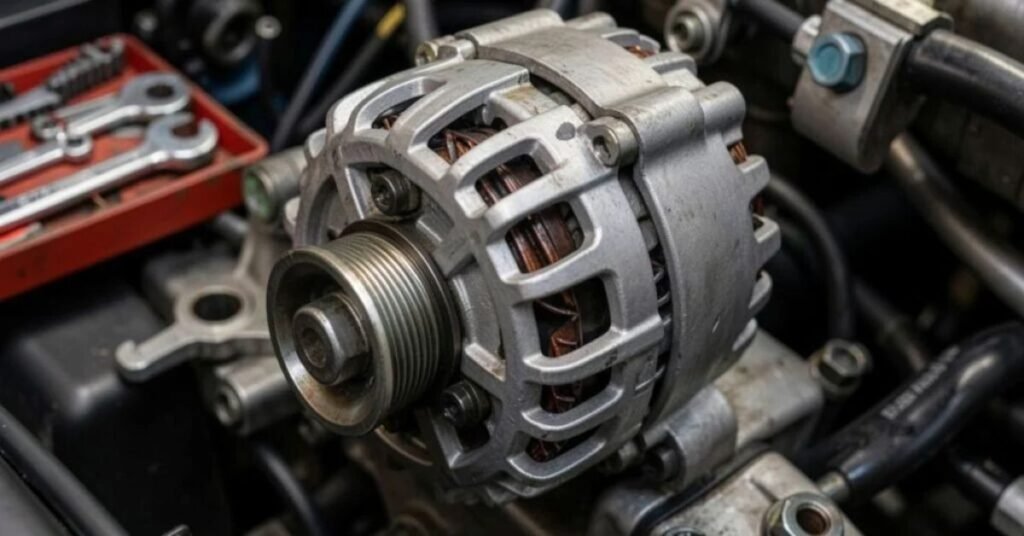
The rotor creates a rotating magnetic field inside the alternator. The stator contains copper windings that generate alternating current. The rectifier bridge converts this current into direct current (DC), which the BMW electrical system uses. The voltage regulator controls the charging output according to the vehicle’s electrical requirements. Each component plays a specific role in maintaining a stable power supply.
Other parts also affect alternator performance. Bearings allow the rotor to spin smoothly, while the pulley transfers engine rotation to the alternator. Some designs use an internal cooling fan to control heat. Newer BMW models can also use electronic communication to adjust charging output. A faulty regulator, worn bearing, or damaged rectifier can cause charging problems. These components should be checked before replacing the complete alternator.
BMW Alternator Location
The BMW alternator is usually mounted on the front or side of the engine. Its exact position depends on the engine design and model generation. A drive belt connects it to the crankshaft pulley. This belt allows the alternator to produce electricity while the engine runs. In most BMW petrol and diesel models, you can find it near other belt-driven components, such as the air conditioning compressor.
The location varies across BMW models. In the E90 3 Series with the N52 engine, the alternator sits at the front of the engine. The F30 3 Series with the N20 or B48 engine also uses a front-mounted alternator, although access differs. In many BMW X5 models, the alternator is mounted low or toward the front of the engine. Some V8 engines have tighter access because of their larger engine layout and surrounding components.
You can identify the alternator by its metal housing, electrical connections, and pulley. Always switch off the engine before inspecting it. Keep your hands away from the drive belt and moving parts. Some BMW models require removing an engine cover, intake duct, or other components to reach the alternator. Check your vehicle’s engine code and repair manual before starting any work. This helps you locate the correct unit and avoid damaging nearby parts.
Signs of Alternator Failure
A failing BMW alternator often shows warning signs before it stops working completely. One common sign is a battery warning light on the dashboard. This light may appear when the alternator cannot maintain the correct charging voltage. You may also notice dim headlights, flickering interior lights, or slow power windows. These symptoms can become more noticeable when several electrical systems operate together.
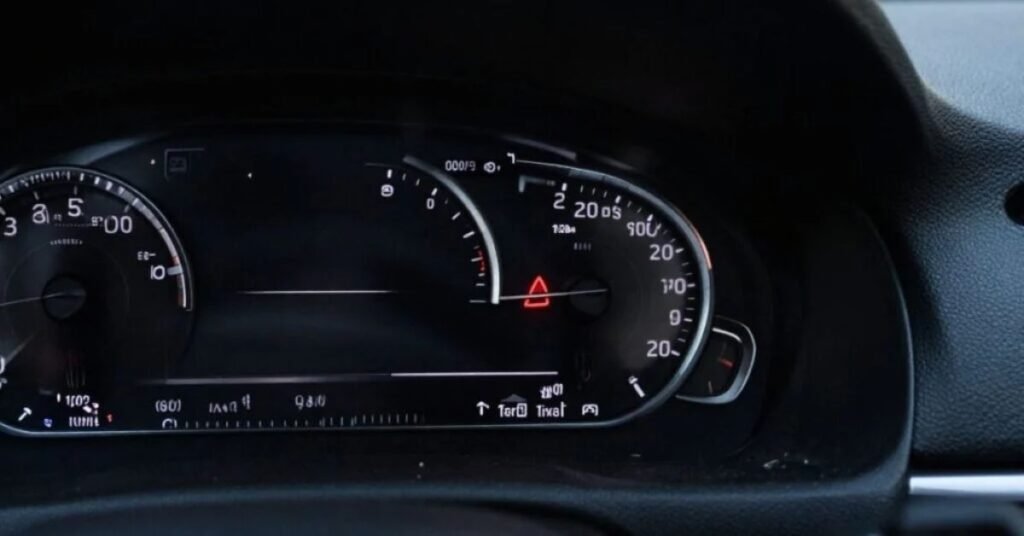
Another sign is difficulty starting the engine. A weak alternator may not recharge the battery properly. As a result, the battery can lose power after repeated drives. Some BMW models may also display a charging system malfunction message. Other symptoms include unusual whining noises, a burning rubber smell, and unstable electrical performance. A damaged pulley or worn alternator bearing can cause these noises.
You should not ignore these warning signs. A failing alternator can eventually drain the battery and cause the engine to stall. Modern BMW models may also show electrical faults when the charging voltage becomes unstable. A charging system test can help identify the problem. Check the alternator output, battery condition, drive belt, and electrical connections before replacing any parts. This prevents unnecessary repairs and helps protect other electrical components.
Common Alternator Problems
BMW alternators can develop several problems as they age. A common issue is voltage regulator failure. The regulator controls the electrical output sent to the battery. If it stops working correctly, the alternator may overcharge or undercharge the battery. This can trigger dashboard warnings and cause electrical faults. In some BMW models, a faulty regulator can also affect communication with the engine control system.
Worn bearings and damaged pulleys are other common problems. Bearings can produce whining or grinding noises when they wear out. A damaged overrunning alternator pulley can cause belt vibration and unusual noise. The rectifier diodes may also fail and reduce the alternator’s charging ability. Loose wiring, corroded terminals, and damaged ground connections can create similar symptoms. These faults may interrupt the charging process even when the alternator itself is still working.
Heat and belt wear can also shorten alternator life. High engine temperatures can damage internal electrical components over time. A loose or slipping drive belt may prevent the alternator from spinning at the correct speed. On newer BMW models, intelligent charging faults can also result from wiring issues or incorrect battery management signals. A proper diagnosis should include voltage testing, belt inspection, and checking the electrical connections. This helps identify the actual cause instead of replacing the entire alternator unnecessarily.
Alternator Repair vs. Replacement
BMW alternator repair is a good option when only one component has failed. Common repairable parts include the voltage regulator, rectifier, bearings, and pulley. Replacing these parts can cost less than installing a complete alternator. For example, a worn bearing may cause noise without affecting the entire charging unit. A faulty voltage regulator may also be replaced separately on some BMW alternator designs. However, parts availability depends on the alternator manufacturer and model.
Complete alternator replacement is better when the stator, rotor, or internal windings have serious damage. It is also suitable when the alternator has multiple faults or repeated charging failures. A new genuine BMW unit offers factory specifications, while a quality remanufactured unit can reduce costs. Compare both options before making a decision.
| Comparison | Alternator Repair | Alternator Replacement |
| Cost | Usually lower | Usually higher |
| Work required | Replaces damaged components | Installs a complete unit |
| Best for | Minor or isolated faults | Major internal damage |
| Common parts | Regulator, bearings, rectifier | Complete alternator assembly |
| Repair time | Depends on parts and testing | Depends on vehicle access |
| Reliability | Depends on repair quality | Depends on unit quality |
| Warranty | Varies by workshop | Varies by supplier |
| Parts availability | Depends on alternator design | Often easier to source |
| Long-term value | Good for limited damage | Better for extensive damage |
Before choosing either option, ask a technician to test the alternator under electrical load. Check the battery, wiring, drive belt, and pulley as well. These checks help identify the actual fault. They also prevent spending money on an alternator when the problem comes from another charging system component.
BMW Alternator Testing
BMW alternator testing helps identify charging problems before they cause serious electrical failures. A digital multimeter is a useful tool for checking alternator performance. First, measure the battery voltage with the engine switched off. A healthy, fully charged 12-volt battery usually reads around 12.6 volts. Start the engine and check the voltage again. Many conventional BMW charging systems operate around 13.5 to 14.8 volts, depending on temperature, battery condition, and electrical demand.
Modern BMW models need more careful testing because they use intelligent charging systems. Their alternator voltage can change during driving. For example, the energy management system may reduce charging output when the battery does not need extra power. A single low-voltage reading does not always indicate alternator failure. Technicians can use BMW ISTA diagnostic software to check charging faults, battery condition, and communication signals. They can also perform a controlled charging system test.
A complete alternator inspection should include more than voltage measurements. Check the drive belt, pulley, wiring, and electrical connections for damage. Listen for bearing noise and inspect the alternator for overheating. A professional load test can show whether the alternator supplies enough current when electrical demand increases. These checks help separate alternator faults from weak batteries and wiring problems. Accurate testing can prevent unnecessary replacement costs.
Alternator Voltage Specifications
BMW alternator voltage depends on the model, engine, and charging system. Most BMW vehicles use a 12-volt electrical system. A fully charged battery usually measures around 12.6 volts when the engine is off. In conventional charging systems, the alternator often produces between 13.5 and 14.8 volts while the engine runs. This output supplies electricity to vehicle systems and recharges the battery.
Newer BMW models use intelligent alternator control through the engine management system. Models such as the F30 3 Series and G20 3 Series can adjust charging voltage according to battery condition and driving demands. The Intelligent Battery Sensor (IBS) monitors battery data and helps the vehicle manage charging. Therefore, the voltage may rise or fall during normal operation. It does not always remain at one fixed level.
The correct voltage should be checked according to the specific BMW model and engine. A reading that stays too low under a controlled charging test may indicate a weak alternator, damaged wiring, or regulator failure. Excessively high voltage can also point to a faulty regulator. Technicians should check the battery, alternator output, and diagnostic fault codes together. This provides a more accurate picture of the charging system’s condition.
BMW Alternator Replacement Cost
BMW alternator replacement costs depend on the model, engine, and alternator type. Smaller models, such as the 1 Series and 3 Series, generally cost less to repair than larger models with six-cylinder or V8 engines. The total price includes the alternator, labor, and any additional parts. Genuine BMW alternators usually cost more than aftermarket options.
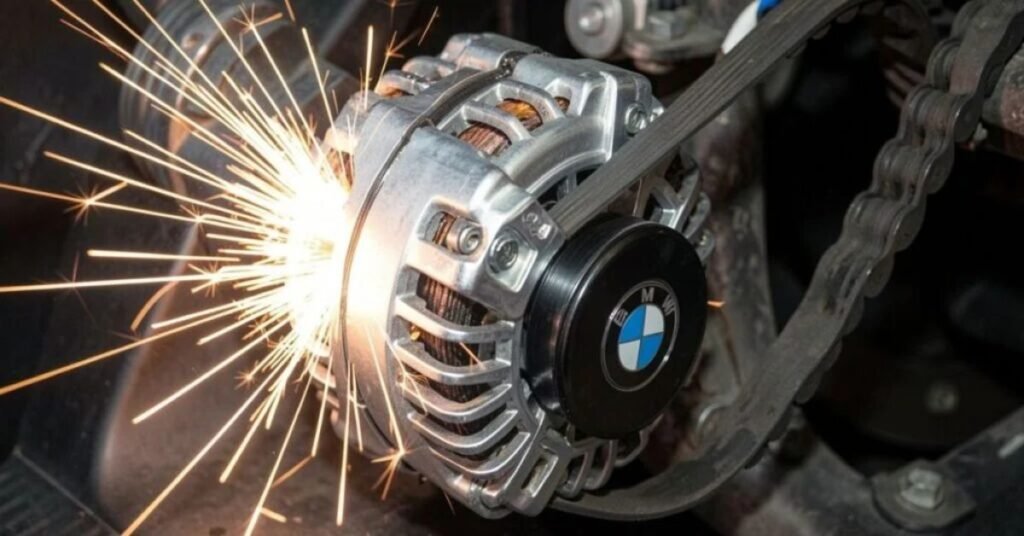
For common BMW 3 Series models, US replacement estimates can range from $530 to $910, including parts and labor. Some older N20 and N52 engine repairs may cost around $900 to $1,300 at professional workshops. Larger models, such as the X5 with a V8 engine, can cost more because of expensive parts and difficult installation.
The alternator type also affects the final bill. A remanufactured unit usually costs less than a new genuine BMW part. Some newer mild-hybrid BMW models use a 48-volt starter-generator instead of a conventional alternator. This system can have higher replacement costs. Always check the VIN and original part number before ordering. These are US price examples, not fixed prices for Pakistan.
BMW Alternator Types
BMW uses different alternator types depending on the model, engine, and production year. Most older and conventional petrol and diesel models use standard belt-driven alternators. These units convert engine rotation into electrical power and recharge the 12-volt battery. Many BMW models use alternators with internal voltage regulators. Their output ratings vary according to electrical equipment and engine requirements. For example, a 320i may use a different alternator from a 530i or X5.
Newer BMW models often use intelligent alternators with electronically controlled charging. These systems communicate with the engine management system and battery sensor. They adjust charging output according to battery condition and driving demands. BMW’s EfficientDynamics technology uses this approach to manage energy more effectively. Some models also use regenerative charging during deceleration. This helps recover energy that would otherwise be lost during braking and slowing down.
BMW has also introduced 48-volt mild-hybrid systems in several newer models. These systems use a belt-driven starter-generator or an integrated starter-generator instead of relying only on a conventional alternator arrangement. For example, some G20 3 Series and G30 5 Series variants use 48-volt technology. These units support engine starting, energy recovery, and electrical assistance. They are different from traditional alternators and require model-specific diagnosis and replacement procedures.
BMW Alternator vs. Battery
The BMW alternator and battery have different roles in the electrical system. The alternator produces electricity while the engine runs. It powers the headlights, dashboard, climate control, and other electrical components. It also recharges the battery during driving. The battery stores electrical energy and supplies power to start the engine. Both components work together to keep the vehicle running properly.
A problem with either component can cause starting and electrical issues. However, their functions and failure symptoms are different. Here are the main differences:
- Alternator: Generates electricity and maintains battery charging.
- Battery: Stores electricity and supplies power during engine startup.
- Alternator failure: Can cause charging warnings, dim headlights, and battery discharge while driving.
- Battery failure: Can cause slow engine cranking, clicking sounds, and difficulty starting.
- Alternator testing: Requires checking charging voltage and electrical output.
- Battery testing: Requires checking voltage, health, and starting capacity.
Modern BMW models also use an Intelligent Battery Sensor (IBS) to monitor battery condition. Many require battery registration after replacement. This helps the vehicle’s energy management system adjust its charging strategy correctly.
BMW Alternator Lifespan
A BMW alternator usually lasts between 7 and 10 years under normal driving conditions. Its actual lifespan depends on mileage, engine temperature, driving habits, and electrical load. Some BMW alternators can work beyond 150,000 miles with proper maintenance. However, frequent short trips and heavy electrical use can increase wear. Models with larger engines may also use alternators with different output ratings and designs.
Several factors can shorten alternator life. High engine temperatures can damage internal windings and voltage regulators. Worn drive belts and faulty pulleys can place extra stress on the alternator. Frequent battery problems can also increase charging system strain. In older BMW models, worn bearings and damaged rectifier diodes are common reasons for alternator failure. Modern models may also experience electronic charging faults.
Regular inspection can help extend alternator life. Check the drive belt for cracks and unusual noise. Keep battery terminals and electrical connections clean. Test the charging system when warning lights appear. Also, replace a weak battery before it creates additional charging problems. These steps can reduce unexpected failures and help maintain reliable electrical performance.
BMW Alternator Compatibility
BMW alternator compatibility depends on the vehicle’s model, engine, and production year. Different engines require specific alternator designs and power outputs. For example, the E90 330i with the N52 engine uses a different alternator setup from the F30 328i with the N20 engine. Some versions also have different amperage ratings. Therefore, an alternator from one BMW model may not fit another, even if both vehicles belong to the same series.
The original part number is the most reliable way to identify a compatible alternator. BMW uses different suppliers and alternator specifications across its model range. Bosch and Valeo are two common alternator manufacturers found in BMW applications. You should also check the mounting points, pulley design, electrical connector, and charging output. Newer BMW models may require an alternator that supports intelligent charging and electronic communication with the vehicle.
Before purchasing a replacement, check your BMW’s VIN and engine code. Compare the original alternator number with the replacement part. Also, confirm the required amperage and connector type. These checks help prevent installation problems and charging faults. A correctly matched alternator supports stable electrical performance and protects the vehicle’s battery.
Conclusion
A BMW alternator plays an important role in the vehicle’s electrical system. It powers electrical components and keeps the battery charged while driving. Problems with the alternator can cause warning lights, dim headlights, and starting difficulties. Regular inspections and proper testing can help identify these issues early. Understanding its components, lifespan, and common faults makes maintenance easier.
Choosing the correct replacement alternator is also important. Always check the BMW model, engine code, and original part number before buying one. Repair minor faults when possible, but replace the unit when internal damage is serious. Proper maintenance helps protect the battery and other electrical components. It also keeps your BMW’s charging system reliable.
FAQs
1. How long does a BMW alternator last?
A BMW alternator usually lasts 7–10 years. Its lifespan depends on mileage, heat, driving conditions, and maintenance.
2. What are the common signs of a failing BMW alternator?
Common signs include dim headlights, battery warning lights, slow electrical systems, and difficulty starting the engine.
3. How much does BMW alternator replacement cost?
Replacement costs depend on the model, engine, and parts used. Genuine BMW alternators usually cost more than aftermarket units.
4. Can a BMW run with a faulty alternator?
A BMW may run temporarily using battery power. However, the battery will eventually drain, and the engine may stop.
5. Does a BMW need battery registration after alternator replacement?
Battery registration is not normally required after alternator replacement. However, some models may need diagnostic checks or charging system adaptations.
Related Posts
BMW 5 Series: Performance and Luxury Guide-part 1
The BMW 5 Series is a luxury executive car known…
BMW XB7 Alpina Specs, Features, Price, and Performance
The BMW XB7 Alpina is a high-performance luxury SUV based…
BMW Smart Key: Complete Guide to Features and Functions
A BMW Smart Key is an advanced key that lets…
One Reply to “BMW Alternator: Complete Guide to Function and Performance”