
The BMW 5 Series is a luxury executive car known for its balance of comfort, performance, and technology. It sits between the BMW 3 Series and 7 Series. It is available with petrol, diesel, hybrid, and electric powertrains, depending on the model and market.
The 5 Series is more than a comfortable daily car. It can feel smooth and relaxed on long trips, yet powerful when you want a more exciting drive. Its premium cabin, advanced features, and strong engines make it popular with business drivers and car enthusiasts alike.
This guide covers the main BMW 5 Series models, engines, performance, design, interior, technology, and key features. It also looks at pricing, ownership, and what makes different versions unique. The goal is to give you a clear picture of the 5 Series before choosing a model.
2026 BMW 5 Series
The 2026 BMW 5 Series is a luxury sedan with a modern design and advanced technology. It offers a comfortable cabin with high-quality materials. The long body gives passengers more space, while the large trunk adds useful storage for daily use. Depending on the market, buyers can choose from petrol, plug-in hybrid, and fully electric versions.
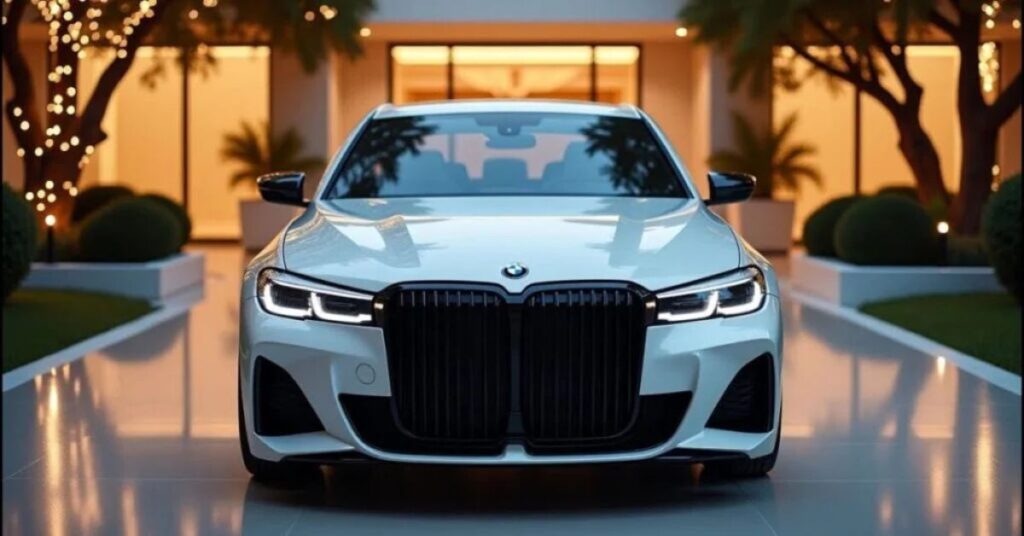
Performance remains an important part of the 5 Series. The available engines provide smooth power and quick acceleration. The electric i5 models offer instant torque and quiet driving. Higher-performance versions add stronger power and sharper handling. The suspension is designed to balance comfort with confident road control.
Inside, the 2026 5 Series focuses on technology and convenience. The curved display combines the digital instrument panel with the central infotainment screen. BMW’s latest software provides navigation, media, vehicle settings, and connected features. Driver-assistance systems are also available to support safer and more relaxed driving.
BMW B58
The BMW B58 is a 3.0-liter turbocharged inline-six petrol engine. BMW introduced it in 2015. It uses a single twin-scroll turbocharger and direct fuel injection. The engine is known for smooth power delivery and strong low-end torque. It has been used in several BMW models, including versions of the 5 Series.
In the BMW 5 Series, the B58 offers a good mix of performance and everyday comfort. Power output varies by model and model year. In recent applications, the engine can produce around 375 hp. It also works with BMW’s xDrive all-wheel-drive system in some versions. The quick response makes it suitable for both city driving and highway trips.
The B58 is also popular because of its broad tuning potential. Its inline-six layout gives the engine a smooth and refined character. Regular maintenance is still important, especially for the cooling system, oil system, and turbocharger. For buyers looking at a 5 Series with a B58 engine, service history is worth checking carefully.
Available next action: Create a downloadable DOCX file here in this chat containing the editable prose above
BMW 5 Series Wheels
The BMW 5 Series offers different wheel designs based on the model and trim. Common sizes include 18-inch, 19-inch, and 20-inch wheels. Some versions use larger wheels for a sportier look. BMW also offers different spoke patterns and finishes to match the car’s exterior design.
Wheel size can affect the driving feel. Smaller wheels usually provide more tire sidewall and a softer ride. Larger wheels can make the car feel more responsive and give it a stronger road presence. However, larger wheels may also produce a firmer ride on rough roads.
Tire choice is also important for the 5 Series. Performance versions often use wider tires for better grip. Some models may have different tire sizes at the front and rear. When replacing tires, owners should use the correct size and load rating for their specific 5 Series model.
BMW 518
The BMW 518 is an entry-level version of the 5 Series nameplate. It has appeared in different generations and markets over the years. Older 518 models were mainly designed to offer the comfort and quality of the 5 Series at a lower price. Engine specifications changed between generations.
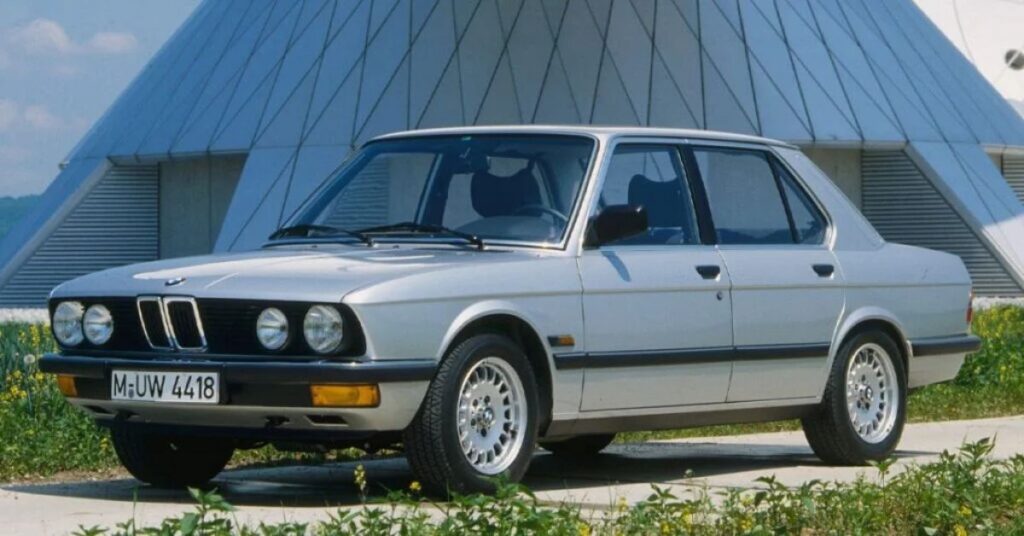
The BMW 518 has used different four-cylinder engines depending on the production period. Earlier versions were offered with naturally aspirated petrol engines. Later models used more modern four-cylinder petrol or diesel engines. Power was generally lower than the six-cylinder versions, but the 518 focused more on smooth everyday driving and fuel efficiency.
Inside, the 518 keeps the practical layout and comfortable character expected from a 5 Series. Equipment varies by generation and trim level. Used examples can be attractive because they combine the larger 5 Series body with a smaller engine. Buyers should check the service history, engine condition, transmission, and suspension before purchasing an older 518.
Available next action: Create a downloadable DOCX file here in this chat containing the editable prose above
BMW M10
The BMW M10 is a classic four-cylinder petrol engine developed by BMW in the early 1960s. It was originally known as the M115 before BMW adopted the M10 designation. The engine was produced for several decades and became one of BMW’s most widely used four-cylinder engines. It appeared in several BMW models, including early versions of the 5 Series.
In the early BMW 5 Series, the M10 was used in models such as the BMW 518. It was valued for its simple design and smooth power delivery. Depending on the version, the engine used different displacements and carburetor or fuel-injection systems. Power was modest by modern standards, but it suited the character of early 5 Series cars.
The M10 is also known for its strong construction and straightforward mechanical layout. This makes it interesting to classic BMW owners and enthusiasts. A well-maintained M10 can provide reliable everyday performance for an older car. However, buyers of a classic 518 should check for rust, oil leaks, cooling-system issues, and previous engine repairs.
BMW 520i
The BMW 520i is one of the long-running versions of the 5 Series. It has been offered across several generations. Engine specifications have changed over time. Older 520i models used naturally aspirated petrol engines. Newer versions moved to turbocharged four-cylinder engines with stronger performance and better efficiency.
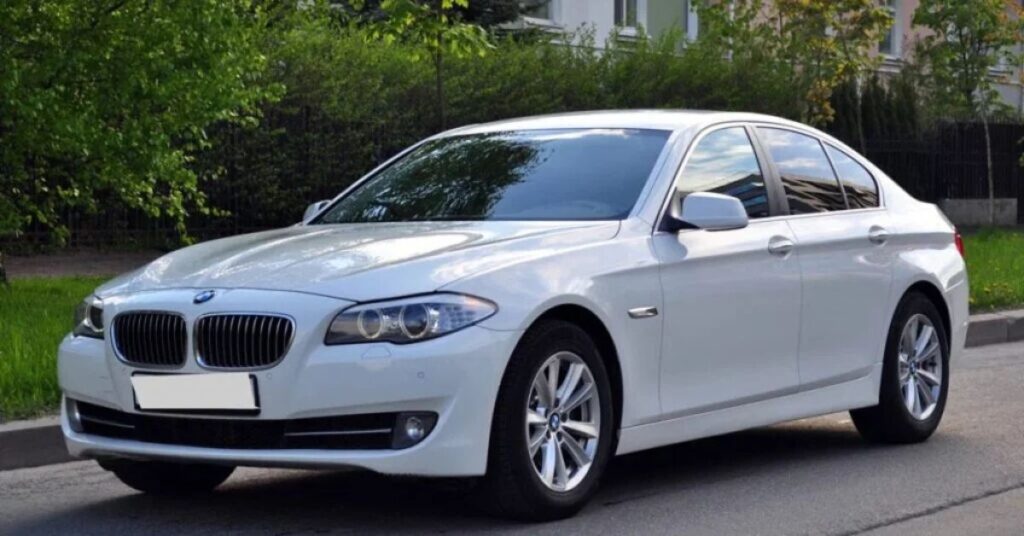
The 520i focuses on a balance between comfort and everyday performance. Recent versions use a 2.0-liter turbocharged four-cylinder engine in many markets. Power output depends on the generation and market. The engine works with an automatic transmission in newer models. Some versions are also available with xDrive all-wheel drive.
Inside, the 520i offers the features expected from a modern executive sedan. Depending on the generation, equipment can include digital displays, navigation, premium audio, and advanced driver-assistance systems. The cabin provides good space for passengers and a comfortable driving position. It is a practical choice for drivers who want the 5 Series experience without moving to a larger six-cylinder engine.
BMW M20
The BMW M20 is a classic six-cylinder petrol engine from BMW. It was introduced in the 1970s and used for many years. The engine came in different displacements, including 2.0-liter, 2.3-liter, 2.5-liter, and 2.7-liter versions. It became an important engine in BMW’s lineup.
The M20 was used in several BMW 5 Series models, including the E28 520i. It offered smoother and stronger performance than the four-cylinder engines used in smaller 5 Series versions. Depending on the version, the engine used fuel injection and produced different power outputs. Its inline-six layout gave it a smooth and distinctive character.
The M20 is also popular with classic BMW enthusiasts. Its mechanical design is relatively simple compared with newer BMW engines. However, age-related maintenance is important. Buyers should check the timing belt, cooling system, oil leaks, and cylinder-head condition before buying an older 5 Series with an M20 engine.
Available next action: Create a downloadable DOCX file here in this chat containing the editable prose above
BMW 525i
The BMW 525i is a well-known six-cylinder version of the 5 Series. It has been offered in several generations, including the E28, E34, E39, and E60. Engine specifications changed over the years. Most versions used naturally aspirated inline-six petrol engines, although the exact engine varied by generation and market.
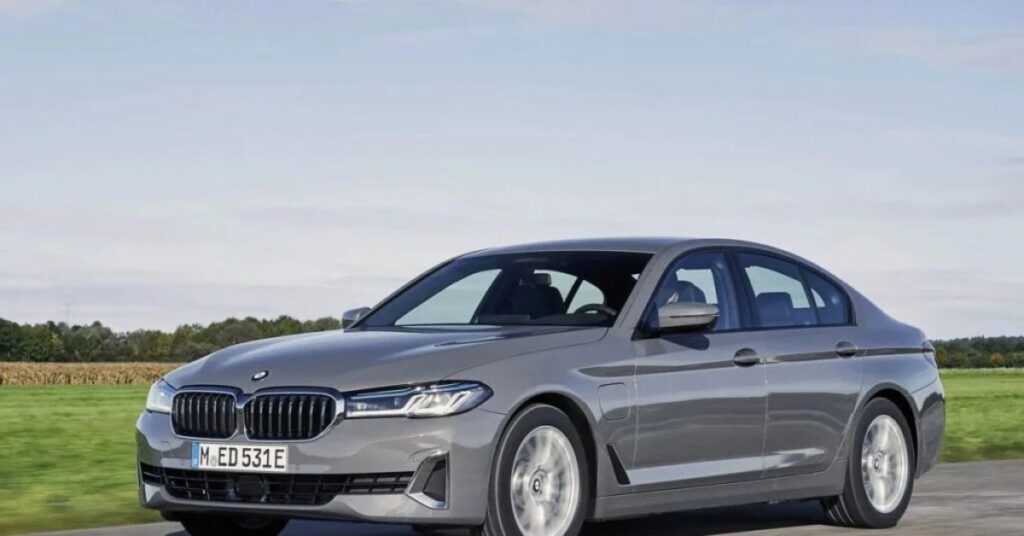
The 525i is known for its smooth power delivery and balanced driving feel. For example, the E39 525i used BMW’s 2.5-liter M54 inline-six engine. It produced around 189 hp in many markets. The engine was paired with a manual or automatic transmission, depending on the market and model year.
The cabin of the 525i combines comfort with a driver-focused layout. Equipment depends on the generation and trim level. Used 525i models can offer a classic BMW driving experience at a lower price than newer 5 Series cars. Buyers should check the cooling system, suspension, oil leaks, and service history before purchasing an older example.
BMW M20
The BMW M20 is a classic inline-six petrol engine. BMW introduced it in the 1970s. It was produced in several sizes, including 2.0-liter, 2.3-liter, 2.5-liter, and 2.7-liter versions. The M20 became an important engine for BMW during the 1970s and 1980s.
The M20 was used in several 5 Series models, including the E28 520i and 525e in certain markets. It offered smooth power and a distinct six-cylinder sound. Fuel-injected versions improved throttle response and everyday driving. The engine was also paired with both manual and automatic transmissions.
Today, the M20 is popular among classic BMW enthusiasts. Its mechanical design is relatively simple. This can make repairs easier than on many newer engines. However, the timing belt needs regular attention. Buyers should also check the cooling system, oil leaks, cylinder head, and overall service history before buying an older BMW with an M20 engine.
BMW 535i
The BMW 535i is a performance-focused version of the 5 Series. It has appeared in several generations, including the E28, E34, E39, E60, and F10. Engine choices changed over time. Depending on the generation, the 535i used naturally aspirated or turbocharged six-cylinder petrol engines.
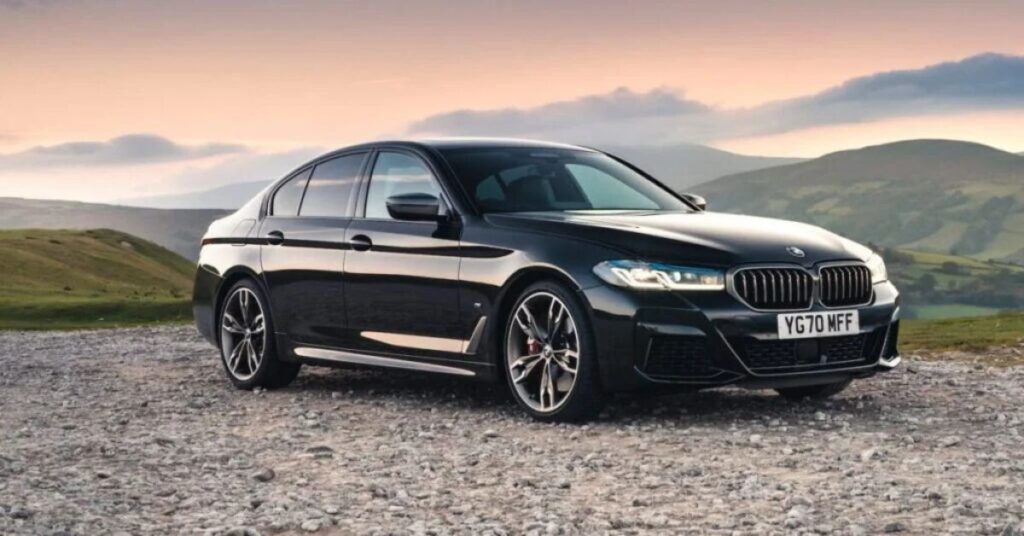
The F10 535i is a well-known example. It uses BMW’s 3.0-liter N55 turbocharged inline-six engine. It produces around 300 hp and 300 lb-ft of torque in many markets. Power is sent through an automatic transmission in most versions. Some markets also offered xDrive all-wheel drive.
The 535i combines strong performance with everyday comfort. Its cabin offers good space and premium materials. Features vary by model year and trim. Used 535i models can deliver quick acceleration and a smooth ride. Buyers should check the turbocharger, cooling system, oil leaks, transmission, and service history before purchasing a used example.
BMW M30
The BMW M30 is a classic inline-six petrol engine. It was introduced in the 1960s and remained in production for several decades. BMW offered it in different displacements. These included 2.5-liter, 2.8-liter, 3.0-liter, and larger versions. The engine became known for its strong construction and smooth power delivery.
The M30 powered several BMW 5 Series models. It was used in selected versions of the E12 and E28 generations. The engine provided more torque and power than BMW’s smaller four-cylinder units. Some versions used fuel injection, while older models used carburetors. Manual and automatic transmissions were available depending on the model.
The M30 has a strong following among classic BMW owners. Its straightforward mechanical design makes it easier to understand than many modern engines. However, age-related problems can still occur. A classic BMW with an M30 should be checked for cooling-system issues, oil leaks, worn seals, and rust before purchase.
BMW N55
The BMW N55 is a 3.0-liter turbocharged inline-six petrol engine. BMW introduced it in 2009. It uses a single twin-scroll turbocharger, direct fuel injection, and BMW’s Valvetronic system. The N55 replaced the older N54 in many BMW models.
The N55 was used in the BMW 535i and several other 5 Series models. In the F10 535i, it produced about 300 hp and 300 lb-ft of torque in many markets. It delivers smooth power and strong mid-range torque. The engine was paired with automatic or manual transmissions, depending on the market and model year.
The N55 offers a good mix of performance and daily usability. It has a smooth six-cylinder character and responds well to the accelerator. However, maintenance is important on older examples. Buyers should check the cooling system, oil leaks, electric water pump, charge pipe, and turbocharger condition before purchasing a used BMW with an N55 engine.
BMW 540i
The BMW 540i is a performance-oriented version of the 5 Series. It sits above the four-cylinder models and offers a more powerful six-cylinder engine. Over the years, BMW has used different engines in the 540i. Modern versions use a 3.0-liter turbocharged inline-six.
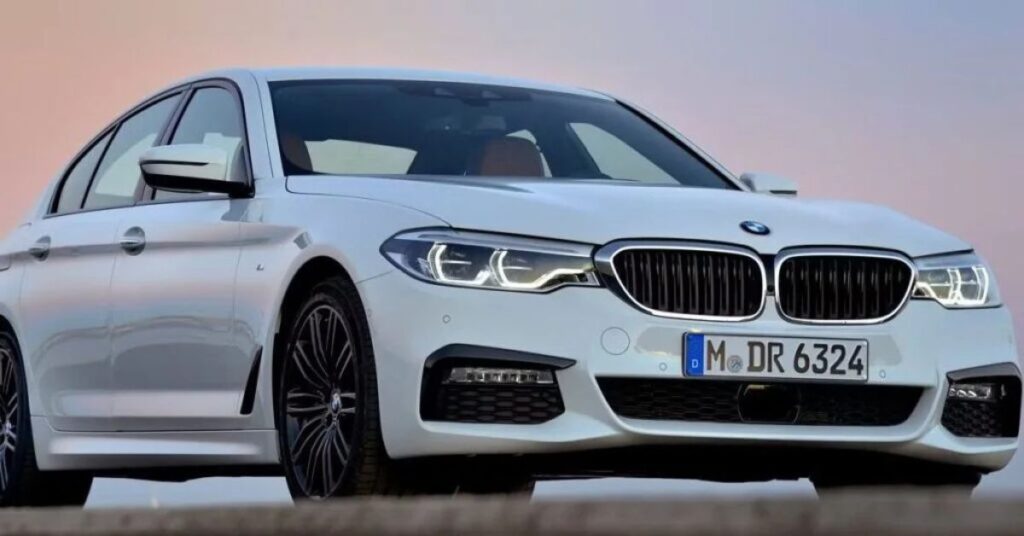
The latest 540i uses BMW’s B58 engine with mild-hybrid technology in recent markets. It delivers strong acceleration and smooth power. The engine is paired with an automatic transmission. xDrive all-wheel drive is also available in many markets. This setup gives the 540i a good balance between performance and everyday comfort.
Inside, the 540i offers a quiet and premium cabin. Modern versions include large digital displays and connected technology. The suspension is tuned for both comfort and confident handling. The 540i is a good fit for drivers who want strong performance without moving to a full M car.
Available next action: Create a downloadable DOCX file here in this chat containing the editable prose above
BMW M60
The BMW M60 is a V8 petrol engine from BMW. It was introduced in the early 1990s. It came in different sizes, including 3.0-liter and 4.0-liter versions. The M60 used four valves per cylinder and modern electronic engine management for its time.
The M60 was used in the BMW 5 Series E34, including the 530i and 540i. The 4.0-liter M60B40 produced about 282 hp in European-market applications. It gave the 5 Series strong acceleration and a smooth V8 character. A manual or automatic transmission was available depending on the model and market.
Today, the M60 is mainly found in older BMWs and classic enthusiast cars. Its V8 sound and simple mechanical design make it interesting to collectors. However, age-related maintenance is important. Buyers should check the cooling system, oil leaks, timing components, and the condition of the engine’s cylinder coatings before purchasing an M60-powered 5 Series.
BMW 528i
The BMW 528i is a six-cylinder or four-cylinder version of the 5 Series, depending on the generation. It has been offered across several generations, including the E28, E39, E60, and F10. Engine sizes and power outputs changed over time. This makes the 528i name different from one generation to another.
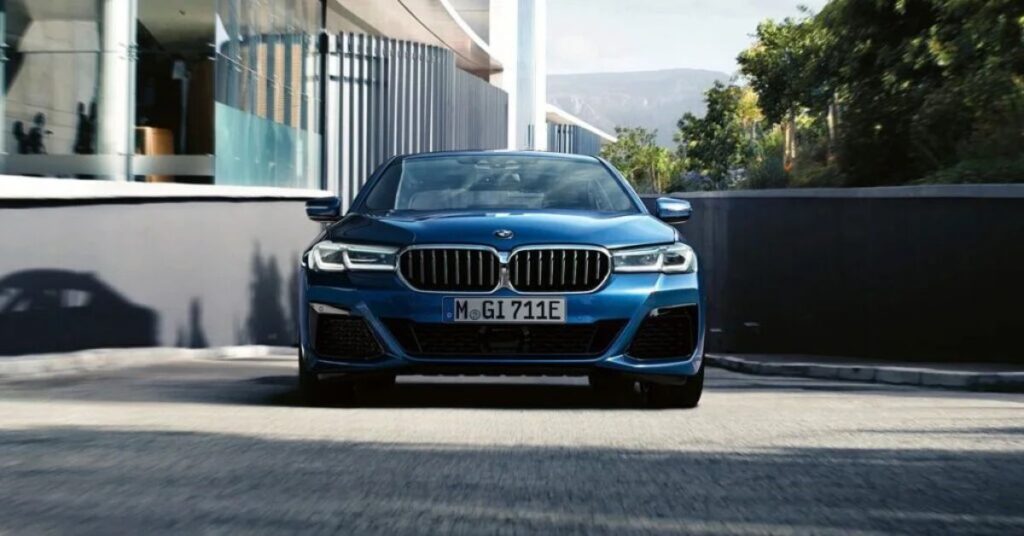
The E39 528i is a popular example. It uses BMW’s 2.8-liter M52 or M52TU inline-six engine, depending on the model year. It produces around 190 hp. The engine provides smooth power and good highway performance. Later 528i models moved to four-cylinder turbocharged engines in some markets.
The 528i offers a good mix of comfort and performance. It has a spacious cabin and a balanced driving feel. Equipment varies by generation and trim level. When buying a used 528i, check the cooling system, oil leaks, suspension, transmission, and service history. These checks are especially important on older examples.
BMW M52
The BMW M52 is a straight-six petrol engine. BMW introduced it in the 1990s. It was used in several 3 Series, 5 Series, and Z3 models. The engine became known for its smooth power delivery and strong reliability.
The M52 came in different versions and engine sizes. Common versions included the 2.0-liter M52B20, 2.5-liter M52B25, and 2.8-liter M52B28. Power varied by model and market. The 2.8-liter version produced up to about 193 hp in factory form.
The M52 offers a good mix of performance and everyday comfort. Its inline-six layout gives the engine a smooth feel. Older examples can still perform well when properly maintained. Cooling-system parts, oil leaks, and the timing system should be checked when buying a used M52-powered BMW.
BMW M5
The BMW M5 is a high-performance version of the 5 Series. It combines luxury with strong performance. The M5 has been offered with powerful engines across different generations. It is known for quick acceleration, sharp handling, and a comfortable cabin.
Different M5 generations use different engines. Older models used naturally aspirated V8 and V10 engines. Later versions moved to turbocharged V8 power. The latest M5 uses a plug-in hybrid system with a twin-turbocharged V8. It delivers very strong power while adding electric driving capability.
The M5 is also designed for daily use. It has a spacious interior and modern technology. Its suspension can balance comfort and sporty handling. Running costs can be high because of its powerful engine and advanced systems. Regular maintenance is important for long-term ownership.
BMW S62
The BMW S62 is a naturally aspirated V8 engine. It was developed for BMW M cars. The engine has a 4.9-liter displacement. It is best known for powering the E39 M5 from 1998 to 2003. It produced around 394 hp and 500 Nm of torque.
The S62 uses BMW’s Double-VANOS system. It also has individual throttle bodies for each cylinder. These features help deliver quick throttle response. The engine has a strong high-revving character. Power builds smoothly as the revs rise.
The S62 is respected for its strong performance and distinctive V8 sound. However, older engines need careful maintenance. Common checks include the cooling system, VANOS components, timing-chain guides, and rod bearings. A well-maintained S62 can provide a rewarding driving experience for many years.
BMW 520d
The BMW 520d is a diesel version of the 5 Series. It is designed for comfortable daily driving and long trips. The model has used four-cylinder diesel engines across different generations. It offers a good balance between fuel economy and performance.
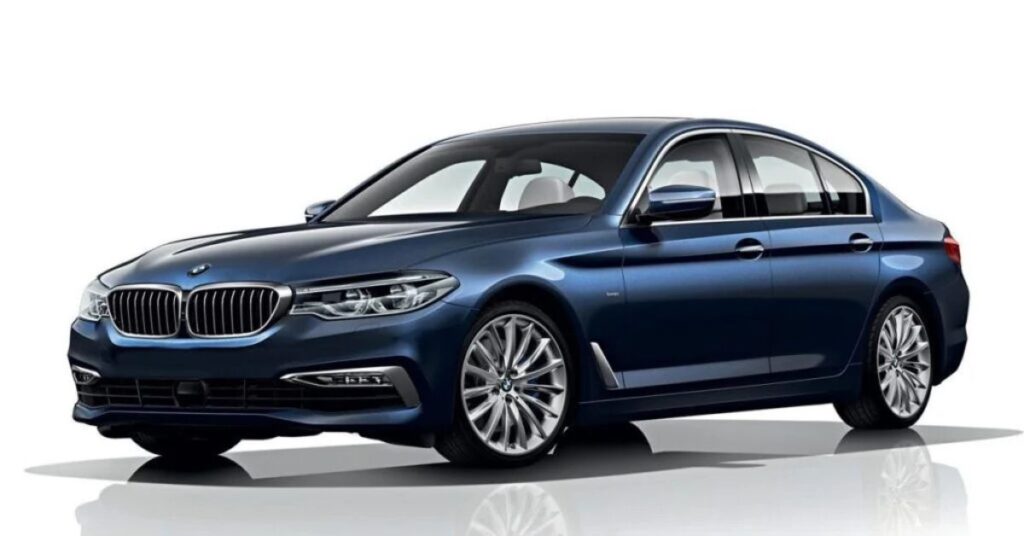
The 520d has been available with several engine generations. Modern versions commonly use BMW’s 2.0-liter four-cylinder turbo-diesel engine. Power has changed over time, depending on the generation and market. Recent versions also use mild-hybrid technology to improve efficiency and smoothness.
The BMW 520d is well suited to highway driving. It provides strong low-end torque for easy overtaking. The cabin offers a quiet and comfortable environment. Before buying a used model, check its diesel system, turbocharger condition, and service history.
BMW N52
The BMW N52 is a naturally aspirated inline-six petrol engine. BMW introduced it in the mid-2000s. BMW used the engine in several 3 Series, 5 Series, Z4, and X3 models. It delivers smooth power and provides a responsive throttle.
The N52 was offered in different versions and engine sizes. Common versions included 2.5-liter and 3.0-liter engines. The 3.0-liter N52 produced up to around 268 hp in some applications. It also uses Valvetronic and Double-VANOS technology to improve engine response and efficiency.
The N52 can provide a smooth driving experience when properly maintained. It has a simpler character than many later turbocharged BMW engines. Common maintenance areas include the electric water pump, thermostat, valve cover gasket, and oil filter housing gasket. A complete service history is important when buying an older N52-powered BMW.
BMW 525d
The BMW 525d is a diesel model from the 5 Series range. It has been offered in several generations. Older versions used six-cylinder diesel engines, while later models also used four-cylinder units. The 525d focuses on strong torque, comfortable driving, and good highway efficiency.
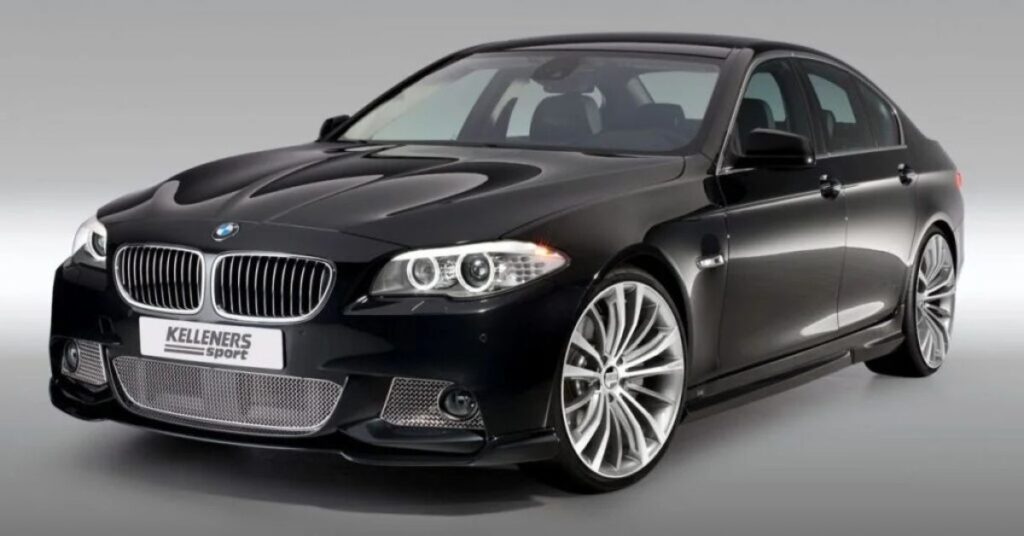
Engine specifications changed with each generation. Earlier 525d models used engines such as the 2.5-liter M57 and later 3.0-liter versions. Later generations moved to a 2.0-liter twin-turbo diesel in some markets. Power also varied by year and drivetrain, depending on the specific model.
The 525d is well suited to long-distance driving. Its diesel engine provides strong pulling power at low engine speeds. The cabin adds comfort for daily use and road trips. When buying a used model, check the turbocharger, diesel particulate filter, EGR system, and service history.
BMW N54
The BMW N54 is a twin-turbocharged inline-six petrol engine. BMW introduced it in the mid-2000s. It has a 3.0-liter displacement. The N54 powered models such as the 335i, 535i, and Z4 35i. It became known for strong performance and tuning potential.
The N54 uses two small turbochargers. This setup helps deliver quick power across the rev range. Factory output varied by model and market. The 335i, for example, produced around 300 hp and 400 Nm of torque in many applications. The engine also uses direct fuel injection and Double-VANOS.
The N54 can deliver impressive acceleration and smooth power. However, maintenance is important on older examples. Common areas to inspect include the high-pressure fuel pump, fuel injectors, turbochargers, electric water pump, and cooling system. A good service history can make a major difference when buying an N54-powered BMW.
BMW 530d
The BMW 530d is a diesel model in the 5 Series range. It is known for strong torque and relaxed highway performance. Many generations use a 3.0-liter inline-six diesel engine. The model combines useful performance with good fuel economy for its size.
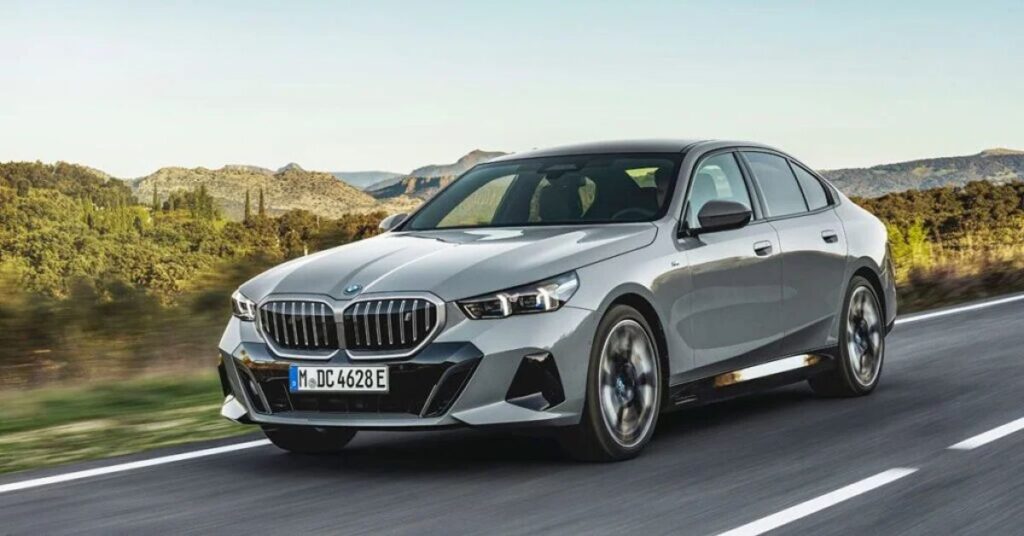
Engine output depends on the generation and market. Earlier versions used BMW M57 engines. Later models moved to the N57 and B57 diesel families. Power increased over time, with newer versions offering around 286 hp and 650 Nm in some applications. xDrive all-wheel drive is also available on selected models.
The 530d works well for long journeys and daily driving. Its strong torque makes overtaking easy. The 5 Series cabin also provides a quiet and comfortable environment. Used models should be checked for the turbocharger, DPF, EGR system, and timing components
BMW N62
The BMW N62 is a naturally aspirated V8 petrol engine. BMW introduced it in the early 2000s. It was offered in several 5 Series, 6 Series, 7 Series, and X5 models. The engine came in different sizes, including 3.6-liter and 4.4-liter versions.
The N62 uses Valvetronic and Double-VANOS technology. These systems help control airflow and valve timing. The 4.4-liter N62B44 produced around 329 hp in some applications. It delivers smooth power and a strong V8 character. Its naturally aspirated design also gives a linear response.
Maintenance is important with an older N62 engine. Common areas include valve stem seals, coolant transfer pipes, valve cover gaskets, and alternator bracket seals. Oil leaks can also appear with age. A detailed inspection and service history are important when buying a used BMW with the N62.
BMW 535d
The BMW 535d is a high-performance diesel version of the 5 Series. It combines strong power with good long-distance efficiency. Different generations used powerful six-cylinder diesel engines. The model is known for high torque and quick acceleration.
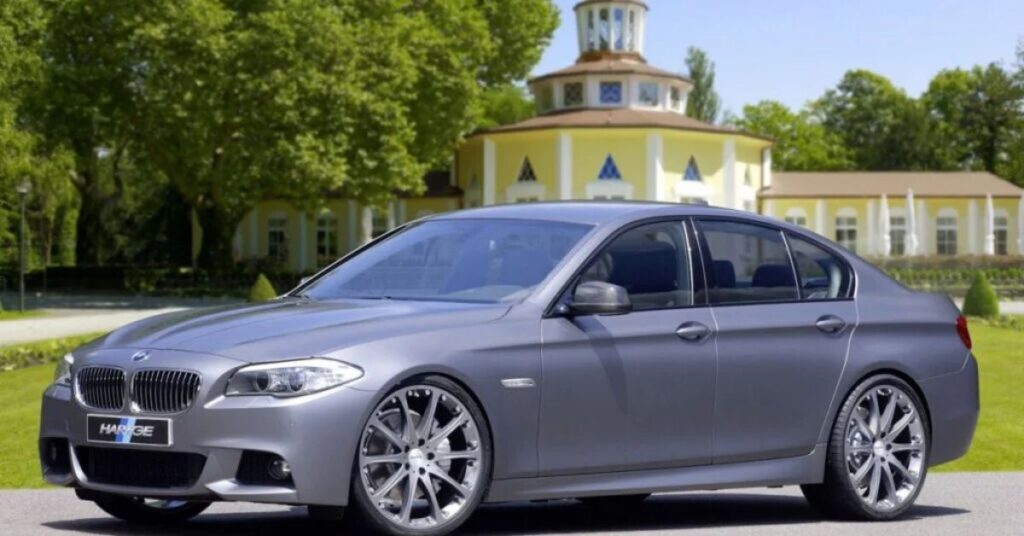
The 535d used BMW’s 3.0-liter inline-six diesel engines in many markets. Earlier versions used the M57 engine with two turbochargers. Later models used the N57 twin-turbo diesel engine. Depending on the generation, output reached around 313 hp, with torque of up to 630 Nm in some versions.
The 535d is comfortable for daily driving and highway trips. Its strong torque makes overtaking easy. The automatic transmission also works well with the diesel engine. When buying a used model, check the turbochargers, DPF, EGR system, cooling system, and service history.
BMW M40
The BMW M40 is a four-cylinder petrol engine family. BMW used it mainly during the late 1980s and early 1990s. It was available in 1.6-liter and 1.8-liter versions. The engine appeared in models such as the E30 3 Series and E36 3 Series.
The M40 uses a single overhead camshaft and eight valves. The 1.6-liter M40B16 produced around 100 hp. The 1.8-liter M40B18 produced about 113 hp in many applications. It focuses more on simple operation and everyday driving than high performance.
The M40 is now mainly found in older classic BMWs. Age-related maintenance is important with these engines. The timing belt should be replaced at the correct interval. Buyers should also check for oil leaks, cooling-system issues, and general engine wear before purchasing
BMW 550i
The BMW 550i is a V8-powered version of the 5 Series. It offers more power than the regular 5 Series models. BMW used the 550i name across several generations. It combines strong acceleration with a comfortable and refined cabin.
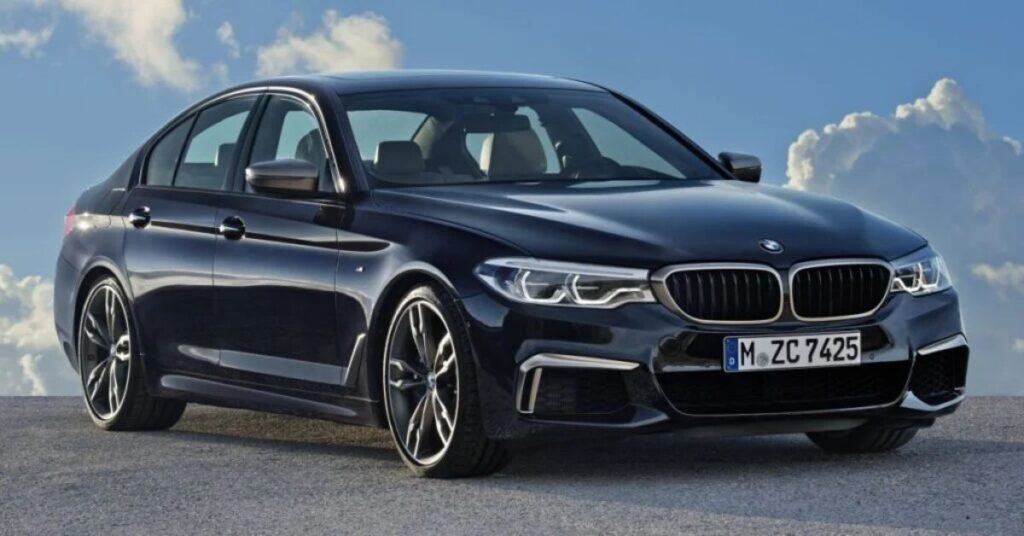
Different generations used different V8 engines. The E60 550i used the 4.8-liter N62 V8. Later models used the 4.4-liter twin-turbo N63 V8. Depending on the generation, power ranged from about 360 hp to more than 400 hp. Some versions were also available with xDrive all-wheel drive.
The 550i suits drivers who want strong performance without choosing the M5. It can handle daily driving and long trips with ease. However, V8 maintenance can be expensive on older models. Buyers should check the cooling system, oil leaks, turbochargers, and service history carefully.
BMW 530e
The BMW 530e is a plug-in hybrid version of the 5 Series. It combines a petrol engine with an electric motor. The system is designed for smooth driving and lower fuel use. It is also suitable for daily trips and longer journeys.
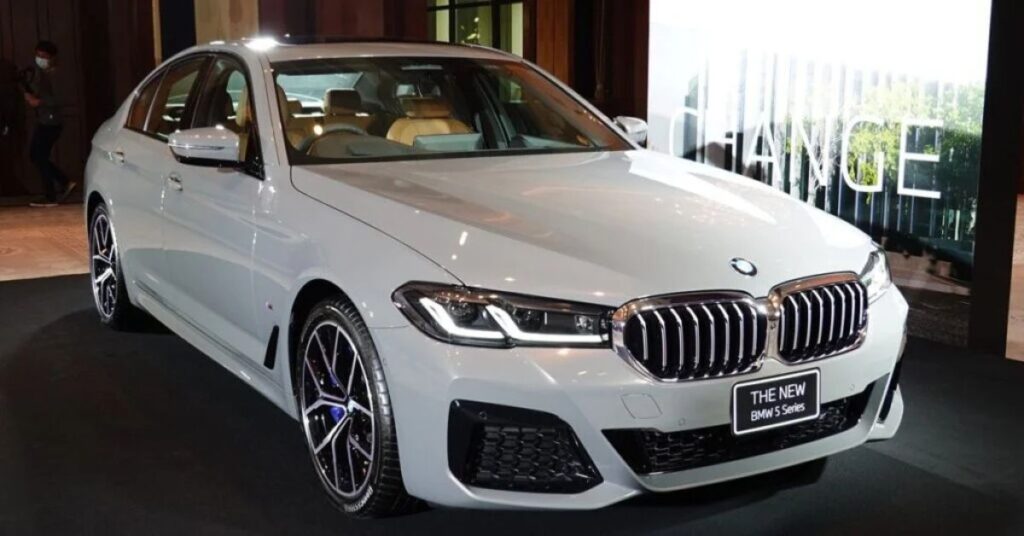
The 530e has used different powertrains across its generations. Modern versions pair a 2.0-liter turbocharged four-cylinder petrol engine with an electric motor. Depending on the model year and market, total system output can reach around 299 hp. The battery can be charged at home or at public charging stations.
The 530e can drive on electric power for short trips when the battery has enough charge. It can then use the petrol engine for longer journeys. The cabin offers the comfort and technology expected from the 5 Series. Regular servicing should include both the petrol engine and the hybrid system.
BMW B48
The BMW B48 is a turbocharged four-cylinder petrol engine. It belongs to BMW’s modular engine family. The engine has a 2.0-liter displacement. BMW uses the B48 in many models, including the 3 Series, 5 Series, X1, X3, and Z4.
The B48 comes in different power versions. Output depends on the model and market. It uses direct fuel injection, TwinPower Turbo technology, and variable valve timing. Some versions also work with plug-in hybrid systems. The engine provides smooth power and strong low-end torque.
The B48 is designed for a balance of performance and efficiency. It can deliver good acceleration without the size of a six-cylinder engine. Regular oil and cooling-system maintenance is important. Buyers of used models should also check for oil leaks, cooling issues, and a complete service history.
Conclusion
BMW has used many different engines across its 5 Series range. Engines such as the M52, N52, N54, N62, N63, B48, and S62 offer different levels of power and efficiency. The 520d, 525d, 530d, 535d, 530e, and 550i also suit different driving needs.
Each engine has its own strengths and maintenance needs. Older engines can offer a simple driving experience but may need age-related repairs. Newer engines provide better technology and efficiency. Checking the engine condition and service history is important when choosing a used BMW 5 Series.
FAQs
1. Which engine is used in the BMW 520d?
The BMW 520d mainly uses a 2.0-liter four-cylinder turbo-diesel engine. Engine versions vary by generation.
2. What engine does the BMW 530d use?
The BMW 530d commonly uses a 3.0-liter six-cylinder turbo-diesel engine. It is known for strong torque and smooth performance.
3. Is the BMW 530e a hybrid?
Yes. The BMW 530e is a plug-in hybrid. It combines a petrol engine with an electric motor.
4. What is the BMW N63 engine?
The BMW N63 is a 4.4-liter twin-turbocharged V8 petrol engine. It has powered several BMW models, including the 550i.
5. Which BMW engines need careful maintenance?
Older engines such as the N62 and early N63 need careful inspection. Cooling, oil leaks, turbochargers, and service history should be checked.
Related Posts
BMW 1 Series Variants: Complete Model Guide
The BMW 1 Series is a premium compact car offered…
BMW 2 Series Generations: A Complete Model Guide
The BMW 2 Series is a compact car range that…
BMW M1: History, Specs, Price, and Why It’s Still Legendary
BMW M1: History, Specs, Price, and Why It's Still Legendary …