
The most reliable BMW models are cars that offer dependable performance, strong engines, and fewer major mechanical problems. BMW makes many vehicles that combine luxury, comfort, and driving pleasure. However, reliability can vary by model, engine, and production year. Regular maintenance and proper care also play an important role in a BMW’s long-term performance.
Buying a BMW can be exciting, but choosing the right model is important. With proper maintenance, some BMWs can run for many years. Others may need expensive repairs as they age. The good news is that you can find reliable options for daily driving, family use, and sporty performance. Knowing which models have a strong reliability record can help you choose wisely.
This guide explores the most reliable BMW models and their key features. It covers popular choices from the 3 Series, 5 Series, and X Series lineups. You will also learn about engine reliability, maintenance costs, and important factors to consider before buying a new or used BMW. This information will help you choose a model that suits your needs and budget.
BMW 3 Series Reliability
The BMW 3 Series is one of BMW’s most popular sedans. Some generations have earned a strong reputation for reliability. The E90 328i with the naturally aspirated N52 engine is a notable example. This 3.0-liter inline-six engine delivers smooth power without a turbocharger. However, owners should check for oil leaks, water pump failure, and valve cover gasket problems. Regular maintenance helps prevent expensive repairs.
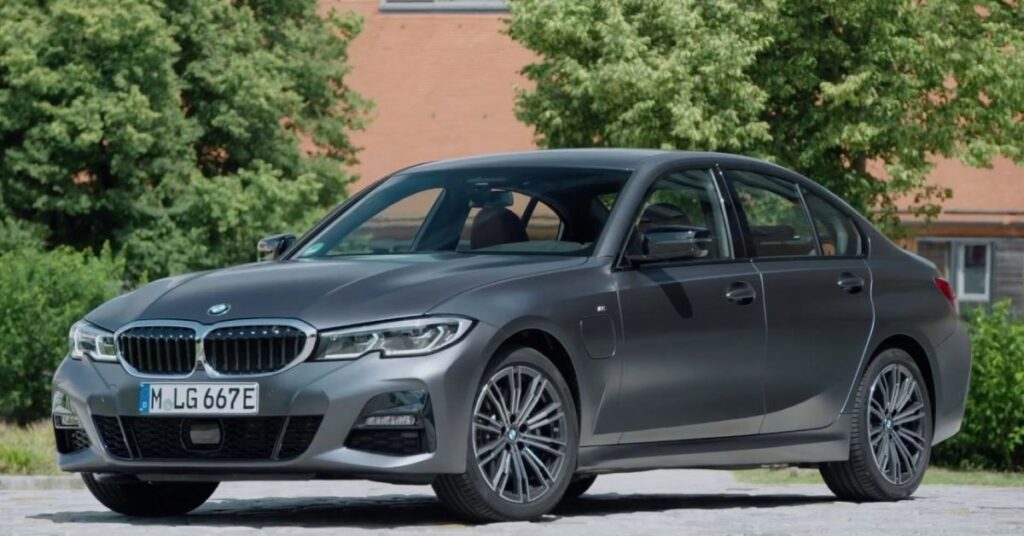
The newer BMW 330i with the B48 engine is another option worth considering. BMW introduced the B48 in the 3 Series during the F30 generation and continued using it in the G20 generation. This 2.0-liter turbocharged four-cylinder engine offers a good balance of power and fuel economy. It can provide dependable service when owners change the oil on time and maintain the cooling system. Buyers should also inspect coolant lines, oil leaks, and service records before purchasing a used model.
For drivers who want more power, the BMW 340i with the B58 engine is a strong choice. Its 3.0-liter turbocharged inline-six delivers impressive performance and has a generally favorable reliability reputation. However, repairs can still be costly, especially on neglected cars. When buying a used 3 Series, check the engine for leaks, review its maintenance history, and arrange a professional inspection. A well-maintained 328i, 330i, or 340i can offer years of enjoyable driving.
BMW 5 Series Reliability
The BMW 5 Series combines luxury, comfort, and strong engine performance. Some generations also offer good long-term reliability when owners follow the correct maintenance schedule. The E39 530i is a notable example. It uses the 3.0-liter M54 inline-six engine, which delivers smooth power and has a relatively simple design compared with newer turbocharged engines. However, owners should watch for cooling system failures, oil leaks, and worn suspension parts. Replacing aging cooling components can help prevent serious engine damage.

The newer BMW 530i with the B48 engine is another option for buyers who want modern technology and reasonable fuel economy. This 2.0-liter turbocharged engine provides useful power without the higher fuel consumption of larger engines. It appears in later G30 and G60 530i models, depending on the market and model year. Buyers should check for coolant leaks, oil seepage, and evidence of delayed servicing. A complete maintenance history is especially important when buying a used 5 Series.
For drivers who prefer six-cylinder performance, the BMW 540i with the B58 engine deserves attention. This 3.0-liter turbocharged inline-six offers strong acceleration and smooth highway driving. It also has a favorable reputation among modern BMW engines. However, repairs to its turbocharging and cooling systems can be expensive. Before buying one, inspect the engine for leaks, check the transmission operation, and review previous repair records. A well-maintained 5 Series can provide a rewarding ownership experience, but its age and condition matter more than the badge alone.
BMW X3 Reliability
The BMW X3 is a compact luxury SUV that offers comfort, practical space, and enjoyable handling. Some versions have a good reliability record when owners maintain them properly. The second-generation X3, known as the F25, is available with different engines depending on the market and model year. The xDrive28i with the N20 engine offers good fuel economy, but early versions can suffer from timing chain problems. Buyers should check whether the engine received the necessary repairs before purchasing a used model.

The BMW X3 xDrive30i with the B48 engine is worth considering for buyers who want a newer petrol SUV. This 2.0-liter turbocharged engine provides a useful balance of power and efficiency. It is found in later X3 models, including versions of the G01 generation. Owners should monitor coolant leaks, oil seepage, and cooling system performance. Regular oil changes and proper servicing can help reduce the risk of costly repairs.
Drivers who want stronger performance can consider the BMW X3 M40i with the B58 engine. Its 3.0-liter turbocharged inline-six delivers quick acceleration and smooth power. The engine has earned a favorable reputation, but the vehicle still requires careful maintenance. Buyers should inspect the cooling system, transmission, suspension, and xDrive components. They should also check for uneven tire wear and confirm that all four tires have compatible sizes and similar tread depths. A well-maintained X3 can be a dependable family SUV, but a complete service history is essential.
BMW X5 Reliability
The BMW X5 is a luxury SUV that combines strong performance with family-friendly space. Its reliability depends on the generation, engine, and maintenance history. The E70 X5 with the naturally aspirated N52 engine in some markets offers a simpler petrol engine design than turbocharged versions. However, owners should check the cooling system, oil leaks, and suspension components. The larger body and extra equipment can also increase repair costs as the vehicle ages.

The BMW X5 xDrive40i with the B58 engine is a strong option for buyers seeking modern performance. This 3.0-liter turbocharged inline-six provides smooth acceleration and good highway power. BMW introduced this version with the G05 generation for the 2019 model year in many markets. The B58 has a favorable reliability reputation, but the X5 still needs regular servicing. Buyers should inspect coolant lines, oil leaks, the automatic transmission, and the xDrive system before purchasing a used example.
The BMW X5 30d with a six-cylinder diesel engine can suit drivers who cover long distances. Its strong torque makes highway driving and towing easier, while fuel economy can be better than that of comparable petrol versions. However, diesel models may develop issues with the diesel particulate filter, exhaust gas recirculation system, or emissions equipment, especially after frequent short trips. Before buying, check the service records and scan the vehicle for fault codes. A well-maintained X5 can provide years of comfortable driving, but buyers should budget for higher maintenance costs than those of a smaller BMW.
Most Reliable BMW Models by Generation
BMW reliability can change significantly between generations, even when the model name stays the same. Engine design, cooling systems, electronics, and maintenance history all affect long-term performance. For example, the E90 328i with the N52 engine is worth considering for its naturally aspirated inline-six. The F30 and G20 330i models with the B48 engine offer newer technology and better fuel efficiency. The G30 540i with the B58 engine is another strong option for drivers who want six-cylinder performance.
Choosing a reliable BMW means looking beyond the model badge. Some older cars have simpler engines but need age-related repairs. Newer models offer improved efficiency and safety, but their advanced systems can cost more to fix. The table below highlights BMW generations and engine options worth researching before buying. Reliability can vary by market, production year, and service history, so inspect each car individually.
| BMW model | Generation | Engine option | Main advantage | Important checks |
| BMW 328i | E90 | N52 3.0L inline-six | Naturally aspirated engine with smooth power | Oil leaks, electric water pump, cooling system |
| BMW 330i | E90 | N52 3.0L inline-six | Strong six-cylinder performance | Valve cover gasket, oil filter housing gasket |
| BMW 330i | F30 | B48 2.0L turbocharged inline-four, on later versions | Modern performance and efficiency | Cooling system, oil leaks, service history |
| BMW 330i | G20 | B48 2.0L turbocharged inline-four | Updated technology and everyday usability | Coolant leaks, electronics, maintenance records |
| BMW 340i | F30 | B58 3.0L turbocharged inline-six | Strong power and favorable engine reputation | Cooling system, oil leaks, previous modifications |
| BMW 530i | G30 | B48 2.0L turbocharged inline-four | Comfortable driving with reasonable fuel use | Coolant lines, oil leaks, electronic systems |
| BMW 540i | G30 | B58 3.0L turbocharged inline-six | Smooth power for highway driving | Cooling system, transmission servicing, leaks |
| BMW X3 xDrive30i | G01 | B48 2.0L turbocharged inline-four | Practical SUV with balanced performance | Cooling system, xDrive, tire wear |
| BMW X3 M40i | G01 | B58 3.0L turbocharged inline-six | Strong acceleration and versatile design | Maintenance records, suspension, drivetrain |
| BMW X5 xDrive40i | G05 | B58 3.0L turbocharged inline-six | Powerful and comfortable family SUV | Cooling system, electronics, repair history |
| BMW 530i | E39 | M54 3.0L inline-six in the 530i | Smooth engine and classic driving feel | Cooling system, rust, suspension, oil leaks |
| BMW 528i | E39 | M52TU 2.8L inline-six in earlier versions | Smooth performance with a relatively straightforward design | Cooling system, oil leaks, age-related wear |
Buying tip: Prioritize a BMW with documented servicing over one with low mileage but an incomplete history. A pre-purchase inspection by a BMW specialist can reveal problems that a test drive may not show.
BMW 2 Series Reliability
The BMW 2 Series offers sporty handling in a compact package. Its reliability depends on the model year and engine choice. The F22 230i uses the B48 2.0-liter turbocharged four-cylinder engine in later production years. This engine provides a good balance of performance and fuel economy. Buyers should check for coolant leaks, oil seepage, and signs of poor maintenance. A complete service history can help identify problems before they become expensive repairs.
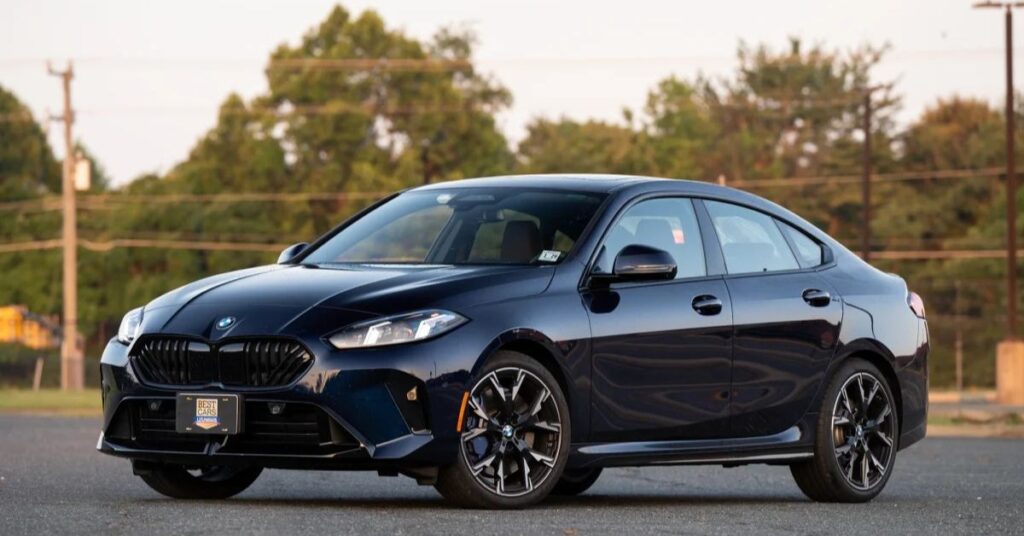
The BMW M240i with the B58 engine is another model worth considering. Its 3.0-liter turbocharged inline-six delivers strong acceleration and smooth power. The B58 has earned a favorable reputation among modern BMW engines. However, the M240i may have higher maintenance costs than a standard 230i. Buyers should inspect the cooling system, transmission, and suspension. They should also check whether the previous owner modified the engine or increased its boost pressure.
For buyers who prefer a newer compact BMW, the G42 230i offers modern safety features and updated technology. Its B48 engine provides responsive performance without the fuel demands of a larger six-cylinder engine. Regular oil changes and timely servicing are important for long-term reliability. Before purchasing a used 2 Series, check for warning lights, uneven tire wear, and smooth transmission operation. A well-maintained 230i or M240i can be a dependable choice, but its service history matters more than its age alone.
BMW Z4 Reliability
The BMW Z4 is a two-seat roadster built for sporty driving and open-air enjoyment. Its reliability depends on the generation, engine, and maintenance history. The second-generation E89 Z4 offers several engine options, including the naturally aspirated N52 in some sDrive30i models. This engine delivers smooth power, but age-related problems can develop. Check the electric water pump, valve cover gasket, and oil filter housing gasket. The retractable hardtop also needs inspection because repairs to its motors, seals, and hydraulic components can be expensive.

The third-generation G29 Z4 sDrive30i uses the B48 2.0-liter turbocharged four-cylinder engine. It provides responsive acceleration and good everyday usability. Buyers who want more power can consider the Z4 M40i, which uses the B58 3.0-liter turbocharged inline-six. Both engines have a favorable reputation, but regular servicing remains important. Inspect the cooling system, check for oil leaks, and review the vehicle’s service records. A professional inspection can also identify problems with the automatic transmission or electronic systems.
The Z4 has a few special maintenance needs because of its roadster design. Check the convertible roof for smooth operation, damaged seals, and signs of water entering the cabin. Inspect the tires, brakes, and suspension, especially if the car has been driven enthusiastically. Older models may also need repairs to rubber seals and aging electronic components. A well-maintained Z4 can offer enjoyable performance for years. Choosing a car with a documented service history is more important than simply selecting the newest or most powerful version.
BMW Engines With the Best Reliability Records
The BMW N52 engine is a strong option for buyers who prefer a naturally aspirated petrol engine. BMW introduced it in 2004, and it appeared in models such as the E90 328i and E60 530i. It uses an inline-six design and Valvetronic technology to control engine performance. The N52 avoids turbocharger-related repairs, but it can develop electric water pump failures, valve cover leaks, and oil filter housing gasket leaks. A well-maintained N52 can be a good choice for drivers who want smooth power and a less complex engine setup.
The BMW B48 engine is a modern 2.0-liter turbocharged four-cylinder petrol engine. BMW uses it in models such as the 330i, 530i, and X3 30i, depending on the generation and market. It offers a useful balance of power, fuel economy, and everyday comfort. The B48 has a generally positive reliability reputation, but owners should monitor coolant leaks and oil seepage. Timely oil changes and correct coolant maintenance can help protect the engine over time.
The BMW B58 engine is a 3.0-liter turbocharged inline-six introduced in 2015. It powers models such as the 340i, 540i, M240i, and X3 M40i. Its strong performance and smooth power delivery have made it a popular choice among BMW enthusiasts. The B58 also has a favorable reputation for durability when properly maintained. However, repairs to the cooling system, fuel system, or turbocharging components can be expensive. Buyers should choose a car with complete service records and avoid examples with questionable modifications.
BMW B48 vs. B58 Engine Reliability
The BMW B48 is a 2.0-liter turbocharged four-cylinder petrol engine. BMW introduced it in 2014, and it powers models such as the 330i, 530i, and X3 30i. It produces enough power for daily driving while keeping fuel consumption reasonable. The B48 also has a simpler layout than a six-cylinder engine. However, owners should check for coolant leaks, oil seepage, and signs of poor maintenance. Regular oil changes and a healthy cooling system are important for long-term reliability.
The BMW B58 is a 3.0-liter turbocharged inline-six engine introduced in 2015. BMW uses it in models such as the 340i, M240i, 540i, and X3 M40i. It delivers more power and smoother acceleration than the B48. The B58 has earned a strong reputation among modern BMW engines. However, its higher performance can bring greater running costs, especially in powerful models. Buyers should inspect the cooling system, check for oil leaks, and review the service history before purchasing a used car.
Both engines can provide dependable service when properly maintained, but they suit different needs. The B48 is a sensible choice for lower fuel consumption and everyday use, while the B58 suits drivers who want stronger performance and six-cylinder refinement. Neither engine is free from problems, and repairs can be expensive if owners ignore early warning signs. When comparing used BMWs, consider the specific model year, maintenance records, mileage, and previous modifications. A well-maintained B48 can be a better purchase than a neglected B58, regardless of its performance advantage.
BMW Models With Common Reliability Issues
Some BMW models need more careful inspection because of known engine problems. The BMW 328i with the N20 engine, especially certain early F30 models, deserves attention. Some versions experienced timing chain and oil pump drive chain problems. A failed chain can cause severe engine damage. Buyers should check the production year, service records, and evidence of previous repairs. The older N54-powered 335i can also develop high-pressure fuel pump faults, injector problems, and turbocharger-related issues. These repairs can increase ownership costs.
The BMW 750i with the N63 V8 engine is another model that requires careful research. Early N63 versions became known for high oil consumption, heat-related component wear, and expensive maintenance needs. Later revisions addressed some problems, but the exact engine version still matters. Certain BMW X5 and X6 models with N63 engines can also face similar repair risks. Buyers should review oil consumption records, inspect the cooling system, and request a diagnostic scan. A specialist inspection is especially valuable before purchasing an older V8 model.
Diesel BMWs can also develop costly problems when used in unsuitable driving conditions. Some BMW 320d and 520d models with the N47 diesel engine are associated with timing chain concerns. Diesel models used mainly for short city trips may also experience diesel particulate filter (DPF) or exhaust gas recirculation (EGR) issues. These problems do not affect every vehicle, and maintenance history makes a major difference. Before buying, check the exact engine code, listen for unusual chain noise, and review repair records. A documented inspection is safer than judging reliability by model name alone.
BMW Maintenance and Repair Costs
BMW maintenance costs depend on the model, engine, age, and driving conditions. A 330i with the B48 engine usually costs less to maintain than a powerful 540i or X5 with the B58 engine. Six-cylinder and V8 models may need more expensive parts and hold more engine oil. Routine services include oil changes, air filters, spark plugs, brake pads, and fluid checks. Using the correct BMW-approved oil and quality parts can help protect the engine and reduce avoidable repairs.
Some repairs can cost much more than regular servicing. For example, an electric water pump failure on an older N52-powered BMW can lead to overheating if ignored. An N20 engine with timing chain problems may require extensive repairs. Turbocharged models can also develop coolant leaks, oil leaks, and fuel system faults. Labor costs vary by location and workshop, so owners should get a written estimate before approving major work. In Pakistan, imported parts and limited availability can increase repair costs for certain models.
Buyers can control expenses by choosing a BMW with a complete service history and a reliable engine option. The B48 and B58 engines are worth considering, but neither is free from problems. Before buying a used BMW, arrange a diagnostic scan and a mechanical inspection. Check the cooling system, engine leaks, transmission, brakes, and suspension. Set aside money for unexpected repairs, even if the car appears to be in excellent condition. Regular maintenance is usually cheaper than fixing damage caused by neglected servicing.
Best Used BMW Models to Buy
The BMW 330i with the B48 engine is a strong choice for buyers who want a balance of performance, comfort, and fuel economy. Later F30 models and newer G20 versions offer responsive acceleration and modern features. The B48 engine is generally well regarded, but buyers should check for coolant leaks, oil seepage, and regular oil changes. The E90 328i with the naturally aspirated N52 engine is another option for those who prefer a non-turbocharged inline-six. However, its age makes cooling system repairs and oil leaks important inspection points.
The BMW 540i with the B58 engine suits drivers who want more power and a comfortable ride. The G30 generation combines a smooth six-cylinder engine with modern safety and technology features. For SUV buyers, the BMW X3 xDrive30i with the B48 engine offers useful space without the running costs of a larger X5. The X3 M40i is also worth considering for drivers who want stronger performance from the B58 engine. Before buying either SUV, inspect the cooling system, transmission, suspension, and all-wheel-drive components.
The best used BMW is not always the newest or most powerful model. A well-maintained car with documented servicing can be a better purchase than a newer vehicle with hidden problems. Check the service history, verify the engine code, and arrange an independent BMW specialist inspection. Look for signs of accident damage, warning lights, oil leaks, and unusual engine noises. Also, compare local parts availability and repair costs before making a decision. Choosing the right model and checking its condition carefully can help you enjoy BMW performance with fewer unexpected expenses.
Conclusion
The most reliable BMW models offer a good balance of performance, comfort, and long-term durability. The BMW 330i with the B48 engine, 340i with the B58 engine, and older 328i with the N52 engine are worth considering. The 540i and X3 models also provide strong options for different driving needs. However, reliability depends on the exact model year, engine condition, and maintenance history. No BMW is completely free from mechanical problems.
Before buying a used BMW, check its service records and arrange a professional inspection. Pay close attention to the cooling system, oil leaks, transmission, and known engine issues. Also, consider local parts availability and future repair costs. A well-maintained BMW can deliver years of enjoyable driving. Choosing the right engine and a car with a clear maintenance history can help you avoid expensive surprises.
FAQs
1. What are the most reliable BMW models?
The BMW 330i, 340i, 540i, and X3 are worth considering. Models with the B48, B58, and N52 engines can offer good reliability with proper maintenance.
2. Which BMW engine is the most reliable?
The B58 inline-six has a strong reliability reputation, while the B48 offers a good balance of efficiency and performance. The N52 is also a popular choice among buyers who prefer a naturally aspirated engine.
3. Are used BMW cars reliable?
Yes, many used BMWs can be reliable when properly maintained. Always check the service history, engine condition, and known issues before buying.
4. Which BMW model is cheapest to maintain?
A four-cylinder BMW 3 Series, such as a well-maintained 330i, can be more affordable to maintain than larger six-cylinder or V8 models. Actual costs depend on the model year, parts, and local labor rates.
5. What should I check before buying a used BMW?
Inspect the engine, cooling system, transmission, suspension, and electronics. Review service records and arrange a pre-purchase inspection with a BMW specialist.
Related Posts
BMW 2 Series Variants: Complete Model Guide
The BMW 2 Series is a range of compact luxury…

BMW Ultimate Care: Complete Coverage Guide
BMW Ultimate Care is a maintenance program designed to help…
BMW X3: Complete Buyer’s Guide, Features, Specs & Prices
The BMW X3 is a compact luxury SUV that combines…